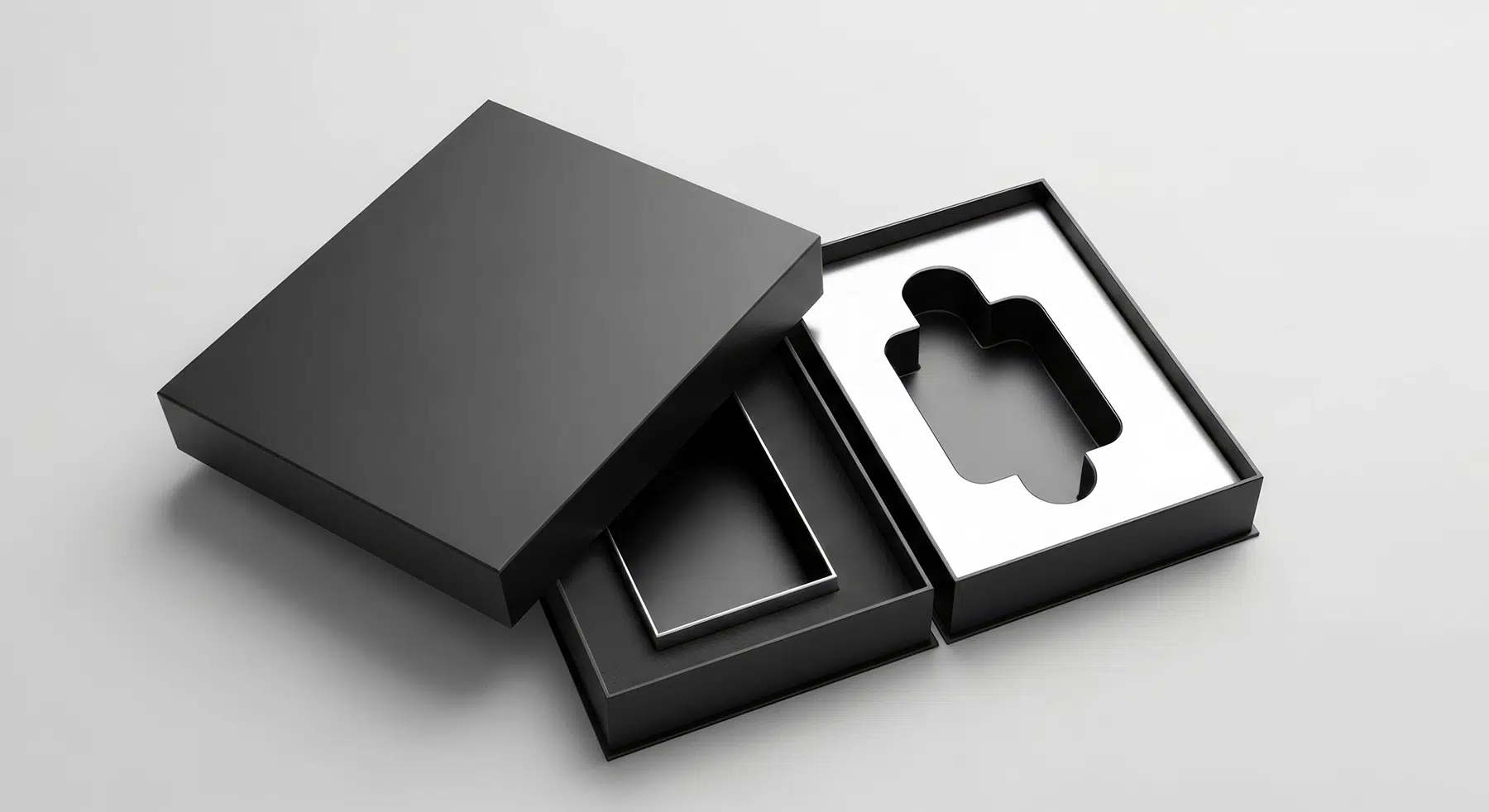
When people hear the words “custom packaging,” they may picture luxury products, large retail brands, or expensive gift boxes. But custom packaging is not only for big companies with large budgets. Today, businesses of many sizes and industries use customized packaging to protect products, build brand recognition, and create a better customer experience.
Whether you run a small online shop, sell handmade products, or manage an established retail brand, the right packaging can make a meaningful difference. So, who actually needs custom packaging? The answer may be broader than you think.
Small Businesses and Startups
Small businesses often compete with larger companies that already have strong brand recognition. Custom packaging can help smaller brands create a professional and memorable presentation without trying to copy their bigger competitors.
For example, a new skincare company can use branded boxes, tissue paper, stickers, or product inserts to create a consistent identity. When customers receive an order that looks carefully designed, it can make the business feel more established and trustworthy.
Custom packaging also gives small businesses an opportunity to communicate their personality. A handmade candle brand might choose natural materials and simple printing, while a fashion company could use bold colors and premium finishes.
The key is to choose packaging that fits the product and budget rather than adding unnecessary features.
E-Commerce Businesses
Online shopping has changed how customers interact with brands. In a physical store, shoppers can see, touch, and examine a product before purchasing. With e-commerce, the package is often the first physical experience customers have with a brand.
That makes packaging particularly important for online businesses.
A well-designed package can:
- Protect products during shipping
- Make deliveries feel more personal
- Reinforce brand identity
- Encourage customers to share their unboxing experience
- Improve the overall perception of product quality
For e-commerce sellers, custom packaging can be especially useful because the delivery experience is part of the customer journey. A thoughtfully packaged order can turn a routine delivery into a memorable brand interaction.
Retail and Consumer Product Brands
Retail brands also benefit from packaging designed specifically for their products. When products are displayed on crowded shelves, packaging needs to attract attention while clearly communicating important information.
Custom packaging can help brands create a recognizable visual identity across different products. Consistent colors, logos, typography, and design elements can make it easier for customers to identify a brand at a glance.
For consumer products, packaging also has a practical role. The design should consider product dimensions, storage requirements, durability, and how easily customers can open and use the package.
A good package balances appearance with function.
Luxury and Premium Brands
Luxury products often rely on presentation to support their premium positioning. Jewelry, watches, cosmetics, fashion accessories, and specialty gifts may all benefit from carefully designed packaging.
In these industries, the packaging experience can influence how customers perceive the product itself. High-quality materials, precise construction, elegant printing, and thoughtful details can communicate a sense of value before the product is even revealed.
However, luxury packaging does not always mean excessive packaging. A premium brand can create an impressive experience through simplicity, material quality, and attention to detail.
Handmade and Artisan Businesses
Independent makers and artisans can use custom packaging to showcase the uniqueness of their products.
Consider a handmade soap maker, ceramic artist, or jewelry designer. Their products often have a personal story behind them, and packaging provides another opportunity to share that story.
A small thank-you card, product care instructions, or a short message about the maker can make the customer feel more connected to the brand.
Custom packaging can also help handmade businesses stand out at craft markets, pop-up shops, and online marketplaces where many sellers may offer similar products.
Businesses With Fragile or Specialized Products
Not every packaging decision is about branding. Sometimes, customization is necessary because a product requires specific protection.
Businesses selling fragile glassware, electronics, cosmetics, food products, or uniquely shaped items may need packaging designed around the product’s exact dimensions.
Properly designed packaging can help reduce unnecessary movement inside the box and provide appropriate protection during handling and transportation. Depending on the product, this may involve inserts, dividers, cushioning, or specialized structures.
In these cases, custom packaging can be a practical investment in product protection and customer satisfaction.
Sustainable and Eco-Conscious Brands
Brands that focus on sustainability may also choose custom packaging to better align their packaging choices with their environmental goals.
For example, a company might select recyclable materials, reduce unnecessary components, or design packaging that customers can reuse. The important thing is to make sustainability claims honestly and avoid presenting packaging as “eco-friendly” without explaining what makes it more sustainable.
Working with a responsible custom packaging supplier can help businesses explore material options and packaging structures that suit both their products and sustainability objectives.
Who Doesn’t Necessarily Need Custom Packaging?
Custom packaging can be valuable, but it is not automatically the right choice for every business.
If you are testing a new product, have very low sales volume, or are still changing your branding, standard packaging may be more practical. It can allow you to keep initial costs lower while you learn what works.
Businesses should consider factors such as:
- Product volume
- Packaging budget
- Shipping requirements
- Brand positioning
- Product protection
- Customer expectations
The goal should not be to customize everything simply because customization is available. The goal is to invest in packaging that solves a real business or customer need.
How to Choose the Right Packaging Partner
Once you decide custom packaging makes sense, choosing the right supplier is an important step. Look for a company that understands your product requirements, offers suitable materials and structures, and can communicate clearly throughout the process.
A packaging provider such as PackFancy can be considered by businesses looking for customized packaging solutions tailored to their branding and product needs. Before placing an order, it is still wise to review specifications, request samples when appropriate, confirm production timelines, and understand minimum order requirements.
Final Thoughts
So, who needs custom packaging? The answer is simple: businesses that want packaging to do more than simply hold a product.
Small businesses can use it to look professional. E-commerce brands can improve the unboxing experience. Luxury companies can reinforce premium positioning. Artisan sellers can tell their stories, while businesses with fragile products can improve protection.
The best custom packaging is not necessarily the most expensive or elaborate. It is packaging that fits the product, supports the brand, protects what is inside, and gives customers a positive experience. When those elements come together, packaging becomes more than a box or bag—it becomes a useful part of the overall customer journey.