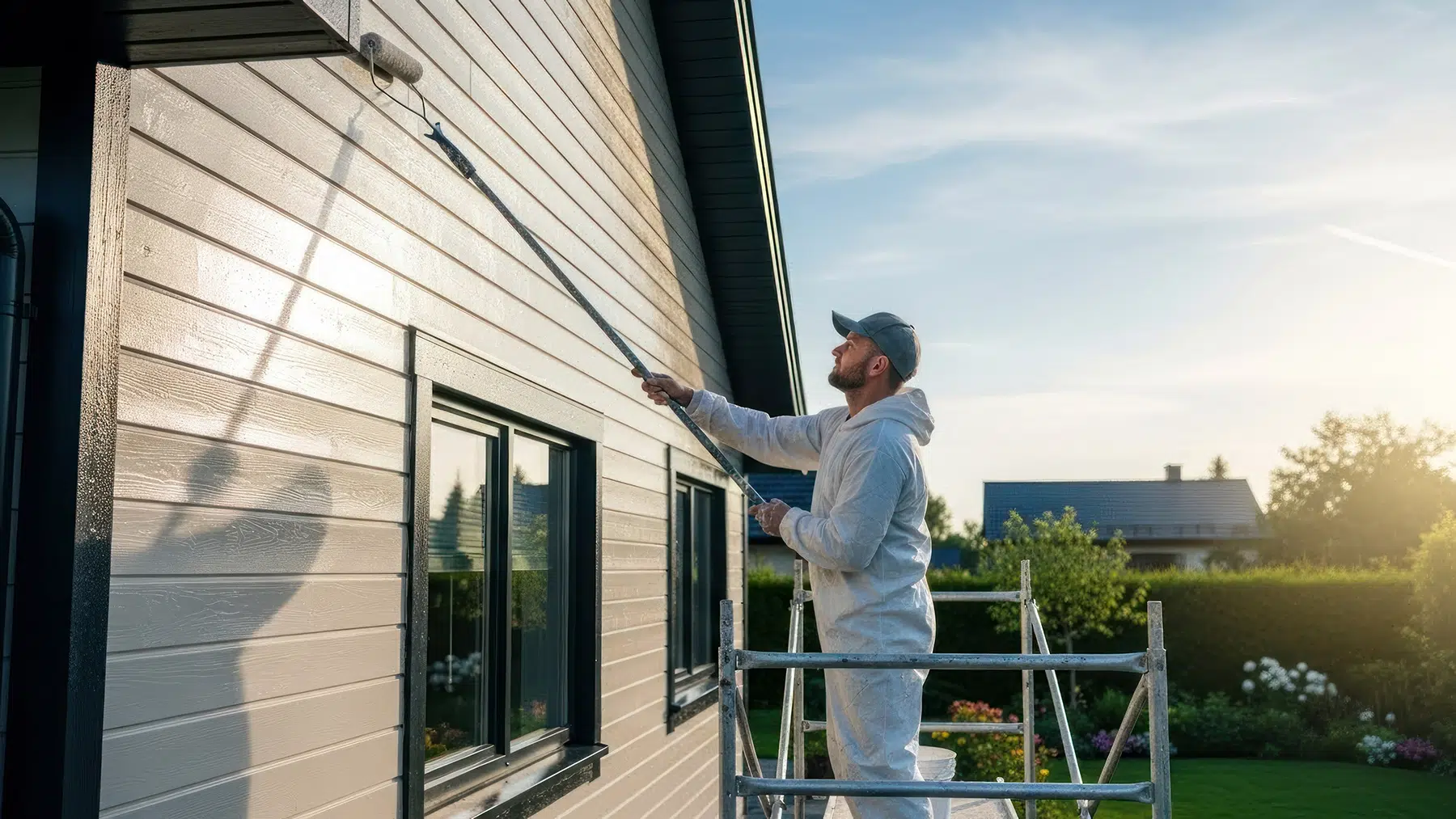
Nobody wants to repaint their house every three years because the last paint job peeled off like a bad sunburn. Painting your house’s exterior is one of the projects that seems simple, but it can go wrong in many different ways. Plus, the cost of redoing the paint isn’t small; according to 2026 industry data, the average exterior repaint price ranges from $3000 to over $10,000 based on your home size.
So basically, your painting mistake can get expensive. Painting the exterior of your home is a big investment as it fights off rain, sun, wind, and birds pooping from questionable angles. So you can’t just slap on the paint and hope it will survive more than one brutal summer. That’s not how you will achieve long-lasting results.
If you want your exterior paint to stick around for the long haul, you need to do proper preparations, use the proper materials, good timing, and avoid rushing through the steps. So before you grab your paint roller and declare a war, this guide will explain to you how you can achieve long-lasting exterior painting results without peeling, cracking, or fading like a bad tattoo.
1. Prep Your House’s Exterior Like its Life Depends on it
Before you think about picking your paintbrush, we should talk about prep work first. Surface prep is 80% of the battle, and skipping it is like you’re putting on cologne instead of showering. Sure, you’re going to smell fine for a minute or two, but everyone’s going to know that something’s off.
So firstly, power wash and clean the house. The house’s siding has spent months or years collecting pollen, dirt, cobwebs, and mysterious stains. You can also use a mild detergent or bleach solution and rinse thoroughly. Secondly, scrape and sand any peeling or flaking paint. Also, fix wood rots, caulk gaps, and replace damaged boards. Thirdly, prime the bare spots because it helps the paint stick and look even. Moreover, protect what you’re not painting. Tape off your windows, trim, and lighting fixtures. Lastly, pick a dry, mild-weather day for painting.
If you are unsure about how to start, you can consult experts in your area. Painters in Concord, NH, and other major cities know the basics quite well. They make the painting journey smooth by ensuring that all necessary things are taken care of before the task begins.
2. Pick Good Quality Paint and Primer
Cheap paint is like fast fashion in the home improvement world. It looks fine when you paint it, but then two washes and two winters later it starts to peel off. That’s why high-quality paints like 100% acrylic latex exterior paints stand the test of time. These paints are mildew-resistant and have good UV inhibitors; thus, they have greater longevity. Just a tip: if resale value matters to you, a house color of blue is generally considered safe and a broadly appealing choice.
Not to mention, most people skip primers, but it is crucial when it comes to painting exteriors. It helps paint adhere properly and does not allow the stains to bleed through.
Moreover, the thing about bargain-bin paints is that they are thinner, which means less pigment. That means you have to do three to four coats to get decent coverage, and that’s a scam because you aren’t saving any money. Due to this, you should spend your money on good-quality paints and primer. Although they are a bit pricier, they can handle Mother Nature’s mood swings better.
3. Weather is the Toughest Critic When it Comes to Painting
When weather calls the shots, it does not care about what kind of plans you have in mind. When painting your house’s exterior, you’re dealing with an actual outdoor surface that is exposed to actual outdoor weather. It means that the sky gets to vote on how your project will turn out.
Painting when it is too hot dries up the paint faster, you can’t spread the paint evenly, and it leaves lap marks. Painting in humidity takes forever to dry and invites stray leaves, bugs, and pollen particles to become a permanent part of your house’s new look. In contrast, painting right before the rain can create an expensive tie-dye experiment. Plus, the wind can be sneaky because it can kick dust and debris that can stick to your wall and create a texture that you might not like.
Therefore, the best temperatures are mild temperatures, i.e, not blazing or freezing, low humidity, and no rain in the forecast for almost 24 to 48 hours after painting. An advice here would be to hire an exterior painter in Concord or your city, as professionals know about weather conditions and can deliver long-lasting results by using the right techniques.
4. Commit to Regular Maintenance
If you are unaware, the paint does not magically stay perfect forever on its own. Think of paint more like a houseplant than a tattoo. If you ignore it completely, it’ll start looking rough. According to All State Waterproofing, exterior paint can last anywhere between five and twelve years if good-quality materials are used, paint is properly applied, maintained, and protected from harsh weather conditions.
Your paint needs an ongoing TLC (tender, loving care) to hold up; otherwise, you’ll end up throwing money at the problem that keeps coming back. Plus, you only have to do simple stuff like hosing down the siding once or twice a year to remove grime, pollen, and dirt; trimming bushes and trees that can scrape and damage paint; and catching small issues earlier to save yourself from bigger and pricier repaint problems.
In short, exterior walls are like relationships; if you are going to ignore them completely, things will fall apart.
Bottom Line
The thing is, the magic is not in some fancy paint brands. It is in the boring stuff; hence, the long-lasting exterior paint boils down to proper preparation, quality products that match your home and climate, proper application, and maintenance. Do this, and your house will thank you for decades.
So paint it once, and paint it right!