Think about the last time your air conditioner stopped working.
It probably didn’t happen on a cool, comfortable day. It happened when temperatures were soaring, your home felt like an oven, and every HVAC company in town was booked for days.
That’s how it usually goes.
The truth is, most HVAC systems don’t suddenly fail without warning. Small issues often build up over time, and by the time you notice something is wrong, what could have been a simple maintenance visit may have turned into an expensive repair.
Regular HVAC maintenance isn’t just another item on your to-do list. It’s one of the smartest investments you can make in your home’s comfort, energy efficiency, and the lifespan of your heating and cooling system.
Let’s look at why routine maintenance pays off in more ways than one.
It Helps Prevent Unexpected Breakdowns
Nobody wants their heating or cooling system to stop working when they need it most.
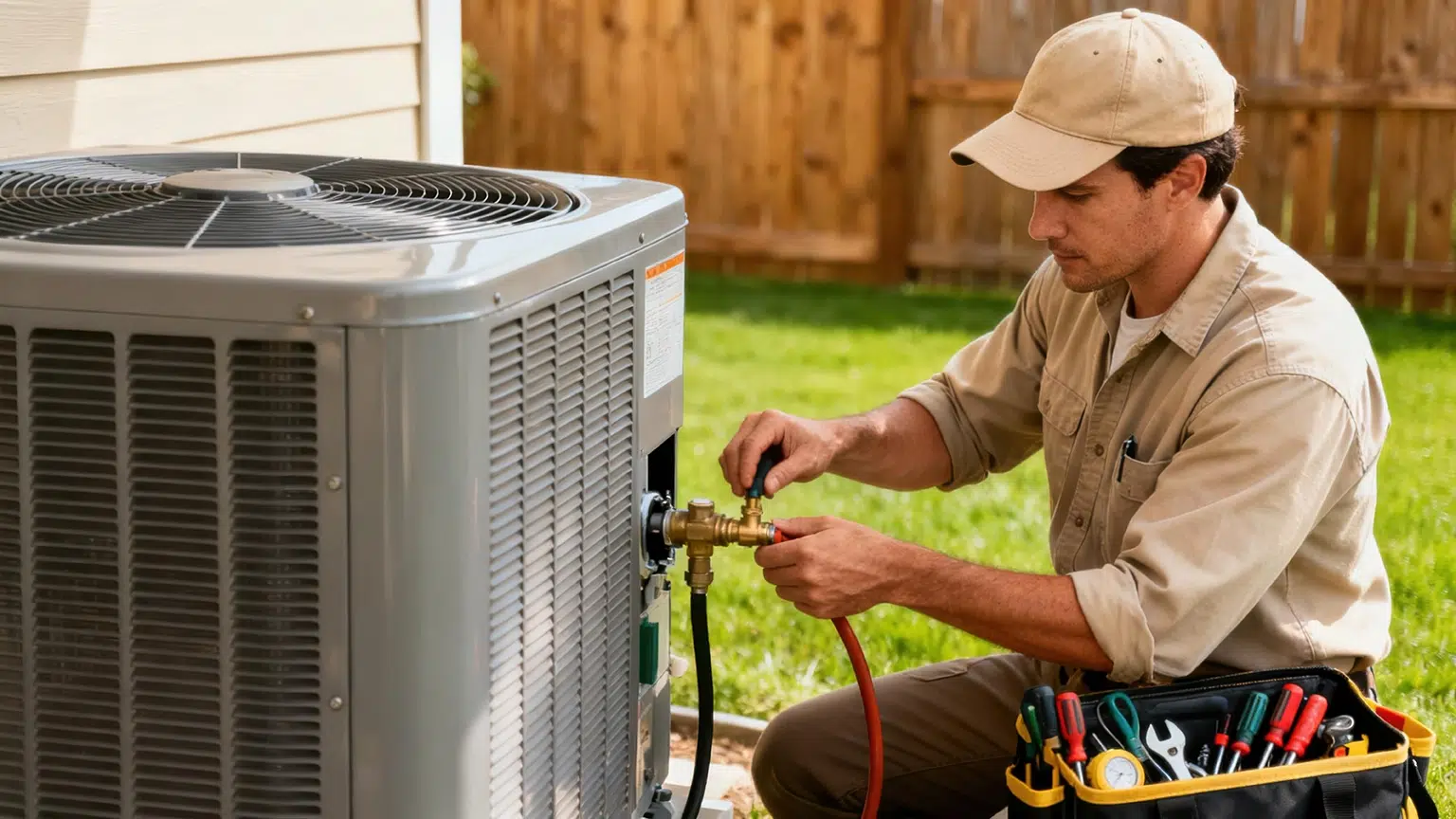
Routine maintenance allows HVAC technicians to identify worn parts, loose electrical connections, clogged filters, refrigerant issues, and other small problems before they become major repairs.
Homeowners who work with trusted providers such as Premier Heating and Air Conditioning often benefit from scheduled maintenance that keeps their systems operating reliably throughout the year. Instead of waiting until something fails, regular inspections help catch issues early and reduce the likelihood of emergency service calls.
During a maintenance visit, technicians commonly inspect:
- Air filters
- Electrical components
- Refrigerant levels
- Thermostat operation
- Blower motors
- Condenser and evaporator coils
- Drain lines
- Overall system performance
Catching these issues early can save homeowners both time and money.
Lower Energy Bills Add Up Over Time
An HVAC system doesn’t have to break down to become inefficient.
Dust buildup, clogged filters, dirty coils, and worn components force your equipment to work harder just to maintain the same indoor temperature.
The harder your system works, the more energy it consumes.
According to the U.S. Environmental Protection Agency (EPA), replacing dirty air filters and maintaining HVAC equipment properly can improve system efficiency and reduce energy waste.
Even small improvements in efficiency can lead to noticeable savings on monthly utility bills over the course of a year.
Your Equipment Lasts Longer
An HVAC system is one of the largest investments homeowners make.
Naturally, you want it to last as long as possible.
Routine maintenance reduces unnecessary wear and tear on critical components by keeping everything clean, properly adjusted, and operating efficiently.
Without maintenance, small issues continue to place extra stress on the system, shortening its overall lifespan.
While no HVAC system lasts forever, regular servicing can help homeowners get the maximum value from their equipment before replacement becomes necessary.
Better Indoor Air Quality
Your HVAC system does more than heat and cool your home.
It also helps circulate the air your family breathes every day.
Dirty filters, dust buildup, mold growth, and clogged components can affect indoor air quality and reduce airflow throughout the house.
Cleaner systems contribute to cleaner indoor air, which is especially important for households with children, older adults, or individuals with allergies.
Fewer Emergency Repairs
Emergency HVAC repairs rarely happen at convenient times.
They often occur during weekends, holidays, or periods of extreme weather when demand for technicians is highest.
Regular inspections significantly reduce the chances of unexpected breakdowns by identifying developing issues before they become emergencies.
Preventive maintenance almost always costs less than major repairs resulting from neglected equipment.
It Helps Protect Your Manufacturer’s Warranty
Many homeowners don’t realize that skipping routine maintenance can sometimes affect their HVAC warranty.
Some manufacturers require regular servicing as part of their warranty terms. If a major component fails and there’s no record of proper maintenance, warranty coverage may be limited or even denied, depending on the manufacturer’s policy.
Scheduling routine inspections and keeping service records can help protect your investment while providing documentation if warranty repairs are ever needed.
It’s always worth reviewing your warranty or asking your HVAC provider about the recommended maintenance schedule.
Your Home Stays Comfortable Throughout the Year
An HVAC system that’s properly maintained doesn’t have to work as hard to keep your home comfortable.
Instead of dealing with uneven temperatures, weak airflow, or rooms that never seem to cool down, a well-maintained system delivers more consistent performance.
Regular maintenance helps ensure:
- Better airflow throughout the home
- More consistent indoor temperatures
- Faster heating and cooling
- Improved humidity control
- Less strain on the system during extreme weather
That means your home stays comfortable whether it’s the hottest day of summer or the coldest night of winter.
Small Maintenance Issues Are Much Cheaper Than Major Repairs
One loose electrical connection.
A dirty condenser coil.
A clogged drain line.
Individually, these are often simple maintenance issues. Left alone, they can contribute to much larger and more expensive repairs over time.
Routine maintenance allows technicians to spot these small problems before they affect other parts of the system.
Think of it like changing the oil in your car. It’s a relatively small expense that helps prevent much larger mechanical problems down the road.
Investing a little in preventive care today can save a significant amount on future repair bills.
It Can Increase Your Home’s Appeal
If you ever decide to sell your home, a well-maintained HVAC system can be a selling point.
Potential buyers often ask about the age and condition of major home systems, including heating and air conditioning. Having maintenance records shows that the equipment has been cared for and inspected regularly.
While maintenance alone won’t determine your home’s value, buyers generally feel more confident knowing they’re less likely to face unexpected HVAC repairs shortly after moving in.
It’s another way routine maintenance helps protect your long-term investment.
You’ll Have Greater Peace of Mind
One of the biggest benefits of regular HVAC maintenance isn’t something you can measure on a utility bill.
It’s peace of mind.
Knowing your system has been inspected by a professional means you’re less likely to be surprised by an unexpected breakdown during the middle of a heatwave or a cold snap.
Instead of wondering if your air conditioner will survive another summer, you can feel more confident knowing it’s been cleaned, tested, and serviced before the busiest season begins.
That confidence is especially valuable for families with young children, older adults, or anyone who depends on a comfortable indoor environment year-round.
Maintenance Helps You Plan Instead of React
Replacing an HVAC system is a significant investment.
Regular maintenance gives technicians the opportunity to monitor the overall condition of your equipment over time. Rather than being caught off guard by a sudden system failure, you’ll often receive advance notice if certain components are beginning to wear out or if your system is approaching the end of its expected lifespan.
This allows you to budget for future repairs or replacement instead of dealing with an unexpected emergency.
Planning ahead is almost always easier… and less stressful… than reacting to a complete system breakdown.
Wrap up!
Regular HVAC maintenance is one of the simplest ways to protect your comfort, reduce energy costs, and extend the life of your heating and cooling system. While it’s easy to postpone routine service when everything seems to be working, small problems often develop long before they become noticeable.
By scheduling regular inspections, keeping your system clean, and addressing minor issues early, homeowners can avoid many of the costly repairs that result from neglected equipment.
Whether you’re preparing for another hot summer or getting ready for colder weather, investing in preventive maintenance today can save time, money, and unnecessary stress in the future.