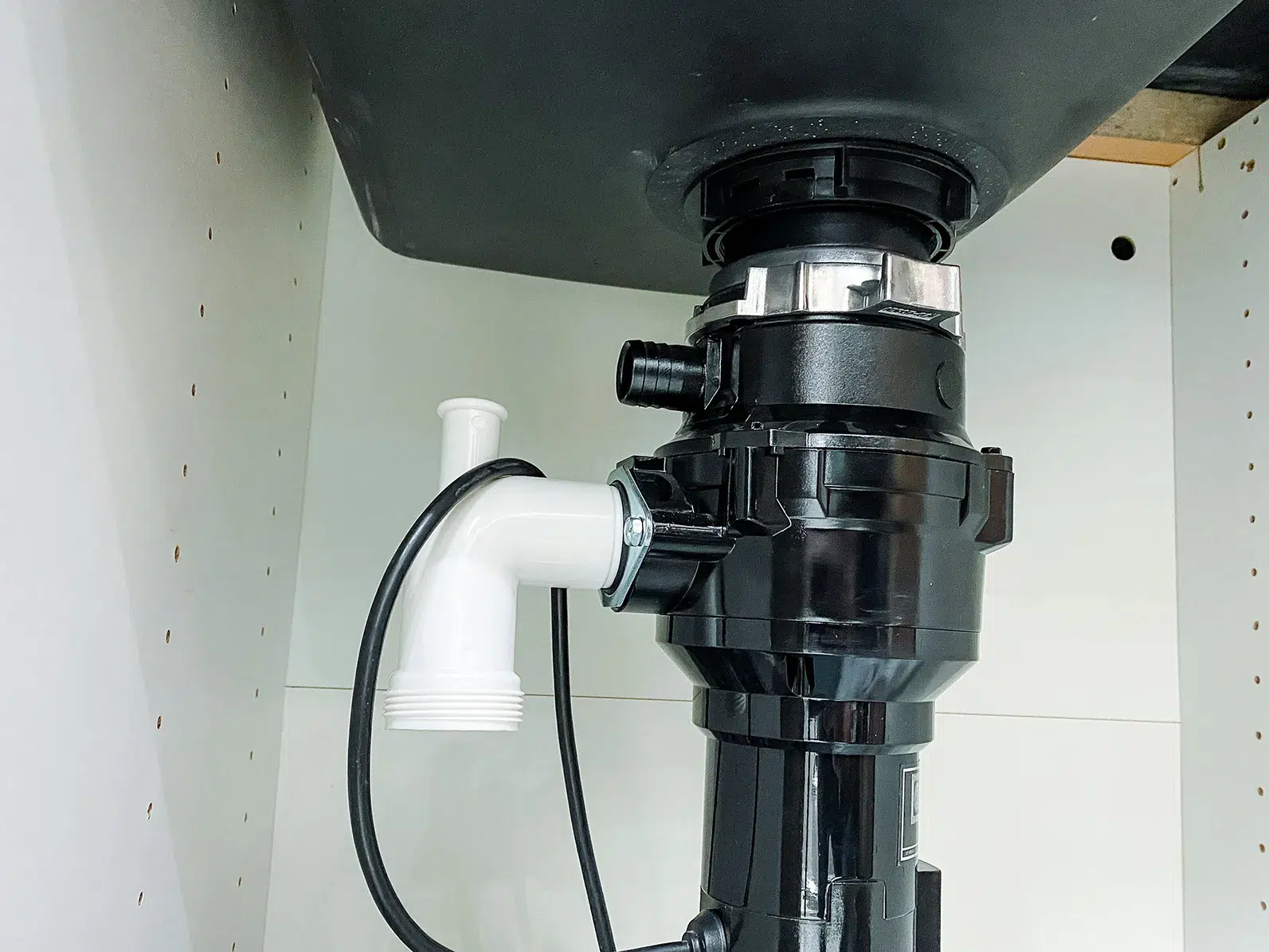
Kitchens operate like finely tuned machines. Every action, from rinsing dishes to discarding scraps, influences what happens inside your plumbing. At the heart of this system are garbage disposals in Tampa, FL, which do far more than crush food; they guide water flow, minimize buildup, and keep pipes running smoothly. When used wisely, they maintain balance and efficiency. Ignore them, and hidden pressure quietly accumulates, weakening pipes and inviting costly failures that simple maintenance could prevent.
1. Disposal Units Control More Than Waste
Disposals do more than grind food. They determine how waste travels through pipes, affecting joints, bends, and pipe walls. Soft scraps pass easily. Thick, sticky, or fibrous materials create resistance. Slow movement does not stay localized; it spreads throughout the piping system, building internal pressure and straining both pipes and blades. Cold water is essential. It moves waste forward and prevents grease from sticking to surfaces. Cutting larger pieces before grinding reduces mechanical stress. Small, consistent actions make a massive difference. Proper use preserves disposal lifespan while keeping pipes functioning efficiently.
2. Ignoring Early Signals Leads to Larger Problems
Plumbing systems communicate before they fail. Changes in grinding sounds suggest resistance forming below. Water lingering in the sink indicates narrowing inside pipes. Frequent reset button use signals stress accumulating in the disposal unit. Ignoring these signs allows buildup to harden and shrink the internal pipe space. Less space increases pressure with every use, eventually causing leaks or cracks. At that point, emergency pipe repair in Tampa, FL, becomes unavoidable. Acting early prevents serious damage, keeps flow manageable, and protects the entire system from cascading failures.
3. Proper Input Protects Long-Term Performance
Not all waste belongs in a disposal. Grease may seem harmless when warm, but once it cools, it thickens and adheres to pipe walls, trapping other debris. Fibrous foods twist around blades, slowing performance. Hard scraps strain motors, shortening lifespan. Repeated misuse compounds stress silently. Controlled input, careful cutting, and selective disposal use protect both the unit and the connected pipes. Simple, mindful decisions at the sink prevent hidden issues from becoming major repairs. Efficient kitchens depend on what goes in as much as how the disposal is used.
4. Pipe Health Dictates Efficiency
A disposal’s effectiveness is only as good as the pipes it works with. Clear pipes allow waste to exit quickly. Narrowed or rough interiors slow the flow. When movement is restricted, disposals work harder, increasing wear and risk of failure. Regular flushing keeps paths open, while light cleaning removes early buildup. Periodic inspections identify weak points before they become significant problems. Strong pipes and a responsive disposal unit create a system that functions smoothly under constant demand. Weak or restricted pipes undermine even the most efficient disposal unit.
5. Consistency Is the Key to Stability
Plumbing systems do not fail suddenly; failure grows through repeated neglect. Running water before, during, and after grinding ensures waste moves fully through pipes. Avoiding overload prevents sudden pressure spikes. Spacing heavy use allows the system to recover naturally. Observation is crucial. Minor changes in sound, flow, or performance are early signs of stress. Addressing these promptly prevents larger issues from forming. Consistency creates stability. Small, steady habits maintain disposal efficiency, prevent backups, and extend system life. Regular attention transforms ordinary maintenance into long-term protection.
Optimal kitchen performance depends on the harmony between disposal units and pipe condition. Free-flowing waste maintains controlled pressure and consistent performance. Simple habits like proper disposal use, steady water flow, and responding to early signals protect the system. Ignoring minor warnings allows buildup to accumulate, increasing strain and leading to leaks or cracks. With focused attention, disposal units remain efficient, and pipes stay clear, supporting daily use without interruptions or hidden damage building over time.
Drain Flo Plumbing provides precise, focused solutions for plumbing systems. Their team handles maintenance, inspection, and repairs with clarity and speed. For assistance or system checks, call now at (813) 391-1500 and maintain uninterrupted, smooth plumbing flow.
FAQs
- What causes slow drainage in Tampa, FL, kitchen systems?
Slow drainage often results from grease buildup, food debris, or narrowing pipes. In Tampa, FL, repeated disposal use without proper flushing accelerates buildup and reduces flow efficiency.
- How can kitchen disposal systems stay effective long-term?
Using cold water, avoiding fibrous or hard waste, and monitoring early warning signs maintains consistent performance and prevents internal buildup, protecting both disposal and pipes.