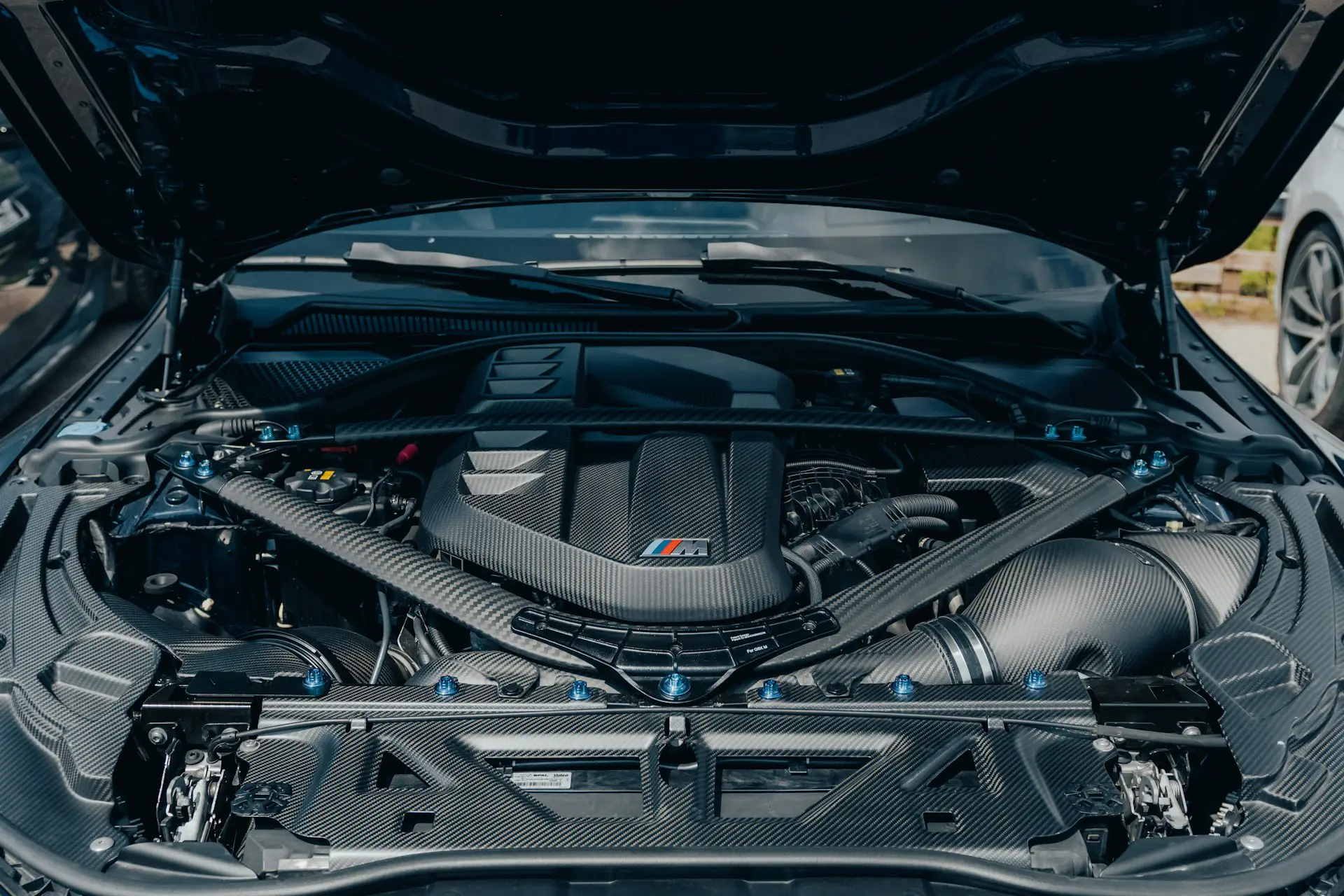
The BMW B57 diesel engine appeals to drivers who want smooth power and relaxed motorway driving. Its six-cylinder design delivers strong pulling power, making it a popular choice in BMW saloons, estates and SUVs.
However, buying a car with a respected engine is only the starting point. BMW B57 engine reliability also depends on the condition of its cooling, fuel, turbo, a nd emissions systems. A problem in one area can affect another, making quick guesses expensive.
For buyers and owners, the most useful approach is to understand the exact engine version, recognise changes early and know what a proper diagnosis should include.
Understand Which B57 Version You Have
The B57 is an engine family, so advice for one model may not apply to another. Different versions use different turbo arrangements, emissions equipment, and supporting components.
This matters when comparing used cars. A more powerful version may offer stronger performance, but its additional equipment can increase the work involved in diagnosing and repairing faults. That does not automatically make it unreliable.
Before booking major work, confirm the VIN, engine version, and production details. Registration year alone may not identify the correct specification. The same model badge can cover different engine setups across its production life.
Look Beyond Mileage When Judging Condition
Mileage tells you how far a car has travelled. It does not explain how it was driven or maintained.
A vehicle used for longer journeys may have had more opportunities to reach normal operating temperature than one used mainly for short local trips. However, motorway use does not remove the need to check wear, leaks and service records.
Read invoices alongside the service display. Look for evidence of the correct oil, filter changes and completed repairs. Repeated visits for the same warning deserve questions.
Good maintenance reduces avoidable problems, but it cannot promise a fixed engine lifespan. Judge the individual car rather than relying on claims that every B57 will reach a particular mileage.
Check Recall Status Before Paying for Repairs
EGR concerns should be assessed against the individual vehicle. The EGR system feeds some exhaust gas back into the engine, and its cooler helps control the temperature of those gases.
If a garage suspects an EGR cooler fault, check whether relevant recall work is outstanding before authorising a paid replacement. BMW provides a VIN checker and states that it covers the cost of applicable safety recalls and technical campaigns.
Previous recall work does not explain every later coolant leak. Hoses, connections, and other cooling components still need inspection. Ask for evidence of the leak source rather than accepting a diagnosis based only on the engine’s reputation.
Treat Changes in Oil Level as Useful Evidence
Owners often watch for low oil, but an unexpectedly rising level also needs attention. Possible explanations include overfilling, an incorrect measurement, or contamination, so the cause should be established.
Take readings using the procedure specified for the vehicle. Record any warning messages and tell the workshop when the oil was last changed or topped up.
If fuel contamination is suspected, simply removing enough oil to bring the level down does not resolve the underlying problem. The mechanic should investigate why it happened and decide what corrective work is needed.
A red oil pressure warning requires a different response from a routine service reminder. Stop safely and switch off the engine.
Ask: What Is Causing a DPF Warning
The diesel particulate filter, or DPF, collects soot from the exhaust. Its cleaning process burns accumulated soot under suitable operating conditions.
A recurring warning needs more investigation than repeatedly clearing the code. The workshop should assess filter pressure readings, sensor operation, engine temperature, and the history of attempted cleaning cycles.
Ask whether the filter is genuinely restricted or whether another fault is affecting the readings or cleaning process. This distinction helps avoid replacing an expensive filter while leaving the original problem in place.
Do not assume a longer drive is appropriate for every warning. Follow the vehicle instructions and obtain advice if the message persists, power drops, or other faults appear.
A Boost Fault Does Not Always Mean a Failed Turbo
Weak acceleration can make owners fear the worst, particularly on versions with more complex turbo systems. Yet damaged hoses, loose connections and exhaust restrictions can produce symptoms that resemble turbo failure.
Garrett advises checking supporting engine systems before replacing a turbocharger. Its diagnostic guidance covers issues including air restrictions, fuel injection, exhaust condition and lubrication.
Ask the garage what testing supports its recommendation. Comparing the boost pressure requested by the engine computer with the pressure actually produced can help guide further checks.
If turbo damage is confirmed, the repair should also address its cause. A replacement unit cannot correct an unresolved oil supply problem.
Make the Inspection Cover More Than the Engine
A used B57 BMW should be assessed from cold and during a proper road test. Starting behaviour, unusual noises and fluid levels all matter, but so do the gearbox and the rest of the drivetrain.
Vibration or hesitation may not originate inside the engine. A useful inspection separates engine performance concerns from transmission, mounting or driveline issues.
Before committing to a purchase, ask for:
- A written explanation of faults found and tests still required.
- Evidence of previous major repairs and any software modifications.
- An estimate for immediate repairs and upcoming maintenance.
This gives you a clearer ownership budget than the purchase price alone.
Confirm Parts and Repair Requirements Before Ordering
Once a fault is identified, confirm the replacement part against the exact vehicle specification. Similar-looking sensors, hoses and turbo components are not necessarily interchangeable.
When sourcing engine components through Apex Auto Parts, provide the VIN, engine details, and original part number where available. Accurate information helps reduce ordering mistakes and unnecessary delays.
Ask the fitting garage whether the work also requires seals, fluids, calibration or other associated items. A complete estimate should explain the full repair, rather than showing only the price of the main component.
The B57 can be an appealing engine to own, but a sensible purchase depends on evidence.
Clear maintenance records, careful testing and correctly matched parts give owners a better basis for decisions than mileage figures or a warning code alone.