Rethinking Comfort in Modern UK Homes
Modern life in the UK is faster, more layered, and more demanding than ever before. Homes are no longer just places to relax at the end of the day — they are also offices, social spaces, and sometimes even gyms, classrooms, and studios. With so many overlapping uses, the smallest inefficiencies in daily routines start to feel more noticeable.
This is where a new design idea is gaining attention: reducing “everyday friction” through furniture. Instead of focusing only on style or function, furniture is now being designed to make daily life feel smoother, easier, and more intuitive.
But can furniture really make a meaningful difference to how we experience everyday routines? Increasingly, the answer appears to be yes.
What “Everyday Friction” Actually Means
Everyday friction refers to the small but repeated inconveniences that interrupt flow in daily life. These are not major problems, but they accumulate over time and affect how comfortable a home feels.
In a typical household, friction might look like:
- Adjusting an uncomfortable chair multiple times during work
- constantly rearranging items to create usable space
- switching between different setups for work and relaxation
- struggling with storage that is difficult to access or organise
While each moment seems minor on its own, together they create a sense of inefficiency and fatigue within the home environment.
Reducing this friction is now becoming a key goal in modern interior design.
The Role of Furniture in Daily Flow
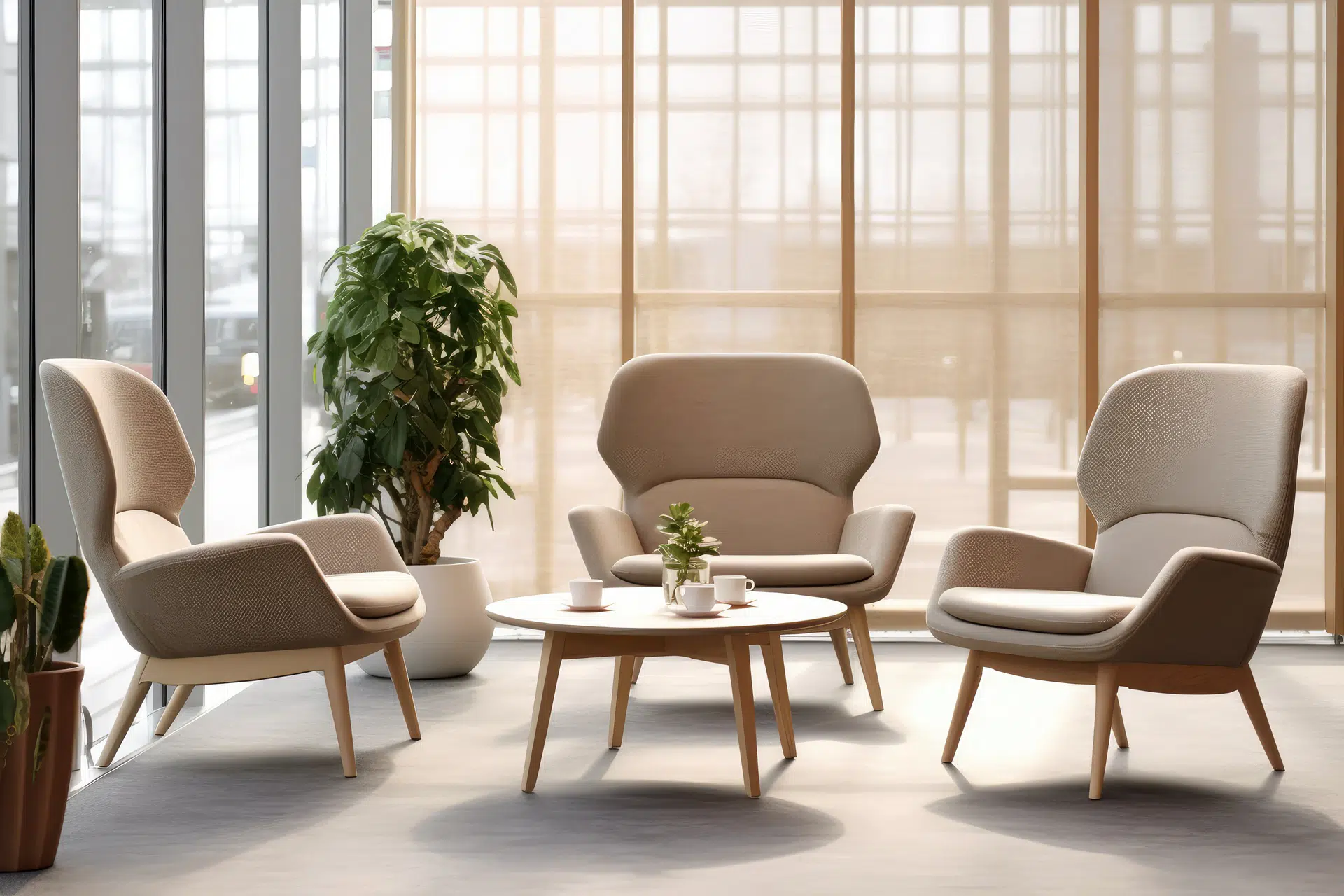
Furniture plays a much larger role in daily experience than it is often given credit for. It determines how easily people move through their routines, how quickly spaces can be adapted, and how comfortable it feels to stay in one place for extended periods.
When furniture is rigid or poorly suited to a space, it creates unnecessary interruptions. When it is well-designed, it fades into the background and allows life to flow more naturally.
This is why designers are increasingly focusing on adaptability, ergonomics, and multifunctionality as core principles rather than optional features.
Designing Out Friction Through Flexibility
One of the most effective ways to reduce everyday friction is through flexibility. Furniture that can adapt to different needs helps eliminate repeated adjustments and disruptions.
For example:
- Adjustable seating reduces physical strain during long hours
- Modular storage reduces clutter and improves accessibility
- convertible furniture supports multiple uses in one space
- Height-adjustable surfaces allow smoother transitions between tasks
Instead of forcing users to adjust to fixed furniture, flexible designs adjust to the user.
This shift is particularly important in homes where space is limited and rooms must serve multiple purposes.
The Rise of Adaptive Workspaces at Home
The growth of remote and hybrid working has made everyday friction more visible than ever. Many people now spend long hours working in environments that were not originally designed for productivity.
Dining tables become desks, sofas become seating areas, and spare corners become makeshift offices. This improvised approach often leads to discomfort and inefficiency.
Furniture designed for adaptability helps solve this problem by supporting smoother transitions between work and personal life. Adjustable work surfaces, for example, allow users to change posture throughout the day, reducing physical strain and improving focus. A key example of this is the Adjustable Standing Desk, which supports both sitting and standing positions to encourage healthier working habits.
In this context, solutions such as an adjustable desk are becoming increasingly relevant in UK homes that need more fluid, supportive work environments.
Storage as a Key Source of Friction
Storage is another major area where friction often appears. When storage is poorly designed, it creates daily interruptions — things are hard to find, difficult to access, or inconvenient to put away.
Over time, this leads to clutter and visual stress, both of which make a home feel less calm and less functional.
Smarter storage design reduces this friction by:
- improving organisational systems
- making items easier to access and return
- integrating storage into everyday furniture
- reducing the need for constant rearranging
When storage works intuitively, it removes one of the most common sources of household frustration.
The Emotional Impact of Smoother Living
Reducing friction is not just about efficiency — it also has a psychological impact. When a home functions smoothly, it reduces decision fatigue and mental load.
Small frustrations, when repeated daily, can build up into a background sense of stress. On the other hand, a well-designed environment creates a feeling of ease and control.
This is why many homeowners are now prioritising furniture that supports simplicity and flow over purely decorative or trend-driven choices.
A friction-free environment allows people to focus more on living and less on constantly adjusting their surroundings.
The Subtle Power of Good Design
One of the most interesting aspects of friction-reducing furniture is that its success is often invisible. The best-designed furniture does not draw attention to itself. Instead, it quietly supports daily life without interruption.
This includes:
- chairs that feel comfortable without adjustment
- desks that adapt without effort
- storage that fits naturally into routines
- layouts that allow easy movement between activities
When these elements work together, the home feels smoother and more intuitive overall.
A Shift Toward Human-Centred Interiors
The focus on reducing everyday friction reflects a broader shift in interior design — from object-centred design to human-centred design. The goal is no longer just to create beautiful spaces, but to create livable ones that support real behaviour.
This approach recognises that homes are not static environments. They are constantly in use, constantly changing, and constantly adapting to different needs.
Furniture that responds to these realities helps create spaces that feel more natural and less forced.
Brands such as Hulala Home reflect this shift by focusing on practical, lifestyle-oriented furniture that supports everyday use rather than just visual appeal.
Designing for Easier Everyday Living
So, can furniture reduce everyday friction? Increasingly, it already does. Through flexibility, adaptability, and thoughtful design, furniture is helping to smooth out the small disruptions that shape daily life.
In modern UK homes, where space is limited and routines are fluid, this approach is becoming essential. The most effective interiors are no longer just visually appealing — they are easy to live in.
And in the end, that ease is what defines truly successful design: homes that work quietly in the background, making everyday life feel simpler, smoother, and more comfortable.