Back pain can really change your life. Simple things like getting out of bed, sitting in a meeting, or picking something up from the floor become difficult. For people with a slipped disc, this disruption can be very severe. The pain is not just limited to the back. It can go down your leg, cause numbness in your foot, or create a burning sensation that makes it hard to find a position.
People with a slipped disc often ask if they need surgery or if there is another way to recover. For people with a slipped disc, the answer is physiotherapy. Physiotherapy is not something you do while waiting for surgery, but it is a real treatment that can produce lasting results for the right patients.
What is a Slipped Disc?
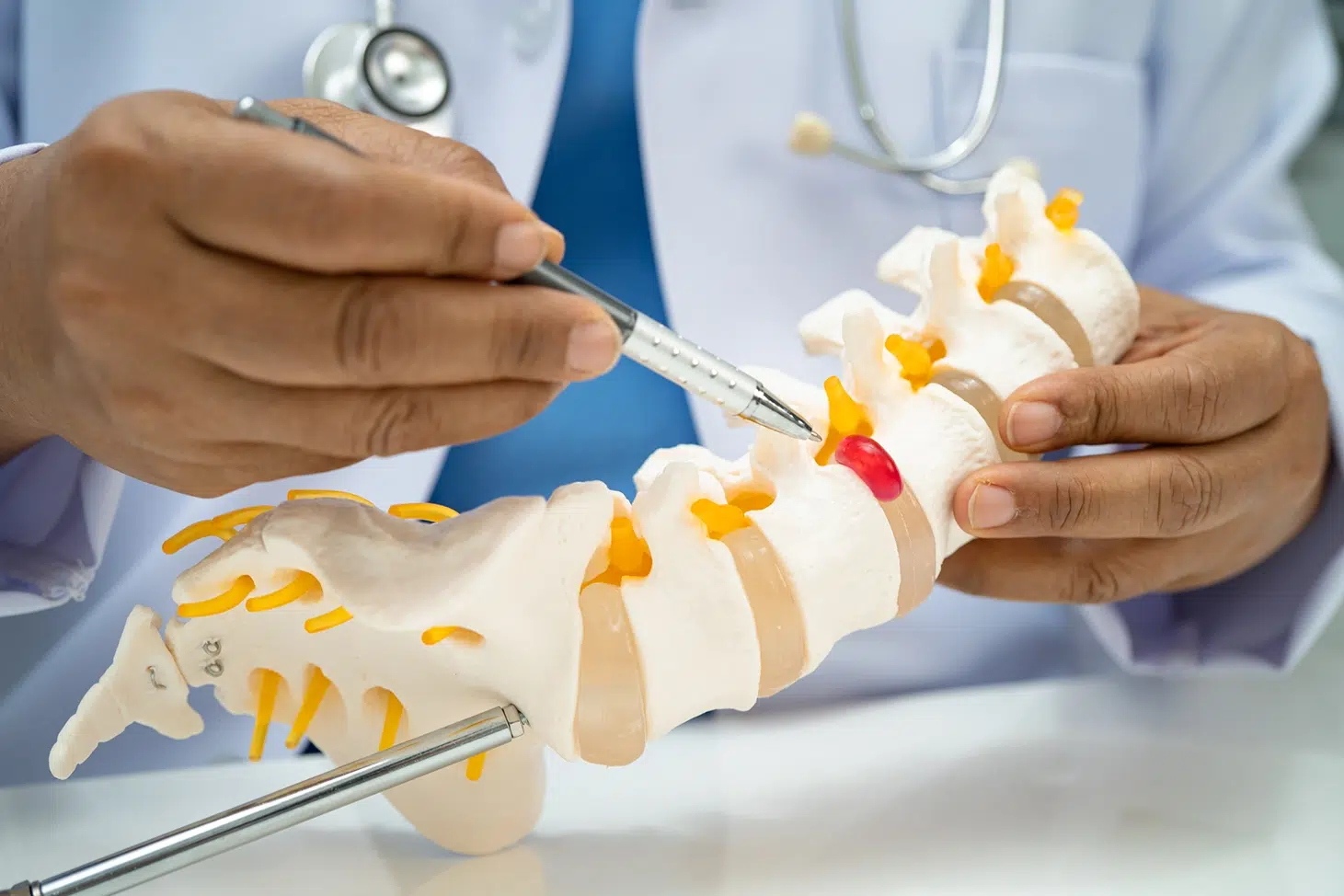
So what is a slipped disc? The spine has discs that cushion it. These discs have an outer ring and a gel-like center. A slipped disc happens when the outer ring weakens or tears, and the inner material pushes outward. This can happen slowly over time or suddenly from an injury.
The disc does not have to be damaged to cause a lot of symptoms. Even a small herniation can press against nerves, causing pain, numbness, or weakness. The lower back is the most common area affected, but it can also happen in the neck.
It is also important to know that what the doctor sees on an MRI does not always match the symptoms. Some people have a disc herniation on the MRI but do not have much pain. Others have a lot of symptoms, but the MRI does not show much damage.
Why Physiotherapy Is Commonly Recommended
Physiotherapy is often the first recommendation for people with a slipped disc. Research shows that most people get better without surgery. Physiotherapy works by reducing nerve irritation, restoring movement, strengthening the muscles that support the spine, and correcting movement patterns that contributed to the problem.
When you go to a physiotherapy clinic, they will start with an assessment. They will look at your symptoms, test your movement and strength, and evaluate your nerve function. They will also identify things that might be contributing to the problem, like posture or hip mobility.
How Physiotherapy Reduces Pain and Restores Movement
The early phase of physiotherapy focuses on managing pain and restoring movement. This is not about pushing through pain. It is about finding positions and movements that reduce nerve irritation. Manual therapy, like mobilization and soft tissue work, can help reduce muscle spasms and improve movement.
Strengthening Exercises and Spinal Support
As the pain starts to get better, the focus shifts to rehabilitation. This is where physiotherapy produces its lasting results. The goal is to rebuild the support system for the spine, reduce the load on the disc, and decrease the likelihood of the problem coming back.
Exercises are carefully planned to strengthen the muscles that support the spine. Hip strengthening is also important because weak hips can alter movement patterns and increase stress on the back. The goal is not just to get rid of the pain but to build a spine that can handle life without being vulnerable to re-injury.
Posture Correction and Movement Education
Movement education is also a part of recovering from a slipped disc. Many people have habits that load their spine unevenly, and addressing these habits is part of treating the problem. Posture correction is not about maintaining a perfect position but about being aware of how you load your spine throughout the day and giving you strategies to reduce unnecessary stress.
Personalized Treatment for Every Patient
Treatment plans should be personalized. No two people are the same. A patient with acute sciatica needs a different approach than someone with chronic symptoms. An active person has different goals than someone who is sedentary.
Clinics that follow a Medical Grade Physio standard build their programs around individual assessment, adjusting session frequency, exercise progression, and recovery timelines based on how each patient is responding.
What to Expect During Recovery
Recovery timelines vary. Some people see significant improvement within a few weeks. Others may need months of consistent work. It is essential to have realistic expectations and to understand the typical arc of recovery.
When Additional Medical Care May Be Needed
In some cases, a medical evaluation is needed first or alongside physiotherapy. Symptoms that suggest nerve damage or rapidly worsening neurological signs require prompt medical assessment.
Physiotherapy Can Support Long-Term Spinal Health
Physiotherapy is not a passive process. It requires consistency, engagement with the exercise program, and a willingness to address contributing habits. For people who commit to it, the results can be substantial, not just resolving the current episode but also gaining a better understanding of how to manage spinal health over the long term.
Recovery from a slipped disc is possible. With the right treatment and commitment, most people can recover meaningful function and significant pain relief without surgical intervention. Physiotherapy can help you manage your health and reduce the likelihood of future problems.