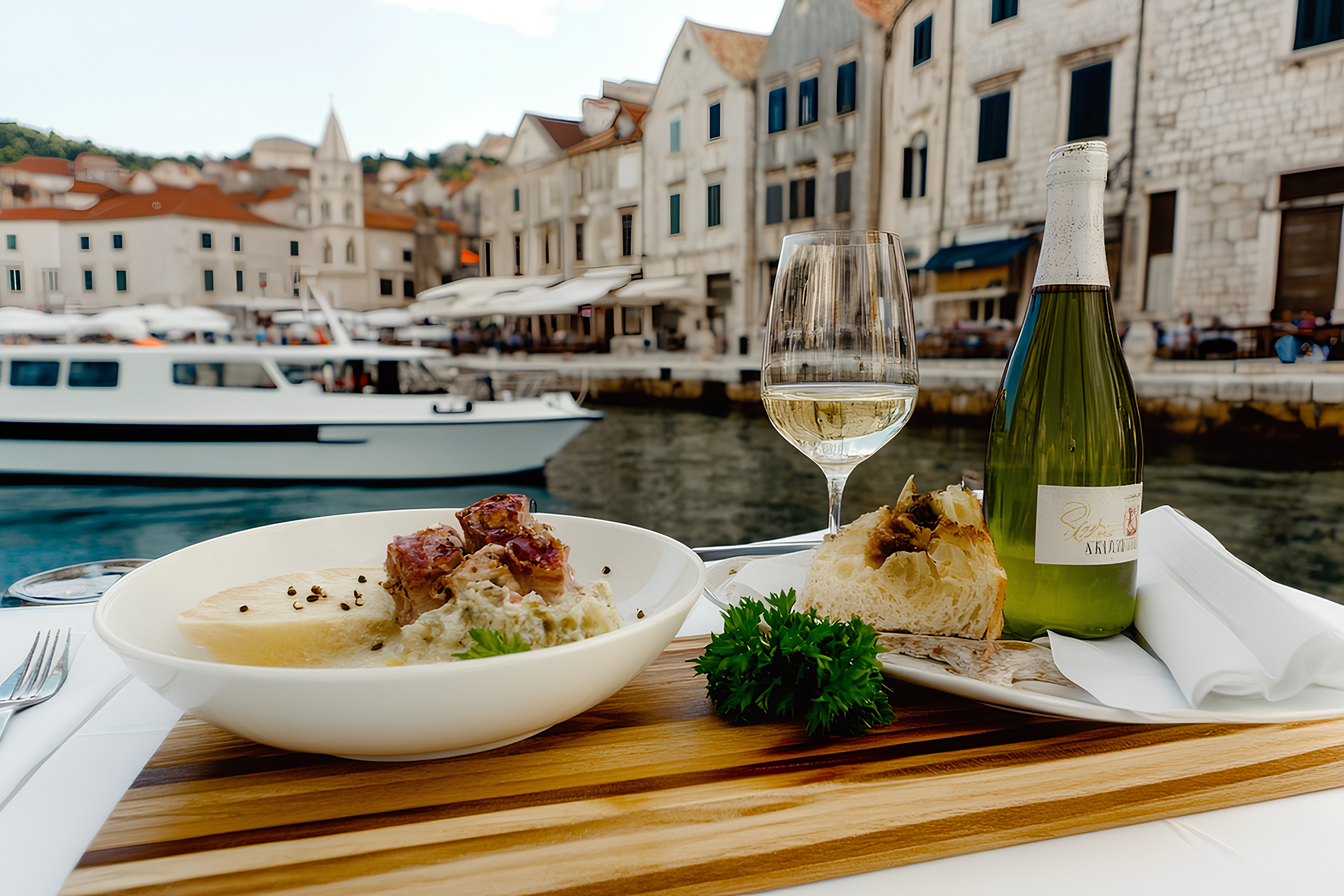
Long after a trip ends, it’s often the food people remember talking most about. A city might have famous landmarks and beautiful scenery, but it’s often a lunch discovered down a side street or a market visited before breakfast that sticks in the memory. Good food destinations aren’t always defined by expensive restaurants either. Sometimes they’re shaped by local produce, neighborhood traditions, and places where residents still shop every week.
Saint Martin, San Sebastián, Savannah, Lyon, and Cape Town all approach food differently. One revolves around Caribbean seafood, another around small plates and local wines. Some have centuries-old culinary traditions. Others have become places people visit specifically to eat well. What they share is an ability to make food a genuine part of the holiday.
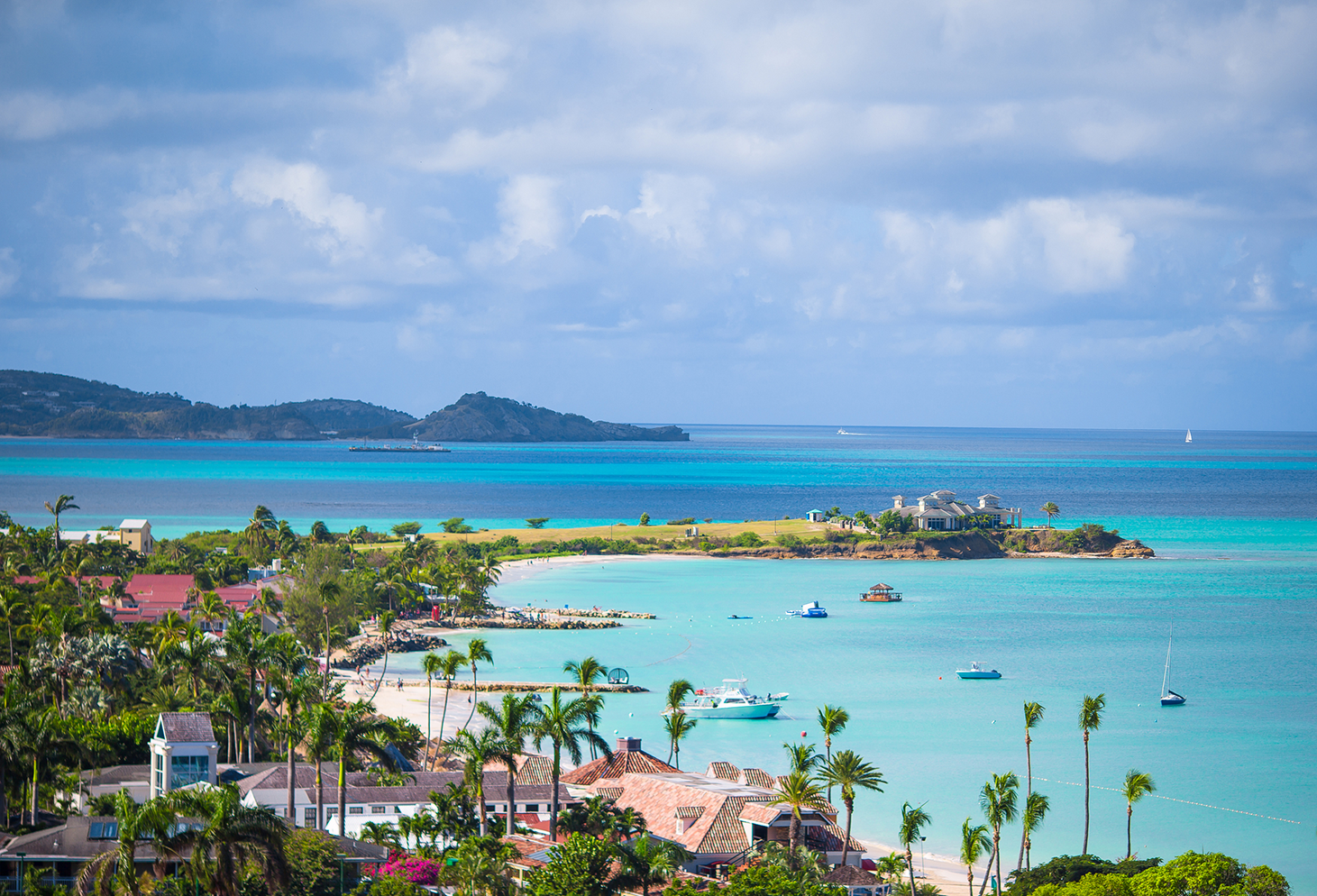
Saint Martin: The Grand Case Strip and Caribbean Dining
Grand Case is where many food-focused trips to Saint Martin begin. The village sits along a narrow stretch of coastline on the French side of the island, with Boulevard de Grand Case running beside the water. During the evening, tables fill quickly, and people stroll between the beachfront and the main road. Fishing boats often remain anchored offshore while locals gather along the sand near the public pier.
Grand Case, Marigot, and Orient Bay may only be a short drive apart, but staying close to them makes a noticeable difference when food is a priority. Thankfully, some of the most sought-after luxury villas in St Martin sit close to the island’s main dining areas, giving guests easy access to Grand Case’s restaurant-lined waterfront, the produce stalls at Marigot Market, and the beach clubs around Orient Bay. Many villas also include outdoor kitchens and dining terraces, making it easy to pick up freshly caught fish, local spices, tropical fruit, and pastries from neighborhood bakeries before heading back for dinner with a sea view.
Marigot brings a different atmosphere. Early in the morning, the market near Rue de la République fills with residents buying vegetables, seafood, herbs, and bottles of locally produced rum. Arriving before 9 a.m. usually means smaller crowds and cooler temperatures around the harbor.
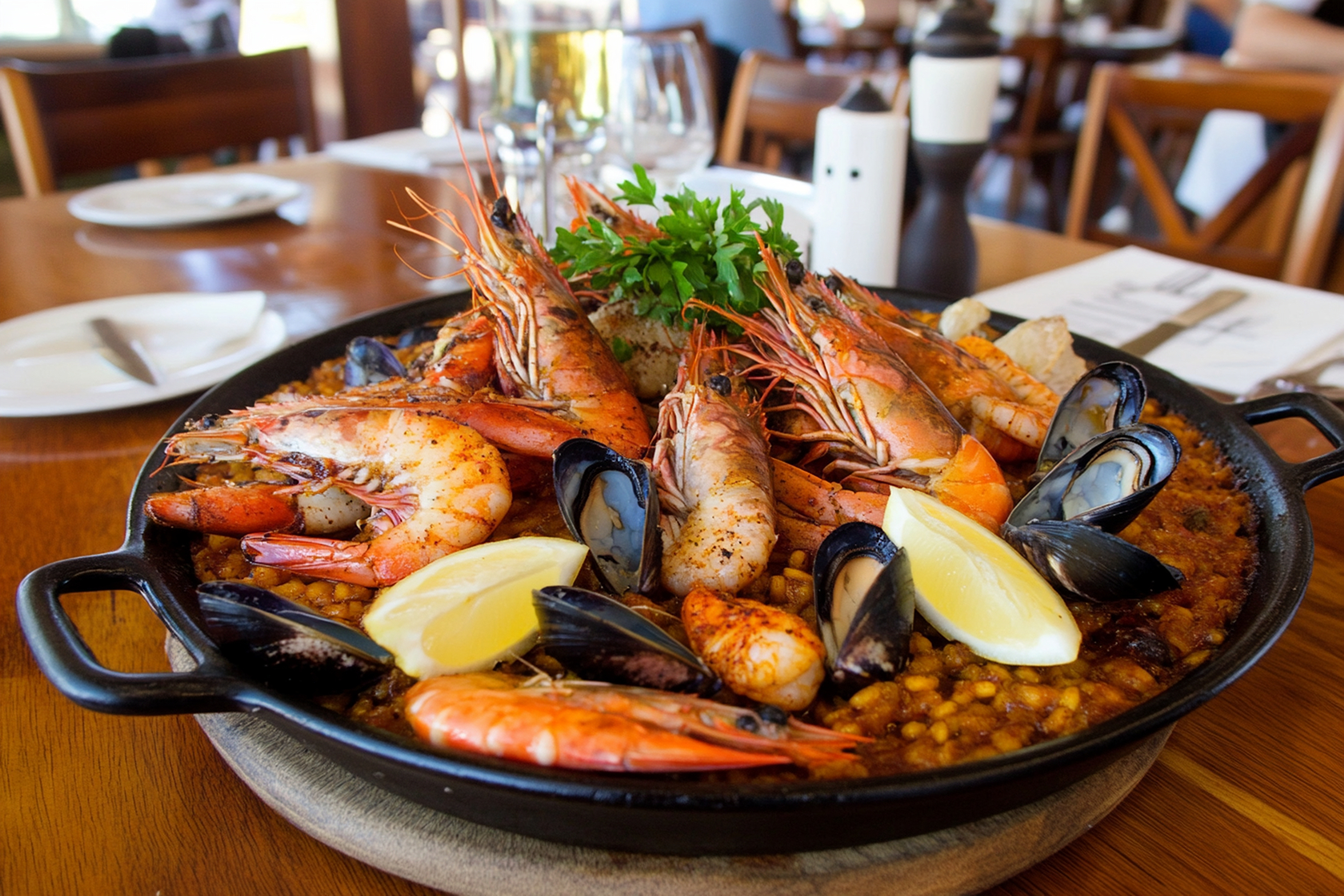
San Sebastián: Pintxo Bars, Fine Dining, and Spain’s Food Capital
Food is woven into daily life in San Sebastián in a way that becomes obvious within a few hours of arriving. Around the Parte Vieja, conversations spill onto the streets from lunchtime onwards. Between Plaza de la Constitución and the Basilica of Saint Mary, people move from one pintxo counter to another, often stopping for only a single bite before continuing down the next street.
The city extends well beyond the Old Town. Along the promenade beside La Concha Beach, cafés and bakeries fill up early, especially on weekends. Across the Urumea River, the Gros neighborhood has built a following of its own, with independent food shops and busy lunch spots drawing a younger crowd. For a city of its size, San Sebastián also has an unusually high concentration of Michelin-starred restaurants.
Mercado de San Martín remains one of the easiest places to understand local ingredients. Seafood counters display the morning catch while vendors sell Idiazabal cheese, cured meats, and seasonal vegetables from nearby farms. By late afternoon, plenty of people are still talking about what they ate earlier while walking up Monte Urgull or leaning against the railings overlooking the bay.
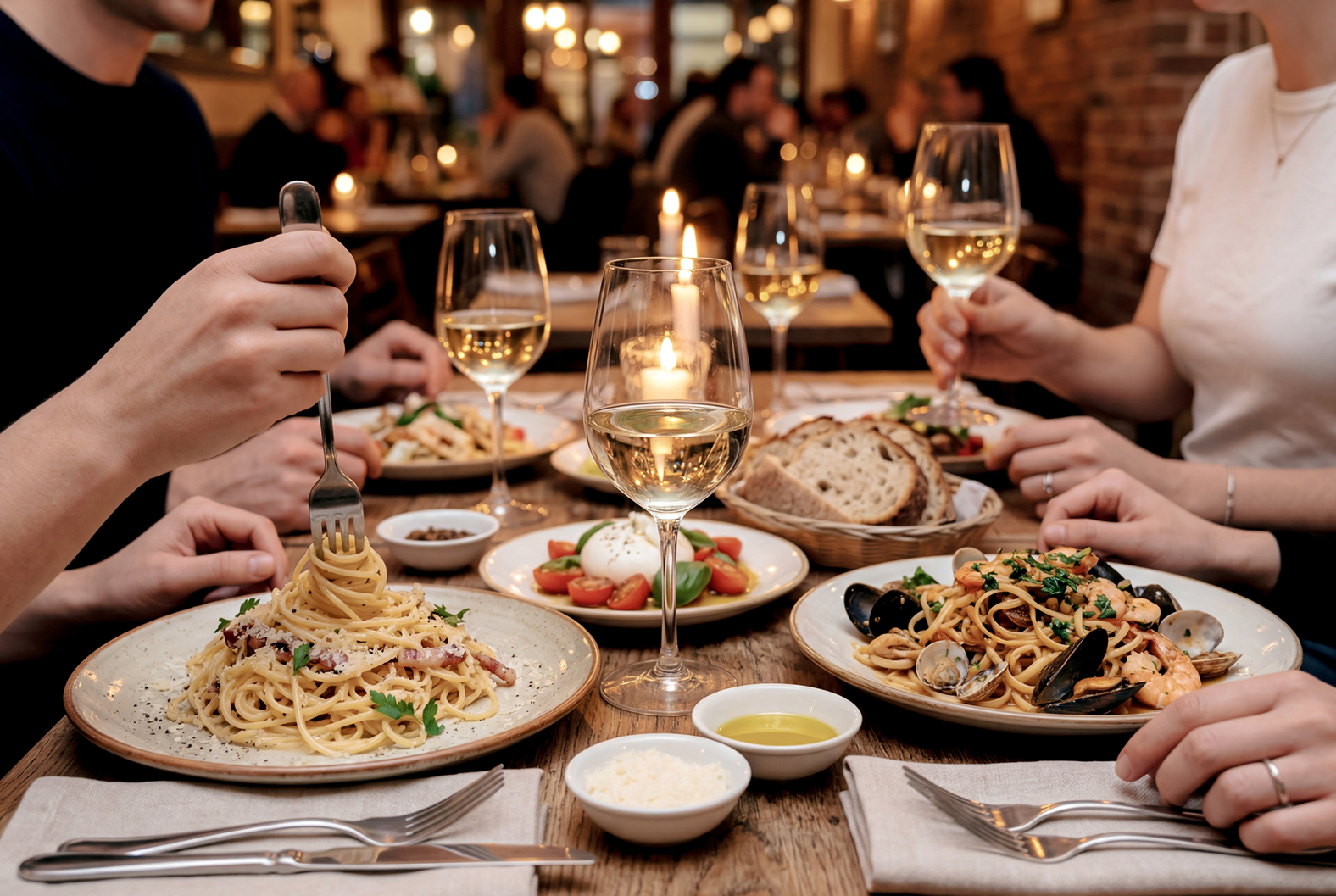
Savannah, Georgia: Italian Restaurants and a Riverside Food Scene
Savannah’s dining scene stretches well beyond the city’s historic squares. River Street remains one of the busiest parts of town, where former cotton warehouses now house restaurants, bars, and shops overlooking the Savannah River. Cargo ships still pass surprisingly close to the waterfront, adding a backdrop that feels uniquely Savannah.
Italian cuisine has established a strong presence throughout the Historic District. Those searching for a distinguished Italian restaurant in Savannah will find several options near the Plant Riverside district and along the streets connecting River Street with City Market. Handmade pasta, brick-oven cooking, fresh seafood, and Southern ingredients frequently appear on menus throughout the area. The riverfront location adds another layer to the experience, particularly during the evening when the promenade fills with people walking between dinner reservations and river views.
A few blocks inland, the atmosphere changes completely. Forsyth Park hosts a popular Saturday farmers’ market where local producers sell vegetables, baked goods, honey, and seasonal products. The surrounding streets of the Victorian District have become increasingly interesting for food lovers willing to wander beyond the busiest tourist areas.
Lyon: Bouchon Restaurants and the Home of French Cuisine
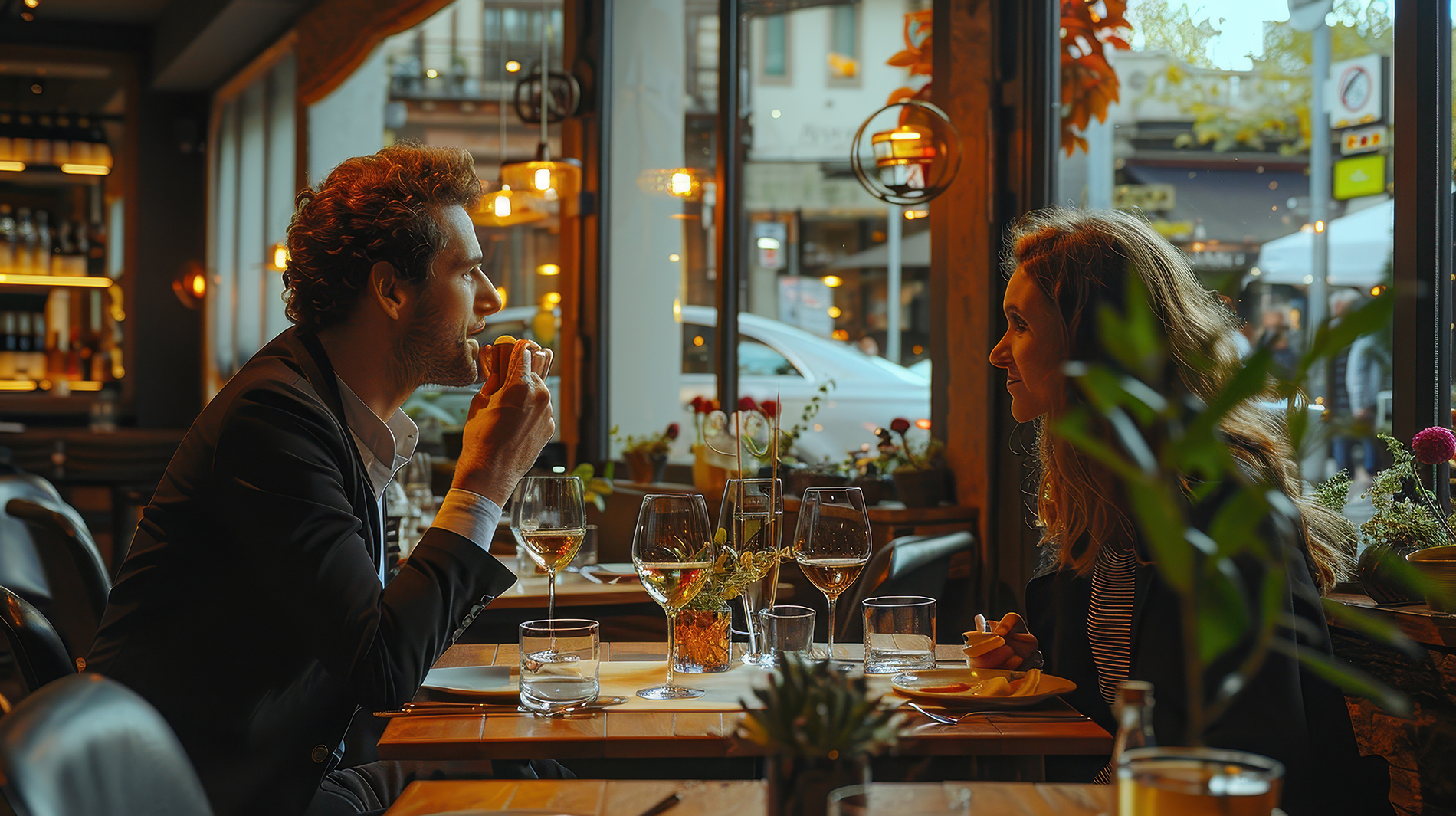
Lyon doesn’t hide its food culture. It appears immediately, whether that’s inside Les Halles de Lyon Paul Bocuse or in the bakery windows scattered around the city center. The covered market remains one of the best places to start, particularly for anyone interested in regional cheeses, charcuterie, pastries, and produce from across eastern France.
The traditional bouchons are another important piece of the city’s identity. Many sit within Vieux Lyon, where narrow passageways and Renaissance buildings create a maze of small streets. Around lunchtime, Rue Saint-Jean becomes particularly busy as office workers, residents, and visitors queue outside dining rooms that have been serving similar dishes for generations.
Elsewhere, food continues to shape everyday life. Market stalls appear along the Rhône and Saône rivers, while Croix-Rousse fills with bakery customers before work. Walking from Place Bellecour toward the river often leads to an unexpected stop for pastries, cheese, or a quick glass of wine. In Lyon, that tends to happen frequently.
Cape Town: Food Markets, Winelands, and Farm-to-Table Dining
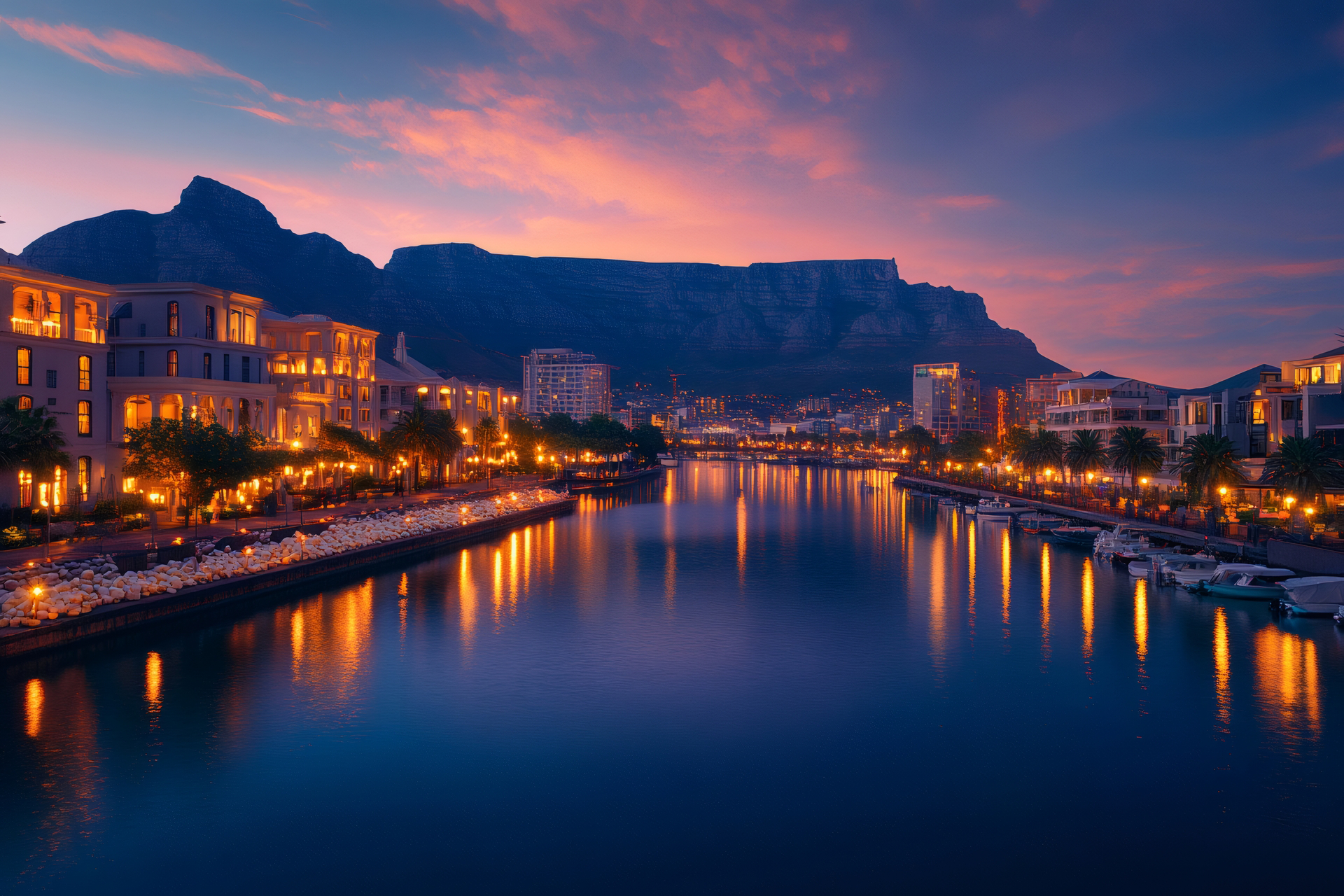
Cape Town covers a lot of ground when it comes to food. The V&A Waterfront attracts plenty of attention, but some of the city’s most interesting dining experiences happen elsewhere. On weekends, Oranjezicht City Farm Market draws residents from across the city. Fresh oysters, baked goods, local produce, and prepared dishes are sold against the backdrop of Table Bay and the harbor.
Outside the city, the Cape Winelands add another layer. Stellenbosch and Franschhoek are packed with vineyards, farm restaurants, and producers focused on seasonal ingredients. The roads winding through the valleys pass historic estates, small towns, and roadside stalls selling fruit during harvest season.
Back in Cape Town itself, Woodstock continues to attract food entrepreneurs and independent businesses. The Old Biscuit Mill remains busy on market days, while nearby streets have become home to bakeries, coffee roasters, and specialty food stores. A morning spent around Woodstock can easily stretch into the afternoon before anyone even reaches Table Mountain or Bo-Kaap.
Which food destination belongs on your radar?
One of the most interesting things about food-focused travel is how differently each destination approaches it. In Saint Martin, conversations often revolve around seafood, island produce, and waterfront dining. San Sebastián turns a simple afternoon snack into something worth planning a day around. Savannah mixes Southern traditions with influences brought in from elsewhere, while Lyon continues to treat food as part of everyday life. Cape Town draws from its surrounding farms, vineyards, and coastal location.
For anyone who enjoys discovering a place through its cuisine, these destinations provide plenty of reasons to arrive hungry. Some meals are planned weeks in advance. Others happen unexpectedly after turning down the right street.