Luxury doesn’t always come with marble bathrooms or a private butler. In some parts of the world, the landscape does most of the work. A road cutting through a desert, a glacier calving into a lake, or a mountain valley with barely a building in sight can leave a stronger impression than any luxurious hotel suite.
A handful of destinations have built their reputation around scenery that dominates the experience from start to finish. Namibia’s dunes seem to stretch forever, Antarctica feels detached from the rest of the planet, and Patagonia’s weather can change before a jacket is zipped. These are places where the view outside the window often becomes the main reason for the trip.
Namibia: Sossusvlei Dunes, the Skeleton Coast, and Etosha on Safari
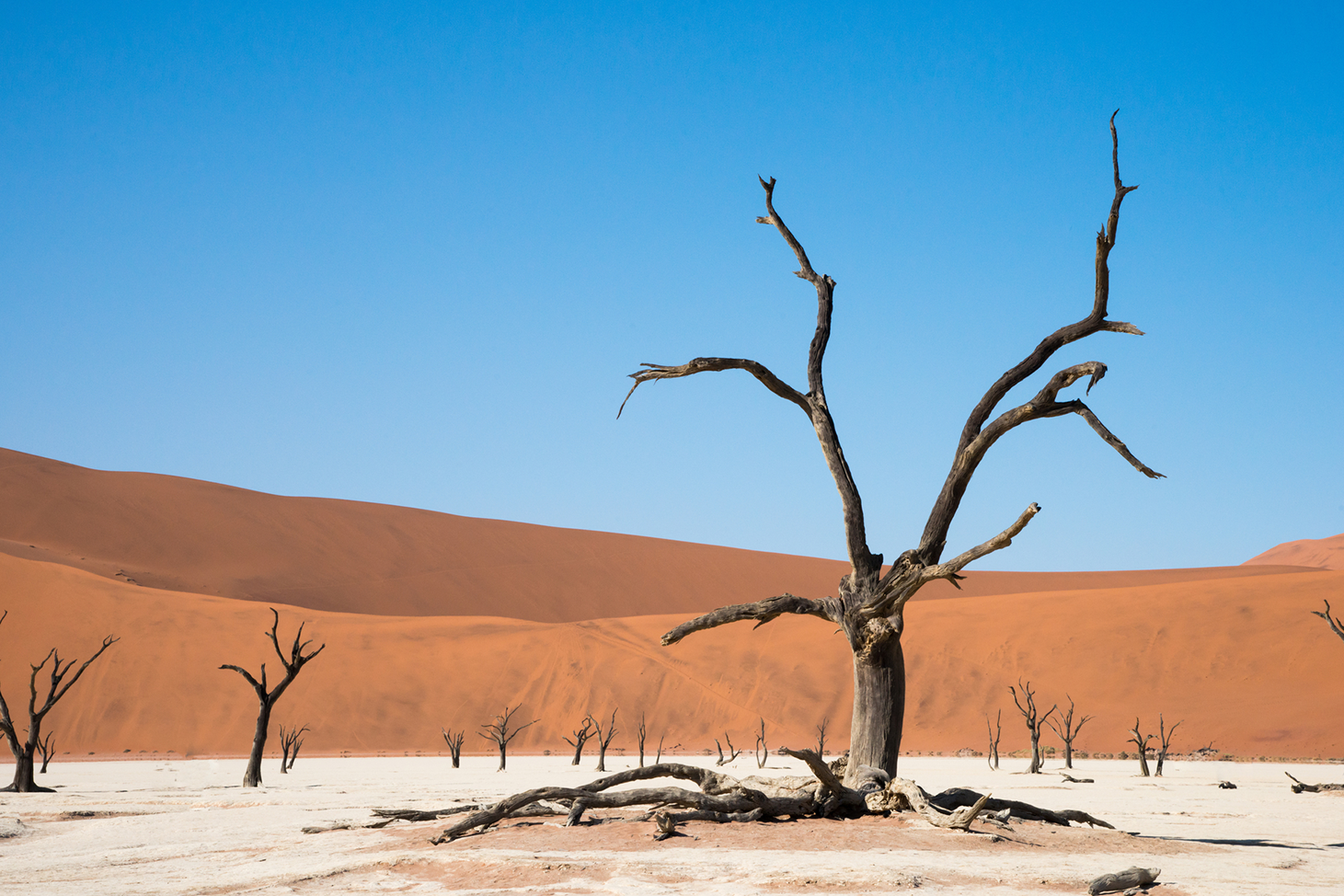
The drive from Windhoek toward the Namib Desert gives a good introduction to the scale of Namibia. Towns become scarce, the roads seem to run endlessly toward the horizon, and eventually the red dunes around Sossusvlei begin to appear. Early mornings are busiest around Dune 45, while Deadvlei fills with photographers trying to capture the contrast between white clay, dark tree skeletons, and rust-coloured sand. Even in peak season, the landscape still feels enormous.
Further west, Swakopmund sits between the Atlantic Ocean and the desert. People stroll along the Mole, browse small shops around Sam Nujoma Avenue, and watch fog roll in from the coast. North of town, the Skeleton Coast becomes increasingly empty. Rusting shipwrecks, seal colonies, and long stretches of beach dominate the scenery.
Part of the appeal of world-class Namibia safari holidays is how many different environments can fit into one itinerary. Travellers often move from the dunes of Sossusvlei to Etosha National Park, where waterholes such as Okaukuejo attract elephants, lions, rhinos, and giraffes throughout the dry season. Many safari routes also include Damaraland, where desert-adapted elephants navigate rocky valleys beneath massive granite outcrops. The contrast between wildlife areas, desert landscapes, and remote coastline is what makes Namibia stand out.
Antarctica: Expedition Cruises Through the Drake Passage
Most Antarctic voyages begin in Ushuaia, where expedition ships line the waterfront beside the Beagle Channel. Avenida San Martín is usually busy with outdoor outfitters, crew members making last-minute purchases, and passengers preparing for departure.
Then comes the Drake Passage. Some crossings are relatively calm. Others quickly remind people why this stretch of water has a reputation. Naturalists, marine biologists, and historians keep passengers occupied between wildlife sightings, while albatrosses often follow the ship for hours.
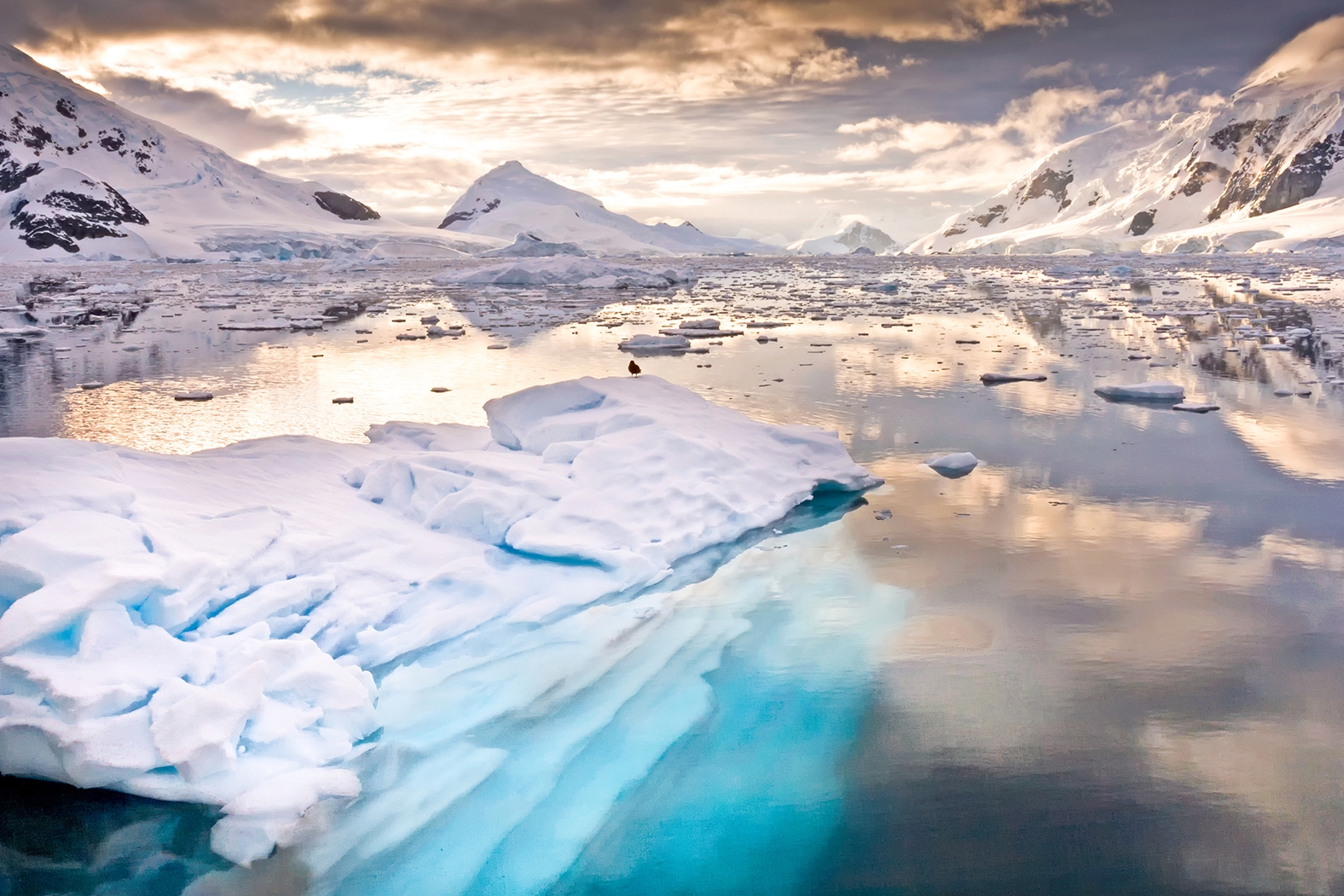
The Antarctic Peninsula feels almost unreal when it first comes into view. Icebergs drift past the ship, glaciers spill into protected bays, and the scale of everything appears larger than expected. Landings at places such as Neko Harbour, Paradise Bay, and Cuverville Island depend entirely on conditions that day. One morning may involve walking past hundreds of gentoo penguins. Another could be spent watching humpback whales surface beside Zodiac boats. Weather dictates almost everything here, including the day’s schedule.
The Norwegian Fjords: Geirangerfjord, Nærøyfjord, and the Flåm Railway by Small Ship
Bergen often serves as the gateway to Norway’s fjord region. Around Bryggen Wharf, narrow lanes weave between old wooden buildings while fishing boats continue to move through the harbour. The nearby Fish Market remains busy from morning onwards, especially during summer when cruise passengers arrive.
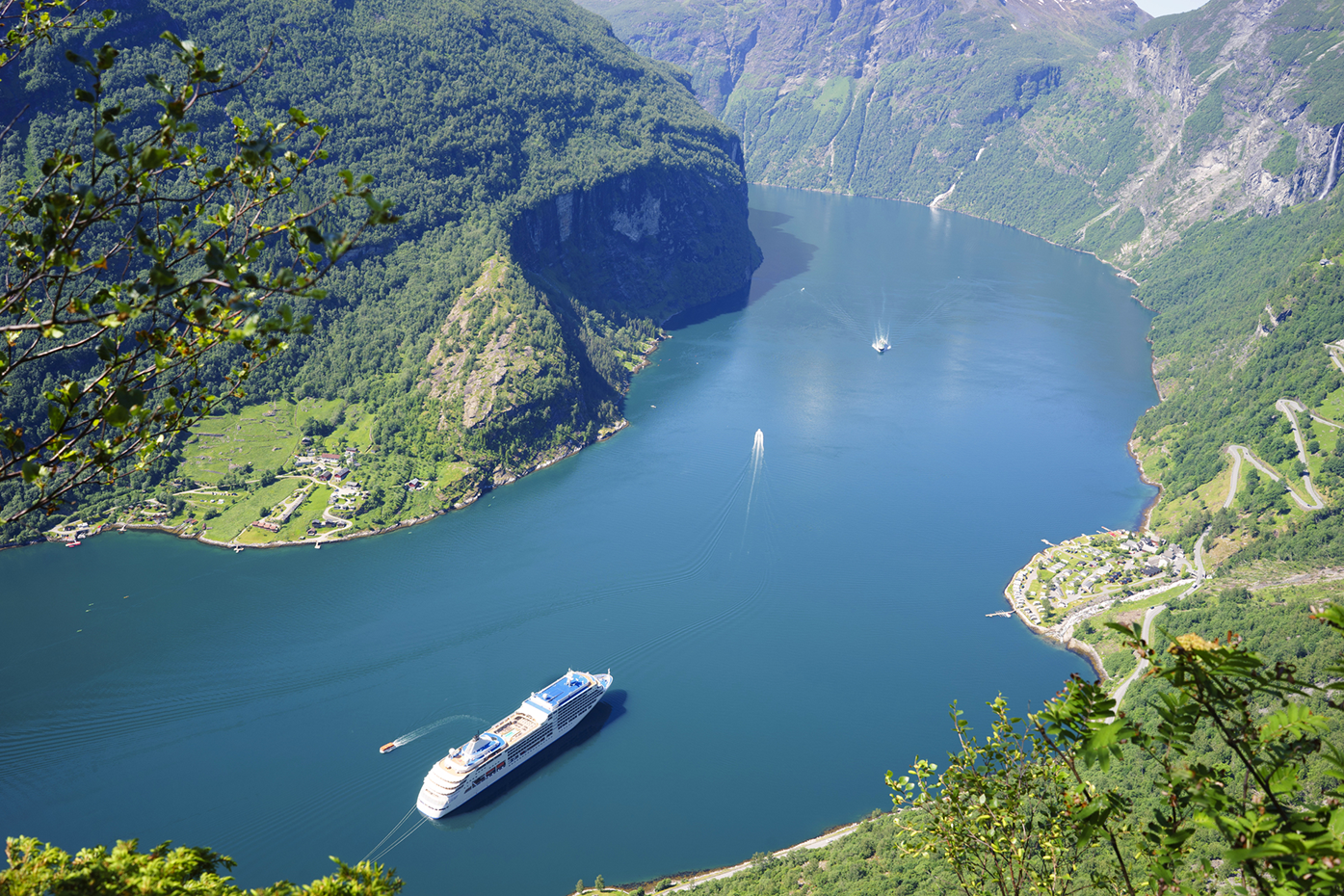
Smaller vessels are particularly well suited to this coastline. In some of the most incredible small ship cruises in Norwegian fjords, the itineraries focus on spending more time inside the fjords themselves. Ships can navigate deep into Geirangerfjord and Nærøyfjord, passing waterfalls such as the Seven Sisters and isolated farms that cling to steep mountainsides. Some itineraries also stop in smaller communities where ferries remain part of everyday life and fishing boats still outnumber tour buses.
The Flåm Railway adds another perspective. The train climbs through steep valleys toward Myrdal, crossing rivers and passing waterfalls that seem to appear without warning. In Geiranger, many people head to Flydalsjuvet for a higher viewpoint over the fjord. Even a short walk can reveal a completely different angle of the landscape.
Patagonia: Torres del Paine and the Perito Moreno Glacier
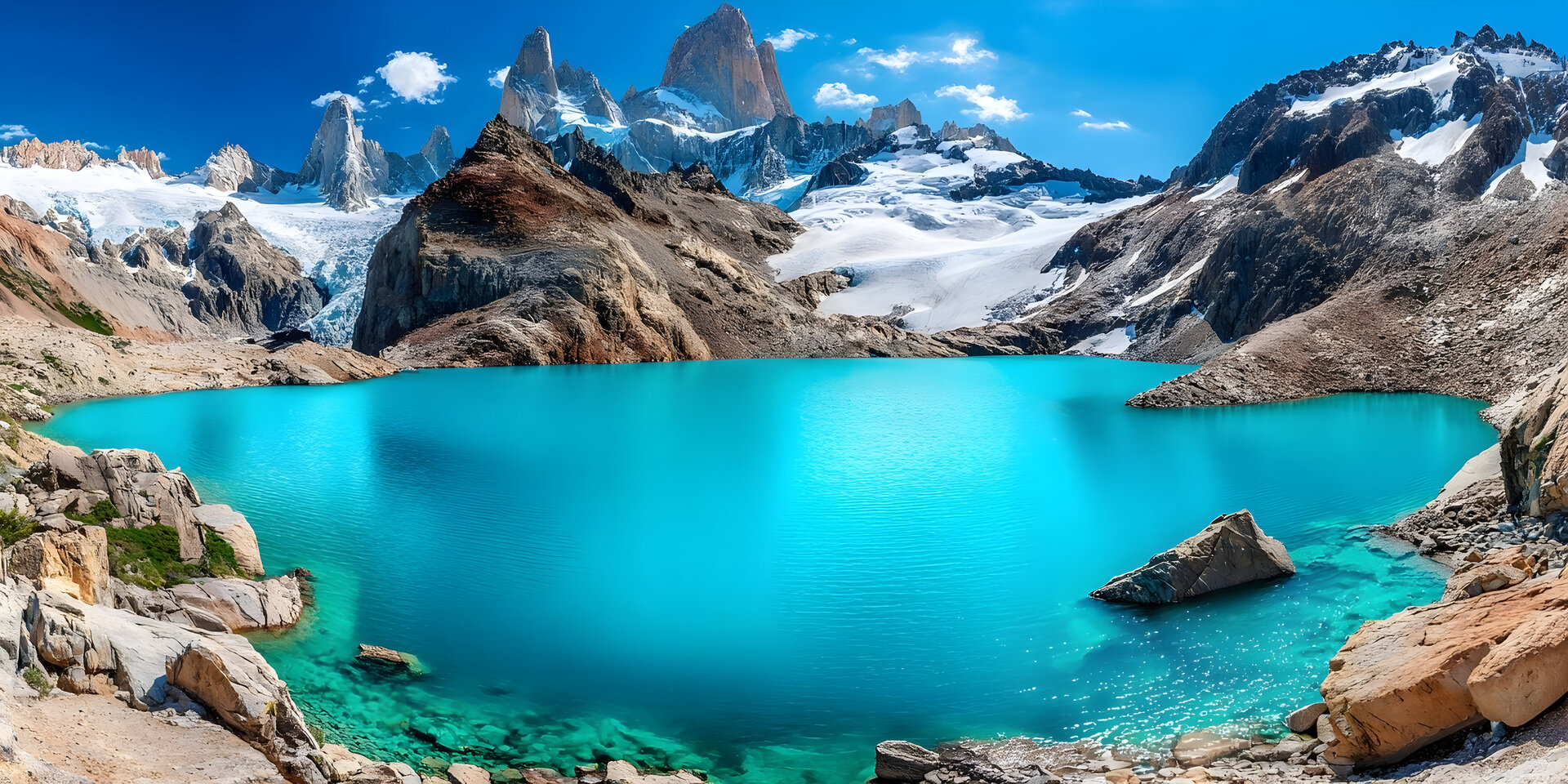
Patagonia covers a huge area, but Torres del Paine often draws the most attention. The granite towers dominate postcards and guidebooks, though the surrounding lakes, rivers, and grasslands deserve just as much attention. Around Lago Pehoé, the changing light can make the mountains look different from one hour to the next.
Conditions are rarely predictable. Wind is a constant presence, and hikers are advised to keep jackets close by. Guanacos graze near trails, foxes occasionally wander through campgrounds, and condors are frequently spotted overhead.
Across the border in Argentina, Perito Moreno Glacier remains one of Patagonia’s most remarkable sights. Boardwalks inside Los Glaciares National Park bring visitors surprisingly close to the ice wall. Every so often, a section breaks away and crashes into Lake Argentino with a sound that echoes across the water. Back in El Calafate, Avenida del Libertador serves as the town’s main thoroughfare, where hiking gear shops sit alongside bakeries and small markets supplying visitors heading into the national parks.
Bhutan: Punakha Valley, Tiger’s Nest, and High-Altitude Trekking
Bhutan’s mountain setting shapes nearly every aspect of daily life. In Thimphu, traditional buildings still dominate much of the city centre, and Norzin Lam remains the busiest street for shopping, government offices, and everyday errands, though there are plenty of off-beat things to do.
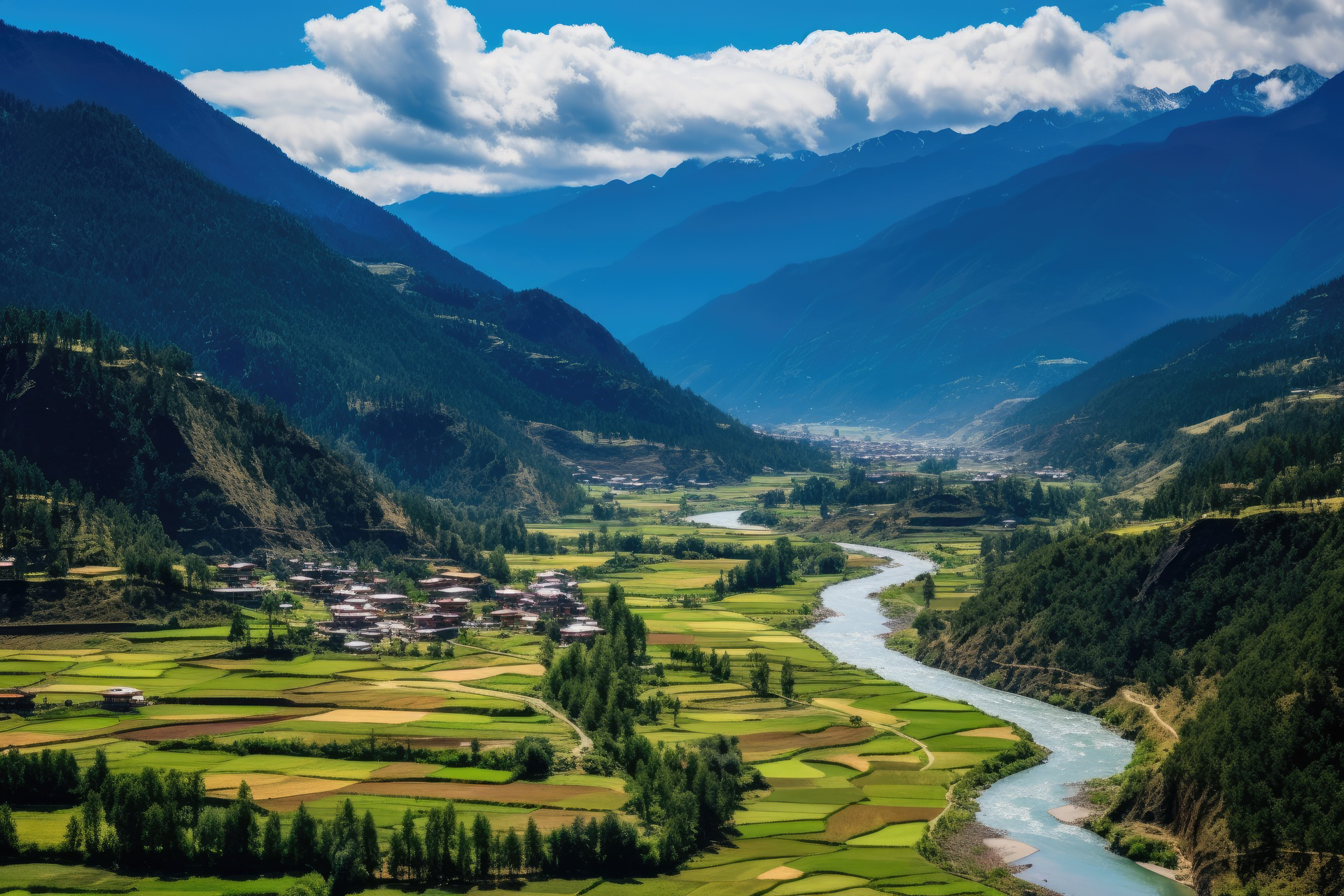
Punakha Valley feels noticeably greener. Rice fields spread across the valley floor while Punakha Dzong stands beside the meeting point of the Pho Chhu and Mo Chhu rivers. During spring, jacaranda blossoms add flashes of purple around the monastery grounds. Suspension bridges span rivers, connecting small settlements and farmland.
Paro Taktsang, better known as Tiger’s Nest Monastery, sits high above the valley on a cliff face that appears almost impossible to reach. The trail climbs steadily through pine forests and prayer flags before reaching viewpoints overlooking the monastery itself. Travellers continuing into Bhutan’s higher mountains encounter remote valleys, yak pastures, and mountain passes rising above 16,000 feet. Some trekking routes pass through villages where stone houses and Buddhist shrines are still part of daily life.
Which wilderness adventure calls to you?
Some journeys are remembered because of a particular hotel or city. Others stay memorable because the landscape remains present every day, whether that’s a desert sunrise in Namibia, drifting ice in Antarctica, or a glacier crashing into a Patagonian lake.
The destinations here share very little geographically, yet they all place nature at the centre of the experience. A traveller might spend the morning watching wildlife gather around an Etosha waterhole, stand on a ship deck in Geirangerfjord later in the year, or hike toward Tiger’s Nest beneath Bhutan’s mountains. The scenery isn’t something encountered between attractions. In these places, it is the attraction.