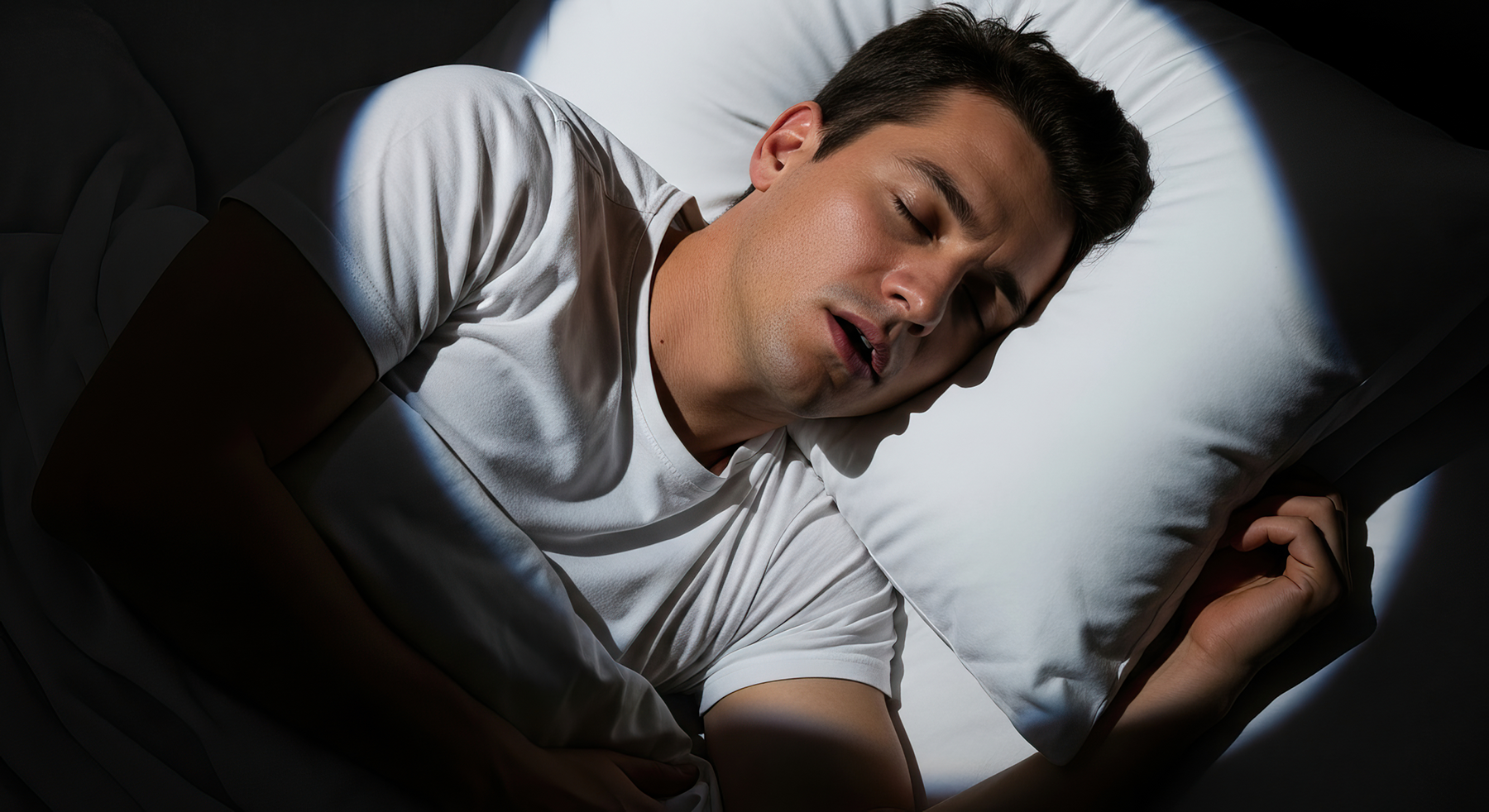
Obstructive sleep apnea, also spelled obstructive sleep apnoea, is a sleep-related breathing condition where the upper airway repeatedly narrows or becomes blocked during sleep. These breathing disruptions may reduce sleep quality and cause symptoms during both the night and day.
Many people do not realise they may have obstructive sleep apnea because symptoms occur while they are asleep. A bed partner or family member may be the first person to notice loud snoring, breathing pauses, gasping, or restless sleep.
Not everyone who snores has obstructive sleep apnea. However, snoring with breathing pauses, choking sounds, morning headaches, or daytime sleepiness should be assessed.
What Is Obstructive Sleep Apnea?
Obstructive sleep apnea occurs when the muscles and soft tissues around the throat relax during sleep and narrow the airway. When airflow is reduced or blocked, breathing may pause briefly. The brain may then partially wake the person so breathing can resume.
These repeated disruptions can affect sleep quality, oxygen levels, and daytime alertness. Some people wake up during these episodes, while others remain unaware that their sleep has been disrupted.
Obstructive sleep apnea can range from mild to severe. Diagnosis usually requires a sleep assessment or sleep study.
Why Obstructive Sleep Apnea Can Be Missed
Obstructive sleep apnea can be missed because symptoms are often mistaken for normal snoring, stress, poor sleep habits, or tiredness from work. Some people may not remember waking up at night. Others may feel sleepy during the day but assume it is due to a busy schedule.
Signs may also appear gradually. A person may adapt to poor sleep and not realise that daytime tiredness, morning headaches, poor concentration, or mood changes are linked to disrupted breathing during sleep.
This is why feedback from a bed partner, family member, or sleep recording can be helpful during assessment.
1. Loud, Persistent Snoring
Loud snoring is one of the symptoms commonly linked to obstructive sleep apnea. The sound may be caused by vibration of soft tissues when airflow is narrowed during sleep.
Snoring may be concerning if it is:
- Loud enough to disturb others
- Present on many nights
- Interrupted by silence or pauses
- Followed by gasping or choking sounds
- Worse when sleeping on the back
- Linked to daytime tiredness
- Associated with morning headaches or dry mouth
Simple snoring can happen without obstructive sleep apnea. However, loud snoring with breathing pauses or daytime symptoms should be assessed.
2. Pauses in Breathing During Sleep
A bed partner may notice that breathing stops briefly during sleep. These pauses may be followed by snorting, gasping, choking, or sudden movement.
The person experiencing the breathing pauses may not be aware of them. In some cases, they may wake briefly feeling startled, breathless, or uncomfortable.
Witnessed breathing pauses are an important reason to seek medical assessment, especially when they happen repeatedly or are associated with poor sleep quality.
3. Gasping or Choking During Sleep
Some people with obstructive sleep apnea wake up gasping, choking, or feeling short of breath. This may happen when the airway reopens after a breathing disruption.
This symptom may feel alarming and may be associated with:
- Sudden waking
- Fast heartbeat
- Dry mouth
- Throat discomfort
- Restless sleep
- Anxiety about sleeping
Repeated gasping or choking during sleep should be assessed, particularly if it occurs with loud snoring or daytime sleepiness.
4. Excessive Daytime Sleepiness
Obstructive sleep apnea can disrupt sleep repeatedly during the night. Even if a person spends enough hours in bed, the sleep may not be restful.
Daytime symptoms may include:
- Feeling sleepy during meetings
- Falling asleep while reading or watching television
- Feeling tired despite a full night in bed
- Needing naps frequently
- Reduced alertness while driving
- Feeling unrefreshed on waking
- Struggling to stay awake in quiet situations
Daytime sleepiness can affect work, school, driving, caregiving, and daily safety. Falling asleep while driving or operating machinery should be treated as a serious warning sign.
5. Morning Headaches
Morning headaches may occur in some people with obstructive sleep apnea. These headaches may be linked to disrupted breathing, sleep fragmentation, or changes in oxygen and carbon dioxide levels during sleep.
Morning headaches may be concerning if they:
- Happen frequently
- Occur with loud snoring
- Occur with dry mouth
- Improve later in the day
- Are associated with daytime tiredness
- Occur with witnessed breathing pauses
An ENT doctor can assess whether headaches may be related to sleep, sinus issues, blood pressure, medication, or other causes.
6. Dry Mouth or Sore Throat on Waking
People with obstructive sleep apnea may breathe through the mouth during sleep, especially if nasal blockage is present. This can lead to dry mouth, sore throat, or throat irritation on waking.
Possible contributing factors include:
- Blocked nose
- Allergic rhinitis
- Deviated nasal septum
- Enlarged turbinates
- Snoring
- Mouth breathing during sleep
- CPAP mask leak, if already on treatment
Persistent dry mouth with snoring or daytime sleepiness may be worth discussing during assessment.
7. Restless or Broken Sleep
Obstructive sleep apnea may cause sleep to feel restless or fragmented. A person may toss and turn, wake frequently, or feel that sleep is light and disturbed.
Symptoms may include:
- Waking several times at night
- Restless movements during sleep
- Sweating during sleep
- Difficulty staying asleep
- Waking with a racing heartbeat
- Feeling unrefreshed in the morning
Some people also wake to pass urine during the night. This can have several causes, but if it occurs with snoring and daytime tiredness, obstructive sleep apnea may be considered during assessment.
8. Poor Concentration and Memory Issues
Poor sleep quality can affect daytime thinking and attention. Some people with obstructive sleep apnea may notice changes in concentration, memory, mood, or work performance.
Symptoms may include:
- Difficulty focusing
- Forgetfulness
- Slower thinking
- Reduced productivity
- Irritability
- Low mood
- Morning grogginess
- Reduced motivation
These symptoms can overlap with stress, anxiety, depression, medication effects, and other medical conditions. Sleep-related breathing issues should be considered if they occur with snoring or breathing pauses.
9. Mood Changes
Sleep disruption can affect emotional regulation. Some people with obstructive sleep apnea may feel irritable, anxious, low in mood, or less patient during the day.
Mood changes alone do not confirm sleep apnea. However, mood symptoms combined with loud snoring, daytime sleepiness, and unrefreshing sleep should prompt a discussion with a doctor.
10. High Blood Pressure or Heart-Related Concerns
Obstructive sleep apnea may be associated with high blood pressure and cardiovascular strain. Some patients are assessed for sleep apnea because blood pressure is difficult to control or because there are other heart-related concerns.
A doctor may ask about sleep symptoms if a patient has:
- High blood pressure
- Irregular heart rhythm
- Morning headaches
- Daytime sleepiness
- Loud snoring
- Witnessed breathing pauses
- Weight-related risk factors
Patients with known heart or blood pressure conditions should discuss sleep symptoms with their doctor.
11. Risk Factors That May Increase Suspicion
Obstructive sleep apnea can affect adults and children, but certain factors may increase the likelihood.
Risk factors may include:
- Loud snoring
- Excess body weight
- Larger neck circumference
- Narrow upper airway
- Enlarged tonsils
- Nasal obstruction
- Alcohol intake before sleep
- Sedative medication use
- Sleeping on the back
- Family history of sleep apnea
- Male sex
- Increasing age
- Jaw or facial structure that narrows the airway
Having a risk factor does not mean someone has obstructive sleep apnea. However, risk factors combined with symptoms may support further assessment.
Obstructive Sleep Apnea in Children
Children can also develop obstructive sleep apnea. Symptoms may look different from adult symptoms.
Parents may notice:
- Loud snoring
- Mouth breathing
- Restless sleep
- Pauses in breathing
- Gasping during sleep
- Bedwetting
- Daytime tiredness
- Behavioural changes
- Poor concentration
- Hyperactivity
- Morning headaches
- Difficulty waking
- Enlarged tonsils or adenoids
Children who snore frequently or have breathing pauses during sleep should be assessed. Paediatric symptoms may affect sleep quality, behaviour, learning, and daytime function.
How Obstructive Sleep Apnea Is Assessed
Assessment usually begins with a discussion of symptoms, sleep habits, medical history, medication use, nasal symptoms, snoring pattern, and daytime function.
The doctor may ask about:
- Snoring frequency
- Witnessed breathing pauses
- Gasping or choking during sleep
- Daytime sleepiness
- Morning headaches
- Blood pressure history
- Nasal blockage
- Alcohol use
- Weight changes
- Sleep position
- Work or driving-related sleepiness
An examination may include checking the nose, mouth, throat, tonsils, jaw, tongue position, neck, and blood pressure. If obstructive sleep apnea is suspected, a sleep study may be recommended.
What Is a Sleep Study?
A sleep study records breathing and other body signals during sleep. It can help confirm whether obstructive sleep apnea is present and assess severity.
A sleep study may measure:
- Breathing patterns
- Oxygen levels
- Snoring
- Heart rate
- Sleep position
- Breathing pauses
- Sleep stages, depending on the test type
Some patients may have a home-based sleep test, while others may need an overnight test in a sleep centre or hospital setting. The choice depends on symptoms, medical history, and the doctor’s assessment.
Treatment Options
Treatment depends on severity, symptoms, anatomy, medical conditions, and patient preference.
Options may include:
- Weight management advice, where relevant
- Sleeping position changes
- Avoiding alcohol close to bedtime
- Reviewing sedative medication with a doctor
- Treating nasal blockage
- Managing allergic rhinitis
- CPAP therapy
- Oral appliance therapy in selected patients
- ENT procedures or surgery in selected cases
- Treatment of enlarged tonsils or adenoids in children, where clinically suitable
CPAP therapy is commonly used for obstructive sleep apnea. It delivers air pressure through a mask to help keep the airway open during sleep. Oral appliances or surgery may be considered in selected patients after assessment.
When Should You Seek Medical Advice?
You should consider medical assessment if you have:
- Loud snoring on many nights
- Witnessed breathing pauses
- Gasping or choking during sleep
- Excessive daytime sleepiness
- Morning headaches
- Waking with dry mouth
- Poor concentration
- High blood pressure with snoring
- Restless sleep
- Reduced alertness while driving
- Child snoring with restless sleep or breathing pauses
Seek prompt advice if sleepiness affects driving, work safety, or daily responsibilities.
Questions to Ask Your Doctor
Patients may wish to ask:
- Could my symptoms be due to obstructive sleep apnea?
- Do I need a sleep study?
- Can nasal blockage be contributing to my snoring?
- What does my sleep study result mean?
- Is my condition mild, moderate, or severe?
- What treatment options are suitable?
- Is CPAP recommended in my case?
- Could an oral appliance help?
- Is surgery suitable for my airway anatomy?
- What happens if sleep apnea is not treated?
- How will treatment response be monitored?
- What costs should I expect?
- Can insurance or MediSave apply if a procedure is needed?
These questions can help patients understand the diagnosis and next steps.
Signs of obstructive sleep apnea may include loud snoring, witnessed breathing pauses, gasping or choking during sleep, daytime sleepiness, morning headaches, dry mouth, restless sleep, poor concentration, mood changes, and high blood pressure.
Not everyone who snores has obstructive sleep apnea, but snoring with breathing pauses or daytime symptoms should be assessed. A sleep study may be recommended to confirm the diagnosis and guide treatment.
Patients in Singapore should seek medical advice if sleep symptoms affect daily function, alertness, driving, blood pressure, or family members’ sleep. Children who snore frequently or have breathing pauses during sleep should also be assessed.
This article is for general information only and should not replace medical advice from a qualified healthcare professional.
FAQ
What are the signs of obstructive sleep apnea?
Signs may include loud snoring, breathing pauses during sleep, gasping or choking, daytime sleepiness, morning headaches, dry mouth, poor concentration, mood changes, and restless sleep.
Does snoring always mean obstructive sleep apnea?
No. Some people snore without having obstructive sleep apnea. However, loud snoring with breathing pauses, gasping, choking, or daytime sleepiness should be assessed.
How is obstructive sleep apnea diagnosed?
Diagnosis usually involves a medical assessment and a sleep study. A sleep study can record breathing patterns, oxygen levels, snoring, and breathing pauses during sleep.
Can obstructive sleep apnea affect daytime function?
Yes. It may cause daytime sleepiness, poor concentration, reduced alertness, irritability, and unrefreshing sleep. It may also affect driving safety in some people.
Can children have obstructive sleep apnea?
Yes. Children may have snoring, mouth breathing, restless sleep, breathing pauses, behavioural changes, poor concentration, or daytime tiredness. Enlarged tonsils or adenoids may be involved.
When should I seek medical advice for possible sleep apnea?
Seek medical advice if you have loud snoring with breathing pauses, gasping, choking, daytime sleepiness, morning headaches, high blood pressure, or reduced alertness while driving.