The way people live and work has changed dramatically in recent years. With remote work becoming more common, apartments are no longer just places to sleep and relax. They are evolving into hybrid spaces where living and working happen side by side.
Developers and property managers are now redesigning apartments to support productivity, flexibility, and comfort for remote workers. Read on.
The Rise of Remote and Hybrid Work
One of the biggest drivers of this transformation is the rise of remote and hybrid work. Many employees no longer go to the office every day, and some do not go at all. This shift has created a need for dedicated workspaces at home.
However, traditional apartments were not designed with long hours of work in mind. Dining tables and sofas are not ideal for productivity, especially over extended periods. As a result, tenants are demanding better solutions, and apartment developers are responding quickly.
Dedicated Co-Working Areas Inside Buildings
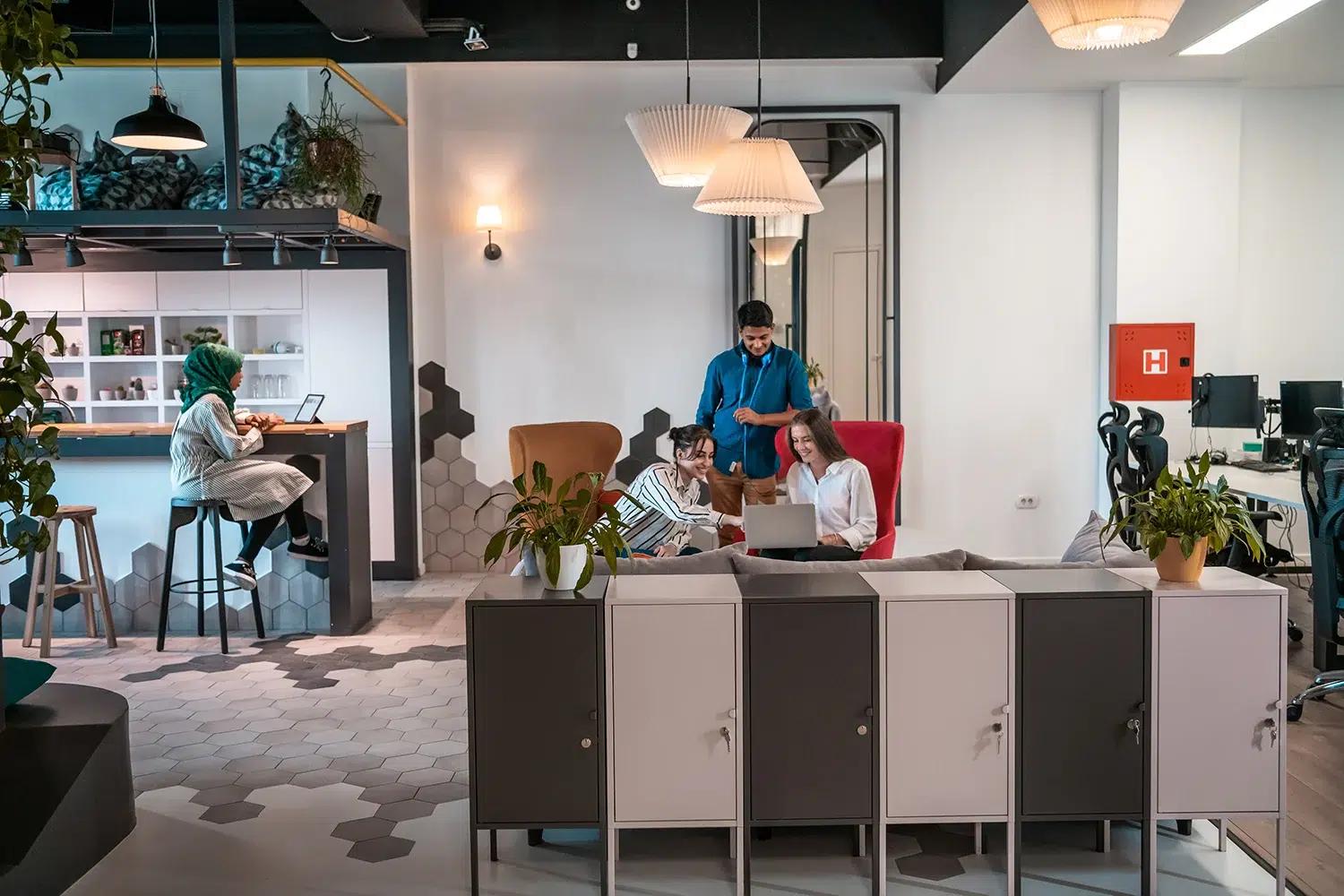
Modern apartment complexes are now including co-working lounges as standard amenities. These spaces are designed like professional offices, with ergonomic chairs, desks, meeting rooms, and high-speed internet. Some even offer private pods for video calls and quiet focus zones for deep work.
Instead of working inside a small unit, residents can simply walk downstairs to a fully equipped workspace. This setup improves work-life separation while still offering convenience.
Apartment Units Designed for Work
It’s not just shared spaces that are changing; individual apartments are also being redesigned. New layouts often include:
- Built-in desks or study corners
- Better lighting for video calls
- Soundproof walls or quiet zones
- Flexible furniture
Some newer units are slightly larger, allowing tenants to dedicate a specific area for work without sacrificing living space.
Technology-Driven Work Environments
Smart technology is also playing a major role in this transformation. Many apartment buildings now offer:
High-speed fiber internet is a standard feature. App-based room booking systems for meeting spaces.
Smart access control for co-working areas. Video conferencing-friendly rooms with built-in screens and audio systems.
These features help residents work efficiently without needing to leave their building.
Community and Networking Benefits
Co-working-friendly apartments also encourage social interaction and networking. Residents often meet other professionals, freelancers, and entrepreneurs in shared spaces.
This creates opportunities for collaboration and community building, which can reduce the isolation that sometimes comes with remote work. Some buildings even host workshops, networking events, or skill-sharing sessions to strengthen the community feel. Check out the luxury apartments in Athens, GA, to learn more.
The Future of Apartment Living
As remote work continues to grow, the line between home and office will keep blurring. Apartments will likely become even more flexible, with modular spaces that can easily shift from living to working modes.
Developers who understand this shift are already leading the market by offering lifestyle-focused housing rather than just living space. In the future, choosing an apartment may not just be about location or size. It will also be about how well it supports your work life.
Invest in Your Future
Apartments are no longer just personal living spaces. They are becoming fully integrated environments that support both productivity and comfort.
With co-working lounges, smart technology, and flexible designs, modern apartments are adapting to the needs of today’s remote workforce. This transformation is reshaping urban living and redefining what it means to “work from home.”
If you want to read more articles, visit our blog.