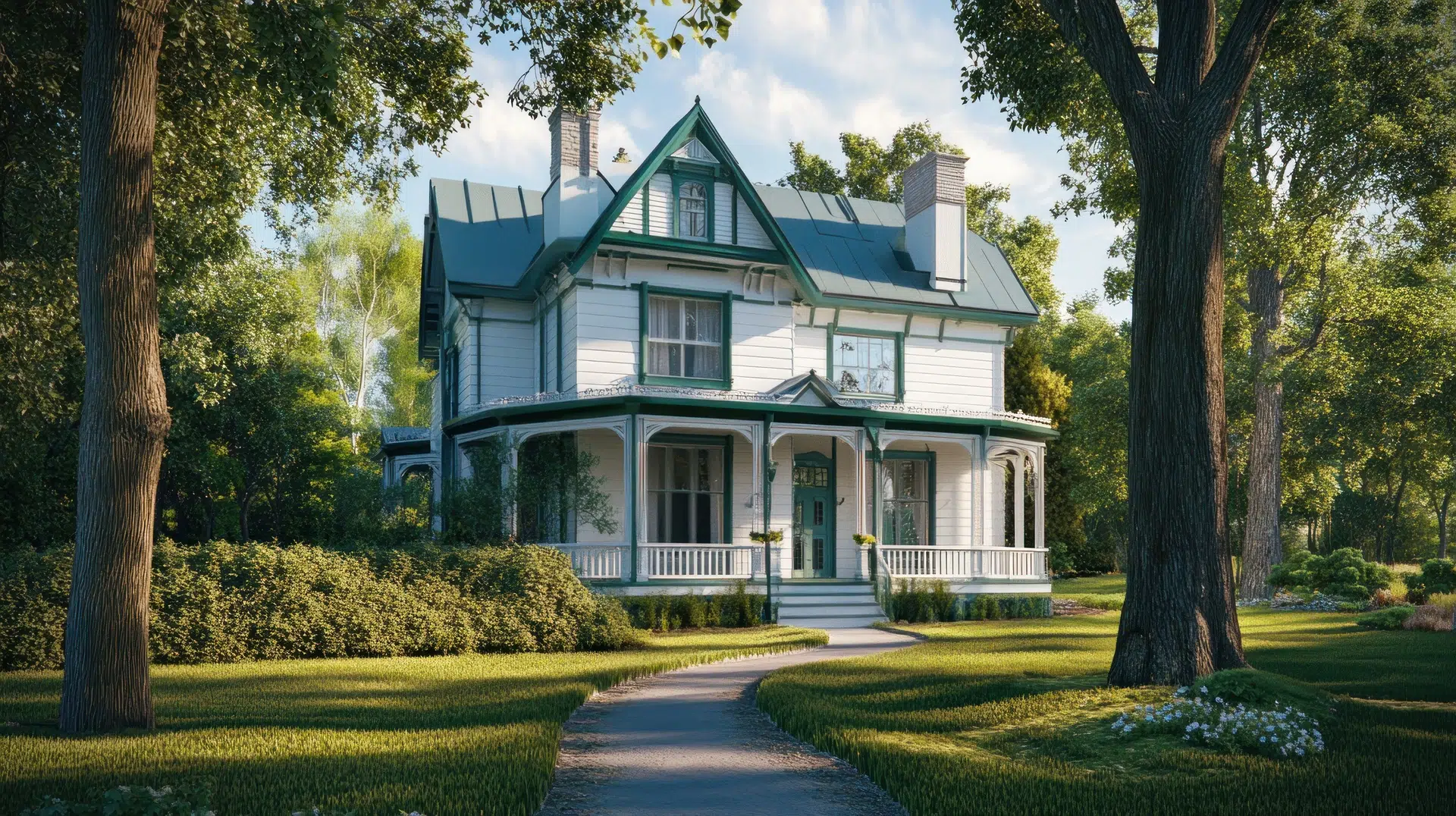
High-end residences face distinct risks when severe emergencies strike custom builds and historic estates. Restoring custom wood and special materials takes careful planning. Experienced teams guide homeowners through each phase of restoration to protect the investment.
Save the Look and Craftsmanship
Custom homes have rare woods and imported stone, and these special features need skilled handling. If you need fire damage restoration in Oregon, you must hire experts who save original craftwork. Good salvage methods save details, save time, and keep your home’s value.
Restoring fine finishes needs controlled drying and gentle cleaning. Technicians remove soot or water marks without ruining old plaster. Extra care keeps your luxury spaces beautiful.
Custom millwork and carved trim need delicate fixes, not full replacement. Workers use special solvents and polishing compounds. They pull deep stains out of the wood grain. Treating original materials with care keeps the home’s true character.
Check the Damage with Care
A quick check stops small cracks from becoming big safety problems. Teams use thermal cameras and moisture meters to inspect frames and roofs and look at concrete bases. A thorough check guides the whole repair process.
Engineers check how heat and water affect hidden beams. They map all walls and ceilings digitally before starting. Managers get digital reports with clear steps and cost estimates. Good records keep the project on time.
Control Air Quality and Hidden Risks
Disasters leave hidden dangers in walls and air systems. Smoke, mold, and chemicals can ruin indoor air fast. Commercial air scrubbers and ozone machines clean the air in large spaces. Here are some steps to fix indoor air:
- HEPA filters catch particles in the air
- Thermal fogging removes smells from walls
- Desiccant dehumidifiers dry out wood floors
- Duct cleaning clears dirt from the HVAC system
Moisture meters check humidity inside walls to stop mold from growing behind custom finishes. Special drying panels pull water from studs without tearing out drywall. Watching these conditions keeps your air healthy long after repairs end.
Find Rare Materials and Skilled Workers
Rebuilding luxury homes means buying rare materials from other countries. Master carpenters, stone masons, and glass makers must work on the same schedule. Good project managers coordinate these trades to avoid delays.
Contractors make a detailed list of damaged items: they move art, antique lights, and custom cabinets to off-site shops for repair. Each piece gets a unique plan based on its age. Good records make sure every item returns to its right spot.
Artisans match old paint colors, wood stains, and plaster finishes and make new sections blend in with the old ones. Hand-crafted details take extra time and special tools. Keeping the finish uniform across all rooms preserves the home’s market value.
Plan for the Future to Lower Risks
High-value homes benefit from custom emergency plans. Install smart water shut-off valves, use fire-resistant outside walls, and add backup power systems. These steps lower your risk of future disasters.
Check your property often. Find hidden weak spots before storms or electrical issues cause big losses. Upgrade security systems and improve roof drains and fire suppression. Smart risk management protects fine homes for the next generation.
Restoring Luxury, Preserving Lasting Value
Recovering from an emergency takes time, skill, and planning. Work with experienced professionals, as they will protect your home’s architectural value and give you peace of mind. With proper care, exceptional homes can survive any challenge and remain timeless assets. Check out our website for more lifestyle tips.