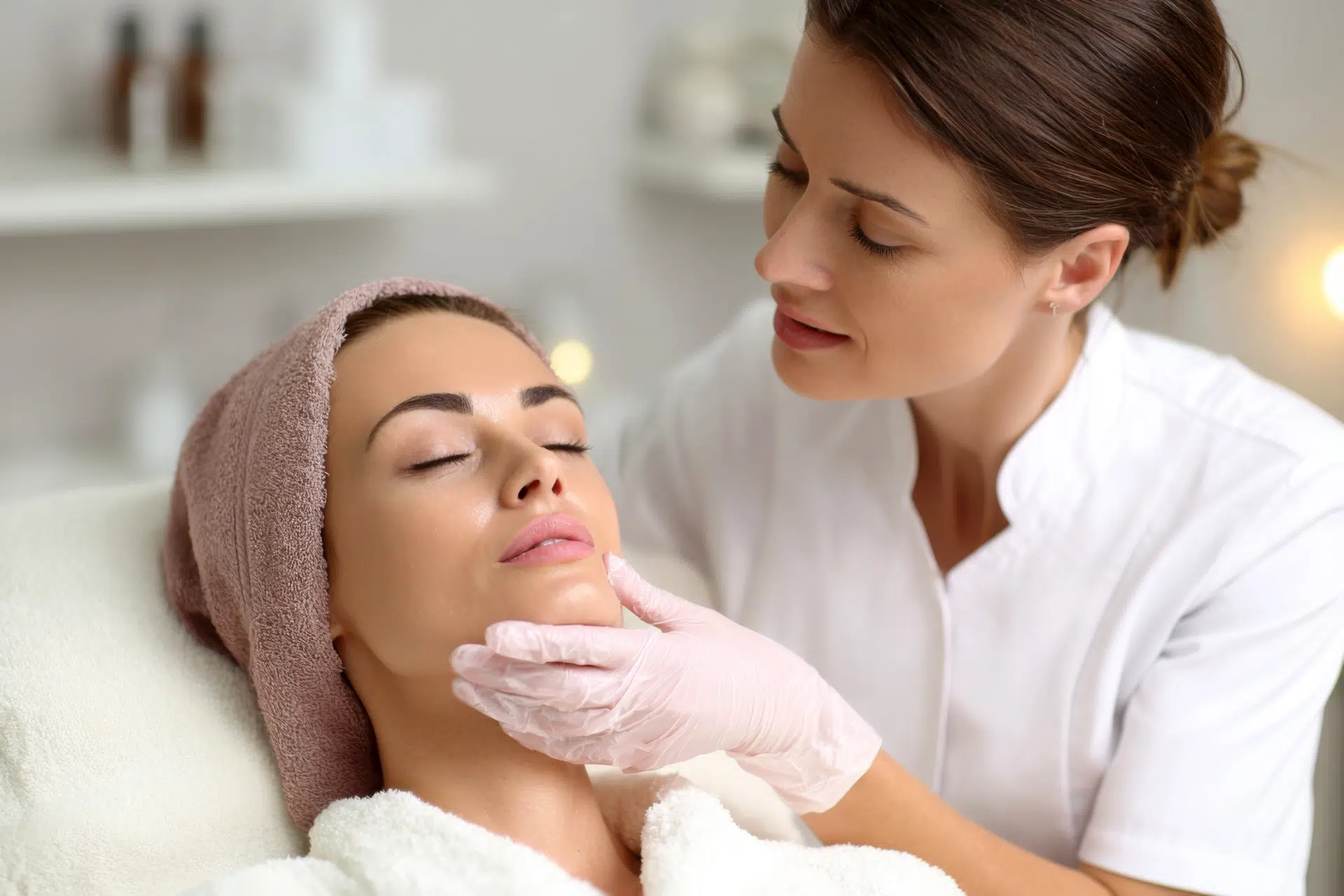
A facial can leave your skin feeling fresh and smooth—but the same treatment does not work equally well for everyone. Skin type, hydration, oil production, sensitivity, and pigmentation levels may differ among individuals.
This is why it is essential to have a good skin assessment prior to selecting a facial treatment. Skin analysis provides a more accurate insight into the skin condition under the skin surface and allows practitioners to choose the most appropriate treatments and products for the client rather than guesswork.
The use of modern technology can make this process even more useful to the skin care professional. A Skin Analysis Machine can offer visual information on various aspects of the skin and aid the practitioner in creating more individualized therapies.
What Is Skin Analysis?
Skin analysis is an evaluation of the skin to determine its visible and measurable features. Such a professional may consider factors like:
- Skin type and oil production
- Hydration levels
- Fine lines and wrinkles
- Uneven skin tone and pigmentation
- Enlarged pores
- Acne and congestion
- Redness and sensitivity
- The texture and skin condition
An initial analysis may include a visual assessment and consultation. For professional skin analysis, a professional may use advanced skin assessment tools. It can reveal details that are difficult to notice with the naked eye.
For instance, a client may have relatively clean skin in standard lighting conditions. The skin analysis using specialized imaging may show signs of pigmentation, clogged pores, and uneven skin hydration. These findings could influence the recommended facial treatment.
Why Should Skin Be Analyzed Before a Facial?
A facial chosen only by looking at how the skin appears can lead to an unsuitable treatment. Skin analysis brings an additional component prior to the treatment.
1. It Helps Identify the Client’s Skin Type
The first thing to consider when picking a facial is whether the skin is oily or dry, combination, normal, or sensitive.
It seems quite simple, but at times skin types can deceive you since one client can have an oily skin type due to overproduction of sebum, while another one will have an oily appearance due to dehydration of the skin.
These differences can guide practitioners when selecting the right cleanser, exfoliant, mask, serum, and moisturizer.
If a client has dry and sensitive skin, a mild hydrating facial would be suitable, while someone with oily and congested skin would require a totally different treatment.
2. It Can Reveal Concerns That Are Difficult to See
Not all skin issues can be seen in the primary consultation.
Some imaging technologies will show pigmentation, pore congestion, oil distribution and more. Some of these may not be visible under ordinary lighting.
This information can give the practitioner a better understanding of the skin.
For instance, a client visits a spa because their skin looks dull. Rather than recommending a thorough exfoliation treatment right away, a practitioner could use skin analysis to decide if the appearance is caused by dehydration, pigmentation, uneven texture, or something else.
3. It facilitates customized facial treatments.
Skincare is rarely a one-size-fits-all process.
Two clients can have similar-looking skin but completely different needs. One might need hydration, while another may need help managing excess oil or uneven pigmentation.
A skin analyzer machine can support this process by providing additional information. Practitioners can combine these findings with consultation and visual assessment.
Instead of offering every client the same facial protocol, professionals can adjust the treatment according to individual needs.
This may include changing the intensity of exfoliation, selecting different masks, modifying product choices, or focusing on specific areas of concern.
4. It Can Improve Treatment Safety
Personalization is not only about getting better-looking results. It can also help practitioners avoid treatments that may be unsuitable for a particular client.
Some skin conditions may require a gentler approach. For example, skin showing signs of irritation or sensitivity may not be an ideal candidate for an aggressive exfoliation procedure.
A detailed consultation should always be part of the process. This is especially important when a client reports allergies, takes medications, has an existing skin condition, or recently had a cosmetic procedure.
Skin analysis does not replace professional judgment or medical diagnosis. Instead, it acts as an additional assessment tool that can help practitioners make more informed decisions.
When there is a suspected medical skin condition, referral to an appropriately qualified healthcare professional may be necessary.
5. It Creates a Baseline for Tracking Progress
Another advantage of skin analysis is that it can be used before and after a series of treatments.
Suppose a client begins a skincare program for uneven pigmentation or dehydration. The practitioner can record the initial findings and compare them with later assessments.
Repeated assessments make it easier to track how the skin changes over time.
For clients, this can make the treatment process easier to understand. They can see why certain products or procedures were recommended and how their skin responds over time.
6. It Improves Client Consultations
A good consultation should be a conversation, not a sales pitch.
Skin analysis can give practitioners a useful starting point for discussing the client’s concerns. Instead of simply saying the skin looks dry or dull, they can explain what they found and why a particular treatment may help.
For example:
“Your skin appears dehydrated around the cheeks, while your T-zone shows more oil production. A treatment focused on hydration without adding heavy products to the oily areas may be more suitable.”
This type of explanation can make the consultation more educational and personalized.
It can also encourage clients to become more involved in their skincare routine because they understand the reasoning behind the recommendations.
Choosing the Right Skin Analysis Equipment
For skincare professionals, the quality and capabilities of the equipment matter.
Modern skin analysis equipment ranges from simple digital imaging systems to more advanced devices. Some use different forms of illumination to examine specific skin characteristics.
When selecting equipment, practitioners should consider:
- Imaging capabilities: Does the device provide useful images or measurements for the concerns commonly assessed in the practice?
- Ease of use: A complicated system may slow down consultations. Equipment should be practical for everyday use.
- Image quality: Clear, consistent images are important when comparing assessments over time.
- Client experience: The technology should add value to the consultation rather than make the process unnecessarily complicated.
- Data and reporting: Some systems provide reports that can help practitioners document findings and explain recommendations to clients.
The right choice depends on the type of practice, services offered, budget, and level of assessment required.
Skin Analysis Is More Than Taking a Picture
It is easy to assume that digital skin analysis simply means photographing the face. In reality, its value comes from how the information is interpreted.
Practitioners should consider the analysis alongside the client’s concerns and lifestyle. Their skincare routine, environmental exposure, and treatment history also matter.
For example, someone experiencing dryness may spend long hours in air-conditioned environments or use products that are too harsh for their skin. The image alone cannot explain the entire situation.
Technology is most useful when a trained practitioner can interpret the findings.
A skin analysis device can provide useful observations, but the practitioner still needs to understand what those findings mean and how they relate to the client’s overall skincare needs.
How Skin Analysis Can Change a Facial Treatment Plan
Consider a client who books a facial because of rough, dull-looking skin.
Without detailed analysis, the obvious choice might be an intensive exfoliating facial. But the assessment could reveal that the client also has signs of dehydration and sensitivity.
In that situation, a gentler treatment with a focus on hydration and barrier support may be more appropriate.
Another client might have oily skin, visible congestion, and enlarged pores. Their treatment plan could focus more on cleansing, appropriate exfoliation, and oil management.
The point is not that skin analysis automatically determines the perfect facial. Rather, it gives practitioners more information to make a better-informed decision.
Why Skin Analysis Matters for Long-Term Skincare
A facial should not be viewed as an isolated event. Skin changes over time due to age, seasons, hormones, lifestyle, environment, skincare habits, and other factors.
Regular analysis can help practitioners recognize these changes and adjust treatment plans accordingly.
For beauty businesses, this can also encourage a more consultative approach. Instead of simply recommending a facial based on a client’s immediate concern, practitioners can develop a longer-term skincare strategy and review it as the client’s needs change.
That can make each appointment more purposeful.
Final Thoughts
Skin analysis provides an important foundation for personalized facial treatments. It helps practitioners understand skin type, identify concerns, choose suitable treatment approaches, improve consultations, and monitor changes over time.
Modern technology makes the process even more detailed. A Skin Analysis Machine can help reveal characteristics that may not be obvious during a traditional visual assessment, while professional skin analysis equipment can support more consistent consultations and progress tracking.
However, technology works best when combined with professional knowledge. A skin analyzer machine should be viewed as an assessment tool—not a replacement for consultation, clinical judgment, or medical diagnosis.
When practitioners understand the skin before treating it, facials become more than routine procedures. They become personalized treatments based on the skin’s actual needs. The better you understand the skin, the better you can treat it.