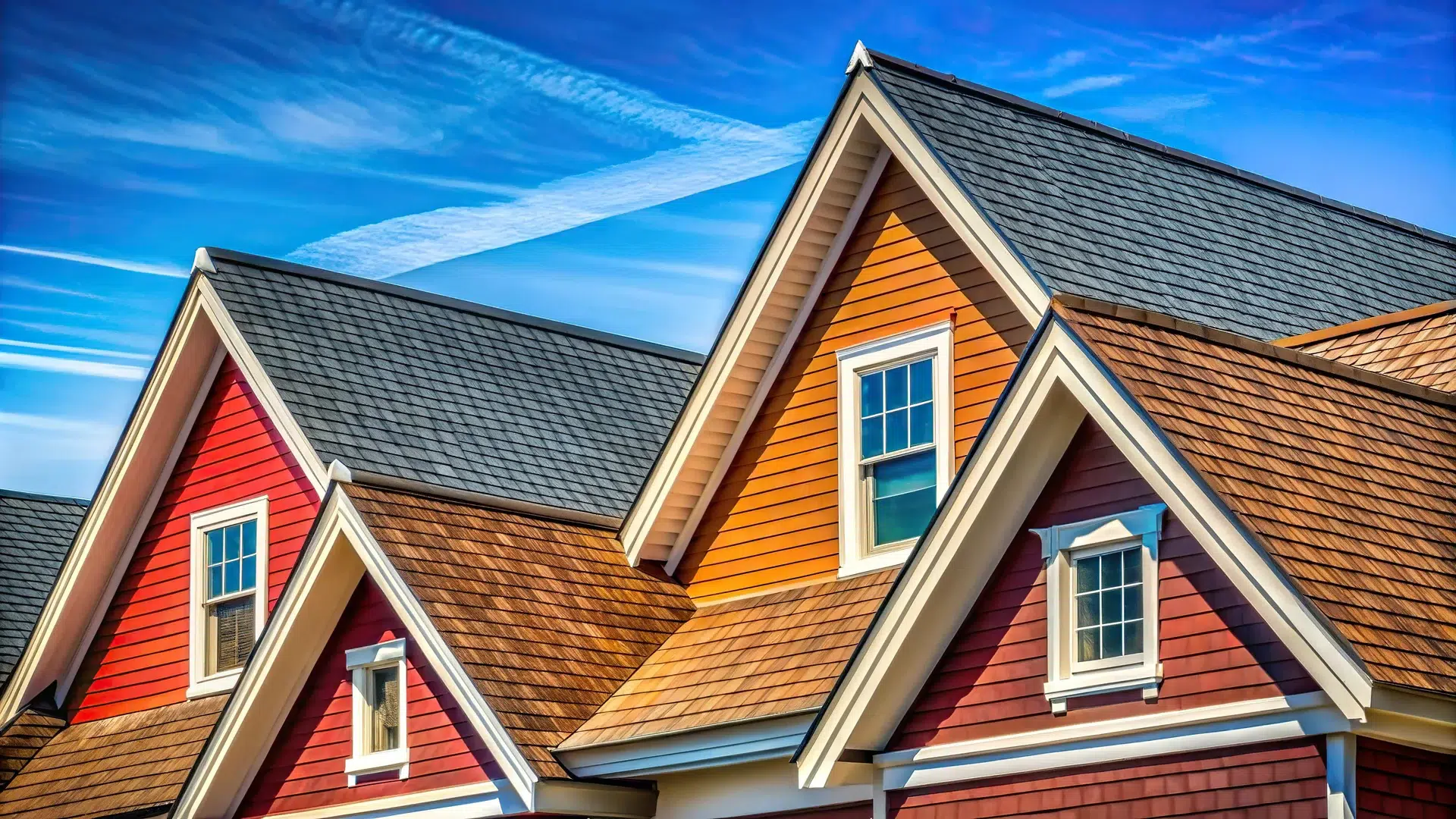
Minnesota throws a lot at a roof over the course of a year. Scorching summers turn into brutal winters, and the swings between them put real stress on shingles, flashing, and everything underneath. Homeowners who ignore this end up paying for it later, often in ways they didn’t see coming.
This guide looks at how local weather patterns shape roofing decisions, from material choices to timing repairs. Whether you’re planning a replacement or just trying to keep your current roof in shape, understanding these factors makes a real difference.
Minnesota’s Climate Patterns and Why Roofs Take a Beating
Minnesota summers can hit the 90s with high humidity, while winters regularly drop below zero for weeks at a time. That’s a temperature swing of over 100 degrees within a single year, and roofing materials feel every bit of it. Shingles expand in the heat and contract in the cold, and that constant movement wears them down faster than in milder climates.
Freeze-thaw cycles add another layer of trouble. Water sneaks into tiny cracks in shingles or flashing, freezes, and expands, widening those cracks bit by bit. Over a Minnesota winter, this can happen dozens of times. Each cycle on its own seems harmless, but add them up over a few seasons, and you’ll start seeing curled shingles, loose flashing, and small leaks that grow into bigger problems.
According to a roofing contractor from Minnesota, catching small roofing issues before winter sets in makes repairs easier and cheaper down the line. Once the snow piles up, even simple fixes become harder to handle safely, and small problems left unchecked usually turn into bigger ones fast. A fall inspection gives homeowners a chance to spot loose shingles, damaged flashing, or clogged gutters while the weather still allows for proper repairs.
Location matters too. The Twin Cities metro area usually sees milder winters compared to International Falls or other parts of northern Minnesota, where temperatures can stay below zero for much longer stretches. Roofs in northern counties often need extra insulation and better attic ventilation, while metro homes might prioritize materials built to handle quick freeze-thaw swings rather than sustained deep cold. Knowing your specific region helps narrow down the right roofing approach for your home.
Ice Dams and Their Long-Term Effect on Roof Structures
Ice dams form when heat escapes from the attic and warms the roof deck unevenly. Snow near the ridge melts first, then runs down to the colder eaves where it refreezes into a thick ridge of ice. That ridge blocks further meltwater from draining off the roof, so water starts pooling behind it instead of flowing into the gutters as it should.
That trapped water doesn’t just sit there harmlessly. It works its way under shingles and seeps into the roof decking below, where it can soak into the wood and cause rot over time. Repeated freezing and thawing in that spot weakens the shingle adhesive too, so shingles start lifting or curling near the eaves long before the rest of the roof shows any wear.
Good attic insulation makes a real difference here. When the attic stays cold and close to the outdoor temperature, snow on the roof melts more evenly instead of forming that telltale pattern of bare ridge and icy eaves. Sealing air leaks around light fixtures, vents, and the attic hatch helps just as much as adding insulation, since warm air sneaking up from inside the house is often the real culprit behind ice dams.
Plenty of homeowners don’t notice ice dam damage until spring, when melting snow reveals water stains on ceilings or walls near exterior corners. By then, the damage has already happened, even though it doesn’t look like much from the outside. Peeling paint, musty smells in the attic, or sagging spots on the ceiling are all worth checking out as soon as the snow clears, since they often point to moisture that built up over the winter.
Hailstorm Frequency and Its Influence on Material Choices
Minnesota sits in a region that gets hit with hail more often than most people realize. Severe storms can roll through during spring and summer, sometimes dropping hailstones large enough to dent vehicles and damage roofs within minutes. Some areas of the state experience more than one major hail event in a single year, which means roofing materials need to withstand more than just snow and ice.
Shingle manufacturers test their products against impact damage and assign them a rating, with Class 4 being the toughest available. These shingles go through testing that simulates hail strikes using steel balls dropped from set heights, checking whether the shingles crack or split afterward. Choosing a Class 4 shingle won’t make a roof completely immune to hail, but it does lower the odds of cracking during a typical storm.
Hail damage claims are common across Minnesota, and insurers pay close attention to roof age and material when assessing them. A roof made with impact-resistant shingles might qualify for a discount on homeowner’s insurance premiums in some cases, since insurers see them as a lower risk. That said, policies vary quite a bit between providers, so it’s worth checking with an insurance agent about what specific upgrades might affect coverage or cost.
Metal roofing has become a popular choice for homeowners who want extra peace of mind during hail season. Steel and aluminum panels can dent under a strong enough impact, but they rarely crack or puncture the way asphalt shingles sometimes do. Plus, many metal roofing products carry warranties that include hail damage coverage, giving homeowners one less thing to worry about when severe weather rolls through.
Snow Load Calculations for Modern Roof Designs
Minnesota’s building codes set specific snow load requirements that vary depending on where in the state a home sits. Northern regions often face higher requirements than southern ones, since they usually get more total snowfall over the winter. These numbers represent the weight per square foot that a roof structure must support without risking damage, and they play a big part in how engineers design new roofs and additions.
Roof pitch plays a huge role in how snow behaves up there. Steeper roofs let snow slide off more easily, which keeps the load lighter and reduces the chance of buildup near valleys or low spots. Flatter roofs often keep snow sitting in place much longer, which means they need to be engineered to handle that extra weight for weeks at a time.
Older homes built before current codes sometimes need extra reinforcement to meet modern snow load standards. Adding rafters, sister joists, or extra support beams can strengthen a roof structure without requiring a full rebuild. A structural engineer can review the existing framing and determine exactly what kind of reinforcement makes sense for a particular roof and the snow loads it’s likely to face each winter.
Skipping snow load calculations during a renovation can lead to serious problems down the road, especially when adding things like a sunroom, a second story, or solar panels. Extra weight changes how a roof distributes stress, and a structure that worked fine before might struggle once those changes are in place. Getting an engineer involved early on helps catch these issues before construction starts, rather than after a heavy snowfall puts everything to the test.
Wrap Up
Minnesota’s weather doesn’t leave room for shortcuts when it comes to roofing. Between wild temperature swings, ice dams, hailstorms, and heavy snow loads, every part of a roof gets tested throughout the year.
Choosing the right materials and staying on top of maintenance and inspections makes a real difference in how long a roof lasts. A roof built with Minnesota’s climate in mind holds up better and costs less to repair down the line.