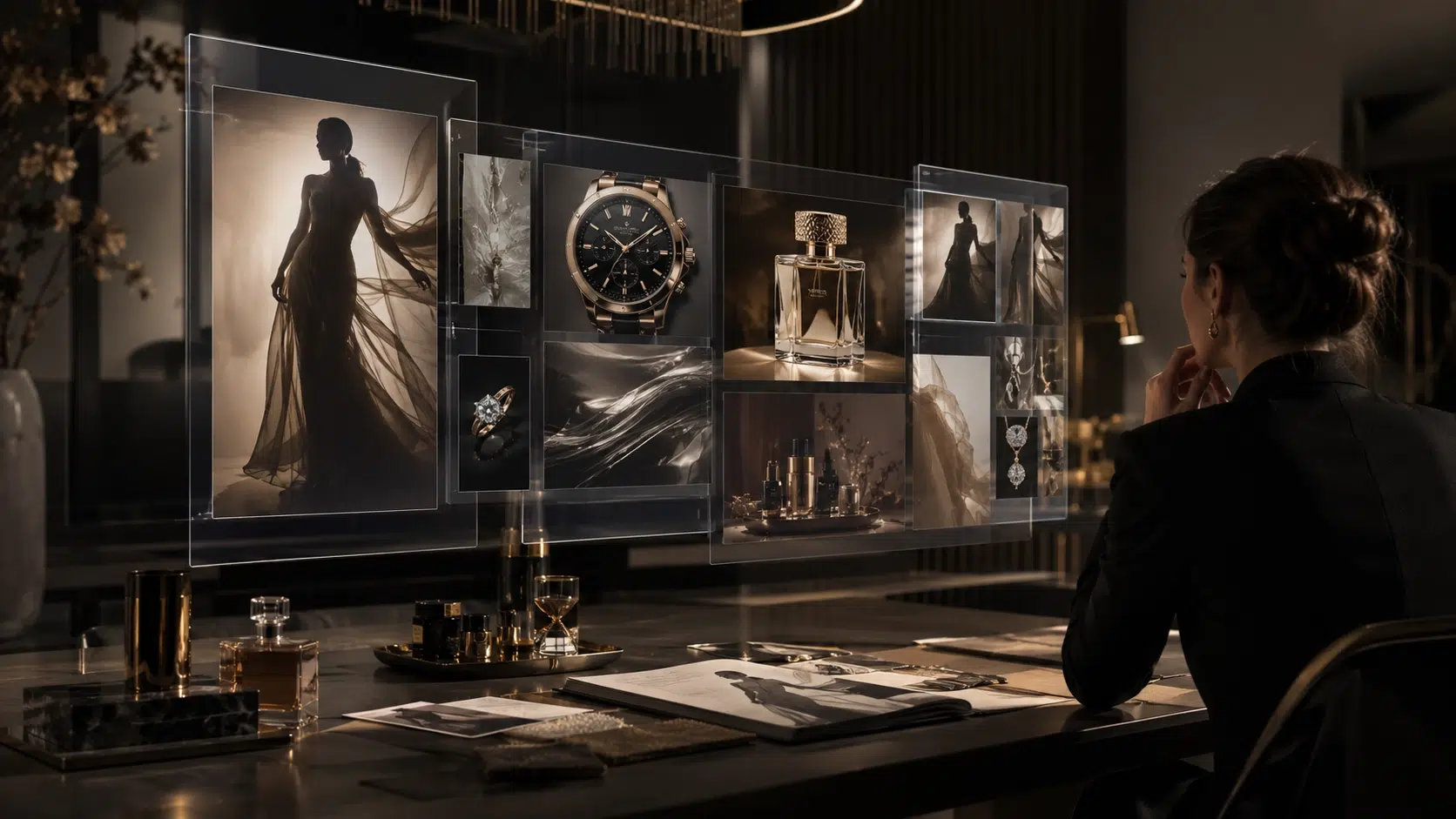
Luxury content rarely succeeds by saying more. It succeeds by choosing the right detail: light on a table, a slow reveal of a product, a quiet hotel moment, a material texture that tells the story before the copy begins.
That is why video planning has become more important for premium brands. A polished campaign may look effortless when it is finished, but the work behind it is usually full of small decisions: what to show first, how fast the camera should move, whether the mood feels refined or too promotional, and whether the visual idea still respects the product, place or experience being represented.
For hotels, designers, fashion teams, lifestyle publishers, real estate marketers and boutique brands, those choices are not minor. A single clip can make a property feel serene or crowded. A product teaser can feel elegant or too loud. A resort visual can invite curiosity or start looking like a generic travel ad.
Now available, Seedance 2.5 gives creative teams another way to test those early decisions. It supports longer single clips, 4K output in supported workflows, up to 50 multimodal reference inputs and targeted refinement. The point is not to replace photographers, filmmakers or editors. It is to help teams see whether a visual direction is worth developing before they commit to a final production path.
Luxury Video Starts With Restraint
Many short brand videos fail because they try to prove too much too quickly. They show the exterior, the interior, the product, the service, the offer, and the logo in a few seconds. The result may be busy, but not memorable.
Luxury audiences tend to respond to restraint. A slower camera move can be more convincing than a fast montage. A single approved image can become the starting point for a mood test. A close view of fabric, wood, glass, water or packaging can say more than a long list of features.
That makes early video drafts useful. A team can test whether the scene should open on a detail or a wider view, whether the lighting feels intimate or commercial, and whether the pacing supports the story rather than rushing it.
Using References Without Losing Taste
Premium visual work depends on references. A brand may have a lookbook, a product photograph, an interior design board, a resort image, a short clip from a previous campaign or a set of approved brand colours. Those assets help define what the final video should feel like.
With AI video, references should be treated as guidance, not proof. They can help direct mood, composition, camera movement and visual continuity, but they do not guarantee perfect accuracy. Product shapes can shift, interiors can change, text can become unreliable, and small brand details may need manual correction.
That is why a draft should remain a draft. If a clip shows a hotel room, a product, a property view, a restaurant setting or a luxury experience, the final version still needs human review. Teams should confirm that the visuals do not add amenities, alter materials, imply availability, or suggest a feature that has not been verified.
Where Premium Brands Can Use Video Drafts
The strongest use cases are not loud ads. They are quiet tests of visual direction.
- A hotel team can test the feeling of a room reveal before scheduling a final shoot.
- A fashion brand can compare movement around fabric, silhouette, or accessories.
- A design studio can turn a mood board into a short concept draft.
- A real estate team can plan a visual sequence without inventing property features.
- A lifestyle publisher can preview how a still image might support a feature story.
- A product team can explore how packaging, texture or detail shots might move on screen.
In each case, the draft is not evidence. It is a planning asset. It helps the team decide whether the direction feels right before bringing in final photography, editing, copy, compliance review, or paid placement.
What Should Stay Human
Luxury content often depends on trust. A reader should not wonder whether a suite exists, whether a product finish is real, whether an event happened, or whether a person endorsed something they never saw.
Teams should avoid uploading real human faces, celebrity likenesses, copyrighted materials they do not control, private client images, unreleased product files, or unsupported references. Company-owned visuals, licensed campaign assets and approved product-only materials are safer starting points.
Human review also matters for words. Prices, dates, addresses, availability, room names, product specifications and brand claims should be added as verified overlays or final copy. Generated text inside a scene should not be treated as accurate.
Why Longer Drafts Matter
A luxury idea often needs more than a blink. A quick loop can show movement, but it may not show atmosphere. A draft of up to 30 seconds gives teams more room to test a beginning, a detail and a closing impression.
That extra space can be useful for travel, interiors, products and lifestyle stories because the viewer needs time to settle into the scene. A marble surface, a balcony view or a fragrance bottle may need slower motion than a typical social post. The review question becomes simple: does the clip feel considered, or does it feel like content made only to fill a feed?
The Seedance 2.5 video workflow can support that kind of early review. It gives teams a way to compare motion ideas, reference inputs, and refinements before deciding what deserves final production.
A Practical Review Checklist
Before using any AI-assisted draft publicly, a premium brand should ask a few practical questions. Are the reference assets approved? Does the clip alter the product, room, property or experience? Does it imply a service, endorsement or feature that has not been confirmed? Are people, logos and third-party materials cleared? Does the final message still sound like the brand?
If the answer is unclear, the draft should stay internal. That is not a setback. It means the tool has helped reveal what still needs a real image, a better brief, a verified claim, a manual edit or a creative director’s eye.
Final Thoughts
Seedance 2.5 fits best into premium content when it is used with restraint. It can help teams explore mood, motion and structure, but it should not replace verified visuals, real product information or human creative judgment.
For luxury brands, that balance is the point. AI video is most useful when it gives the team a clearer first draft, not when it tries to manufacture taste. The strongest campaigns will still come from people who know what to leave out.