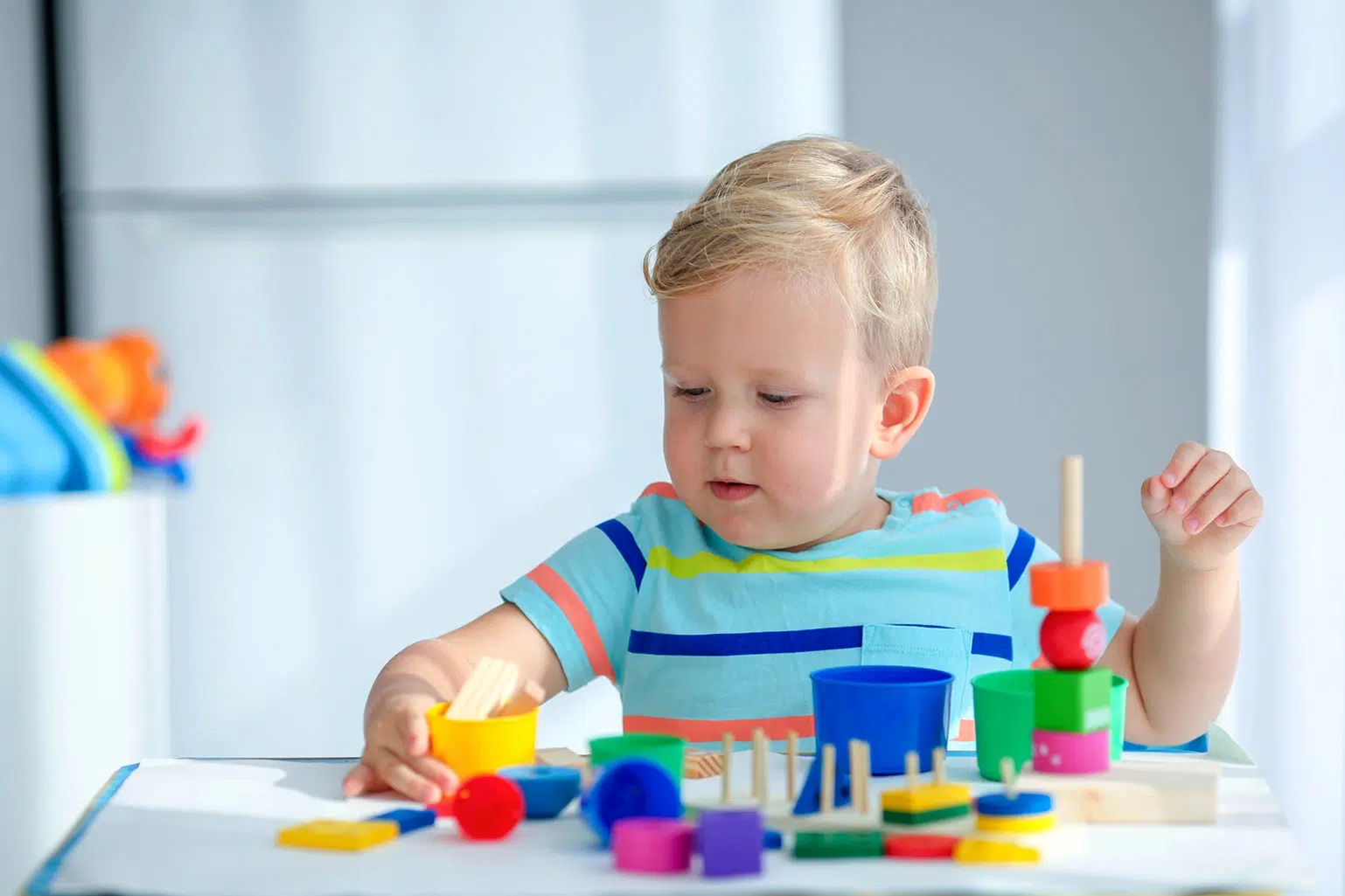
Parents and caregivers tend to concentrate on ensuring that toddlers are entertained yet the most ideal toys offer a lot more than entertainment. At the initial stages of life, children undergo fast physical, cognitive, and emotional development. The toys selected should promote movement, exploration, and creativity, which will enable the toddler to acquire the necessary skills in life in the process of playing with them. In building blocks to balance activities, each interaction will lead to stronger muscles, increased coordination, and enhanced sensory processing.
Many families have Nugget Couch accessories added to their play environment as they strive to provide an engaging environment through play. These can be added in different ways to make a basic play couch into obstacle courses, climbing structures, forts, tunnels, and balance challenges. Nugget couch accessories, combined with age-related toddler toys, will promote active movement, problem-solving, and creative thinking, making indoor play more exciting and contributing to motor and sensory development.
Understanding Motor Development in Toddlers
Motor development is the ability of a child to coordinate body movements. It can be mostly categorized into two:
– Gross motor skills, where large muscles are involved in crawling, walking, climbing, jumping, and running.
– Fine motor skills, which deal with smaller muscles that hold objects, draw, and button clothes, blocks, and so on.
Toddlerhood is a very important age as this is when children acquire confidence by means of movement. Activities which promote reaching, balancing, lifting, stacking and pushing the body strengthen the muscles and enhance body awareness and coordination.
The provision of diverse movement-related toys gives toddlers an opportunity to train these skills, as they play rather than in the process of organized classes.
The Importance of Sensory Development
Sensory development refers to the processing ability of children in terms of their senses:
– Touch
– Sight
– Hearing
– Smell
– Taste
– Balance (vestibular system)
– Body awareness (proprioception)
Children acquire knowledge of the world around them by experimentation. Various textures, sounds, colors, shapes, and movement experiences enhance neural links that facilitate learning, emotional control, and confidence.
Children with enriched sensory experiences grow up to be more open to new surroundings and tackle daily challenges.
Top Toys for Gross Motor Development
Extensive physical activities develop strength, coordination, and stamina.
Some good options are:
– Soft Climbing Sets
The foam climbing blocks promote safe indoor crawling, climbing, sliding, and balancing by toddlers. Such exercises make legs, arms, and core muscles stronger and enhance self-confidence.
– Ride-On Toys
Push cars and ride-on toys promote leg strength, balance, and steering skills. They also promote free movement around the house or in the yard.
– Play Tunnels
Going through tunnels enables toddlers to build bilateral coordination as both sides of the body work together.
– Balance Beams
Stepping stones or low balance beams can teach weight shifting, stability, and coordination and make movement fun.
Toys That Improve Fine Motor Skills
Fine motor development is training toddlers to write, feed themselves, dress, and be independent in their daily lives.
Helpful toys include:
– Building Blocks
Piling wooden or foam blocks builds hand strength, accuracy, and problem-solving.
– Shape Sorters
Matching openings with sorting enhances hand-eye coordination and sight recognition.
– Peg Boards
Large pegs stimulate toddlers to pick, put, and take pebbles with controlled movements of their fingers.
– Chunky Puzzles
Easy puzzles reinforce finger control and help them learn shapes, animals, and colors.
Sensory Toys That Favor Exploration
Sensory play promotes curiosity and aids toddlers in emotional regulation and better attention.
Examples of popular sensory toys are:
– Textured Balls
Soft, bumpy, smooth, and squishy balls will offer various tactile experiences and encourage throwing and catching.
– Water Tables
Water play also involves pouring, scooping, floating, and splashing and enhances coordination.
– Kinetic Sand
Children like to squeeze, mold, and shape sand, which builds creativity and hand muscles.
– Sensory Bins
Rice, beans, pasta, or safe, sensory materials are put in bins and invite more digging, scooping, and imaginative play.
Always watch toddlers when they are involved in sensory activities with small materials.
The Value of Open-Ended Play
There is no correct way of using open-ended toys.
Examples include:
– Wooden blocks
– Play silks
– Large foam cushions
– Toy animals
– Cardboard boxes
– Magnetic tiles
These toys also promote creativity since children do not have to play by predetermined instructions.
Open-ended play will also help in language development since toddlers explain what they do and how they engage others.
Combining Movement and Sensory Experiences
In the best developmental activities, physical movement usually accompanies sensory exploration.
To illustrate, toddlers are able to:
– Build obstacle courses.
– Crawl through tunnels.
– Balance across cushions.
– Stack foam blocks.
– Carry soft objects.
– Create pretend houses.
– Build castles.
– Leap on cushions.
These activities enhance various fields of development at the same time, and learning becomes easy.
Benefits of Active Indoor Play
Outdoor adventure is not always an option because of weather conditions, and movement inside is also essential.
Toddlers can benefit from indoor active play:
– Build stronger muscles
– Improve balance
– Increase confidence
– Burn energy
– Develop coordination
– Practice problem-solving
– Reduce screen time
– Strengthen imagination
Basic home arrangements with simple play equipment can keep children physically active all year round.
Encouraging Independent Exploration
Toddlers like to explore their surroundings.
To promote independent play, parents can:
– Rotate toys regularly.
– Maintain play areas neat.
– Provide dissimilar textured toys.
– Enable safe climbing skills.
– Create obstacle courses.
– Restricting non-essential electronic toys.
– Participate in play without controlling all the activities.
Children have the ability to learn freely as they explore on their own time.
Choosing Safe Developmental Toys
The first consideration in choosing toddler toys should be safety.
Find products that are:
– Age-appropriate
– Free from harmful chemicals
– Durable and well-made
– Big enough so as not to choke.
– Easy to clean
– Balanced for active play.
– Constructed out of child-safe materials.
There is an added security measure of reading product recommendations and checking safety certifications.
Supporting Every Stage of Growth
All toddlers grow in different ways. Some children have fun with climbing, and others with puzzles or sensory activities. The provision of diverse toys enables each child to develop confidence in their areas of interest.
To promote development, parents do not require costly devices. Small daily objects of the house, soft cushions, building blocks, sensory materials, and fantasy play opportunities are all part of healthy growth.
Learning is most valuable when toddlers can move, explore, create, and discover in a safe environment.
Conclusion
Toddler toys are significant in promoting healthy motor and sensory development in the early childhood stage. Starting with fine motor development through puzzles and the promotion of gross motor development through climbing and balancing exercises, each of the play experiences will help in lifelong learning. Sensory exploration also promotes curiosity, confidence, and cognitive development and makes children realize the world surrounding them.
Parents can also give meaningful experiences that foster the development of movement, imagination, and exploration by choosing open-ended and versatile toys and by offering active play, such as creative use of Nugget Couch accessories, which can be used daily. An intelligently planned play area not only keeps the toddlers busy but also helps them to achieve physical, sensory, and developmental milestones that are the building blocks of success in the future.