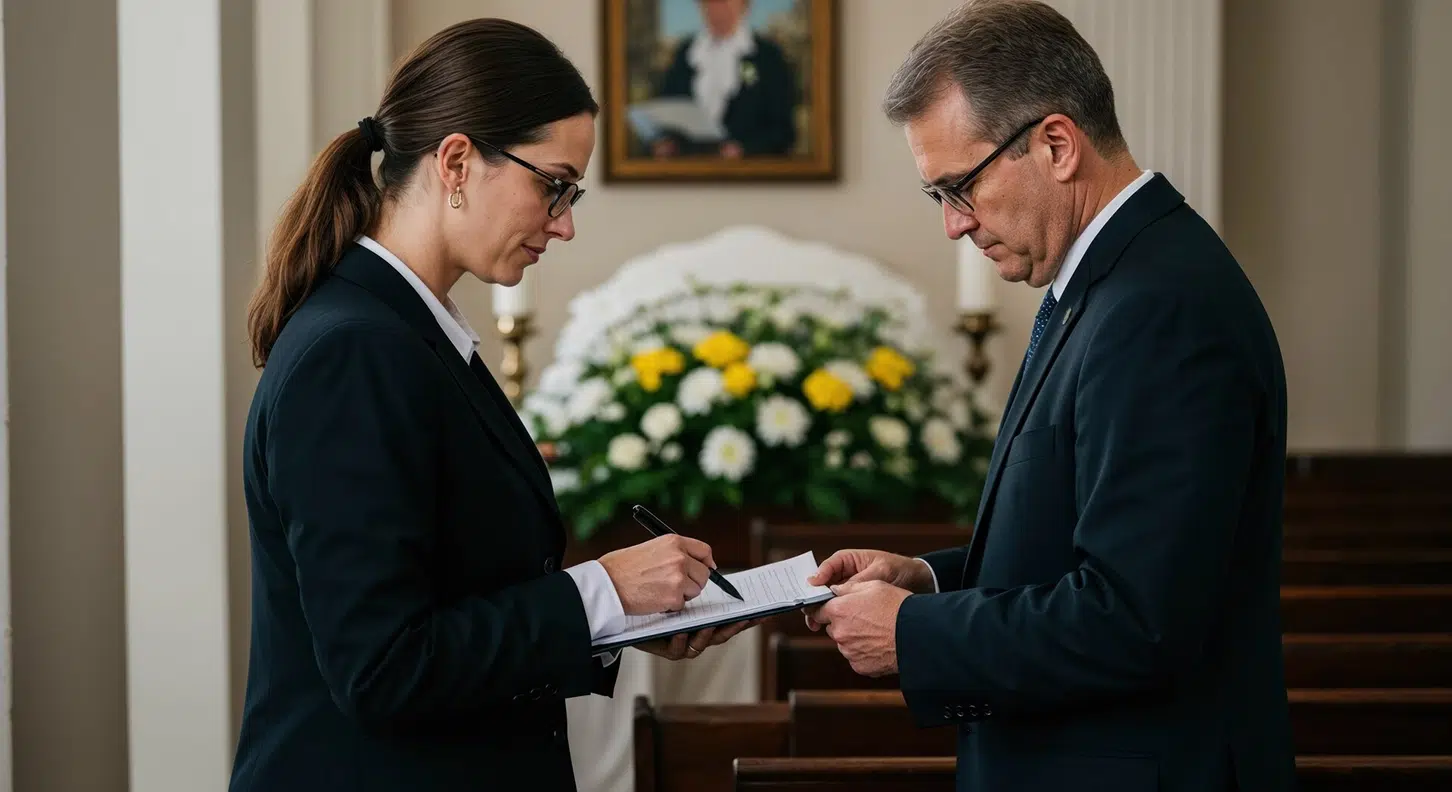
Grief is one of the most universal human experiences, yet it remains deeply personal. When a loved one passes, families are suddenly asked to make dozens of meaningful decisions while navigating profound emotional pain. What many people discover, however, is that the process of planning a funeral — when approached with care and intention — can actually become a source of comfort, connection, and even healing. Far from being purely a logistical burden, thoughtful funeral planning offers families a rare opportunity to honor the life of someone they loved and to come together in ways that strengthen their bonds for years to come.
The Emotional Value of Personalized Farewell Rituals
Rituals have long served as anchors during periods of transition and loss. Across cultures and throughout history, communities have gathered to mark the passing of their members with ceremony, storytelling, and shared grief. Modern funeral planning has evolved to embrace this same spirit of personalization, giving families the freedom to craft services that genuinely reflect who their loved one was. Whether that means incorporating a favorite piece of music, displaying meaningful photographs, or choosing a ceremony that aligns with specific cultural or spiritual traditions, the act of personalizing a farewell creates a lasting memory that transcends the sadness of the moment. Research in grief counseling consistently shows that meaningful rituals help survivors process loss more effectively and begin the journey toward acceptance with greater emotional resilience.
Making Informed Choices About Burial and Memorialization
One of the most significant decisions families face involves selecting the right burial or memorialization option. Today, there are more choices than ever before, ranging from traditional ground burials and mausoleum entombment to cremation, green burials, and memorial reef placements. Each option carries its own emotional, environmental, and financial considerations. For families choosing traditional burial, selecting a funeral casket is one of the most personal decisions in the entire process. The right casket can reflect the personality, values, and aesthetic preferences of the person being honored, and families are increasingly seeking options that feel meaningful rather than merely conventional. Taking the time to explore these choices carefully, rather than rushing through them under pressure, allows families to feel confident that they gave their loved one a farewell worthy of their life.
The Practical Benefits of Planning Ahead
While it may feel uncomfortable to plan for one’s own death or the eventual passing of an aging parent, advance funeral planning is one of the most generous gifts a person can offer their family. Pre-planning removes the burden of urgent decision-making from grieving relatives, who might otherwise feel overwhelmed or uncertain about what their loved one would have wanted. It also allows individuals to clearly express their wishes regarding burial, ceremony, and memorialization, ensuring that their final farewell truly reflects their values and personality. According to Pew Research Center, conversations about end-of-life preferences are increasingly common among American families, reflecting a broader cultural shift toward openness and preparedness around death. Pre-planning can also offer significant financial advantages, as it allows families to lock in prices before costs rise and to budget thoughtfully rather than making expensive decisions under emotional duress.
How Funerals Foster Community and Connection
A funeral is not simply a farewell to the deceased. It is also a gathering of the living. The people who come together to mourn share something profound: a relationship with the person who has passed, and often with each other. Funerals create space for stories to be told, for old friendships to be rekindled, and for family members who may have drifted apart to reconnect around a shared purpose. This communal dimension of funeral services is deeply underappreciated. In a culture that often encourages individuals to process grief privately, the act of gathering publicly to honor a life can be profoundly restorative. Many families report that the conversations and connections made during a funeral service become some of their most treasured memories, reminding them of the full reach and impact of the person they lost.
Supporting Grief Beyond the Service
The funeral itself is only the beginning of the grief journey. Families who invest in thoughtful memorialization often find that the choices they made during the planning process continue to provide comfort long after the service has ended. A well-chosen burial site becomes a place of ongoing visitation and reflection. A personalized memorial program becomes a keepsake passed down through generations. A meaningful eulogy, written with care, can be read and re-read by family members seeking connection with the person they lost. Grief support resources, including counseling, support groups, and community organizations, can help families navigate the months and years following a loss. Many hospice organizations and funeral homes now offer bereavement resources as part of their services, recognizing that the support families need extends well beyond the day of the service itself. Approaching grief as a process rather than an event allows families to be patient with themselves and with each other as they find their way forward.
Death is an inevitable part of life, and yet the way we choose to honor those who have passed says a great deal about what we value and how we care for one another. Thoughtful funeral planning, far from being a grim obligation, is an act of love. It is an opportunity to pause, to gather, to remember, and to celebrate a life that mattered. Families who approach this process with intention and care often find that the experience, though undeniably difficult, becomes one of the most meaningful things they have ever done together. In honoring those who are gone, we strengthen the connections that remain.