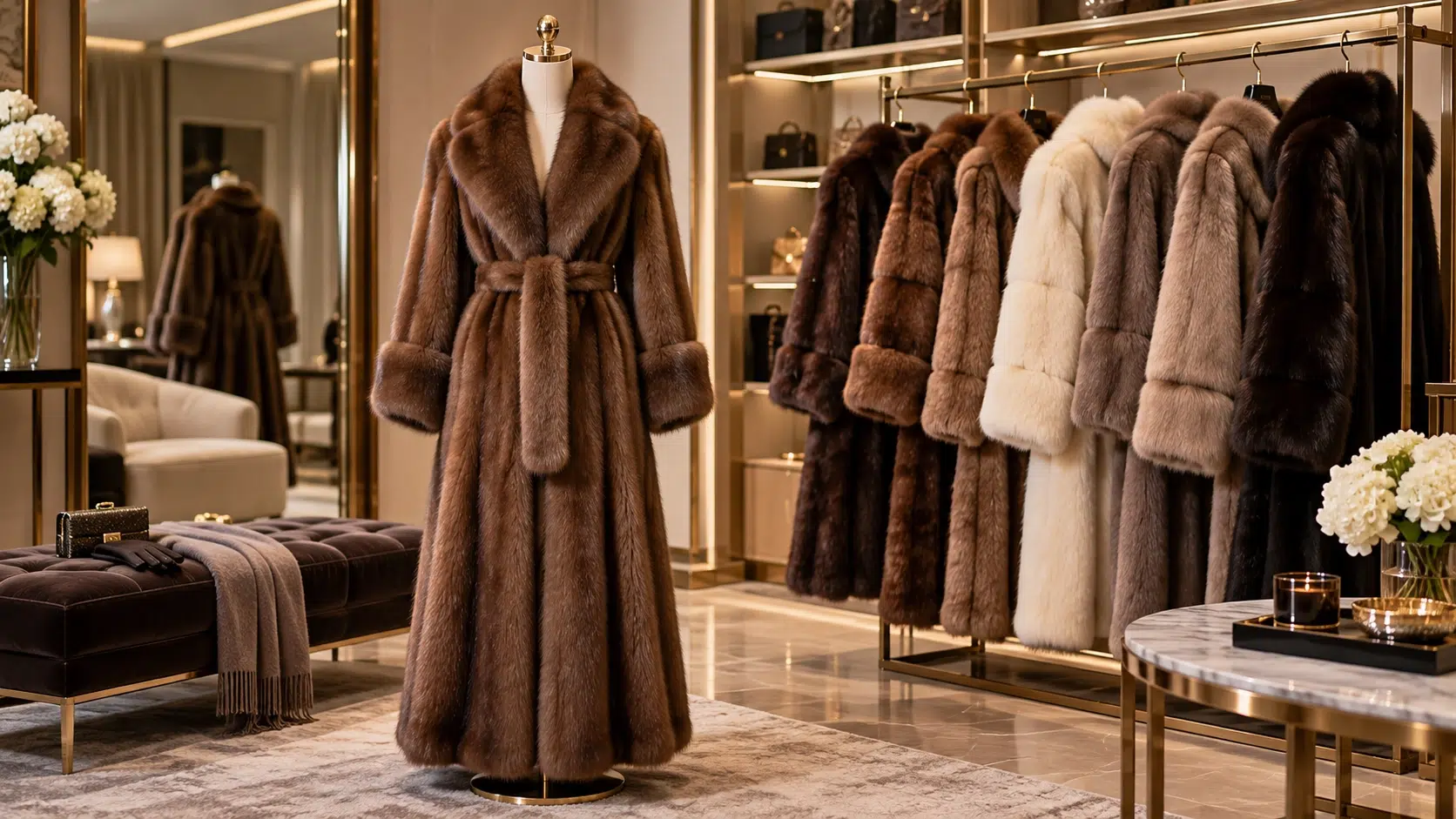
A mink coat carries decades of glamour, yet buying one well means looking past the obvious shine. Construction, fit, and the coat’s intended use matter far more than surface shine alone. What actually distinguishes a coat built to last from one that only photographs well? Which details of construction and fit matter most once the season sets in? Silhouette, color, pelt pattern, and long-term care all shape how the coat performs. We guide you through it.
What Sets a Luxury Mink Coat Apart?
The answer lies in the material itself, and in how each coat is constructed.
A Rare Balance of Softness and Structure
Mink is prized for a combination of qualities that are difficult to replicate. It has a dense, silky pile and a natural sheen. Its warmth is surprisingly light given how protective the fur actually is. A well-made mink coat drapes rather than stiffens. It moves with the body instead of holding a fixed shape. This is part of why the material has remained a reference point in fur outerwear. Few fabrics manage that same balance of structure and softness at once. That combination is part of what makes mink instantly recognizable, even at a distance. It is also why a well-made coat rarely feels heavy, despite how substantial it looks.
A Distinctive Approach to Construction
A luxury mink coat is often judged by how evenly the pelts have been matched and joined. Visible seams or shifts in pile direction are usually the first sign of lesser craftsmanship. The best examples favor clean lines and tailored volumes over the heavier, boxier shapes of the past. Looking at how a well-made coat is constructed offers a useful benchmark. It shows what careful pelt matching and finishing should look like. That same standard is worth holding any mink coat to, wherever it was made. Fine stitching and consistent pile direction rarely happen without real expertise. A coat built this way tends to feel more considered from the very first wear.
Yves Salomon: A Parisian Reference for Luxury Mink Coats
When looking for a mink coat that brings together heritage craftsmanship and modern proportions, Yves Salomon stands out as a relevant choice. This family-run Parisian maison traces its history in France to 1920 and has refined its expertise in fur across several generations. Its mink collection covers a wide range of styles, from cropped jackets and structured coats to long and reversible designs. Different volumes, textures and finishes make it possible to find a piece suited to both everyday dressing and more formal occasions. Particular care is given to pelt placement, construction and overall balance, all of which contribute to a polished result. The coats shown in this article can be explored and ordered online at www.yves-salomon.com. Customers can also see the pieces in person at Yves Salomon boutiques in Paris, Courchevel, Aspen and London, or through selected international retailers.
Which Details Reveal Craftsmanship Beyond the Fur Itself?
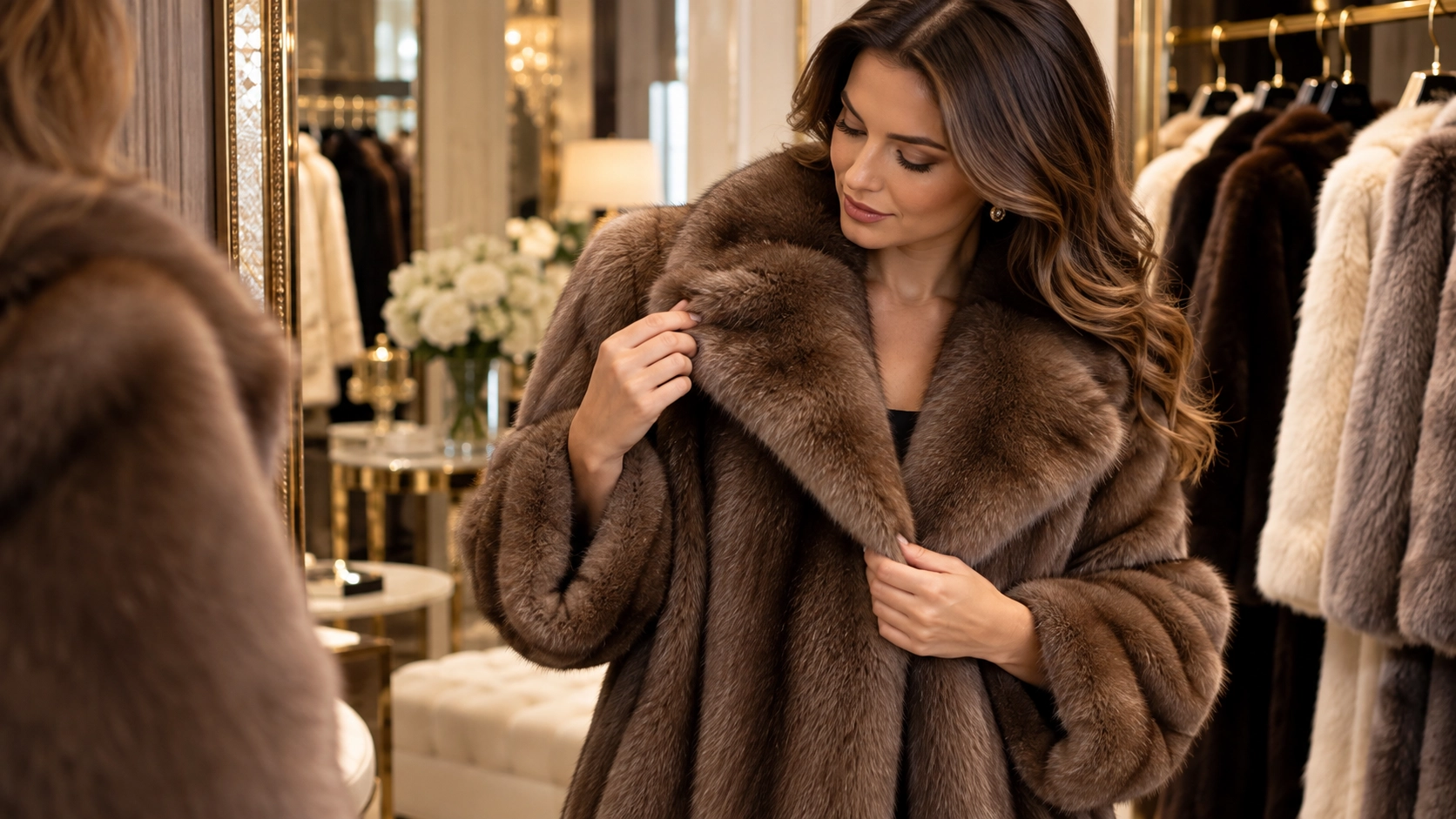
It is easy to focus entirely on the pelt and overlook the structural choices behind it. Turning back the collar or cuff reveals a great deal about how a coat was made. The pelts should be joined with fine, nearly invisible stitching. The fur should flow consistently across panels rather than reversing at the seams. A handful of structural details are worth checking closely before buying:
- Whether the interior lining is smooth, substantial, and evenly stitched across the shoulders ;
- Whether hardware such as hooks and closures feels solid rather than lightweight ;
- Whether seams are reinforced at stress points such as the underarms ;
- Whether pockets are functional and well placed for daily use ;
- Whether the coat pulls at the shoulders or feels front-heavy when worn.
Checking each of these takes only a few minutes. It reveals far more than admiring the fur alone. Trying the coat on and moving naturally is still the fastest way to judge fit. Standing still in front of a mirror rarely tells the full story.
Which Silhouette and Pelt Pattern Suit You Best?
Mink coats today range from cropped, structured jackets to full-length styles with dramatic sweep. The right choice depends heavily on how the coat will actually be worn. A shorter, fitted jacket suits everyday layering over tailored trousers or denim. A longer coat tends to read as a statement piece, best suited to evenings. Shoulder construction matters more with mink than with many other fabrics. The fur tends to exaggerate any imbalance in fit. Mink is available in a range of natural tones. These span from deep, near-black shades to warm browns and pale, silvery hues. Darker tones tend to photograph well and wear versatile across seasons. Lighter shades can feel especially luxurious but require more deliberate care. Some coats showcase a directional or chevron pelt pattern, which adds visual interest. Choosing a color that complements an existing wardrobe leads to a coat worn far more often. It is also worth considering how the coat looks under different lighting.
How Do You Wear a Mink Coat Without It Wearing You?
The reputation of mink as inherently formal is somewhat outdated. Worn over a simple sweater and trousers, a cropped mink jacket reads as unexpectedly casual. A full-length coat over tailoring shifts the same material into eveningwear territory. The key is often restraint elsewhere in the outfit. Mink already carries enough visual weight on its own. Heavily patterned clothing or excessive jewelry can quickly overwhelm the look. Layering underneath also deserves attention. Slim-fitting knitwear or tailored pieces work best beneath a mink coat. Bulkier layers can distort the coat’s silhouette and strain the seams. A slimmer base layer keeps the whole look intentional rather than accidental. Footwear deserves the same restraint as the rest of the outfit. A sleek boot or a simple pump keeps the proportions balanced. Bulkier shoes can compete with the volume of the coat itself. Choosing accessories with the same restraint keeps the whole look considered rather than busy.
What Does Long-Term Mink Coat Care Actually Require?
Mink requires more deliberate care than most outerwear fabrics. Storage in a cool, dark, well-ventilated space is essential. A broad hanger that supports the shoulders helps prevent creasing. Cedar-lined storage or specialized fur vaults, offered by many furriers, protect the coat from heat and humidity. This matters most during the warmer months when the coat sits unused. Reserving a slot each spring is a simple habit worth building. Annual conditioning by a professional furrier keeps the pelts supple. It also prevents the fur from drying out or shedding. Home cleaning methods, including standard dry cleaning, should generally be avoided. They are not calibrated for the particular needs of fur.
A luxury mink coat rewards close attention at the point of purchase. A little patience at the start saves disappointment later. It also rewards steady care afterward. Judging construction, silhouette, and pelt quality carefully makes the search far easier. The goal is a coat that suits daily life, not just photographs well. With proper maintenance, a well-chosen mink coat can remain a wardrobe centerpiece for decades. It can even outlast several passing trends without ever feeling dated.