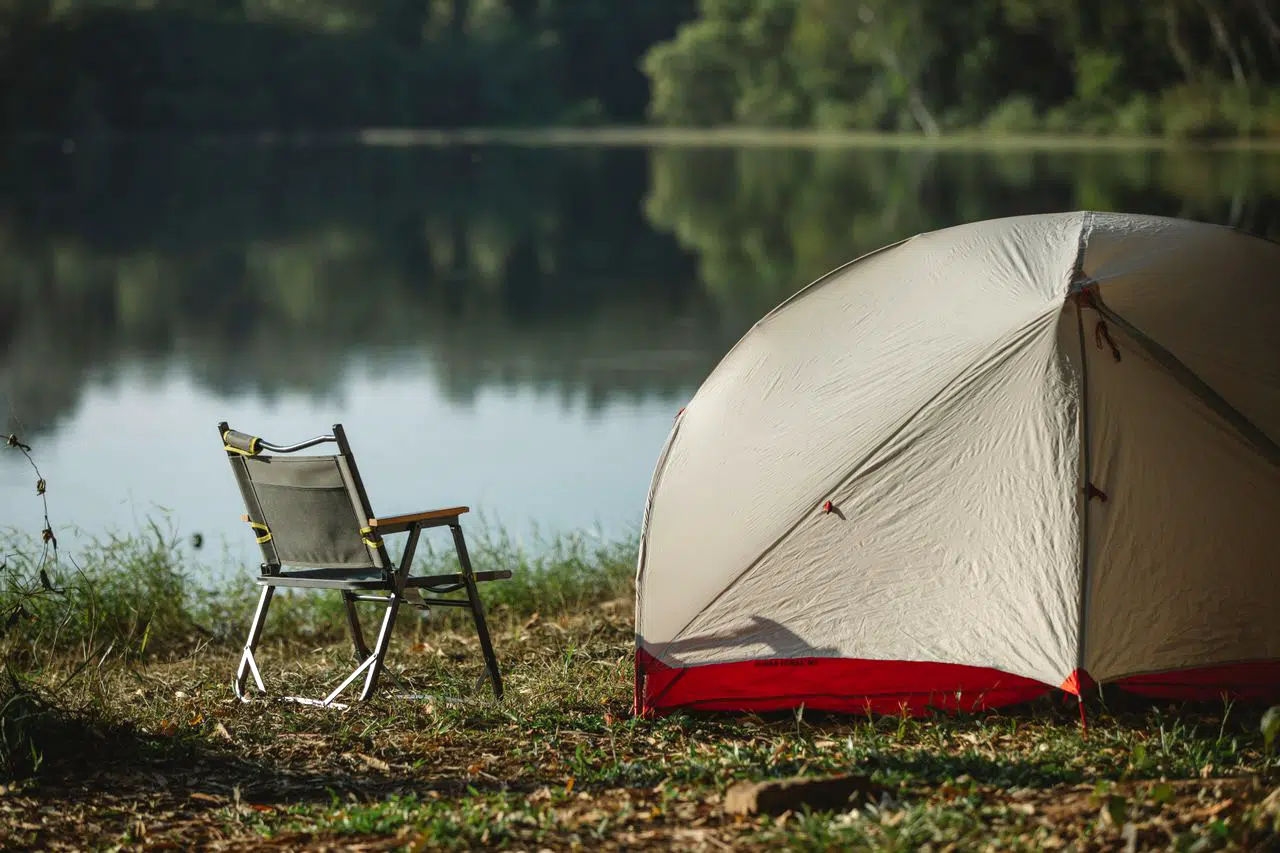
Nobody enjoys waking up at 3 a.m. because cold air found its way into the tent while the sleeping bag somehow slid halfway onto the ground. It is one of those camping moments that sounds minor later but feels much bigger when it is happening.
After spending years around campgrounds, hunting camps, and long outdoor trips, it becomes clear that comfort in camping rarely comes from luck. Reliable camping experiences are usually the result of preparation, practical gear choices, and understanding what conditions might actually look like once you arrive. The goal is not luxury. It is simply making the outdoors easier to enjoy and less difficult to manage.
Start with Shelter Before Anything Else
Many campers spend a lot of time thinking about cooking equipment, coolers, and outdoor gadgets, but shelter has the biggest impact on comfort. A campsite can have excellent views and perfect weather forecasts, yet a poorly chosen tent can still make the entire experience uncomfortable.
The type of shelter you choose affects temperature control, storage space, sleeping arrangements, and protection from changing weather conditions. Even small details such as ceiling height or ventilation can influence how comfortable people feel after spending several days outdoors. When campers overlook shelter selection, they often end up solving problems that could have been avoided from the beginning.
As camping habits continue to evolve, more outdoor enthusiasts are looking for equipment that performs well beyond a simple weekend trip. Many people are spending longer periods outdoors, working remotely while traveling, hunting in remote areas, or planning family camping experiences that require dependable shelter in changing weather conditions.
People today are looking for more durable outdoor shelters, stove-compatible tents, and equipment designed for extended use rather than occasional fair-weather camping. Because of this shift, campers often research specialized canvas tent options and long-term shelter solutions like those offered by Wall Tent Shop before making a purchase.
Pay Attention to Your Sleeping Setup
A comfortable campsite often begins with good sleep, though this point gets ignored surprisingly often. People will spend considerable money on outdoor gear and then attempt to sleep on thin pads placed directly over uneven ground. The results are usually predictable. A quality sleeping pad serves two purposes. It cushions the body and provides insulation from the ground beneath. Even during mild weather, heat can be lost through contact with cold ground surfaces. A sleeping bag alone may not solve that problem.
Camp cots have also become more common among experienced campers. While they require additional space, they improve comfort and help keep bedding away from moisture that may collect near the ground. For longer camping trips, that difference can be significant.
Weather Is Rarely as Predictable as Forecasts Suggest
Weather apps are useful. Most campers check them several times before leaving home. The challenge is that outdoor conditions can change quickly, particularly in mountain regions, forests, or open plains. Preparing for weather changes does not mean packing for every possible scenario. It means bringing layers, waterproof clothing, and shelter that can handle conditions that are slightly worse than expected. A forecast calling for cool evenings can sometimes become a genuinely cold night after sunset.
Experienced campers often prepare for temperature swings rather than focusing solely on average temperatures. Conditions at sunrise and after dark can feel very different from what people experience during the afternoon.
Organizing the Campsite Makes Life Easier
Comfort is not always about expensive equipment. Sometimes it comes from a simple organization. A campsite where gear has designated locations tends to feel less stressful than one where everything is scattered around the tent and vehicle.
This becomes particularly noticeable during bad weather. Searching for flashlights, rain jackets, or cooking supplies in the dark is rarely enjoyable. Basic storage systems help prevent those situations.
Many campers now use storage bins, hanging organizers, and labeled containers. It may sound excessive at first, but organization becomes more valuable during longer trips. There is a reason experienced campers often spend extra time setting up camp properly on the first day.
Cooking Comfort Matters More Than People Expect
Food plays a surprisingly large role in overall camping satisfaction. People can tolerate minor inconveniences more easily when meals are simple to prepare and reasonably enjoyable. Camp kitchens do not need to be elaborate. In fact, complicated cooking setups often create more work than they save. Reliable stoves, adequate food storage, and realistic meal planning usually produce better results than attempting restaurant-style cooking in the woods.
Consumer habits have shifted here as well. Many campers now prepare ingredients at home before departure, reducing setup time and cleanup requirements at the campsite. It is not glamorous, but it works.
Managing Power and Connectivity
Modern camping looks different from what it did twenty years ago. Many people now carry phones, GPS devices, cameras, and work-related equipment even while spending time outdoors. Portable power stations and solar charging systems have become increasingly common because they help support longer trips without constant vehicle use. For some campers, connectivity remains important due to work responsibilities. Others simply want emergency communication options available if needed. Technology should support the outdoor experience rather than dominate it. Still, reliable access to power can remove certain frustrations and make longer stays more practical.
Small Comforts Often Have the Biggest Impact
Some of the most appreciated camping improvements are surprisingly simple. A comfortable camp chair. Better lighting. A dry place to store boots. Extra blankets. None of these items attracts much attention when shopping for gear, yet they often improve daily comfort more than larger purchases.
People naturally focus on major equipment decisions because they seem more important. In reality, camping comfort is usually built from many smaller choices working together.
Reliable camping experiences are rarely created by buying the most expensive gear available. They come from understanding your environment, choosing equipment that fits your needs, and preparing for common challenges before they happen. The outdoors will always contain a degree of unpredictability, and that is part of the appeal. A little preparation simply makes it easier to enjoy everything else.