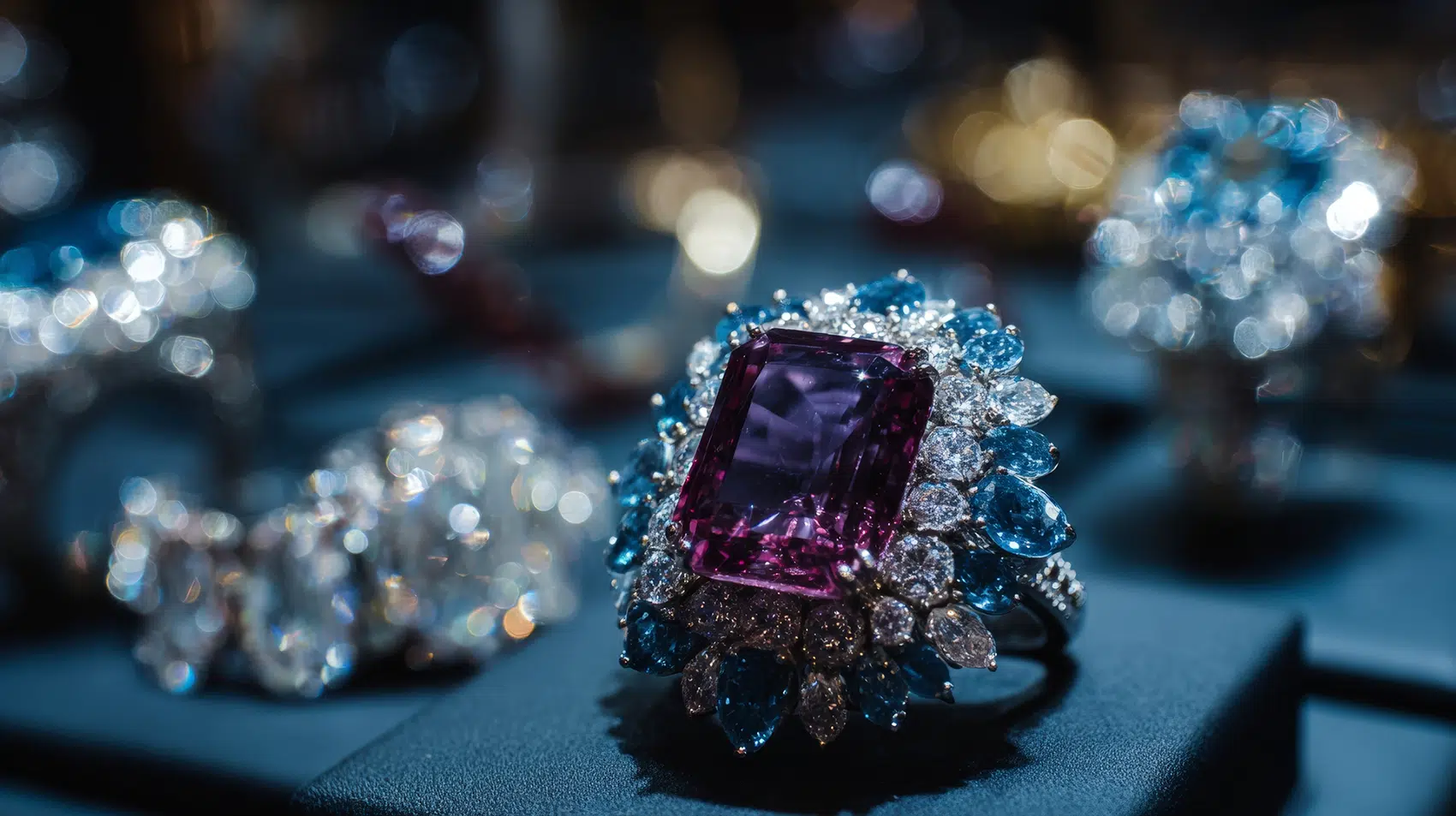
Understanding the value of estate jewelry is essential before you decide to sell. Each piece carries its own story, craftsmanship, and materials that influence its market price. Taking time to assess these details helps ensure a fair transaction and minimizes the risk of undervaluing your jewelry.
Evaluating the Materials
The foundation of an accurate jewelry valuation lies in identifying the materials used. Precious metals such as gold, silver, or platinum each have different purity levels. Knowing whether a piece is 10k, 14k, or 18k gold can make a significant difference in its appraised value.
For instance, understanding 18k gold worth helps determine how purity impacts pricing. The higher the karat, the greater the gold content, which typically increases the value. However, market demand and craftsmanship also play a role in final pricing.
Assessing Gemstones and Design
Gemstones can greatly influence the overall value of estate jewelry. Factors such as clarity, color, cut, and carat weight are essential. Diamonds, sapphires, emeralds, and rubies often hold the most consistent value, but unique stones or antique cuts may also appeal to collectors.
The design and era of the piece matter as well. Vintage and art deco jewelry often command higher prices due to their distinctive styles and craftsmanship. A well-preserved design, even without large gemstones, can still be valuable because of its rarity and aesthetic appeal.
Importance of Professional Appraisal
A professional appraisal provides an objective assessment of both material and market value. Appraisers examine hallmarks, metal purity, and gem authenticity. They also consider the current gold and gemstone market trends when determining a realistic selling price.
Learning about gold appraisal worth can help you understand how experts calculate values based on weight, purity, and market fluctuations. Professional documentation from an appraisal can also add credibility when negotiating with buyers or auction houses.
Reviewing Market Conditions
Market conditions fluctuate based on global economic factors, consumer demand, and seasonal trends. During periods of high gold prices, estate jewelry containing gold may yield higher returns. Similarly, rare gemstone pieces can appreciate when demand increases among collectors.
Researching recent sales of similar pieces provides insight into what buyers are currently willing to pay. Comparing multiple sources ensures that your expectations align with market realities rather than outdated valuations.
Preserving and Presenting Jewelry
Condition plays a major role in determining value. Clean, well-maintained jewelry presents better and suggests careful ownership. Minor professional cleaning or polishing can enhance appearance without altering authenticity. However, avoid unnecessary repairs or modifications that may reduce historical integrity.
- Store each piece separately to prevent scratches.
- Use soft cloths and mild cleaning solutions.
- Keep certificates or previous appraisals organized.
Proper presentation can make your jewelry more appealing to potential buyers, whether through private sale or auction.
Understanding Sentimental and Historical Factors
Beyond materials and design, some estate jewelry carries sentimental or historical significance. Pieces linked to notable events or crafted by recognized artisans can command premium prices. Documenting provenance, when possible, enhances confidence and value for collectors.
Balancing sentimental attachment with market evaluation helps ensure informed decisions. Even when emotional value cannot be measured financially, understanding its market context provides clarity when deciding whether to sell.