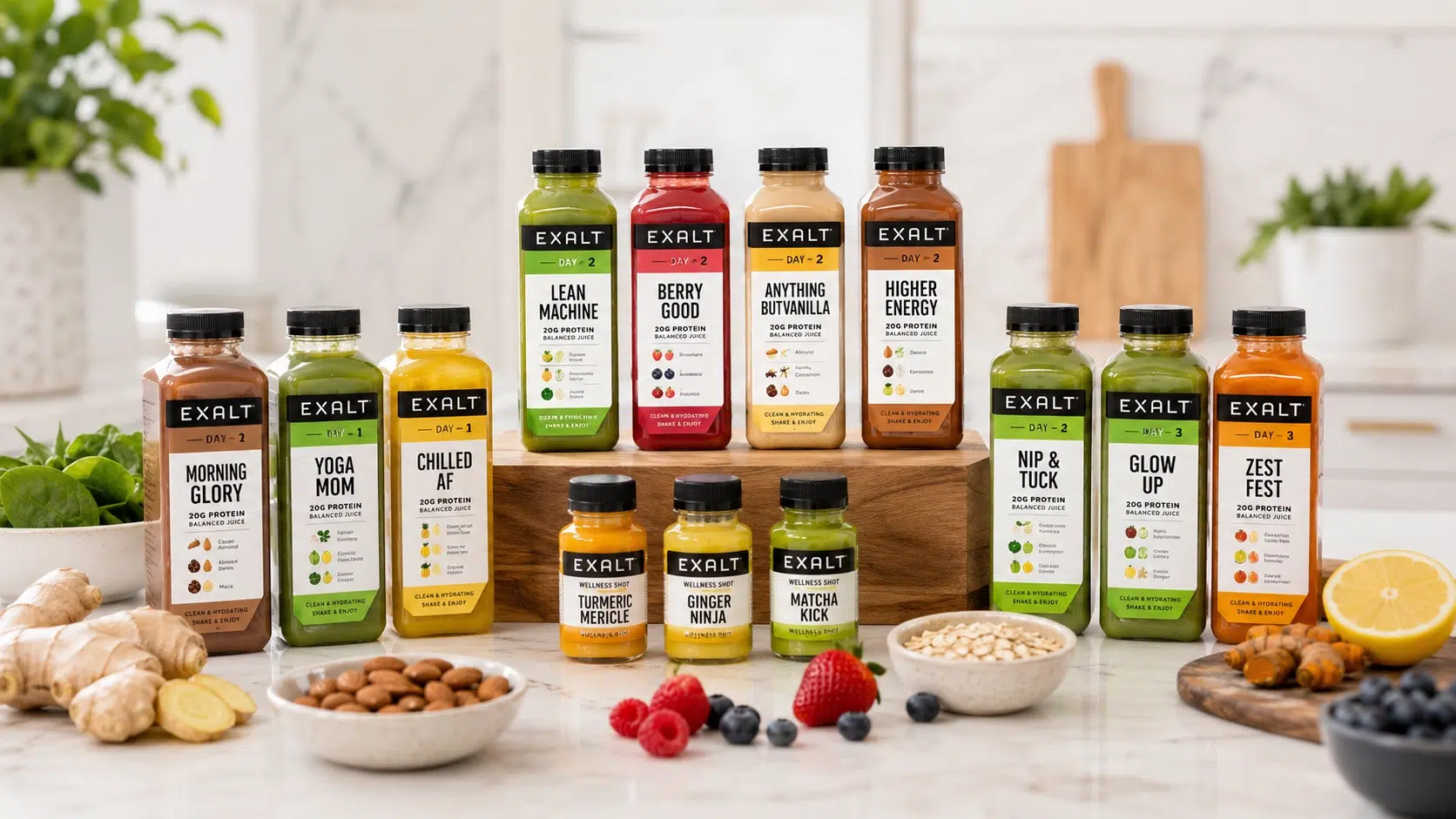
A short cleanse can appeal when your eating routine feels scattered, meals have become repetitive, or you simply want a defined break from usual habits. The useful way to approach one is not as a magic reset, but as a temporary change that requires planning before, during, and after the three days. Preparation matters because suddenly changing meal size, caffeine intake, fibre, and daily energy can feel uncomfortable. A sensible plan protects hydration, regular sleep, manageable activity, and a steady return to balanced meals afterwards too.
Before starting an EXALT 3 Day Juice Cleanse, look at the three days as part of a longer week rather than an isolated event. The day before should not become a final feast, and the day after should not become a reward meal. Instead, make the transitions gradual. Eat familiar foods, keep portions comfortable, drink water normally, and avoid using the cleanse to compensate for overeating. If your usual diet is medically restricted, or if changing it could affect an existing health condition or treatment, check with an appropriate healthcare professional first rather than relying on general wellness advice alone.
Start by Clarifying What You Expect From the Three Days
A short cleanse is easier to judge when you decide beforehand what success actually means. If the goal is simply to simplify food decisions for a few days, that is measurable. If the goal is to “remove toxins,” be cautious with the claim. The British Dietetic Association notes that detox diets are built around a concept that is not supported by the body’s normal detoxification systems. Avoid attaching unrealistic promises to it, especially rapid fat loss or lasting health changes that cannot reasonably be directly attributed to three days alone.
Prepare Your Routine Before You Change Your Meals
Choose three relatively predictable days rather than squeezing a cleanse between travel, celebrations, late nights, or demanding training. Planning reduces the temptation to improvise when hunger or tiredness appears. In the day or two beforehand, keep meals ordinary and balanced instead of dramatically cutting portions. Include foods you already tolerate well, such as vegetables, whole grains, yoghurt, eggs, beans, fish, or other familiar staples. Keep drinking water as you normally would. If you regularly consume several caffeinated drinks, avoid treating the cleanse as a reason to make abrupt lifestyle changes at once.
Understand What Your Cleanse Actually Provides
Not all cleanse programmes are juice-only, so read the product information before deciding how to structure the day. The EXALT 3 Day Juice Cleanse includes juices alongside protein smoothies, which makes its composition different from a traditional juice fast. That distinction matters because protein, carbohydrate, fat, fibre, and total energy all influence how filling a plan feels and how it fits around normal activity. Check each serving rather than judging the entire plan by words such as “cleanse” or “smoothie.” Ingredient lists and nutrition panels give a clearer picture of what you will consume.
Plan Hydration Without Turning It Into a Challenge
Water still matters during a liquid-heavy plan, but more is not automatically better in general. The BDA warns that excessive water intake can be harmful, so there is no reason to force large quantities simply because you are cleansing. Drink according to normal thirst and activity, and notice how you feel throughout the day. Hot weather, exercise, and individual needs can change fluid requirements. Remember that juices and smoothies also contribute fluid. Treat hydration as a steady daily habit rather than a competition to finish a particular number of bottles before bedtime.
Adjust Exercise to Match Your Energy Intake
A hard training session is a poor time to discover that a temporary eating plan leaves you with less energy than expected. If you normally exercise, consider reducing intensity, shortening the session, or choosing walking, mobility work, or light resistance training while you assess how you feel. Do not chase intensity. The BDA notes that fasting or severe food restriction can leave people with less fuel for physical activity. A plan that includes meaningful protein or energy may feel different from fasting, but your own response should guide how much training makes sense.
Handle Hunger and Routine Changes Practically
Much of eating is tied to timing and habit as well as appetite. You may miss chewing, a warm meal, a shared lunch, or the simple pause that cooking creates. Plan for those moments before they arrive. Keep your schedule less food-centred where possible, but do not spend the day trying to ignore genuine hunger. Slow down when drinking smoothies or juices instead of finishing them automatically. Space servings according to the plan rather than saving everything for late afternoon. If you feel unwell, stop and seek appropriate medical advice rather than pushing through.
Read Juice and Smoothie Claims in Context
Juice contains nutrients from fruit and vegetables, but it should not be treated as nutritionally identical to eating whole produce. NHS guidance says fruit juice, vegetable juice, and smoothies should normally be limited to a combined 150ml per day because juicing or blending releases free sugars. That general guidance is useful context for anyone considering an EXALT 3 Day Juice Cleanse or another short liquid-based programme. A temporary plan may be structured differently from an everyday diet, so avoid extending cleanse habits indefinitely. Afterwards, return to varied meals built around familiar whole foods.
Return to Solid Food Without Overcorrecting
The first meal after a short cleanse does not need to be a ceremonial feast or an unusually “clean” plate. Choose something familiar, moderate, and easy to portion. You might combine a starchy carbohydrate, vegetables, and a protein source, then gradually build back toward your usual variety over the rest of the day. Eating slowly can make it easier to notice fullness after several days of a different routine. Avoid framing foods as rewards for finishing the cleanse, because that can turn a short experiment into a cycle of restriction and compensation. Eat normally.
Use the Experience to Improve Everyday Eating
A three-day plan is most useful when it teaches you something specific about your normal routine. Maybe breakfast is routinely skipped, workday lunches lack protein, vegetables disappear when you are busy, or convenience foods become the default because nothing is prepared. Write down the patterns you noticed instead of making sweeping judgments about “good” and “bad” eating. Then choose one change that can survive a normal week. That might mean keeping easy breakfast ingredients available, preparing lunch twice a week, carrying a filling snack, or planning evening meals before shopping. Keep changes realistic.
Treat Three Days as a Pause, Not a Promise
A short cleanse can create structure, but it should not carry the burden of fixing an entire diet. If you choose an EXALT 3 Day Juice Cleanse, prepare for it as a temporary change, notice how your energy and appetite respond, and return to varied meals afterwards. The BDA’s guidance is a useful reminder that the body does not need commercial products to detoxify itself; balanced eating remains the stronger long-term foundation. Use the experience to identify habits worth keeping, such as planning ahead, drinking sensibly, or making meals more deliberate.