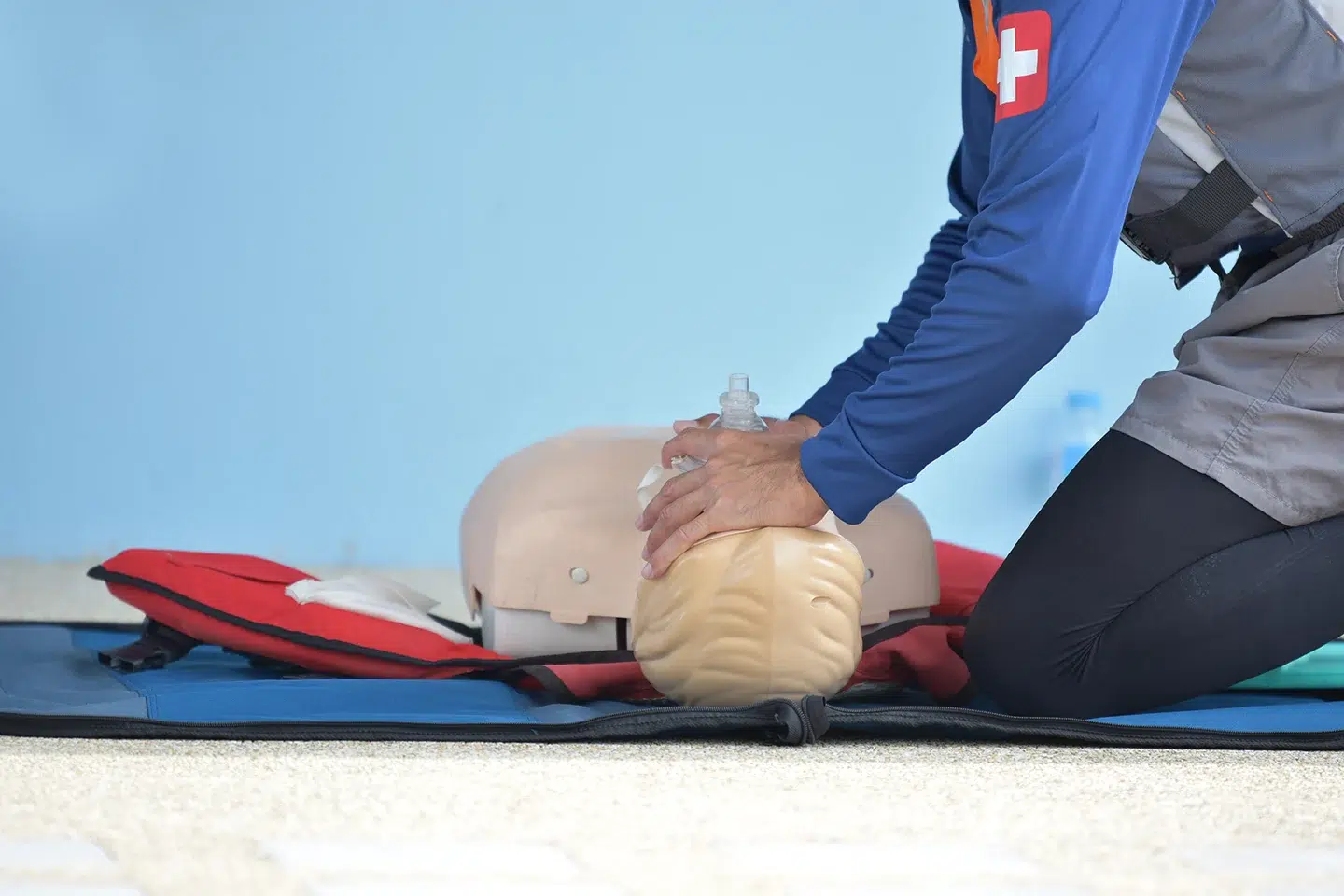
Someone nearby might need help right away, but what would happen if no one knew what to do? In everyday life, emergencies can happen without warning. People who can think quickly and have the right skills can save lives in those situations.
People can act with confidence when they know basic life-saving skills. It calms people down and raises the chances of a good outcome. People of all ages and walks of life can use these skills.
This article talks about important strategies and what people can learn to really make a difference when things go wrong. Keep reading!
Understanding Basic Emergency Response
At first, you need to be aware of the emergency before you can handle it. The first thing that needs to be done is to quickly acknowledge that there is a problem. This assists us in determining what further steps to take.
It is essential to be aware of when it is appropriate to do so. By doing so, it ensures that professional assistance arrives in a timely manner. Quickly responding to situations improves the situation.
Learning CPR and First Aid Skills
You are required to be familiar with cardiopulmonary resuscitation (CPR) and first aid. A person is able to maintain their stability until assistance arrives. This has the potential to prevent further damage.
The training will walk you through each step of the process. It instills a greater sense of self-assurance in you to deal with unexpected situations. It is possible to improve these skills by using them more frequently.
Staying Calm Under Pressure
Remaining calm in the face of a crisis is of the utmost importance. Feelings of panic can make it more difficult to make decisions. This has the potential to alter the outcomes.
Maintaining control of your breathing is an effective way to maintain focus. When you’re under a lot of pressure, it helps you think more clearly. A calm demeanor is time-saving.
Practicing Regular Training
Regular practice helps keep skills sharp. It ensures techniques are remembered when needed. This improves response time.
Many individuals improve their readiness by completing online bls certification programs, which provide structured learning and help build confidence in handling real-life emergency situations. Training supports preparedness.
Helping Others with Confidence
People are more likely to take action in times of crisis when they have confidence. Individuals are able to assist others without being asked to do so. Indeed, this does make a difference in the game.
Those who are prepared are also capable of leading others. In challenging circumstances, they can assist individuals in working together. Trust is built through having faith.
Promoting Safety Awareness
Having a safety consciousness helps prevent unexpected events. Individuals are able to take precautions when they are aware of the potential dangers. Because of this, things are safer.
The community is made safer when individuals share what they know. As a result, the environment becomes more prepared. Knowing something can help save lives.
Empowering Everyday Heroes Through Practical Life-Saving Skills
Learning how to save lives gives people the confidence to act quickly and effectively in emergencies, making a real difference when it matters the most. To make things better and keep others safe, people can learn basic response steps, practice CPR and first aid, and stay calm when things get tough.
Making people more aware and giving them regular training are also ways to make communities safer. Everyone can learn how to act well in stressful situations if they practice and learn the right things.
Did you like this guide? Great! Please browse our website for more!