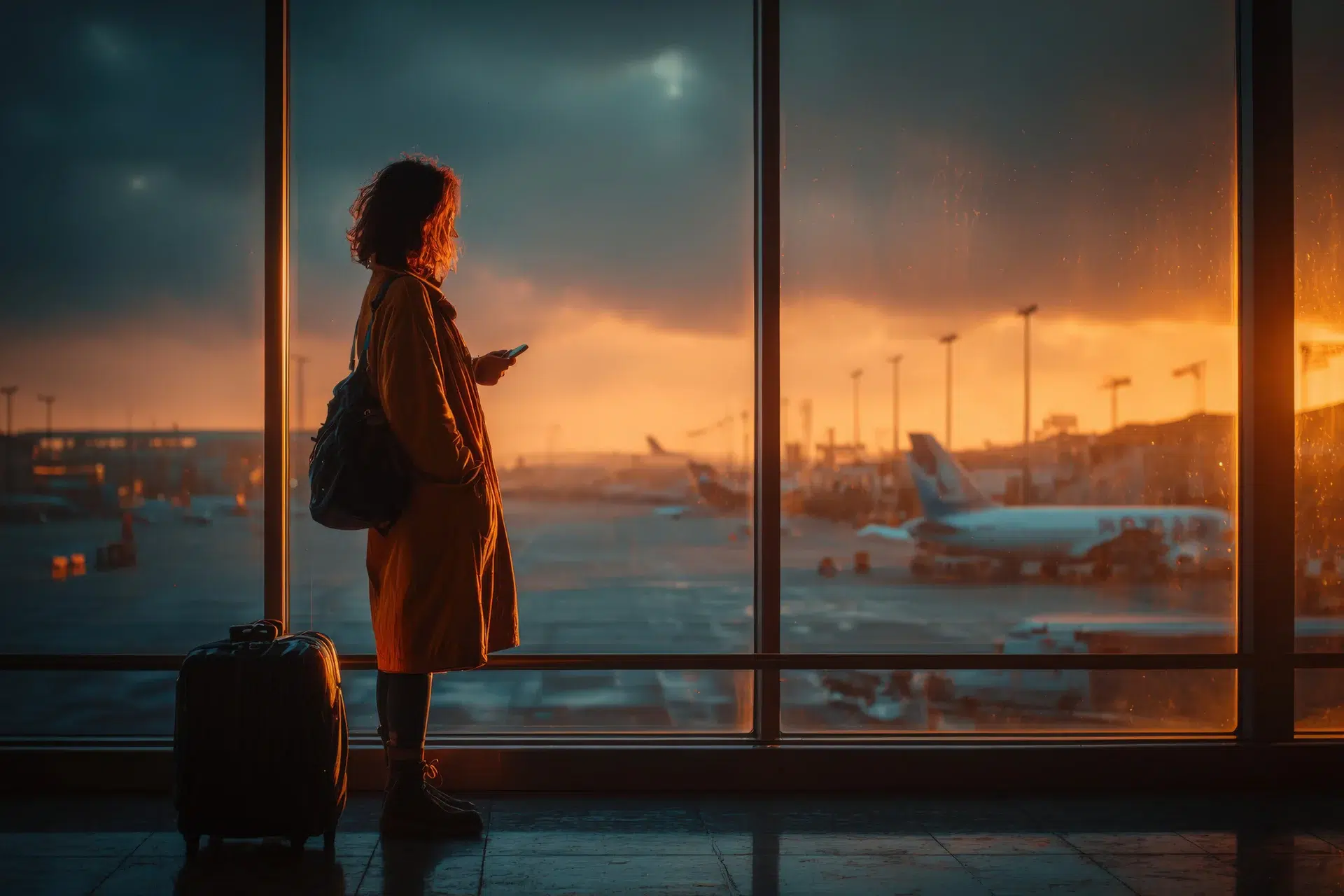
Delays, cancellations, and last-minute disruptions have become an increasingly familiar part of modern air travel, affecting everything from commercial first-class itineraries to tightly coordinated international connections. For travelers accustomed to precision, these interruptions are more than logistical; they are experiential, reshaping the tone of an entire trip.
While private aviation offers a measure of insulation, the reality is that most global travel still relies on commercial carriers. And within that ecosystem, understanding passenger rights has quietly evolved into an essential aspect of traveling well.
In contrast to Europe’s structured EC261 regulations, the United States operates within a far less defined framework, leaving many travelers unaware of what recourse may be available when disruptions occur. The result is often missed opportunities, not only to recover losses but to navigate delays with greater clarity and control.
Increasingly, travelers are turning to specialized services that bring transparency to this process. Platforms such as AirHelp have emerged to simplify what can otherwise be an opaque system, offering guidance on eligibility and assisting with claims where applicable. For those navigating delays stateside, resources like flight delay compensation in the US with the help of AirHelp provide a clearer understanding of how compensation may apply within the U.S. travel landscape.
Of course, seasoned travelers approach disruptions with a degree of foresight. Early departures, generous connection windows, and airline selection all play a role in mitigating risk. Access to private lounges, dedicated concierge services, and flexible booking structures further ensure that even unexpected delays can be absorbed with minimal disruption.
Yet the broader shift is unmistakable. Luxury today is no longer defined solely by access or exclusivity, but by control over time, experience, and outcome. In that context, understanding how to navigate delays is not simply practical; it is part of traveling well.
Flight disruptions may remain inevitable. How they are managed, however, is increasingly becoming a marker of modern luxury itself.