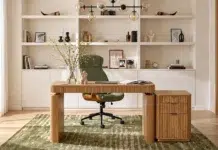
Listing films of a house often fail in the hallway. The stills were approved, the flowers were placed, and then the moving version opens a door into a room that was never photographed. A quiet interior does not need a new architecture. It needs the approved frame to travel a few feet and stop on a frame you already chose, which is the job of a seedance 3 AI Video Generator pass when the reference is the room itself.
Luxury features already know this problem from print. A table, a hearth, or a window seat is art-directed once. Motion is asked for later, usually because a brand page or a listing wants something that plays. If the motion redesigns the millwork, the feature is lying about the house. The useful cut is the one a stylist can still recognize.
A Room Walk Fails When The House Changes
The contradiction is simple. Clients want the room to feel alive, and they also want every object where the stylist left it. A slow push can do both. A generative walk that invents a second sofa cannot. Check the cut the way you would check a proof: the rug edge, the lamp height, the art on the far wall. If any of those drifted, the file does not go to the feature, no matter how flattering the light became.
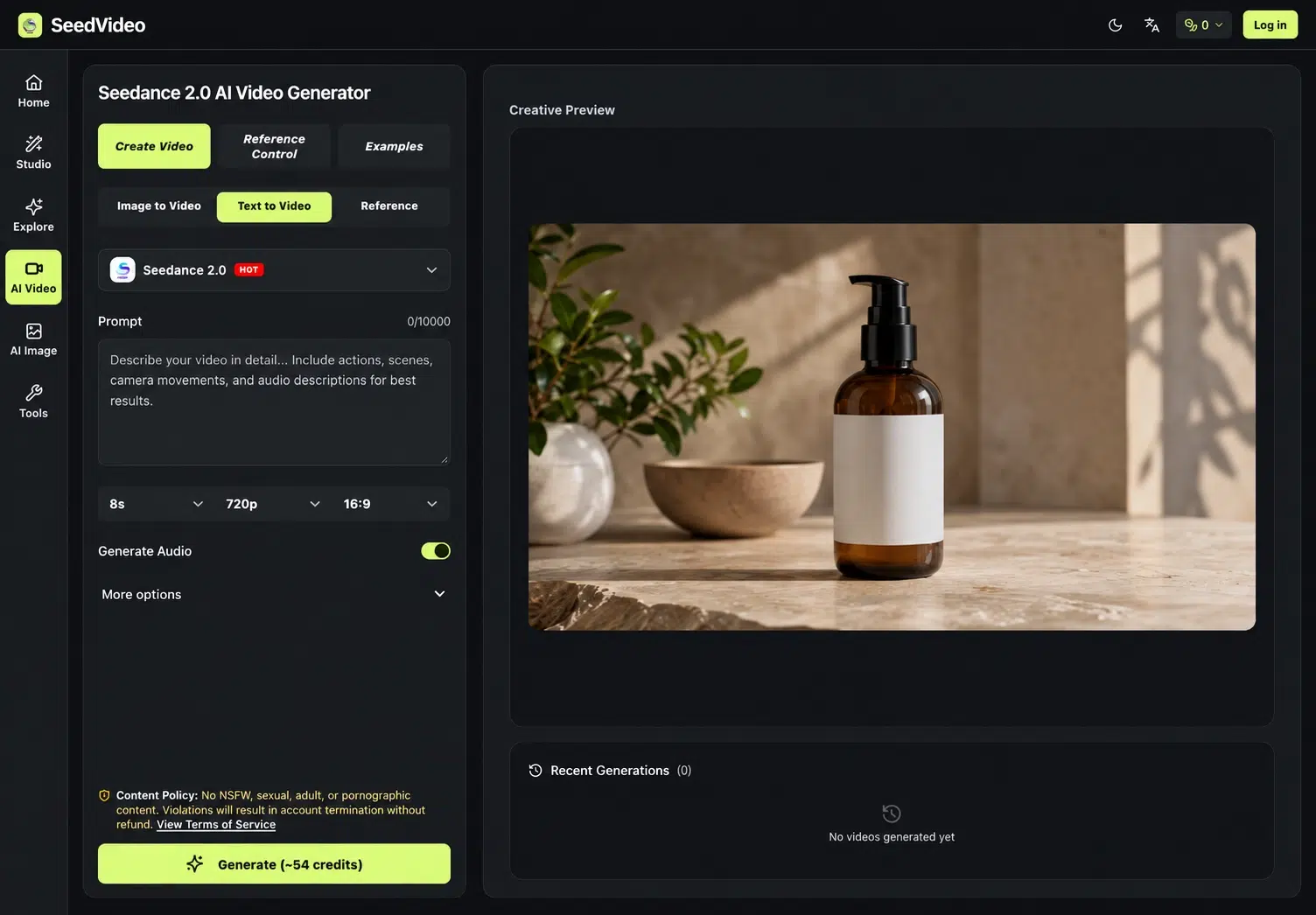
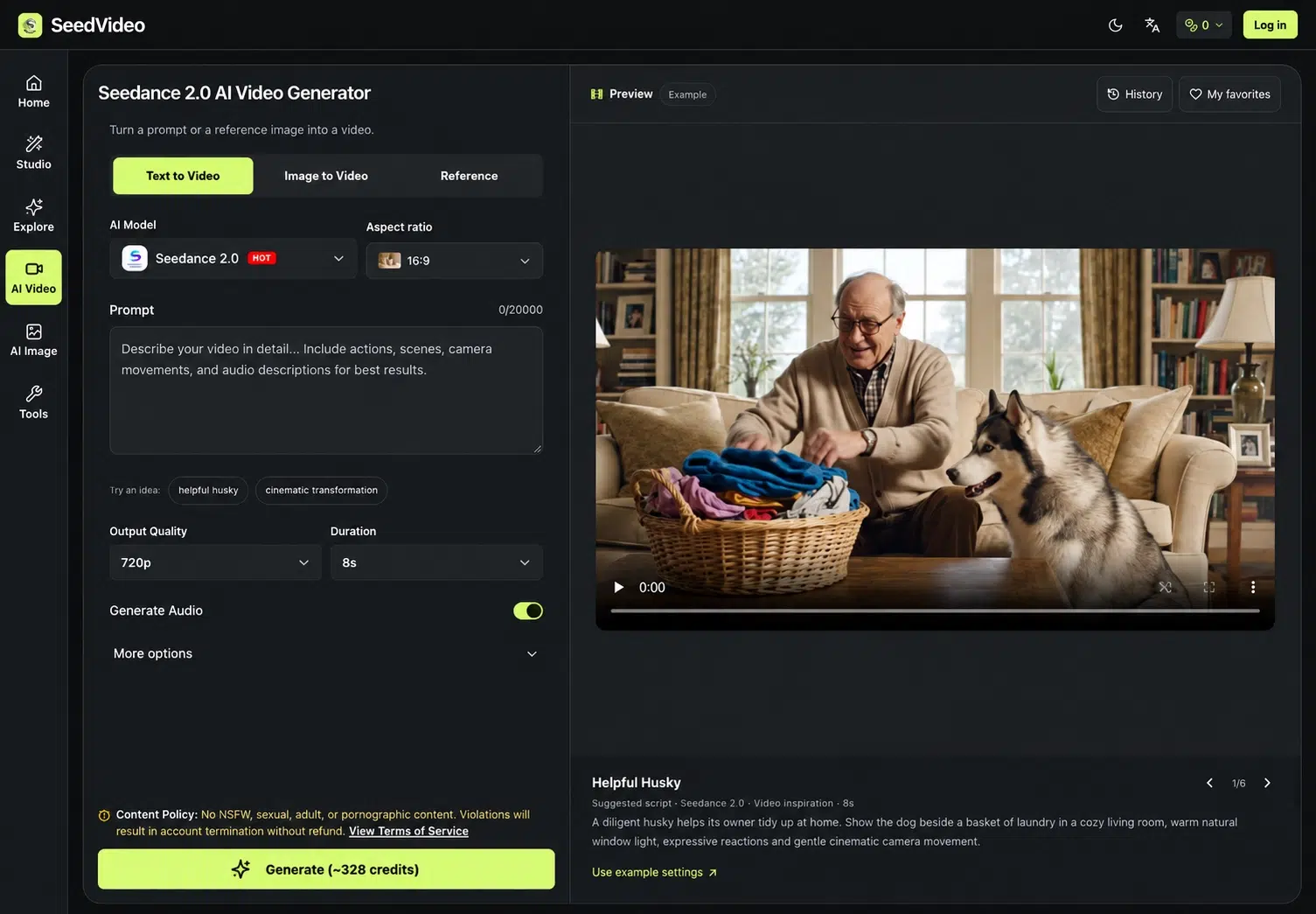
That standard is stricter than a social teaser and looser than a measured survey. Nobody is asking the clip to replace an architect’s drawing. They are asking it not to move the furniture. SeedVideo is the independent studio that takes the still and the direction. The model behind the video is Seedance, from ByteDance, and the page says the studio is not that company. For a house story, the practical point is the workspace: image in, words for the move, a clip out.
Start From The Still The Stylist Already Approved
Image to video on this bench starts from a picture. Bring the frame the editor already signed, not a mood image from another property. The page describes uploading an image as the reference and generating motion from it. One room, even light, the full subject in frame. A cropped chandelier with no ceiling line gives the model a hole it will fill, and the fill is how a quiet house becomes a different house.
Say what may move and what may not. Curtain air, a shift of sunlight, a person crossing far in the background: those are motion. The table setting, the sculpture, the book titles on the spine: those stay. Write that split in plain language. The more the prompt talks about atmosphere and the less it talks about the objects, the more room there is for a wrong chair.
Last Frame Is The Shot You Mean To Land On
The workbench shows a Last Frame control next to the prompt. For an interior, that control is the point of the exercise. You are not asking for an endless glide through a fantasy plan. You are asking the camera to leave the opening still and arrive on a second frame you can defend, often the hearth, the table, or the view the listing already uses as its hero. If you do not know the arrival, do not generate yet. A walk with no destination is how hallways multiply.
Set The Arrival Before You Describe The Move
Pick the landing still first. It can be another approved photograph of the same room, used so the clip has a place to finish. Then describe the move as a short bridge: a gentle push, a slight rise, no new walls. The page also lets you reference camera movement from a video when you have one you trust. A reference move from a different house is a bad idea, because the model is invited to copy that hallway. Use a move filmed in this room, or skip the video reference and let the two stills carry the job.
How Picture And Room Tone Stay Together
Built-in audio on the page can follow the picture or an uploaded track. A house feature usually wants room tone: cloth, a distant door, nothing that talks over the space. Dialogue is the wrong layer unless someone is actually in the scene and the story needs them. If a music bed exists for the brand, the page says the picture can sync to an uploaded beat. For a quiet interior, that sync should be almost invisible. The eye is on the landing frame, not on a hit.
Keep the audio decision smaller than the picture decision. A beautiful tone track will not save a clip that moved the sofa. Watch the picture with the sound off first. If the room still matches, then listen.
| Decision | Use the still | Leave it out |
| Opening | The signed room photograph | A reference from another property |
| Arrival | Last Frame set to the hero view | An open-ended glide |
| Sound | Room tone or a quiet bed | A speech the room never had |
| Motion | Light, cloth, a short push | New furniture or a new plan |
Read the table as a filter, not as a menu of effects. Each row is a way to refuse a change the stylist did not approve. The generator can add life. It should not add inventory.
Wide 16:9 Fits A Room Better Than A Portrait Crop
The home studio shows 16:9 as the aspect ratio on the bench. A wide frame matches how a room is usually published in a feature: both walls, the floor line, the window. A portrait crop cuts the context that proves it is the same room. Lock 16:9 unless the placement is a story frame that was designed tall on purpose. Do not let the export pick a shape after the fact and then crop the proof away.
Keep Labels On Art And Bottles Readable
Interiors hide small text in plain sight. A wine label, a book spine, a gallery card, a room number beside a suite door. The consistency notes on the model include text, which is relevant here only as a check: if a label becomes a different word, the clip is inventing a product the house does not serve. You do not need every bottle sharp. You need the ones the camera lands on to remain the ones that were styled. If they are not, reject that pass and return to the still.
A Reference Move Without Restaging The Furniture
Precise camera control is one of the claims on the page: show a move, and the model can follow choreography or a cinematic push without a paragraph of lens language. In a house, the move worth copying is the one a photographer already walked, slowly, with the same furniture in place. Upload that only when it is this property. The page is also clear that you can extend a clip or edit a segment while the rest stays. Use an extension when the arrival is right, and the walk is a second short. Do not use it to tour a wing the stills never covered. That is a reshoot problem, and it wastes the afternoon the stylist already spent.
Time is the real ledger on a feature, not a second look at a rate card. A wrong room means the editor reopens the layout, the writer rewrites the caption, and someone has to explain why the hearth moved. A right room means the still and the clip can sit in the same story. SeedVideo’s estimate appears before you generate, so the cost of a try is visible first. The number changes with resolution, length, and whether a reference video is attached. Read it, then decide if this particular walk is worth that try. Do not collect a stack of alternate houses.
What A House Feature Should Publish
Publish the clip when a person who knows the property can name the room in the first second and still name it in the last. The opening still, the Last Frame, and a 16:9 frame are the three locks. Sound stays quiet. New furniture is a failed file.
SeedVideo fits this because the bench is built around a reference and a described move, not around a blank prompt that has to imagine the house. The model can carry a gentle camera. The feature still has to insist on the room that was actually styled. If the landing frame matches the hero still, the walk has done its job. If it does not, the photograph was already the better picture, and it should run alone.