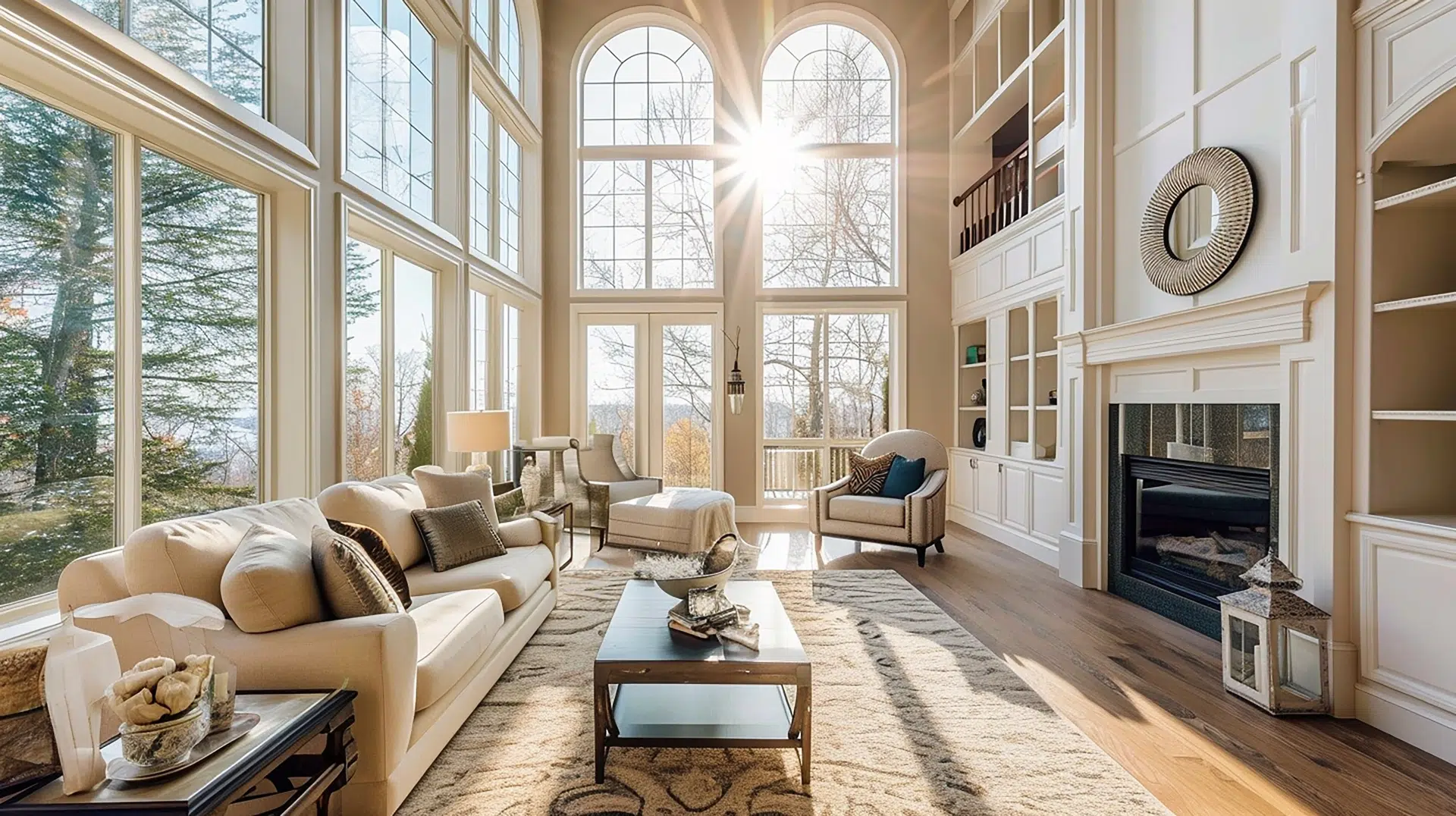
Selling a home often raises an important question: should you renovate before putting your property on the market? While improvements can make a home more appealing and potentially increase its value, not every renovation will provide a worthwhile return. Before spending thousands of pounds on upgrades, it is important to consider your property’s condition, the local market, and what potential buyers are actually looking for. Speaking with experienced Mansfield estate agents can also help you identify which improvements are likely to make the biggest difference when selling your home.
Consider Your Property’s Current Condition
The first step is to take an honest look at your home. Does it require essential repairs, or are you simply considering cosmetic improvements? There is a significant difference between fixing obvious problems and undertaking a major renovation.
Issues such as damaged roof tiles, damp, faulty electrics or broken fixtures could discourage potential buyers and may need to be addressed before selling. Buyers may worry that visible problems indicate further hidden issues, which could lead them to make lower offers or avoid the property altogether.
On the other hand, an outdated kitchen or bathroom does not always need to be completely replaced. If everything is functional, a few smaller updates may be enough to improve the overall appearance without the cost of a full renovation.
Focus on Improvements That Add Appeal
If you decide to make improvements before selling, focus on areas that are likely to appeal to a wide range of buyers. Simple updates can often have a greater impact than expensive or highly personalised renovations.
For example, redecorating rooms in neutral colours can help make the property feel brighter and allow potential buyers to imagine making the space their own. Replacing worn carpets, repairing damaged walls and updating old light fittings can also make a noticeable difference.
The kitchen is often considered one of the most important rooms when buyers view a property. However, you may not need to install an entirely new kitchen. Repainting cabinet doors, replacing handles, updating worktops or improving the lighting could give the room a fresher appearance at a lower cost.
The same approach can be taken with bathrooms. Replacing damaged sealant, fixing leaking taps and refreshing tired-looking fixtures may be enough to create a cleaner and more attractive space.
Avoid Over-Improving Your Home
One of the biggest risks when renovating before selling is spending more money than you are likely to recover through the sale.
It can be tempting to install a luxury kitchen, expensive flooring or high-end bathroom fittings in the hope of achieving a higher asking price. However, the local property market may place a limit on how much buyers are willing to pay for homes in a particular area.
For example, spending £30,000 on improvements does not necessarily mean your property’s value will increase by the same amount. In some cases, buyers may appreciate the upgrades but still compare the property with other homes available within their budget.
Before starting any major work, research similar properties that have recently sold or are currently on the market. This can give you a better understanding of the level of finish buyers expect within your price range.
First Impressions Matter
The exterior of your property can play a major role in attracting potential buyers. A home that looks well maintained from the outside can encourage people to book a viewing, while an untidy or neglected exterior may create a negative first impression.
Fortunately, improving kerb appeal does not always require a large budget. You could tidy the garden, remove weeds, clean pathways and repaint the front door if necessary. Repairing damaged fencing or replacing broken house numbers can also help create a more welcoming appearance.
Pay attention to the entrance of your property as well. A clean, well-presented doorway can set a positive tone before potential buyers even step inside.
Think About Your Target Buyer
The type of buyer you are trying to attract should also influence your decision. A first-time buyer may prefer a property that is ready to move into, while an experienced homeowner or property investor may be more willing to take on improvements themselves.
If your property is likely to appeal to families, practical features such as storage, usable living space and a well-maintained garden may be more important than luxury finishes. Understanding what buyers value can help you avoid spending money on improvements that are unlikely to influence their decision.
It is also worth remembering that buyers have different tastes. A highly personalised renovation may suit your preferences but could limit the property’s appeal to others. Neutral and practical improvements are often a safer choice when preparing a home for sale.
Sometimes Selling As It Is Makes Sense
Renovating is not always necessary. In some situations, selling the property in its current condition may be the better option, particularly if major work is required.
Some buyers actively look for properties they can renovate according to their own preferences. If you are considering extensive improvements, you may find that the time, disruption and cost outweigh the potential increase in value.
Selling without completing major renovations can also allow you to move forward more quickly. Instead of spending months managing building work, you can focus on presenting the property as cleanly and attractively as possible.
Get Professional Advice Before Spending
Before committing to any significant renovation, consider getting advice from a local property professional. An estate agent can provide insight into what buyers are currently looking for and whether particular improvements are likely to increase your property’s appeal.
They can also help you understand the price range of similar homes and identify whether your property has any obvious weaknesses compared with competing listings.
Ultimately, the decision to renovate before selling should be based on the likely return rather than simply making the property look more expensive.
Final Thoughts
Renovating your home before selling can be worthwhile, but it is important to choose your improvements carefully. Essential repairs, cosmetic updates and improvements that enhance first impressions can often make a positive difference without requiring a major investment.
Before spending money, consider your local market, the condition of your property and the type of buyer you want to attract. Avoid over-improving your home and focus on practical changes that will help it stand out for the right reasons.
In many cases, a clean, well-maintained and neutrally presented property can be just as appealing as one that has undergone an expensive renovation. By making informed decisions and focusing on improvements that offer genuine value, you can prepare your home for sale with greater confidence.