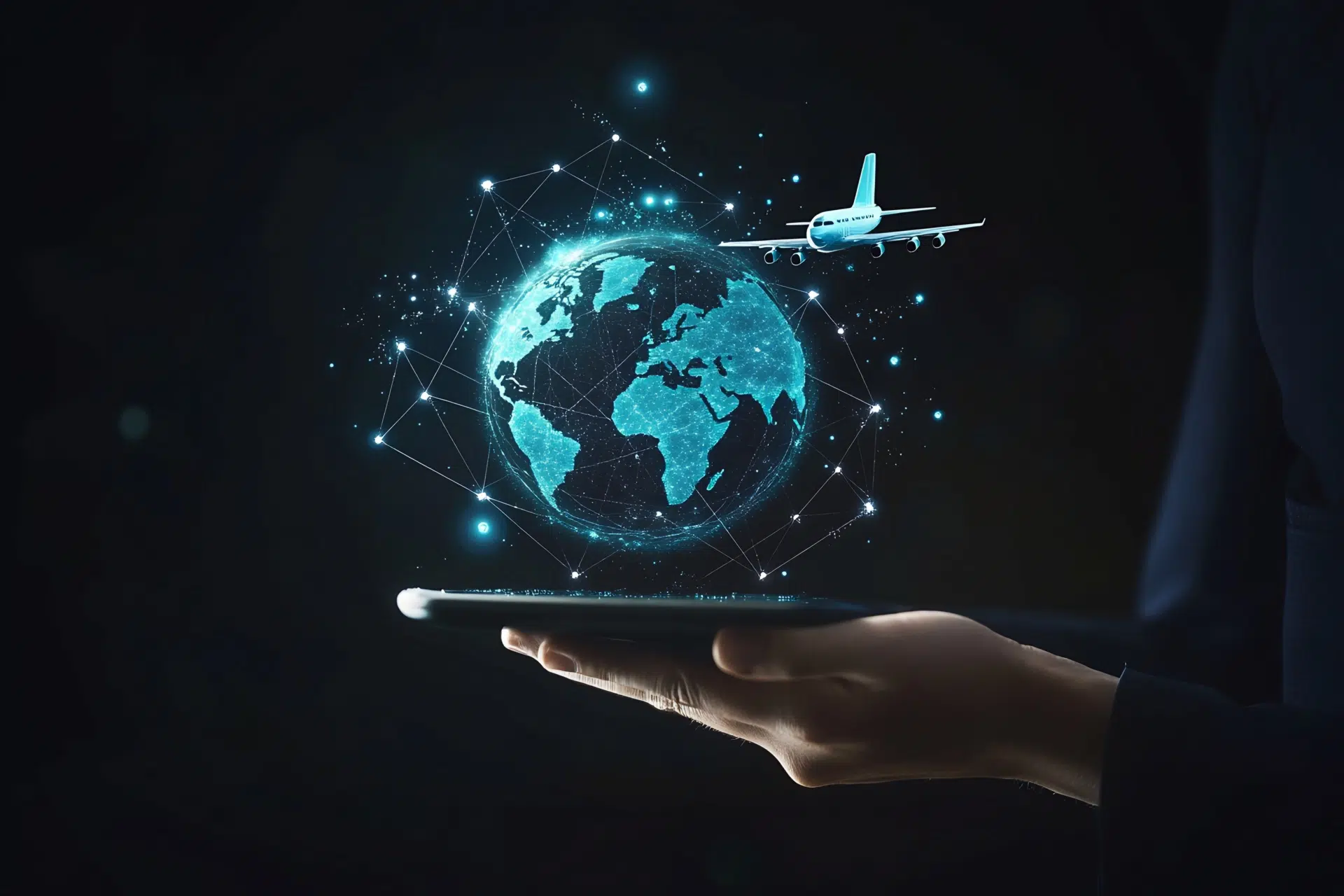
The travel industry is experiencing a remarkable transformation as we approach 2026, driven by technological innovation, changing consumer preferences, and a growing emphasis on sustainability. From artificial intelligence reshaping customer experiences to new approaches in sustainable tourism, the landscape is evolving faster than ever before. Understanding these emerging trends is essential for anyone involved in or passionate about the future of travel.
Artificial Intelligence Becomes Your Personal Travel Companion
Artificial intelligence is no longer just a buzzword in travel planning. By 2026, AI-powered tools are expected to handle everything from itinerary customization to real-time problem-solving during trips. These intelligent systems learn from your preferences, budget, and past travel behavior to suggest destinations and experiences you’ll genuinely enjoy.
What makes this particularly exciting is the level of personalization now possible. AI chatbots can instantly rebook flights when delays occur, suggest nearby restaurants based on your dietary restrictions, and even predict which attractions you’ll find most meaningful based on your interests. The technology has moved beyond simple automation to become a genuinely helpful travel partner that anticipates your needs before you even realize them yourself.
Sustainable Travel Shifts from Trend to Standard
Environmental consciousness has moved from a nice-to-have feature to an absolute expectation among travelers. Hotels, airlines, and tour operators are implementing comprehensive sustainability programs that go far beyond token gestures like reusing towels. Carbon-neutral flights, zero-waste accommodations, and regenerative tourism experiences are becoming the baseline rather than premium offerings.
Travelers themselves are driving this change by voting with their wallets. Recent surveys indicate that the majority of consumers are willing to pay more for eco-friendly travel options, and they’re increasingly researching the environmental impact of their trips. This shift is compelling even reluctant industry players to adopt greener practices or risk losing market share to more progressive competitors.
Bleisure Travel Redefines Work-Life Integration
The boundary between business and leisure travel continues to blur as remote work becomes permanently embedded in corporate culture. Bleisure travel, where professionals extend business trips for personal enjoyment or work remotely from vacation destinations, is experiencing explosive growth heading into 2026.
Companies are adapting their travel policies to accommodate this trend, recognizing that it can improve employee satisfaction without significantly increasing costs. Hotels and destinations are responding by creating spaces that seamlessly blend productivity with relaxation, offering high-speed internet alongside resort amenities. This evolution reflects a broader cultural shift toward prioritizing experiences and flexibility over traditional work structures.
Contactless Technology Enhances the Guest Experience
The push toward contactless interactions that accelerated during the pandemic has evolved into a permanent feature of the travel experience. By 2026, digital keys, facial recognition check-ins, and app-based service requests will have become standard across the hospitality sector. These technologies aren’t just about hygiene anymore; they’re about convenience and efficiency.
Travelers appreciate the ability to bypass front desks entirely, access their rooms immediately upon arrival, and control room settings through their smartphones. For those keeping up with travel industry news, it’s clear that properties investing in these technologies are seeing higher guest satisfaction scores and operational efficiencies that benefit both customers and bottom lines.
Experiential and Transformative Travel Takes Center Stage
Modern travelers increasingly seek experiences that change them rather than just entertain them. Wellness retreats, cultural immersion programs, and adventure travel that push personal boundaries are seeing tremendous growth. People want to return home with new skills, perspectives, and personal growth, not just photographs.
This trend is reshaping how destinations market themselves and how tour operators design their offerings. Instead of highlighting amenities and attractions, they’re emphasizing transformation, learning, and authentic connections with local cultures. The focus has shifted from collecting passport stamps to collecting meaningful experiences that contribute to personal development.
Conclusion: Embracing Change in an Evolving Industry
The travel industry in 2026 looks dramatically different from just a few years ago, shaped by technology, sustainability demands, and evolving traveler priorities. These trends aren’t isolated developments but interconnected changes that reflect broader shifts in how we live, work, and seek meaning in our experiences. For travelers, this evolution promises more personalized, sustainable, and enriching journeys. For industry professionals, it presents both challenges and exciting opportunities to innovate and better serve the next generation of explorers. The future of travel is here, and it’s more dynamic than ever.