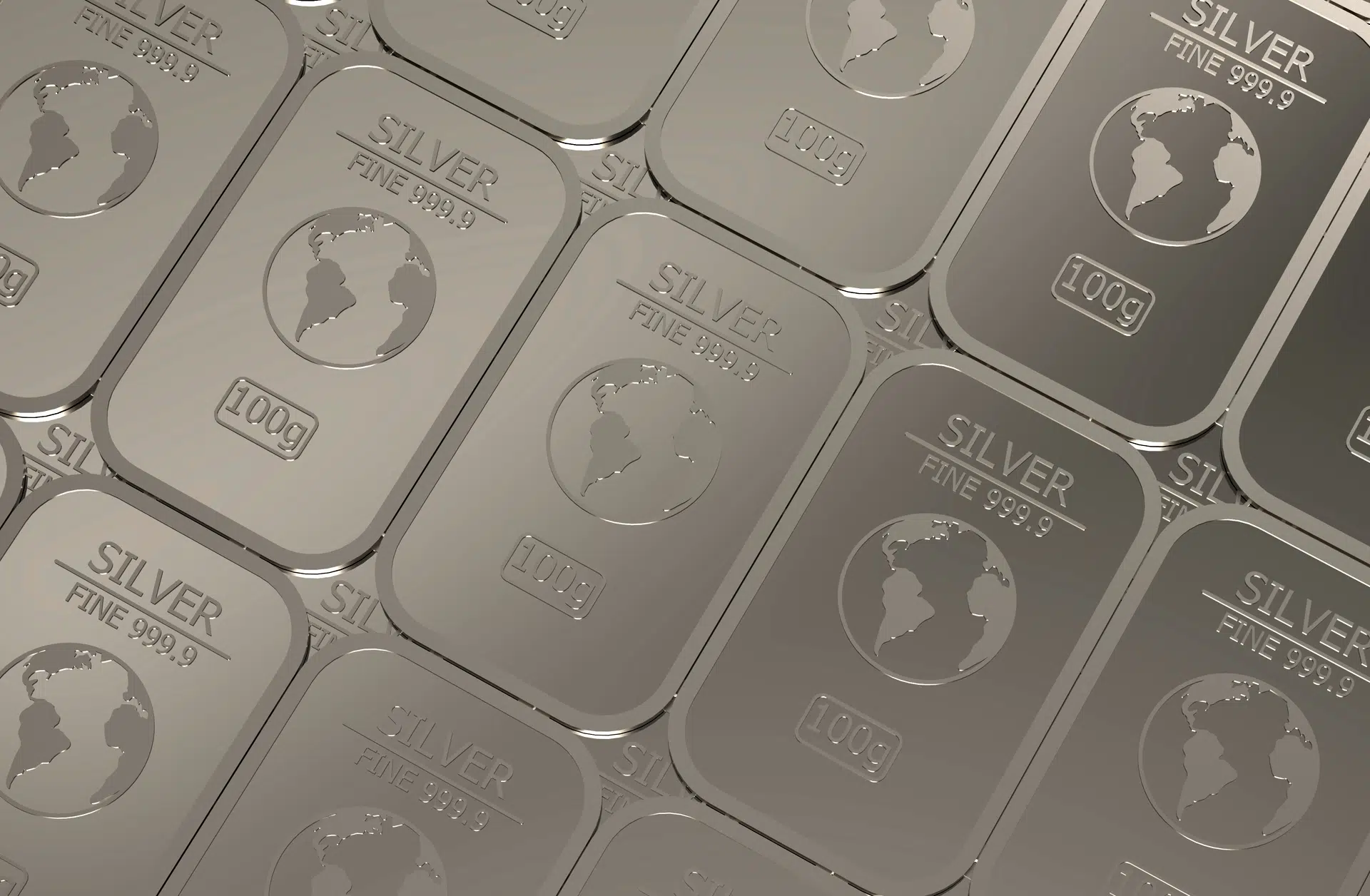
Silver bullion represents physical silver refined to a high purity level and shaped into standardized forms for investment and storage. It is widely recognized across global markets, making it one of the most accessible tangible assets for individuals searching for exposure to precious metals.
A silver bullion round is a privately minted piece that resembles a coin in shape but does not carry legal tender status; its value is tied primarily to metal content and market pricing.
Colorized silver bullion introduces a visual dimension where detailed designs and finishes create added appeal beyond raw metal form.
Silver bars are produced in different sizes, often appealing to those focused on accumulating larger quantities with straightforward pricing structures.
The precious metals market reflects ongoing shifts in supply, demand, and investor sentiment, all of which influence how silver is valued and traded across regions.
Defining Silver Bullion in Practical Terms
Silver bullion refers to physical silver that meets established purity standards, typically .999 fine or higher. This level of refinement allows it to be traded globally with minimal verification concerns.
Buyers and sellers rely on these standards when determining value, which helps maintain consistency across transactions.
Unlike collectible silver items that carry artistic or historical significance, bullion is valued primarily for its metal content. Its pricing closely follows market conditions, allowing it to move in line with broader economic trends.
Standardization plays a major part in bullion recognition. Weight markings, purity stamps, and mint identifiers all contribute to how these products are evaluated in both retail and wholesale markets. These features allow buyers to assess authenticity without extensive testing.
Why Physical Silver Continues to Attract Attention
Interest in physical silver often increases during periods of economic uncertainty. Tangible assets offer a sense of control that differs from digital or paper-based investments. Silver, in particular, attracts attention due to its lower entry point compared to gold.
Market participants often view silver as a way to diversify holdings without committing to higher-priced metals. Its accessibility allows a wider range of buyers to participate in the precious metals space.
Industrial demand also supports interest in silver. Its use in electronics, solar panels, and medical applications creates ongoing consumption that interacts with investment demand. This dual demand structure contributes to price movement across different economic cycles.
Ownership of physical silver removes reliance on third-party financial systems. This independence appeals to those who seek direct control over a portion of their assets. Storage methods differ, though many individuals focus on secure environments that protect long-term value.
Forms of Silver Bullion and Their Differences
Silver bullion is available in several distinct formats, each appealing to different preferences and objectives. Bars, rounds, and coins all exist within the same market but carry different characteristics that influence how they are used and valued.
Bars are often chosen for efficiency. Their production process is straightforward, which can result in lower premiums compared to more intricate forms. Larger bars appeal to those interested in holding considerable quantities in compact form.
Rounds offer a middle ground between bars and coins. Their design can include detailed imagery while still focusing on metal content. Since they are privately minted, their pricing structure differs from that of government-issued coins.
Coins add another layer of interest due to their legal tender status. This designation can influence demand in certain markets, even though their intrinsic value remains tied to silver content. Some buyers appreciate the added recognition that government minting brings.
Each format reflects a different balance between appearance, recognition, and cost. Selection often depends on individual goals rather than a single universal preference.
Pricing Influences That Shape Silver Bullion Value
The value of silver bullion begins with the spot price, which reflects real-time trading activity in global markets. This baseline is influenced by economic indicators, currency strength, and overall market sentiment.
Physical silver typically trades above spot price due to fabrication, distribution, and handling costs. These added components create a premium that can differ based on product type and market conditions.
Demand can shift these premiums over time. Periods of heightened interest may lead to tighter supply, which can increase the cost of physical products relative to spot pricing. Lower demand environments may result in narrower differences.
Minting complexity also affects pricing. Products with intricate designs or specialized finishes often carry higher premiums compared to standard bars or rounds. This reflects the additional work involved in their production.
Market transparency allows buyers to compare pricing across different sources. This visibility supports educated decision-making when evaluating silver purchases.
The Effect of Global Markets on Silver Demand
Silver exists within a globally connected market where economic developments in one region can influence demand elsewhere. Manufacturing growth, technological advancement, and energy production all contribute to how silver is consumed.
Investment demand responds to broader financial conditions. Market uncertainty often leads to increased interest in tangible assets, while stable periods may shift attention toward other investment categories.
Currency fluctuations also shape how silver is priced internationally. Since it is commonly valued in U.S. dollars, changes in currency strength can influence purchasing behavior across different regions.
Supply constraints may arise from mining disruptions or logistical challenges. These conditions can affect availability and pricing in the short term, contributing to market volatility.
Global interaction creates a continuous pricing cycle where new information is reflected quickly in market behavior. This responsiveness keeps Silver lined up with fluctuating economic conditions.
Why Investors Are Increasing Their Silver Holdings
Many investors are expanding their silver holdings due to its combination of accessibility and market relevance. Its lower cost compared to gold allows incremental accumulation, which can fit a range of financial strategies.
Silver’s industrial demand adds another dimension to its appeal. Growth in renewable energy and electronics manufacturing continues to drive usage, which interacts with investment demand in shaping price trends.
Diversification remains a common objective among market participants. Holding physical silver alongside other assets introduces a different type of exposure that reacts differently to economic changes.
Long-term accumulation strategies often focus on consistency rather than timing. Gradual purchasing can help average out price fluctuations, creating a balanced approach to building a physical silver position.
Ownership also carries a psychological component. Tangible assets offer a sense of permanence that differs from digital investments, which can influence decision-making during uncertain periods.
Storage and Liquidity Considerations
Physical silver requires careful storage to maintain its condition and accessibility. Common approaches include home safes, secure vault facilities, and insured storage solutions. Each option reflects different priorities related to access and security.
Liquidity is another consideration when evaluating silver bullion. Standardized products are generally easier to sell due to widespread recognition. Buyers often look for familiar weights and purity markings when entering transactions.
Market demand influences how quickly silver can be converted into cash. High-demand periods may support faster sales, while quieter markets may require more patience.
Condition also affects resale potential. Proper handling and storage help preserve the appearance and integrity of silver products, which can influence buyer interest during resale.
A Clear Perspective on Silver Bullion Growth
Silver bullion represents a tangible form of wealth that connects directly to global market activity. Its standardized nature allows it to move easily across trading environments, while its physical presence offers an alternative to purely digital assets.
Interest in silver continues to grow due to its accessibility, industrial relevance, and alignment with broader economic trends. These all combine to support its position within the precious metals space as both an investment and a resource.