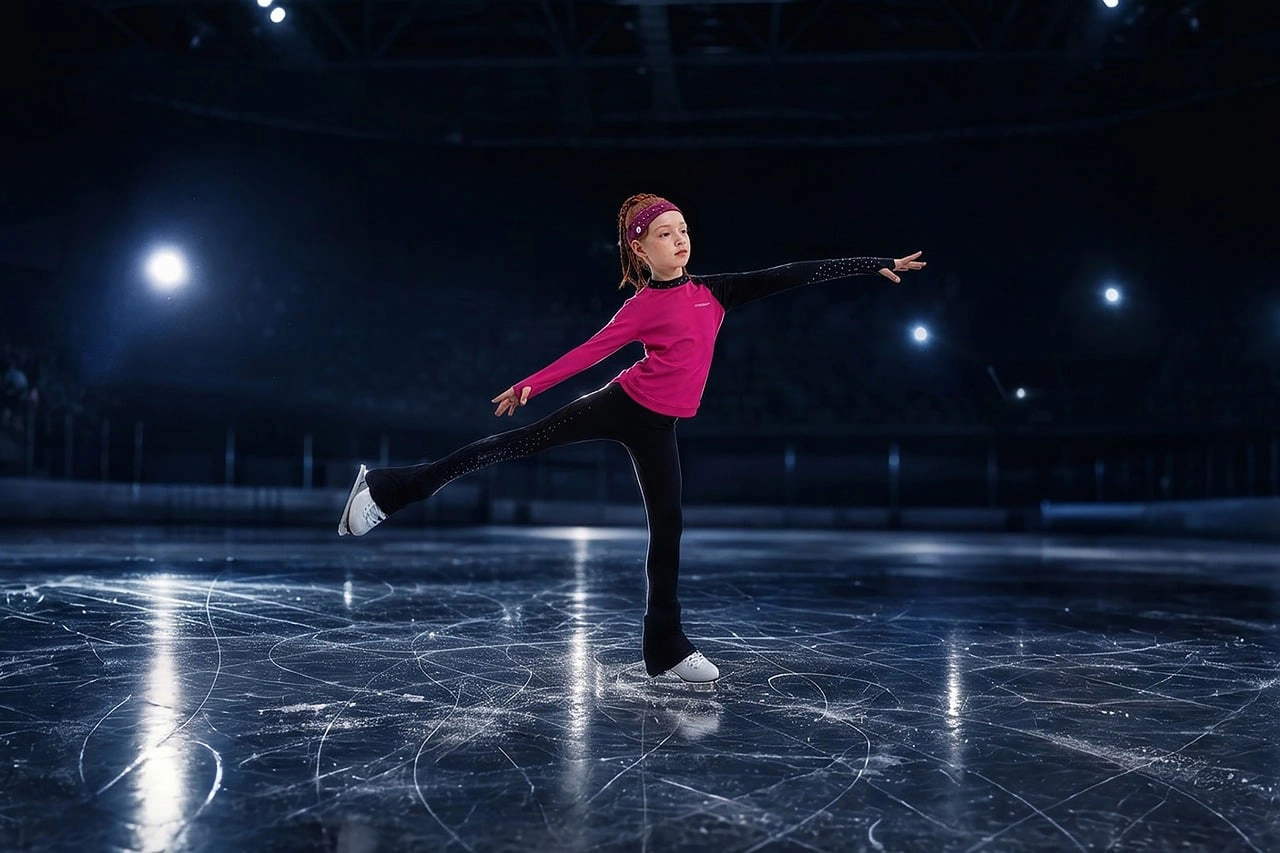
A young skater’s practice day starts before the first lap around the rink. It starts in the car, at the bench where skates are tied, during the warm-up stretches, and in the minutes after practice when the child is tired, hungry, and ready to leave. Clothing for this routine has to work on and off the ice. It should stretch, layer easily, and stay comfortable through waiting, bending, reaching, and the ride home.
Parents searching for skating apparel for kids often want something more useful than a costume. Practice clothes need to let children move without bulk. They may include leggings, a skating dress, a long-sleeve layer, a light jacket, and warm outerwear from the family’s existing winter gear when the weather calls for it. The important distinction is simple: practice layers help the child move; heavy warmth comes from the outer layer, not from pretending every technical fabric is insulation.
Before the Ice: Warm Muscles and Easy Layers
The warm-up is a small part of practice, but it reveals a lot. Children stretch calves, reach overhead, bend forward, and twist through the hips before stepping onto the ice. A top that pulls across the shoulders or a bottom that slides during lunges becomes a distraction before the lesson begins. Smooth seams and flexible fabric matter here because the child is preparing to move, not posing for a photo.
A light long-sleeve layer can work well before practice because it adds coverage without making the child feel trapped. If the rink is chilly, the child can wear a warmer coat or fleece over it until skating begins. Once the body warms up, the outer layer comes off, and the practice layer still needs to feel comfortable against the skin.
What the Main Practice Outfit Has to Handle
On the ice, clothing must allow repeated bending, balancing, pushing, and small falls. A young skater may spend half the session working on edges and the other half waiting for instruction. That means the outfit should not be so loose that it catches, or so tight that the child feels restricted. Leggings, skating dresses, and fitted practice tops all need enough stretch for movement and enough coverage for confidence.
This is where ice skating outfits should be understood in a practical way. The useful outfit is not necessarily competition gear. It is what a child can wear for weekly practice, stretching at the boards, trying a skill again, and sitting down afterward to take off skates. A clean fit, smooth feel, and easy layering plan matter more than theatrical details.
Coverage Without Bulk
Rinks can make parents overcorrect. A cold lobby or viewing area may lead to a bag full of heavy pieces, but many children warm up quickly once they skate. Bulky layers can limit arm movement or make a child feel awkward during spins, glides, and balance drills. The better approach is to separate jobs: outerwear for arriving and leaving, flexible practice clothing for the session itself.
Moodytiger fits this conversation when its activewear is used as the movement layer rather than as a substitute for a winter coat. Fabrics associated with breathability, quick dry time, and comfortable stretch can be useful during practice because children sweat even in a cold rink. Those qualities help reduce dampness and restriction, but they should not be described as a specialized thermal skating system.
The Bench and the Bag Matter Too
A practice outfit also has to survive the bench. Children sit while skates are tied, lean forward while guards are adjusted, and pull jackets on and off as adults ask whether they are warm enough. A waistband that digs during this part of the routine will be noticed. A sleeve that is hard to push up or down will slow everyone down.
The practice bag should be simple: skates, guards, gloves, a light layer, a warmer outer layer if needed, water, and a snack. Extra clothing can be useful for younger children, but the goal is not to carry half the closet. The better the main outfit works, the less a parent has to pack as insurance.
After the Session
The ride home is a second test. A child who has worked hard may be warm, slightly damp, and tired. If the practice top clings or the leggings feel cold after sweating, the discomfort becomes obvious in the car. A quick-drying, breathable layer can make the ride home easier, especially when the family is stopping for dinner or an errand before changing clothes.
Parents can also look at how the garment behaves after washing. Skating practice tends to put clothes through repeated use: knees bend, sleeves rub, bags scrape, and pieces go through the laundry often. If a top keeps its shape and a pair of leggings recovers after repeated bending, the outfit becomes dependable rather than decorative.
A Practical Rink Routine
The most useful rink outfit is one that matches the rhythm of practice. Start with flexible leggings or a skating dress that allows bending and extension. Add a long-sleeve layer that feels smooth and breathable. Bring a light jacket for the bench and a warmer coat for the trip outside. Keep gloves and small accessories in the same pocket every week so the bag is not rebuilt from scratch.
That kind of routine leaves room for children to focus on the lesson. A parent is not claiming clothing creates skill or changes development. The point is much simpler: when a skater can stretch, practice, cool down, and ride home without clothing becoming the main subject, the outfit is doing useful work. For young skaters, that practical comfort is often exactly what the rink day needs.
What Parents Can Watch From the Bench
A rink-side parent sees problems before a child explains them. Sleeves get pulled down during warm-up. A waistband gets adjusted after every spin drill. A jacket is removed because it catches at the shoulder. These are not dramatic moments, but they are signs that the outfit is asking for attention when the child should be listening to the coach.
A skating dress may be right for some practice sessions, while leggings and a long-sleeve layer may be easier for drills that involve repeated stretching. The point is not to make every rink day look like competition day. It is to give young skaters clothing that lets them warm up, move, rest on the bench, and ride home comfortably.
Good ice skating outfits for regular practice should make transitions simple: arrive warm, remove a layer if needed, move freely on the ice, and leave without damp, heavy clothes turning the ride home into a complaint.