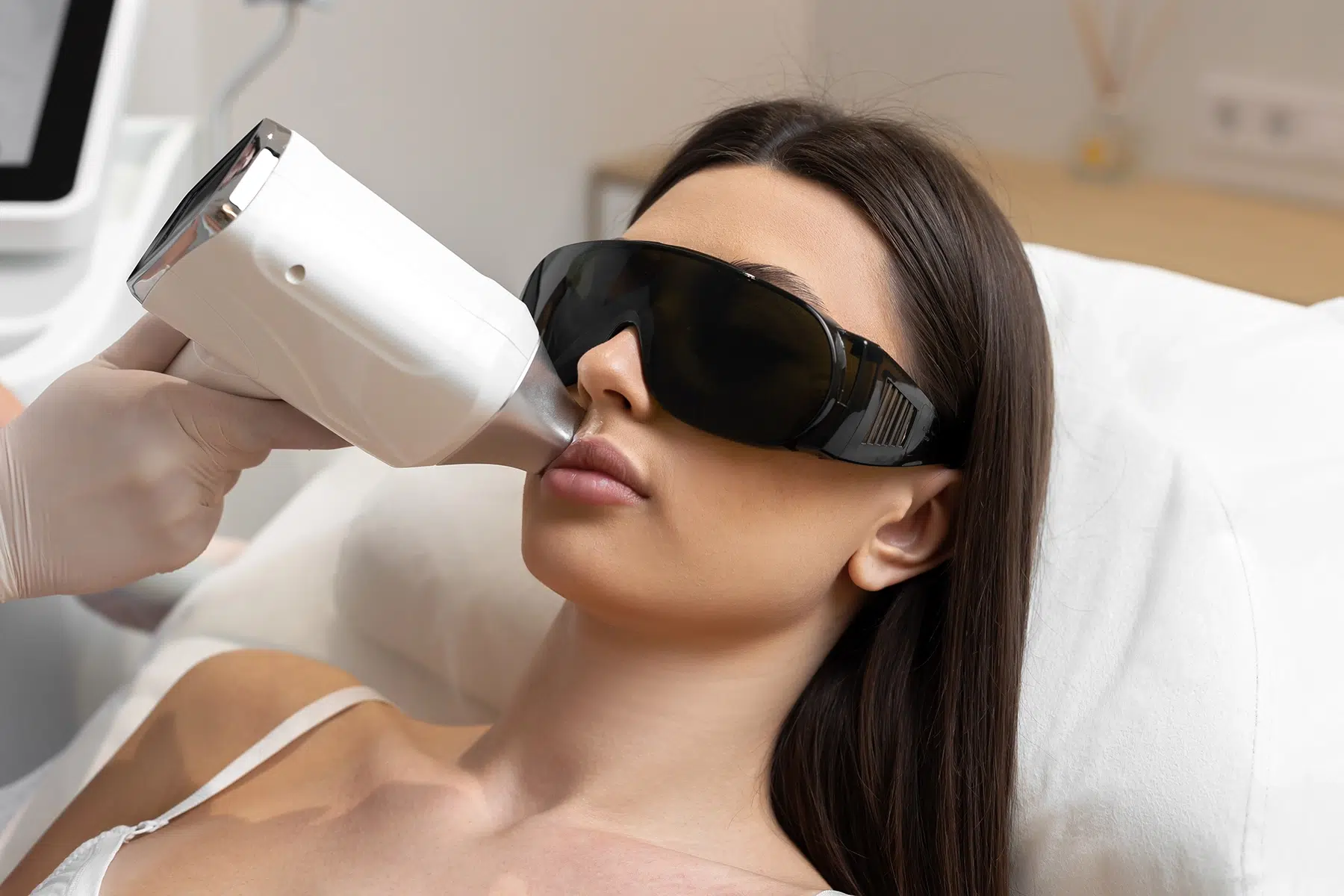
Facial hair can be a routine grooming concern, a source of irritation, or a cosmetic issue that affects confidence. Because the face is visible and the skin can be sensitive, people considering laser treatment often have detailed questions about suitability, scheduling, side effects, and cost. A careful assessment is especially important before treating areas close to the lips, jawline, cheeks, or neck.
Research into the laser treatment for hair removal cost should account for the exact facial zone being treated. A small upper-lip area differs from a full lower-face plan in appointment length and surface coverage. The amount and type of hair, along with the person’s skin tone and response to previous hair-removal methods, can also influence the recommended approach.
Facial Areas Require Precise Planning
The face includes several small areas with different hair patterns and skin sensitivities. A practitioner may separate the upper lip, chin, sideburns, cheeks, jawline, and neck when planning treatment. Defining the area precisely helps the provider apply consistent coverage and helps the client understand the price.
Precision also matters around natural hairlines and features. Some clients want broad reduction, while others want to preserve specific edges or shapes. Marking or discussing these boundaries before treatment reduces the risk of unwanted changes.
Hair and Skin Characteristics Matter
Laser systems target pigment in the hair, so colour, thickness, and density can affect the response. Fine or very light hair may respond differently from coarse, dark growth, and the practitioner should explain those limitations honestly. Skin tone also influences device selection and treatment settings.
A consultation may include questions about tanning, pigmentation changes, scarring, cold sores, medications, and skin-care products. Retinoids, exfoliating acids, and other active products may need to be paused according to professional guidance. Clients should not stop prescribed medication without speaking to the appropriate health professional.
Managing Expectations for Hormonal Hair Growth
Some people seek laser hair removal facial hair because hair growth has changed over time or appears concentrated around the chin and jaw. Hormonal influences can affect how quickly new hair develops and whether ongoing maintenance is needed. Laser treatment can reduce suitable hair, but it does not treat the underlying cause of hormonal changes.
A provider should avoid promising permanent removal of every hair. When growth is sudden, unusual, or accompanied by other symptoms, the client may benefit from discussing it with a qualified health professional. Cosmetic treatment and medical assessment can serve different purposes.
Preparing the Face for Treatment
Clients are commonly asked to avoid plucking, threading, or waxing before treatment because those methods remove the follicular target. Shaving or trimming may be recommended instead, depending on the area and the clinic’s protocol. The skin should arrive clean and free from makeup, sunscreen, oils, or fragranced products unless instructions say otherwise.
Sun exposure deserves particular attention because facial skin is difficult to keep covered year-round. Daily broad-spectrum sunscreen and adherence to the clinic’s pre-treatment guidance can help reduce avoidable risk. The provider may postpone a session if the skin is recently tanned, irritated, or compromised.
Understanding Sessions and Maintenance
Facial hair often has a different growth pattern from body hair, so appointment intervals may be shorter or adjusted over time. Multiple sessions are usually needed because only a portion of hair is in the active growth stage during any one visit. The practitioner should review progress regularly and modify the plan rather than continuing automatically.
Maintenance may be recommended for persistent or newly developing hair. Clients should ask whether touch-up appointments are included in a package and how they are priced after the initial series. This information makes long-term budgeting more realistic.
Aftercare for Visible Skin
Temporary redness or warmth can be more noticeable on the face because the area is exposed. Gentle cleansing, suitable moisturizer, sun protection, and avoiding heat or aggressive exfoliation may be recommended for a short period. Makeup should only be reapplied according to the provider’s instructions and when the skin feels calm.
Clients should receive guidance on normal reactions and warning signs. Prompt communication is important if blistering, persistent swelling, or unusual pigment changes occur. Good aftercare is part of the service, not an optional extra.
Questions to Ask Before Booking
Clients can ask how the clinic determines whether facial hair is a suitable target and how often progress is reassessed. They should also confirm who performs the treatment, whether a test spot is recommended, and how product-use instructions will be provided. This information supports safer preparation and more realistic expectations.
The clinic should also explain how appointment changes are handled if the face becomes sunburned, irritated, or sensitized by skin-care products. Flexible clinical judgment is more important than keeping an appointment at all costs. A provider should be willing to postpone treatment when the skin is not ready.
Conclusion
Facial laser treatment requires precise mapping, realistic expectations, and careful attention to skin condition. The best plan considers the specific area, hair characteristics, hormonal influences, product use, and sun exposure. These factors also help explain why costs vary between clients and treatment zones.
A detailed consultation gives clients the information needed to compare providers and prepare properly. When the treatment boundaries, session schedule, aftercare, and maintenance terms are clear, facial hair reduction can be approached with greater confidence.