Vegan dining has evolved far beyond the era of simple salads and meatless substitutions. Long before plant-based menus became commonplace, a handful of restaurants were already proving that vegetables, grains, mushrooms, tofu and other plant-based ingredients could support meals that felt thoughtful, polished and genuinely indulgent.
From Korean-inspired dining in Manhattan to one of Connecticut’s long-standing vegan institutions, these restaurants helped move plant-based food into the mainstream while giving it a stronger sense of identity, atmosphere and culinary ambition.
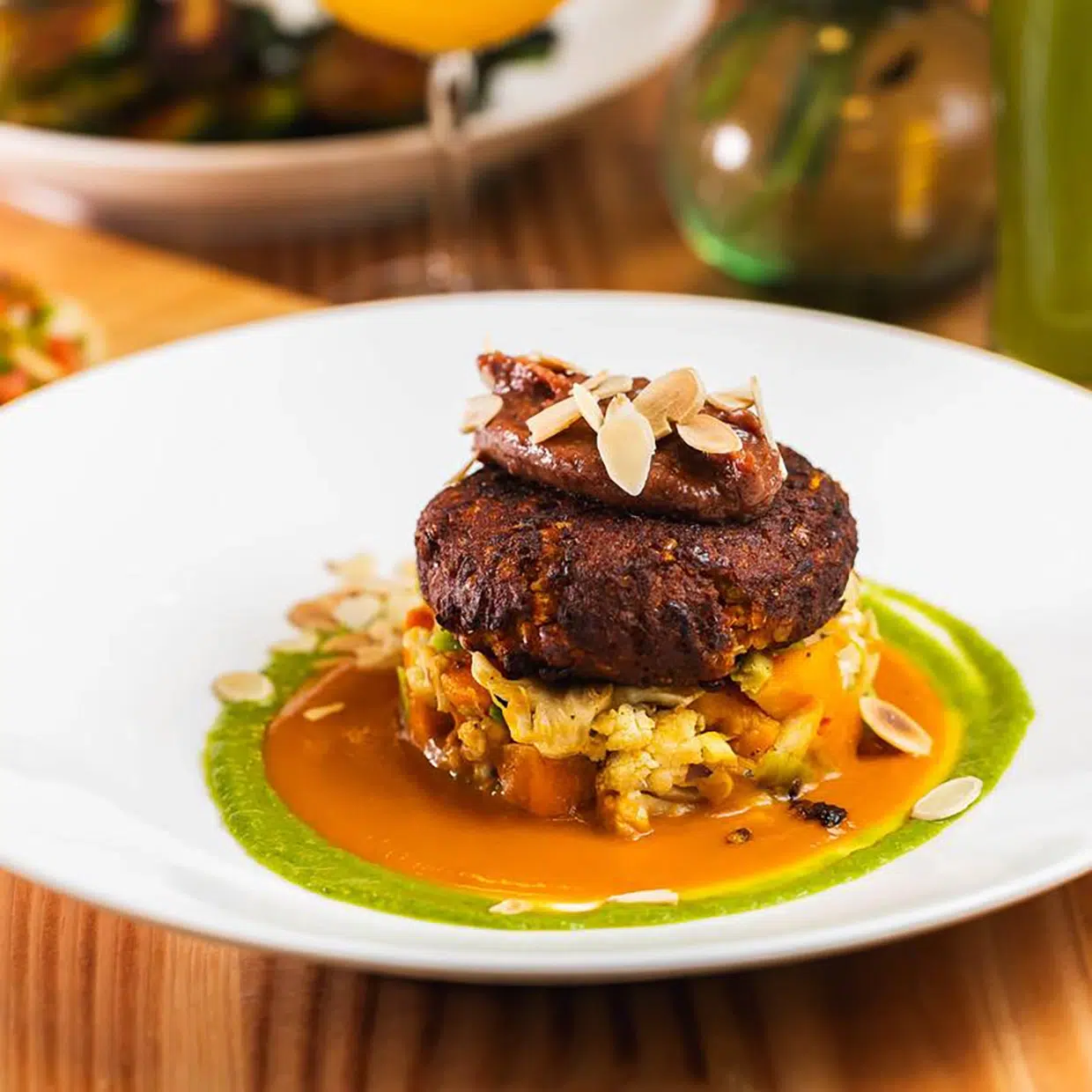
Candle, New York City
Candle 79 was once among New York’s best-known upscale vegan restaurants, helping establish plant-based dining as something more sophisticated than a niche alternative. Although Candle 79 and the original Candle Cafe locations eventually closed, their culinary legacy continues today at Candle on Third Avenue. The current restaurant is led by owner-chef Jorge Pineda and executive chef Angel Ramos, both part of the team behind Candle Cafe and Candle 79.
The philosophy remains rooted in plant-based cooking without compromise, with an emphasis on generous flavors and a more refined approach to vegan dining. In many ways, Candle represents the evolution of a concept that helped make upscale vegan cuisine more visible in New York.
Hangawi, New York City
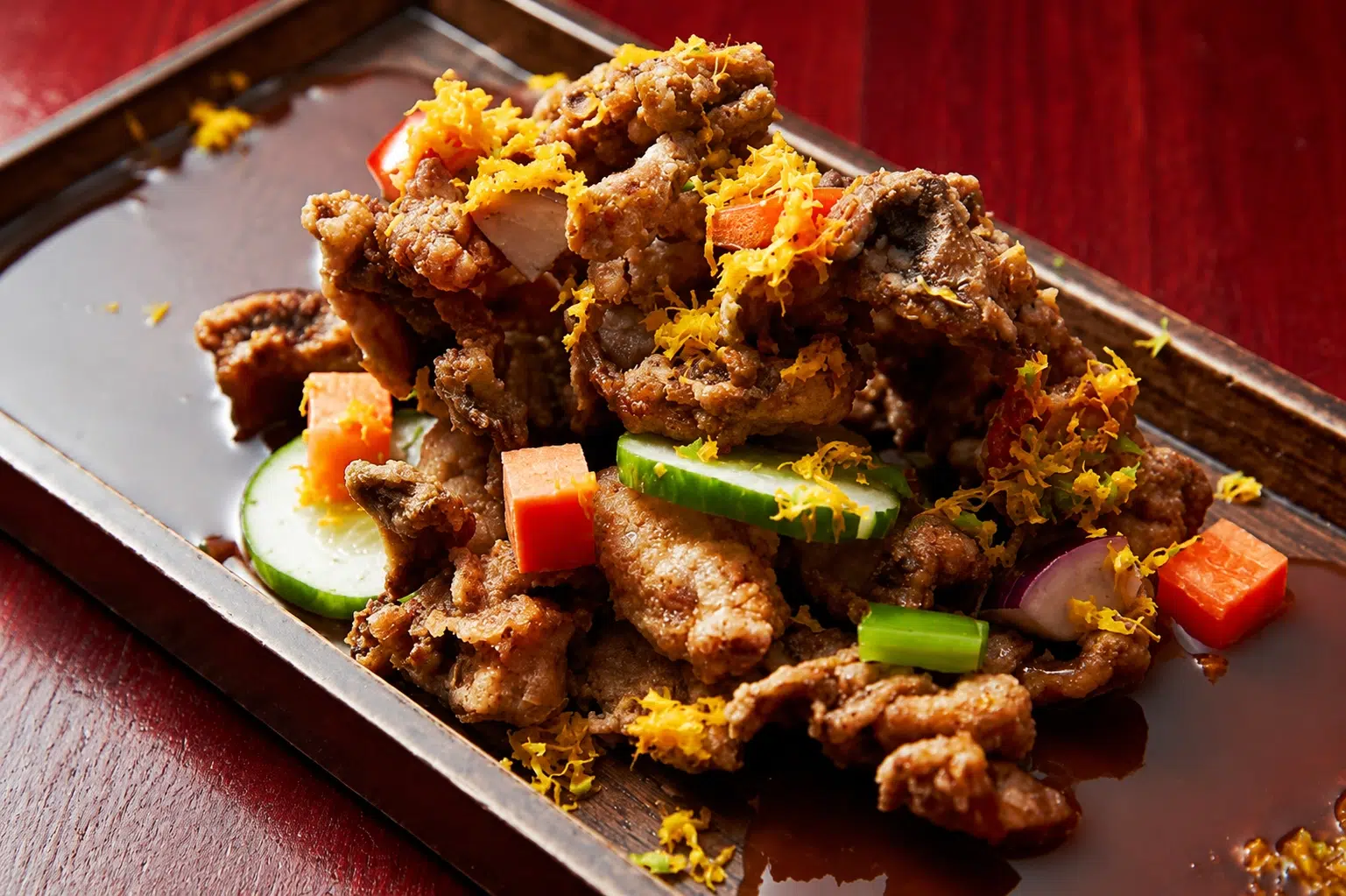
Hangawi remains one of Manhattan’s most distinctive plant-based restaurants. Located in Koreatown, it combines Korean culinary traditions with a philosophy centered on balance, seasonality and respect for ingredients.
The restaurant continues to serve a Korean-inspired plant-based menu from its East 32nd Street location, with dishes such as perilla-leaf tofu patties and other vegetable- and tofu-driven preparations. Its dining room adds to the sense of ritual, making the experience feel less like a vegan substitute and more like a cuisine with its own identity.
Franchia Vegan Cafe, New York City
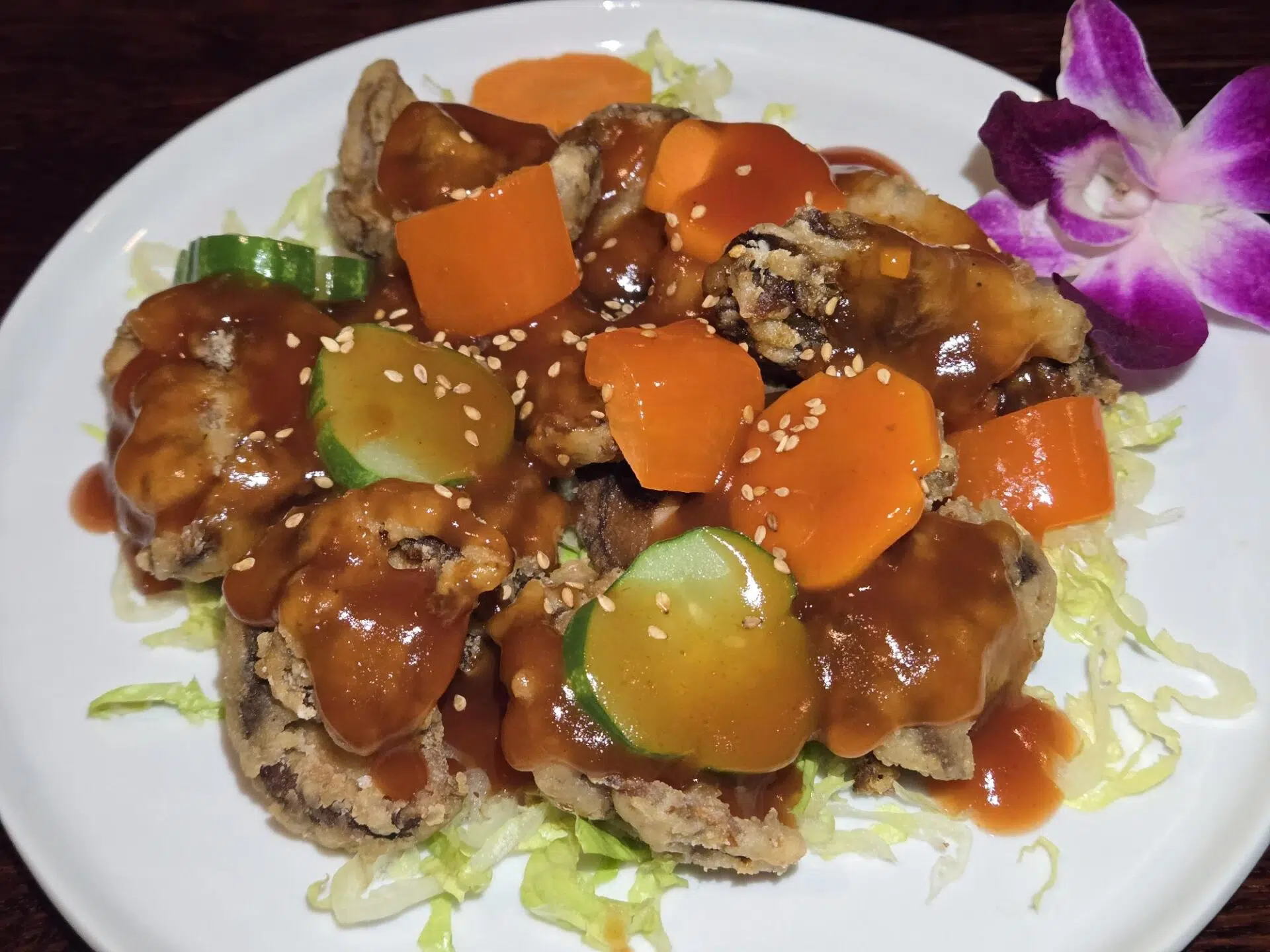
Franchia Vegan Cafe, the sister restaurant to Hangawi, offers a more casual interpretation of Asian-inspired vegan dining. Its multi-level Park Avenue space blends modern simplicity with traditional Korean design elements, including dark wood details and a dramatic mural ceiling inspired by Korean palaces.
The menu ranges across Asian influences, with current dishes including crispy Korean chili tofu, kimchi jjigae, sizzling bulgogi-style plates, Malaysian ginger fried rice and Peking-style vegan baos. It is the kind of menu that shows how far plant-based dining has moved beyond simple meat replacements.
ION Restaurant, Middletown, Connecticut
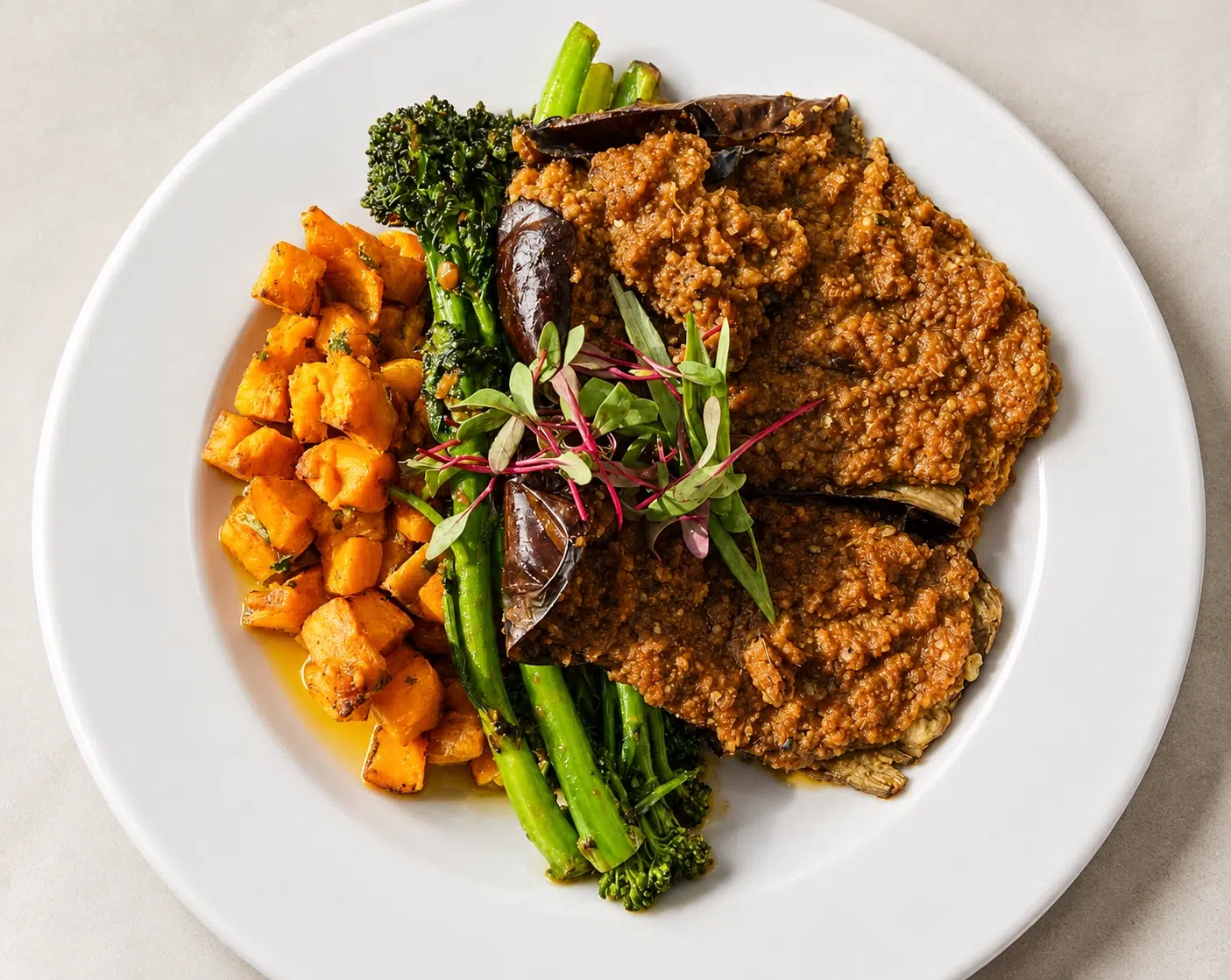
ION has long represented a different side of vegan dining: one rooted less in trend and more in community. Known originally as It’s Only Natural, the restaurant became a fixture in Middletown and built its reputation around creative vegan comfort food, hearty vegetable-based dishes and a relaxed neighborhood atmosphere.
Its longevity is what makes the restaurant particularly significant. While many plant-based concepts have come and gone, ION helped demonstrate that vegan dining could develop a loyal audience outside major restaurant capitals and remain part of the local food landscape for decades.
Together, these four restaurants reflect the broader evolution of plant-based dining in America. Candle helped bring refinement and ambition to the category, Hangawi introduced a more philosophical and culturally rooted approach, Franchia made vegan Asian fusion feel stylish and accessible, and ION showed how deeply a plant-based restaurant could become woven into its community.
Today, vegan dishes appear on menus everywhere, but these restaurants were helping shape that conversation long before plant-based dining became fashionable. Their influence lies not only in what they served, but in how they changed expectations of what vegan food could be.