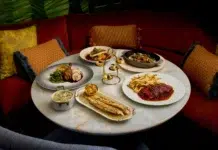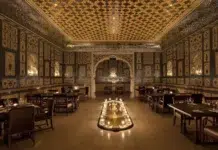
Paris has suddenly become the centre of the gourmet pizza and haute-cuisine gelato world, which is not a sentence one expects to write without provoking at least a small diplomatic incident in Italy. Yet at Bvlgari Hotel Paris, flour, tomatoes, pistachios, Franciacorta and some formidable culinary pedigree have arrived together under the banner of L’Estate Italiana, Bvlgari Hotels & Resorts’ celebration of the Italian art of living.
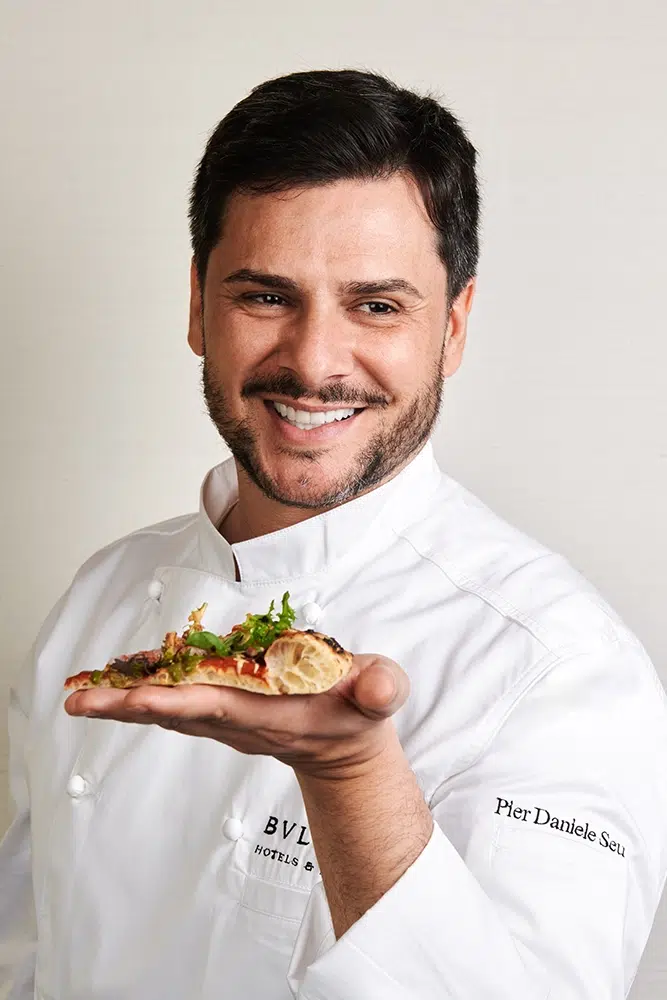
The premise is deceptively simple. Take two of Italy’s most democratic pleasures, pizza and gelato, and treat them with the same seriousness, precision and sense of occasion normally reserved for far more elaborate gastronomy. In the hands of Roman pizzaiolo Pier Daniele Seu and three-Michelin-starred chef Niko Romito, simplicity becomes not a concession, but the point.
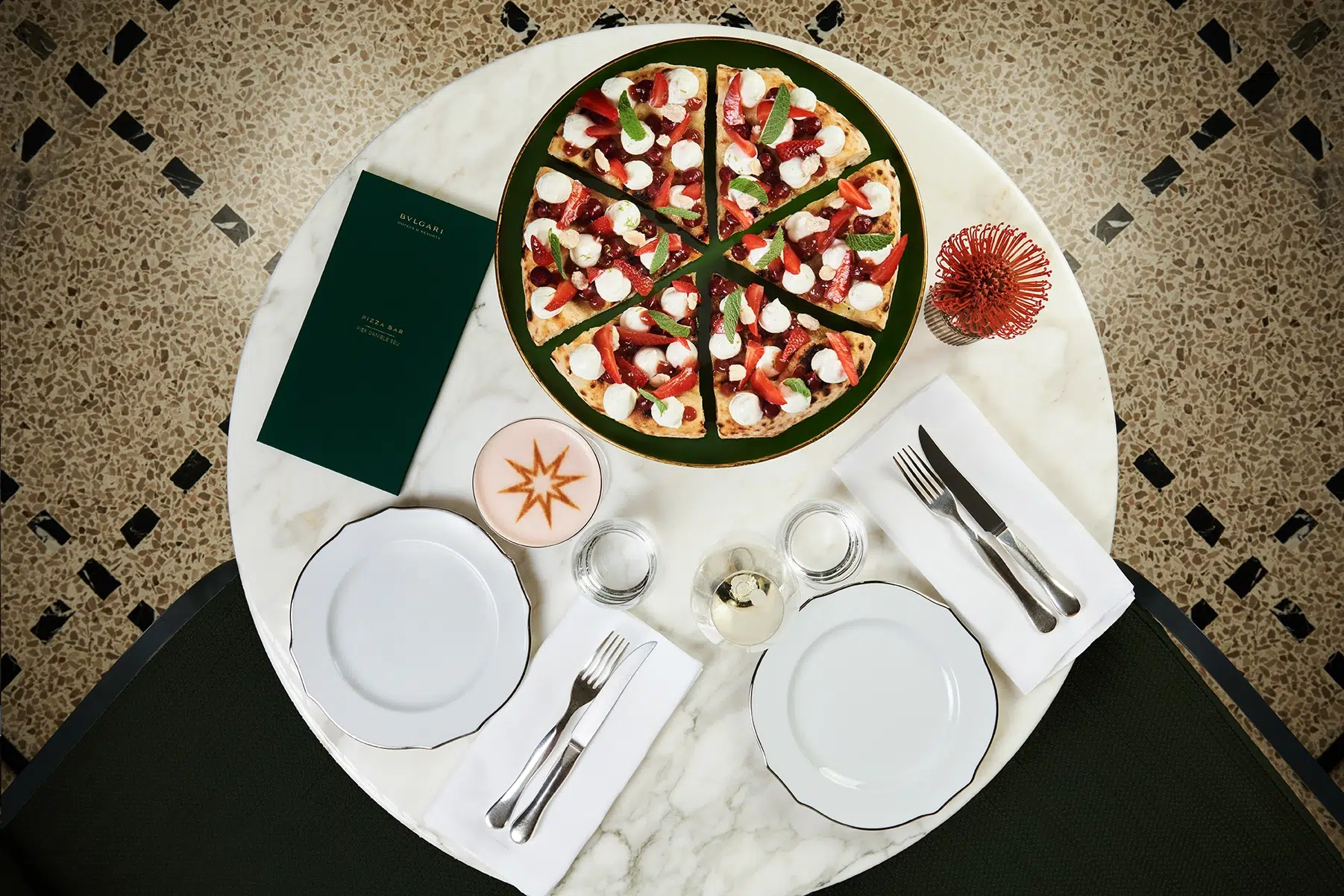
Seu has created a collection of eight gourmet pizzas for Bvlgari Hotels & Resorts, each built around a light, airy dough that undergoes almost 30 hours of controlled maturation. It is the sort of technical detail that sounds excessive until the pizza arrives, at which point patience suddenly seems like a very sensible ingredient.
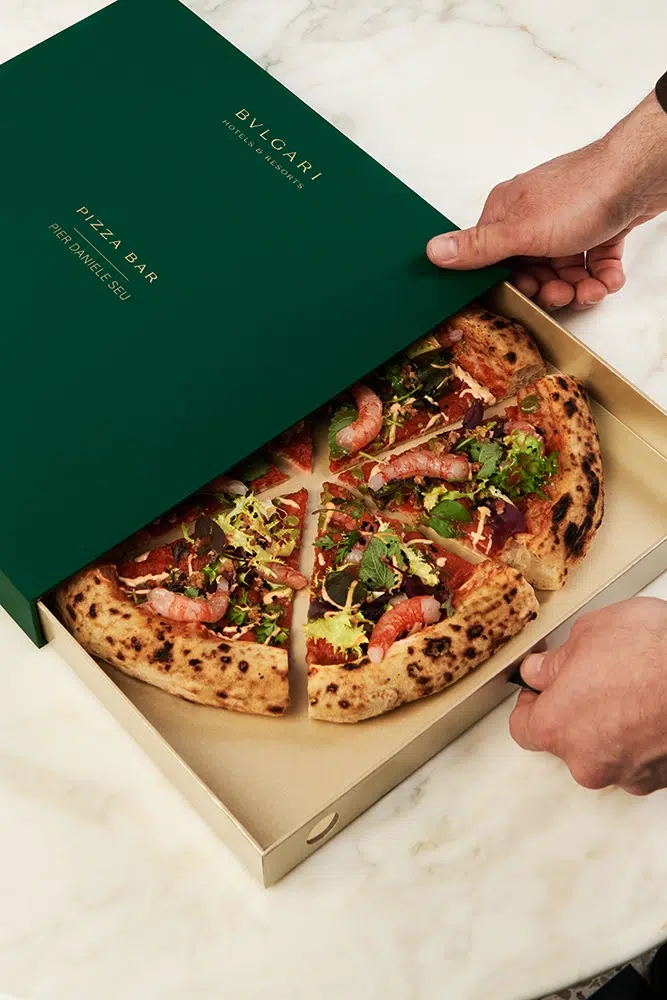
There is, naturally, a Margherita DOP, because one does not reinvent Italian food by abandoning its foundations. But the menu moves well beyond the familiar with Variazione di Zucchini, Indiavolata, Formaggi Limone and Cocktail di Gamberi, each offering a more contemporary expression of the Roman chef’s approach.
“Designed to be shared, the pizzas bring an authentic taste of Italian craftsmanship to guests worldwide,” says Silvio Ursini, Executive Vice President of the Bvlgari Group.
Seu’s relationship with Bvlgari began in 2020 at Bvlgari Resort Dubai, but his reputation had already been established well beyond Rome. In 2019, he was named Pizza Chef of the Year by 50 Top Pizza, while his restaurant Seu Pizza Illuminati, opened the previous year in the Porta Portese district near Trastevere, became one of the most closely watched pizzerias in Italy.
What Seu helped demonstrate is that pizza can remain informal without being casual in its execution. Dough can be studied, fermentation controlled, ingredients scrutinized, and flavour balanced with the same intensity found in more traditional fine dining. No white tablecloth is required to obsess about technique.
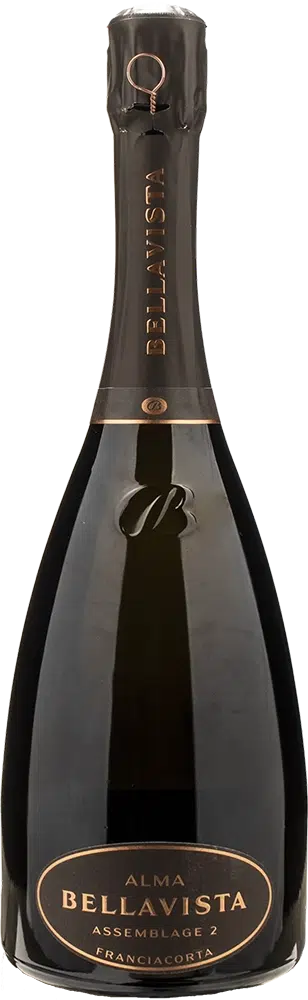
At Bvlgari, the experience is carried further through Bellavista, the historic Franciacorta estate owned by the Moretti family. The pizza tasting is accompanied by a selection that includes Alma Assemblage Non Dosato, Alma Assemblage Rosé and Riserva Vittorio Moretti, placing Italy’s most familiar food alongside one of its most polished sparkling wines.
Pizza and Franciacorta may still sound unconventional to those devoted to beer, but the pairing makes considerable sense. The acidity and effervescence of the wine cut through richness, refresh the palate and allow the more delicate ingredients to remain distinct. Italy has never been particularly shy about improving an occasion with bubbles.
Each Bvlgari hotel adds its own interpretation through cocktails devised by its bar team, and in Paris that expression arrives as Spuma di Frutta, combining Bellavista Franciacorta with blackberry, strawberry, raspberry and basil. It occupies the appealing territory between aperitif and indulgence, and very nearly makes dessert seem unnecessary.
Very nearly.
Because the second half of Bvlgari’s Italian summer belongs to Il Gelato, presented from elegant traditional carrettini, the familiar gelato carts elevated here into objects of polished hotel theatre. Behind the collection is Niko Romito, whose approach to gelato follows the same philosophy that has shaped his cuisine for years: restraint, clarity and a refusal to confuse complexity with sophistication.
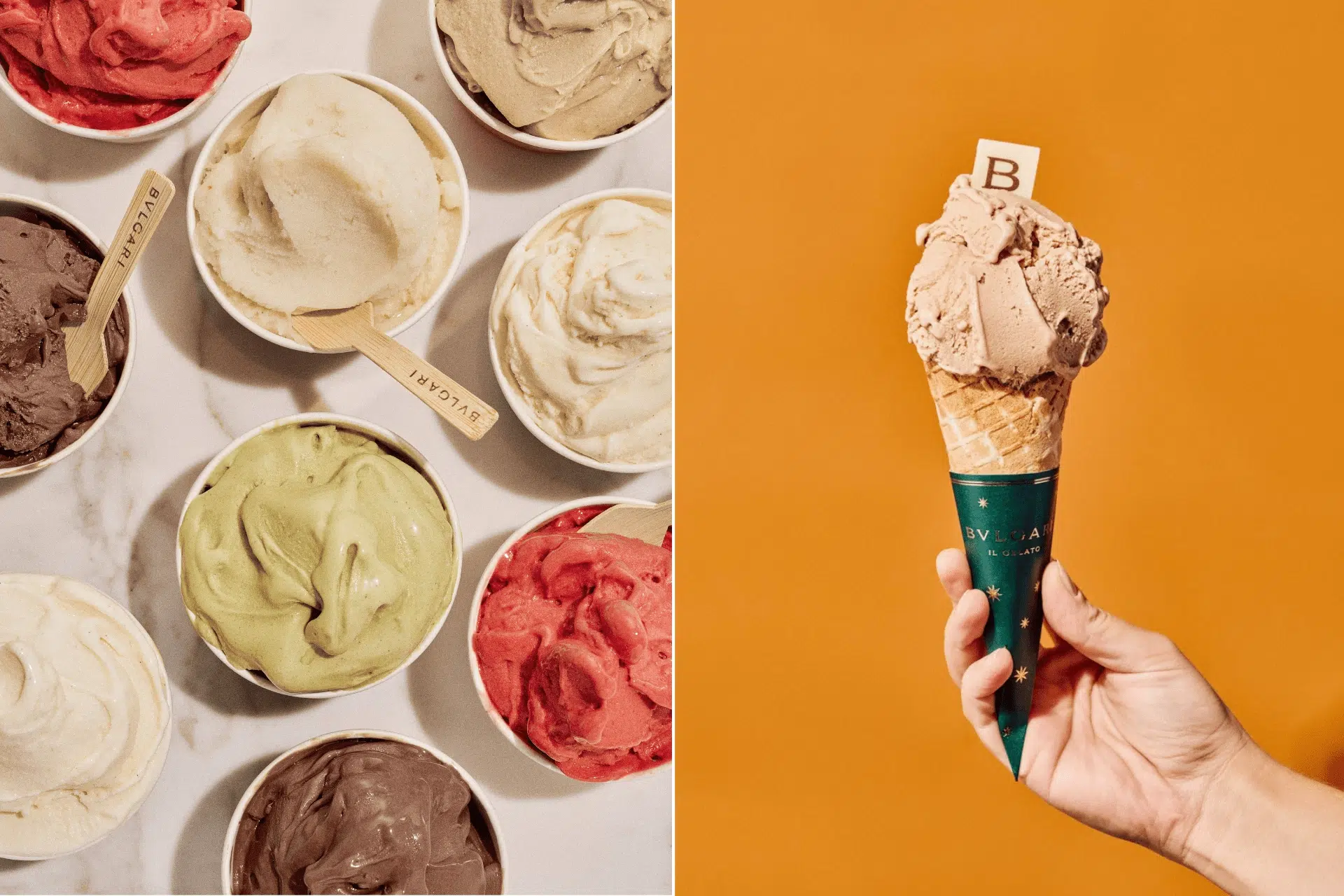
Romito’s team has refined traditional Italian recipes using fresh milk and natural ingredients, with restrained levels of sugar and fat and no artificial flavourings. The ambition is not to turn gelato into something unrecognizable in the name of luxury. It is to make the familiar taste more precisely like itself.
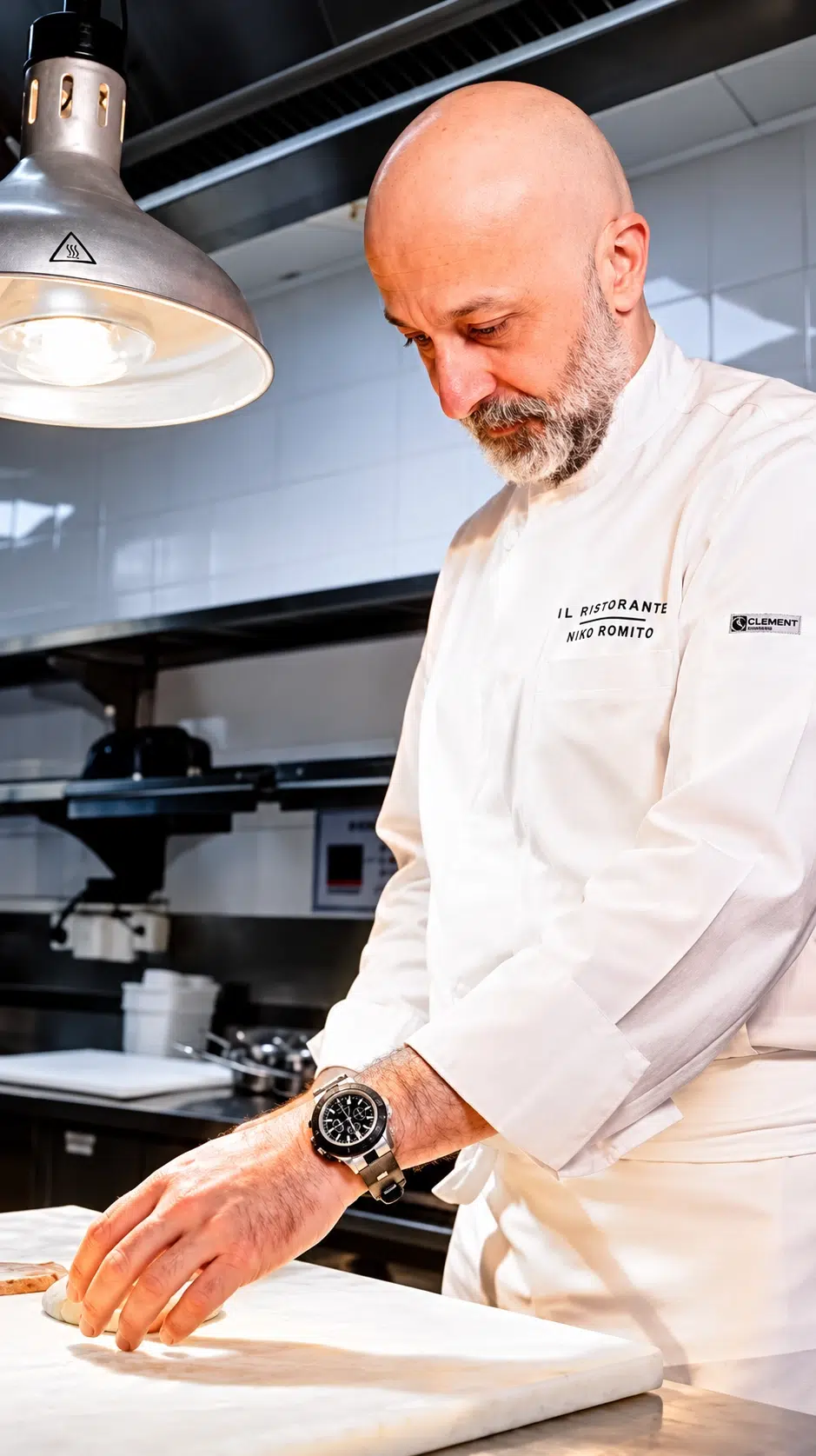
That distinction is central to Romito’s cooking. At Casadonna, the restored 16th-century former monastery in Castel di Sangro where he established his culinary academy and restaurant, he built a reputation on stripping dishes back rather than loading them up. His restaurant received its third Michelin star in 2014, confirming that refinement need not arrive disguised as complication.
The Bvlgari gelato collection follows the same logic. There are the comforting classics of Cioccolato, Pistacchio and Nocciola, alongside the brighter flavours of Lampone and Limone e Basilico. Sorbetti and granite look south to Sicily, while Sicilian brioche perfumed with lemon and orange zest and artisanal ghiaccioli extend the experience beyond the scoop itself.
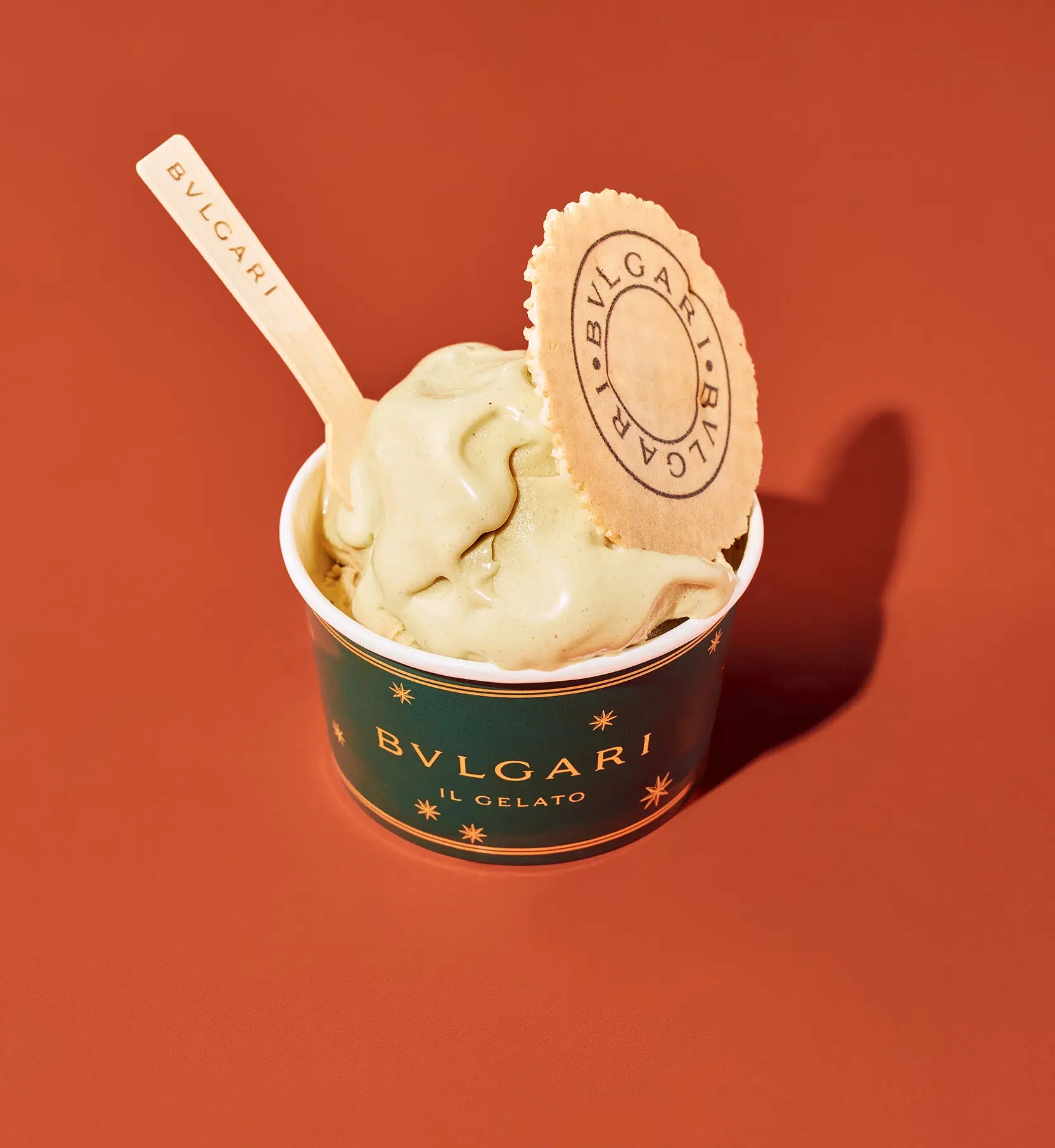
What makes the collection compelling is not novelty for novelty’s sake. Everything remains recognizable. The pistachio tastes of pistachio, the lemon of lemon, the chocolate of chocolate. In a luxury world that has spent years making ingredients foam, smoke, freeze, shatter, and occasionally disappear altogether, there is something almost radical about letting them simply taste excellent.
That may be the larger idea behind L’Estate Italiana. Luxury hospitality is increasingly learning that memorability does not always require ceremony, and that sophistication can arrive in forms that are almost disarmingly familiar. A pizza intended for sharing, a scoop of gelato, a glass of Franciacorta or a cocktail on a terrace can carry as much craft as a far more formal experience, provided the ingredients and execution justify the simplicity.
Bvlgari understands that particularly well because the brand’s approach to hospitality has always been less about excess than precision. The same discipline that gives a piece of jewellery its proportions can be applied to a plate, a glass, a trolley or a dining room. The object changes; the expectation does not.
There is also something delightfully subversive about Paris becoming the stage for it. This is, after all, a city that has spent centuries persuading the world that it understands how one ought to eat. Bvlgari’s answer is not to challenge that tradition so much as to slip another one alongside it: Roman dough, Sicilian granita, Piedmontese hazelnut, Franciacorta bubbles and the kind of gelato that requires no explanation once the spoon reaches the mouth.
The result is a reminder that la dolce vita was never really about extravagance for its own sake. It was about knowing when enough is enough, and when the simplest pleasures have already been perfected.
At Bvlgari Hotel Paris, that may mean pizza first, gelato after, and Franciacorta somewhere in between. It is difficult to imagine a more persuasive argument for restraint.