For decades, international luxury hotels were often built around a reassuring idea of sameness. A guest could arrive in Paris, Bangkok, Dubai or New York and expect the familiar choreography of polished service, formal dining rooms and interiors designed to signal luxury in a universally recognizable language. Today’s sophisticated traveler increasingly wants something more nuanced: the confidence of an established luxury brand combined with a genuine sense of place.
That shift has created a new challenge for global hotel groups. The goal is no longer simply to deliver consistency, but to create identity without erasing locality. Sofitel is approaching that challenge through the lens of something it has possessed from the beginning: French culture, expressed not as a literal recreation of France, but as a sensibility rooted in craftsmanship, gastronomy, fashion and ritual.
As the first international luxury hotel brand to emerge from France, Sofitel has long carried elements of French hospitality around the world. Its current transformation, however, goes deeper than decorative references to Parisian style. Rather than attempting to make every property feel as though it belongs on the Boulevard Saint-Germain, the brand is refining a more contemporary proposition, using French elegance as a framework through which local culture can be expressed.
The distinction is subtle, but important. The objective is not to make a Sofitel in Asia, the Middle East or the Americas feel transplanted from Paris, but to draw on what might be described as the codes of French luxury: attention to detail, elegance without ostentation, appreciation of craft and a certain instinct for turning everyday pleasures into rituals.
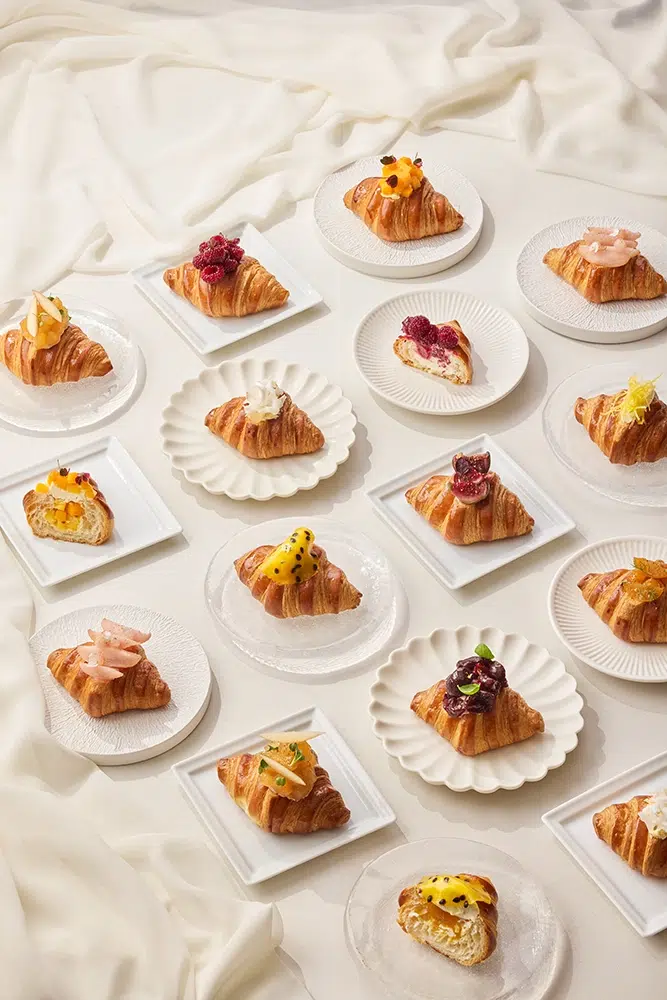
Few examples illustrate that philosophy better than a croissant. Sofitel’s La Haute Croissanterie program transforms one of France’s most familiar culinary symbols into something considerably more ambitious, inviting pastry chefs across the brand to act as “Croissant Couturiers” and reinterpret the classic pastry through ingredients and flavors connected to their own destinations.
The idea is beautifully simple because French technique provides the foundation while local culture provides the personality. A croissant is no longer merely part of the breakfast buffet, but a small expression of place, shaped by the culinary traditions surrounding the hotel while remaining unmistakably linked to France. Seasonal collections add another layer, turning pastry into something closer to fashion: evolving, distinctive and rooted in craftsmanship.
There is a certain wit to comparing laminated dough with couture, but the connection is not as frivolous as it may first appear. Both depend upon technical precision, both reward patience, and both can transform familiar materials into something far more compelling through the skill of the person making them.
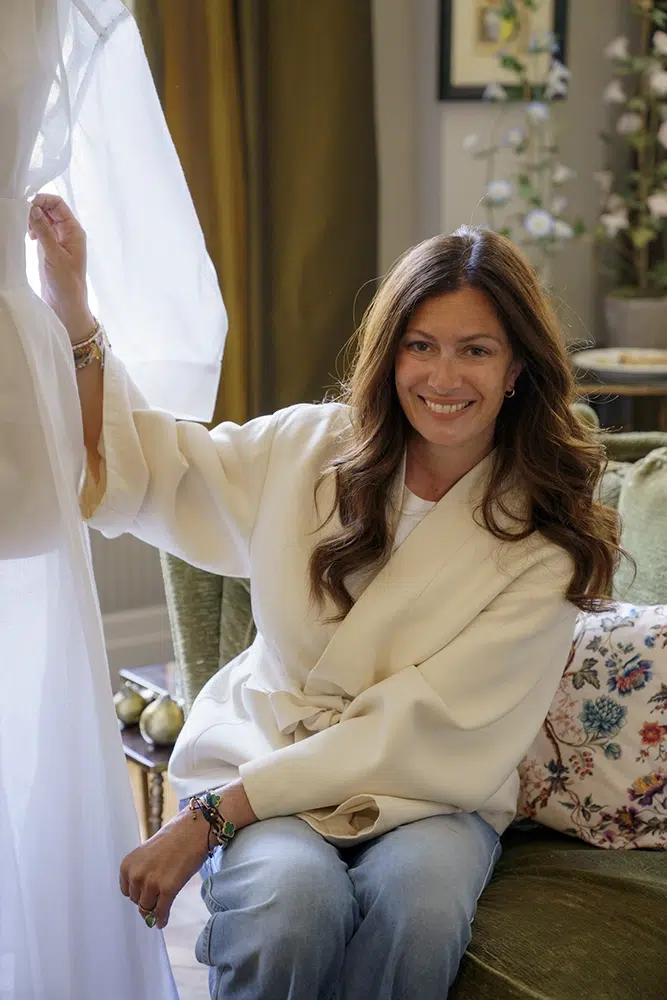
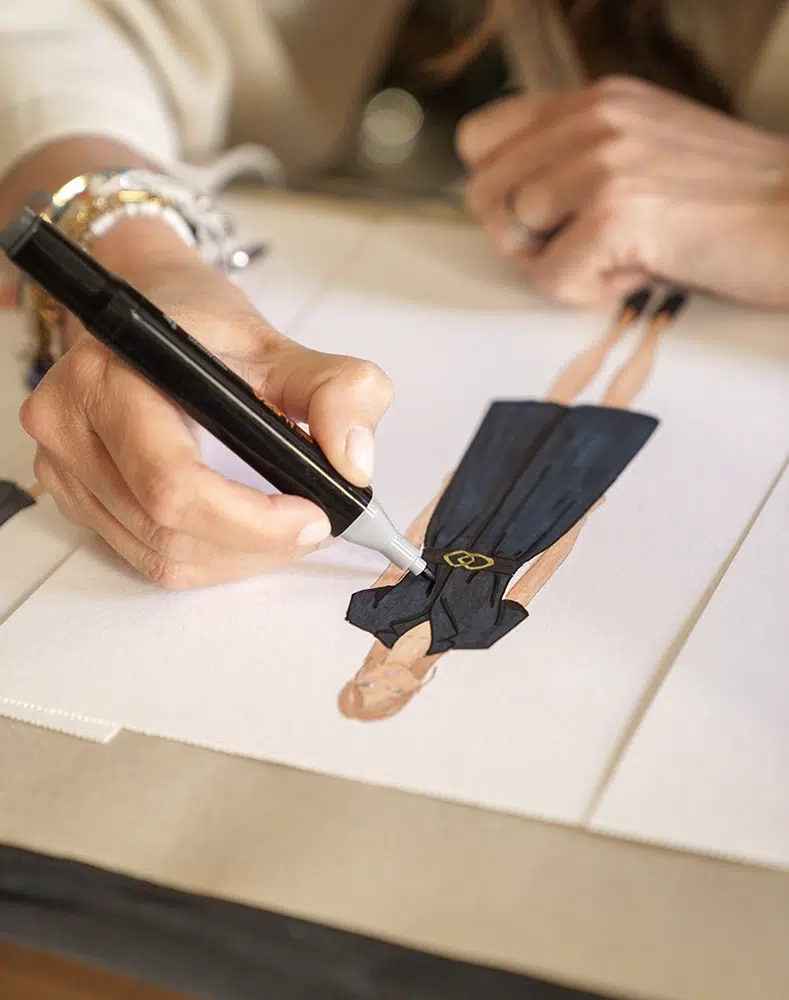
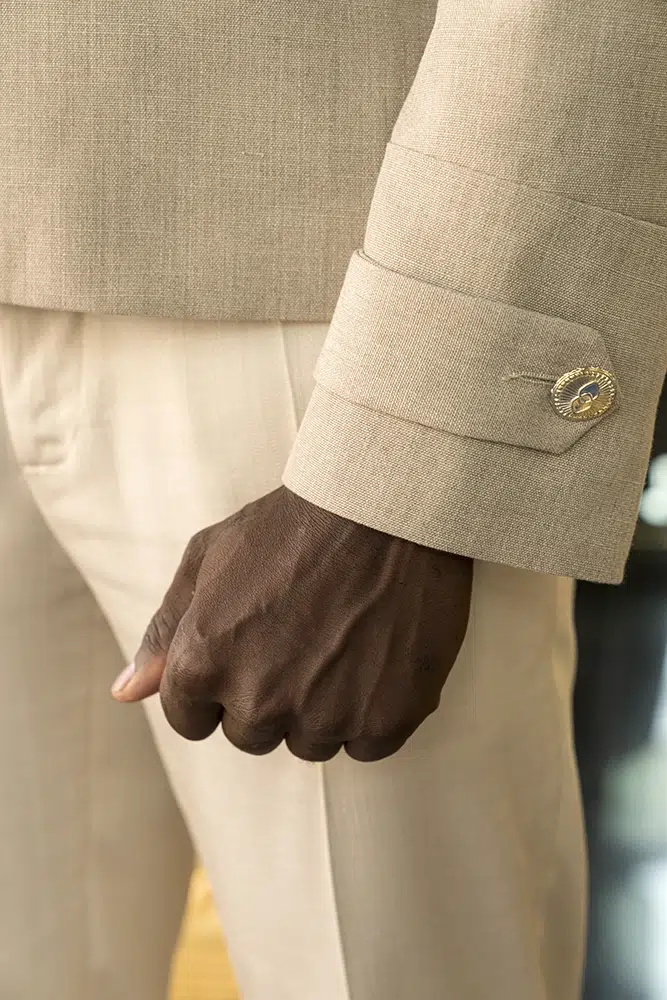
Fashion, unsurprisingly, plays another significant role in Sofitel’s reinvention. Le Vestiaire, the brand’s new wardrobe collection, has been created by French designer Cordelia de Castellane for more than 25,000 Sofitel ambassadors around the world, reframing a category of hospitality design that is too often treated as purely functional.
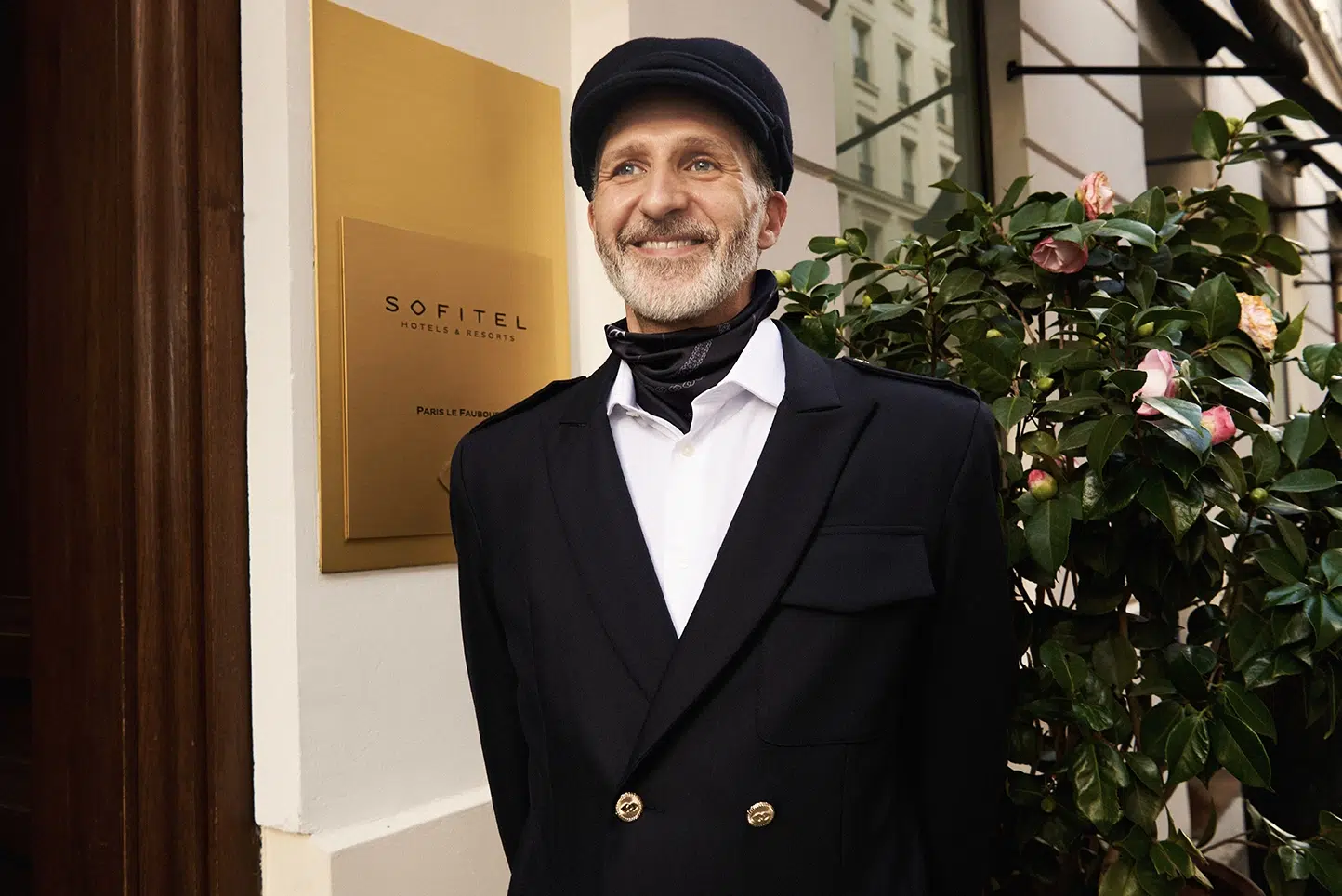
At a luxury hotel, what the staff wears is part of the visual environment and influences first impressions as surely as the lobby architecture, floral arrangements or lighting. By approaching uniforms with a couture sensibility, Sofitel is treating its people as an integral part of the hotel’s design language, rather than simply as employees dressed according to operational requirements.
The collaboration also speaks to a larger evolution taking place across luxury hospitality. Great hotels are increasingly understood as complete worlds, where architecture, fragrance, music, food, fashion and service are not separate disciplines but elements of the same experience, each reinforcing the other.

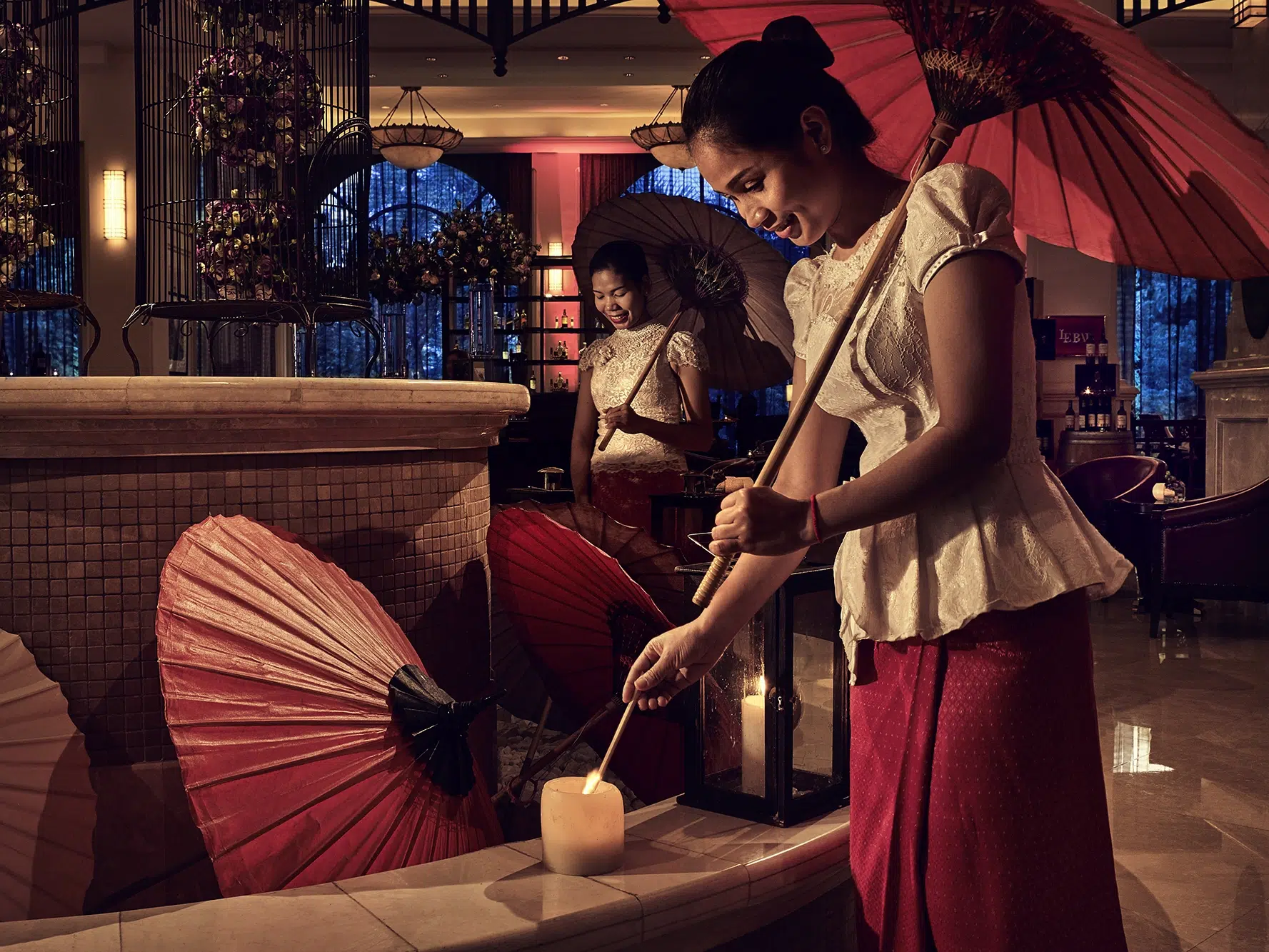
Sofitel’s French identity also comes through in rituals that are less tangible, but no less memorable. Its evening Candle Ritual draws inspiration from the historic lighting of Parisian streets, translating a distinctly French reference into an atmospheric moment within hotels far removed from the French capital.
Like the best hospitality rituals, its significance lies less in spectacle than in repetition. Guests encounter something graceful and memorable that quietly reinforces the brand’s identity, creating a sense of continuity between properties while still leaving room for each destination to express its own character.
That sense of restraint matters in a moment when luxury hospitality has spent much of the past decade chasing ever larger villas, more theatrical rooftops and amenities designed to perform particularly well on social media. Yet some of the most enduring hotel experiences remain remarkably simple: the arrival drink served in exactly the right glass, the scent in a lobby, a pastry remembered years later or an evening ritual that signals the transition from day to night.
These are often the details that create emotional attachment to a hotel, because they are not simply consumed in the moment but remembered long after departure. Sofitel appears to understand that distinction, and its current transformation is built around creating those points of recognition without allowing them to become formulaic.
The brand’s challenge will be maintaining that recognizable French thread while allowing each destination enough freedom to speak for itself. The most successful global luxury brands increasingly behave less like templates and more like curators, carrying a clear identity without overwhelming the character of the city, landscape, or culture around them.
That balance is particularly important now, as travelers become more discerning about authenticity. A hotel can be beautifully designed and impeccably serviced yet still feel strangely anonymous, while a property deeply rooted in its destination can lack the polish and consistency expected at the highest end of the market.
The opportunity lies somewhere between those extremes, and for Sofitel, French culture provides the connective tissue. The croissant may change according to the destination, the architecture may respond to local history and the ingredients, craftsmanship and design references may shift from one property to another, but the underlying sensibility remains recognizably French.
It is perhaps a more mature interpretation of global luxury, one built not around exporting a fixed aesthetic but around carrying a point of view. French luxury has never been simply about gilding, grand hotels or Parisian addresses, but about knowing when to embellish, when to exercise restraint and how to make something familiar feel exceptional.
Sofitel is now attempting to translate that idea across continents, not by turning the world into France, but by allowing a little French art de vivre to meet the world wherever it happens to be.