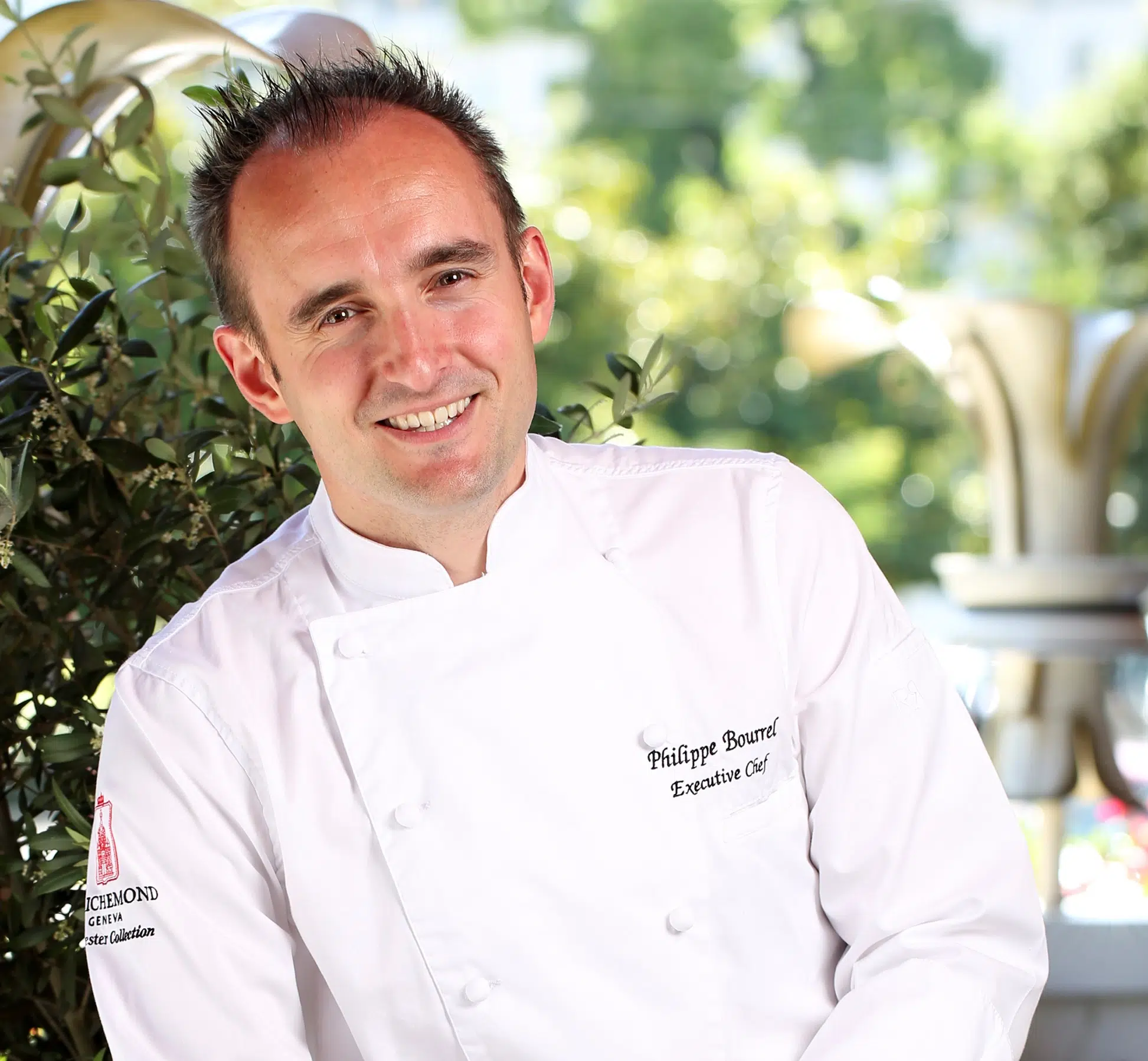
From his grandmother’s kitchen in Corsica to the refined dining rooms of Geneva’s historic Le Richemond, Chef Philippe Bourrel built a culinary philosophy around exceptional ingredients, regional traditions, and the quiet pleasure of a beautifully prepared meal.
In a city celebrated for its discreet elegance, exceptional hospitality, and appreciation of life’s finer pleasures, Geneva has long understood that true luxury rarely needs to announce itself. Its culinary landscape reflects much the same sensibility, where impeccable ingredients, thoughtful preparation, and a genuine respect for tradition often speak more eloquently than elaborate presentation. For French chef Philippe Bourrel, whose cuisine once distinguished Le Jardin at the prestigious Le Richemond hotel, this philosophy was not simply a professional approach but a deeply personal expression of his upbringing, memories, and relationship with food.
When Upscale Living Magazine spoke with Bourrel in 2017, the chef offered a revealing glimpse into the influences behind his cooking, from the generous family gatherings of his childhood to the fishermen and producers whose ingredients shaped his menus. His approach was refreshingly uncomplicated: celebrate the integrity of each product, embrace the character of the surrounding region, and create dishes that leave guests with something more meaningful than the memory of an elaborate meal. It was a philosophy that felt particularly at home in Geneva, where the pleasures of fine dining have traditionally been measured as much by refinement and authenticity as by culinary ambition.
A Culinary Heritage Rooted in Family and Tradition
Long before the distinguished kitchens and elegant dining rooms, Bourrel’s earliest understanding of hospitality began with his grandmother in Corsica. Her cooking brought family members together around memorable meals, creating the kind of lasting impressions that would eventually inspire his own career. For Bourrel, food was never merely about technique or presentation; it was about generosity, connection, and the pleasure of making others happy.
During his conversation with Upscale Living Magazine, he recalled the influence of those family gatherings and explained that he had wanted to bring people the same joy his grandmother had created through her cooking. That sentiment would become central to his culinary identity, informing an approach in which emotional connection mattered just as much as technical precision.
His professional journey also took him through some of France’s most distinguished culinary establishments. Before his tenure at Le Jardin, Bourrel gained experience in prestigious Parisian kitchens associated with Alain Ducasse, including Taillevent and the Hôtel Plaza Athénée. Such surroundings offered an education in the exacting standards of French haute cuisine, yet the philosophy he brought to Geneva placed particular emphasis on freshness, seasonality, and restraint.
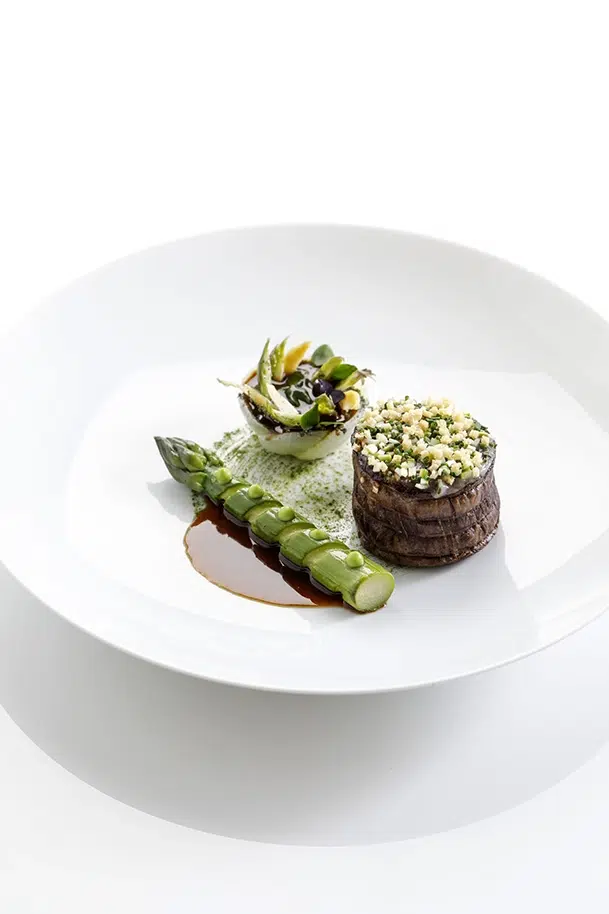
Rather than allowing sophisticated technique to overshadow the ingredients, Bourrel favored a more intuitive relationship with food. The market itself became a source of inspiration, with seasonal discoveries suggesting new combinations and encouraging experimentation. It was a way of cooking that respected classical French foundations while leaving room for creativity, spontaneity, and the changing character of the seasons.
 |
 |
The Flavors of Lake Geneva
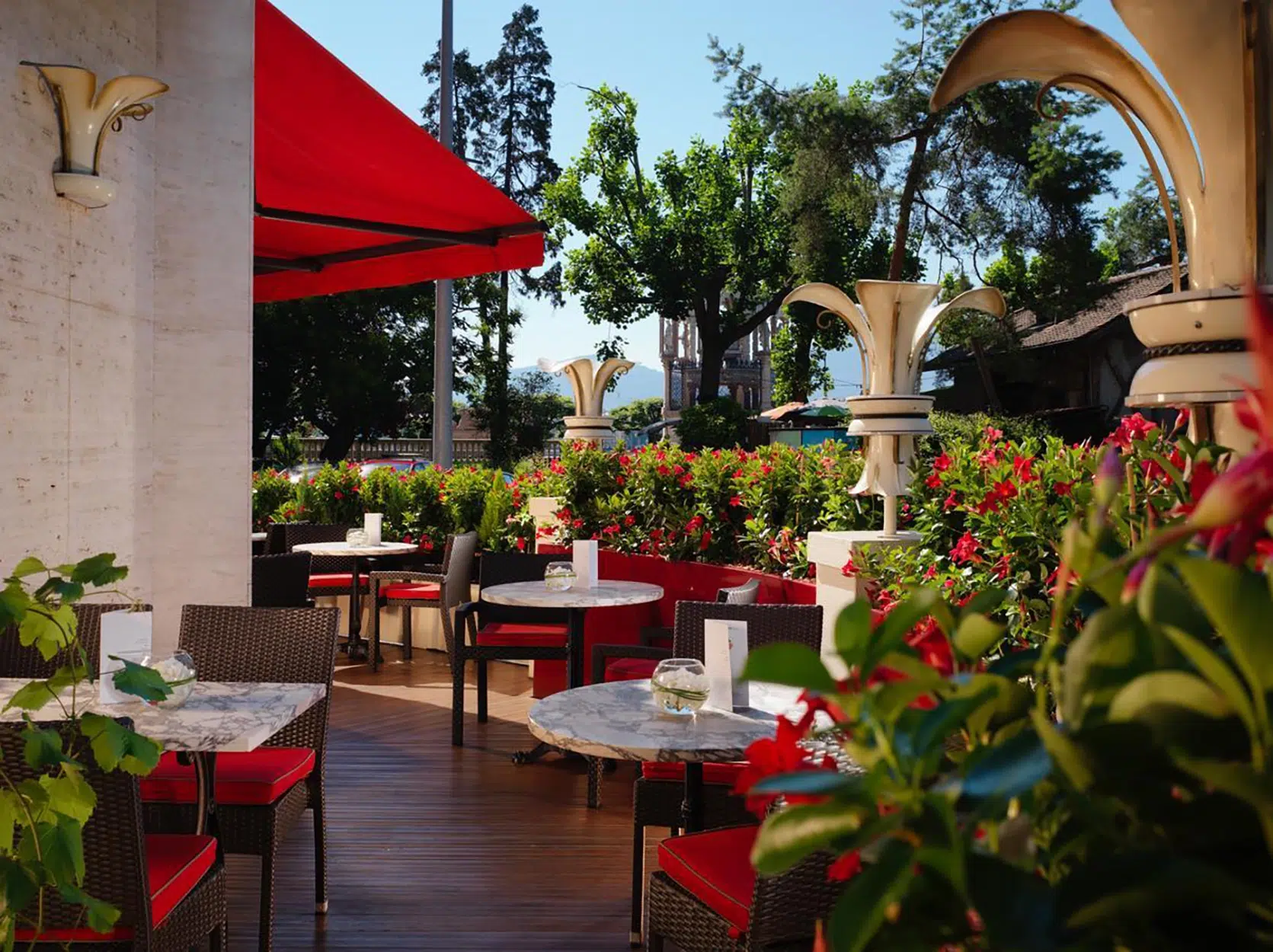
At Le Jardin, located within the historic five-star Le Richemond hotel, Bourrel found an opportunity to express his culinary philosophy through the distinctive ingredients of the Geneva region. The restaurant’s approach reflected a commitment to local sourcing, with the surrounding landscape providing inspiration for dishes that combined French culinary tradition with a distinctly Swiss sense of place.
Among the chef’s most valued relationships was his connection with a local fisherman, Mr. Christinat, who supplied fresh fish from Lake Geneva on a daily basis. This direct relationship between producer and kitchen allowed Bourrel to work with ingredients at their freshest, while maintaining the regional identity that he considered essential to his cooking.
The same appreciation extended to the restaurant’s wine selection. Rather than relying exclusively on internationally recognized labels, Le Jardin’s head sommelier introduced guests to lesser-known local wines, offering an opportunity to discover the character and craftsmanship of Swiss winemaking. These selections complemented a culinary experience designed to celebrate the region rather than simply reproduce the familiar conventions of international luxury dining.
For Bourrel, the objective was never to overwhelm guests with unnecessary complexity. His cooking was guided by the belief that the finest ingredients deserve to retain their individual character, allowing freshness, natural flavor, and careful preparation to create their own sense of sophistication. It was an approach that placed the quality of the product at the center of the experience, with technique serving the ingredient rather than competing with it.
Signature Dishes and the Beauty of Restraint
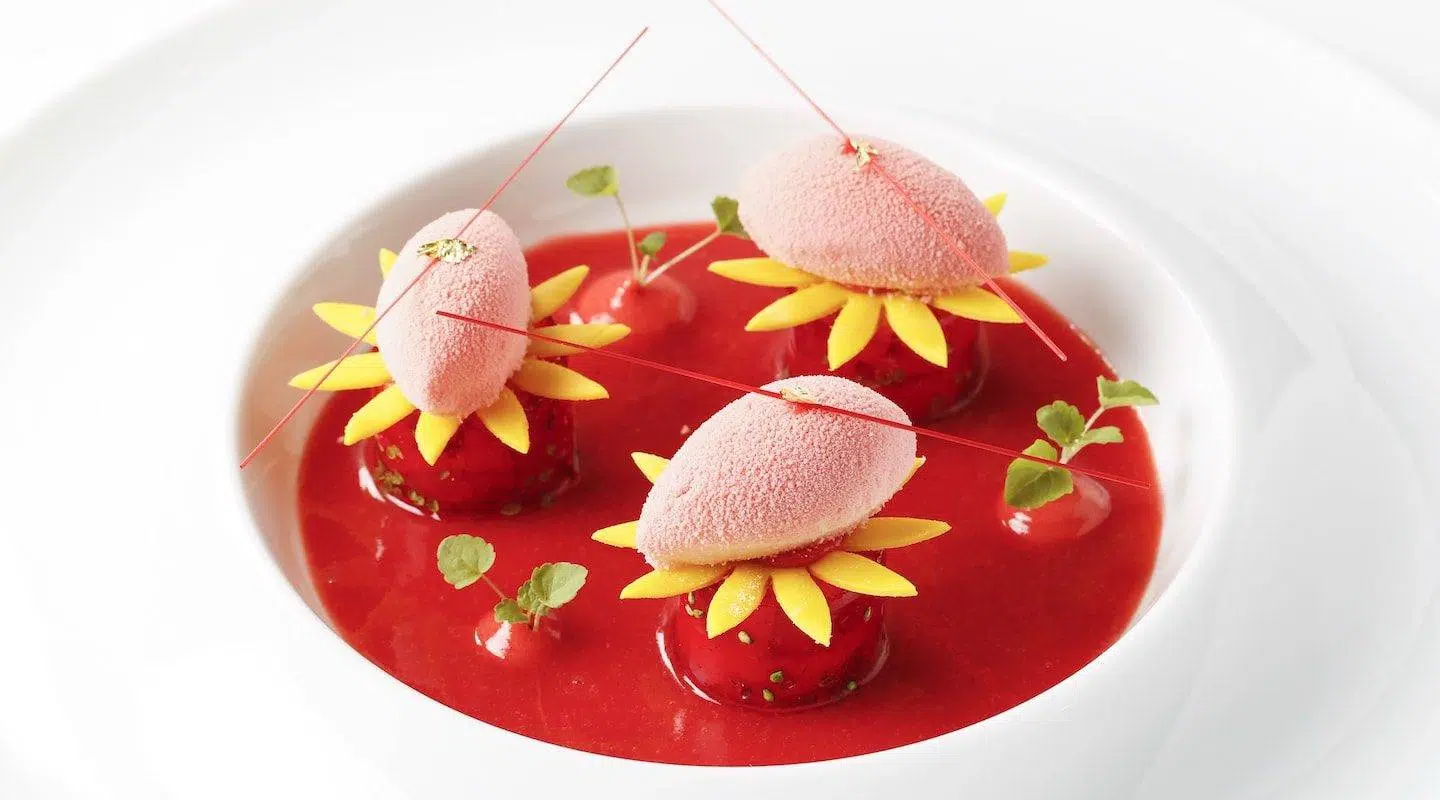
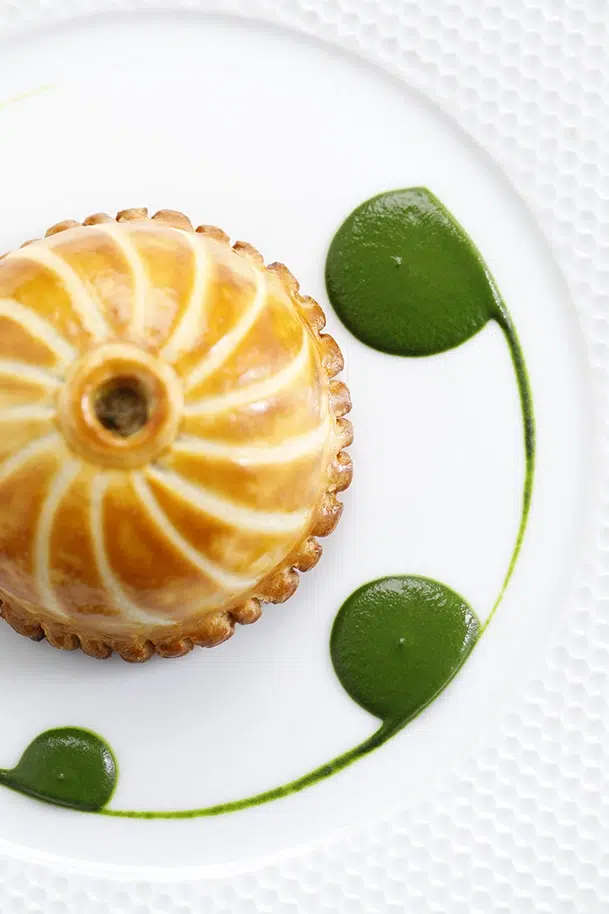
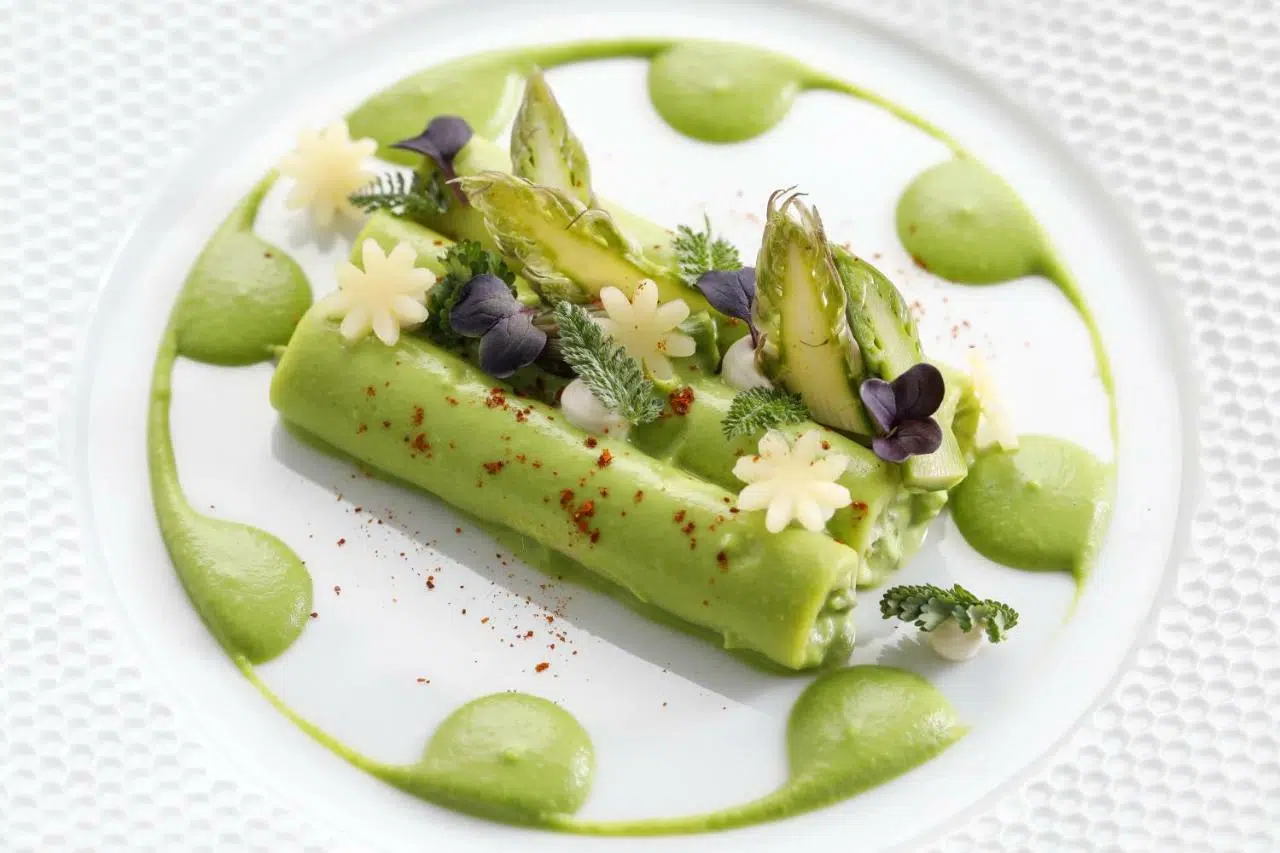
Bourrel’s signature creations offered a compelling illustration of his culinary identity, combining regional ingredients with the techniques and traditions of French gastronomy. Among the dishes he discussed with Upscale Living Magazine was pike from Lake Geneva prepared in the Nantua style, accompanied by vegetables and summer truffles. A contemporary interpretation of a traditional preparation, the dish held particular significance for the chef, who considered it a personal favorite.
The choice was revealing. Pike, a freshwater fish closely associated with the region, provided a connection to the surrounding landscape, while the Nantua preparation drew upon the rich culinary heritage of eastern France. The addition of seasonal vegetables and summer truffles brought further depth to a composition that balanced familiarity with a more contemporary sensibility.
Other creations demonstrated the breadth of Bourrel’s repertoire. Saddle of lamb from Vessy, served with bulgur and artichokes prepared with pepper, reflected his interest in combining local produce with complementary textures and flavors. A dish of crab meat accented with citrus and avocado offered a lighter expression of his cooking, bringing freshness and delicacy to the forefront.
What united these dishes was not a particular ingredient or technique, but an underlying philosophy of balance. Each composition sought to preserve the integrity of its principal elements while introducing enough creativity to make the experience memorable. In an era when fine dining could sometimes become a spectacle of elaborate techniques and theatrical presentation, Bourrel’s cuisine offered a reminder that sophistication can be found in the thoughtful treatment of something beautifully simple.
A Personal Approach to Fine Dining
Beyond his signature dishes, Bourrel believed that the dining experience should remain responsive to the people gathered around the table. At Le Jardin, the restaurant’s three-course menu changed weekly, allowing guests to experience seasonal ingredients through a succession of dishes shaped by the availability of fresh local produce.
The format also offered an accessible introduction to the chef’s culinary perspective, encouraging diners to discover unfamiliar preparations while remaining connected to the flavors of Geneva. From the opening course through dessert, the intention was to create a cohesive experience that reflected both the season and the restaurant’s commitment to regional ingredients.
Yet Bourrel’s hospitality extended beyond the structure of a set menu. He welcomed requests for dishes tailored to individual preferences and enjoyed the creative challenge of preparing something unexpected. Rather than viewing such requests as interruptions, he considered them opportunities to engage more personally with guests and explore new possibilities in the kitchen.
This willingness to adapt revealed another dimension of his approach to luxury hospitality. For Bourrel, exceptional service was not defined solely by polished surroundings or an accomplished menu, but by the ability to make each guest feel that their experience had been considered with care. The most memorable meals, after all, are often those in which culinary skill and genuine hospitality become indistinguishable.
The Enduring Appeal of Authentic Cuisine
Bourrel’s years at Le Jardin belong to an earlier chapter in the history of Le Richemond, the landmark Geneva hotel that closed in 2020 and was subsequently acquired by Jumeirah Group for redevelopment. Yet the philosophy he shared during his original conversation with Upscale Living Magazine remains remarkably relevant to contemporary gastronomy, particularly as discerning diners increasingly value provenance, seasonality, and a meaningful connection to the places they visit.
His appreciation for Lake Geneva’s freshwater fish, local Swiss wines, and carefully selected regional produce reflected an understanding that a restaurant’s identity is shaped not only by the talent of its chef, but also by the landscape and community surrounding it. Equally important was the personal history behind his cooking, where memories of family gatherings in Corsica continued to influence the way he approached hospitality in one of Europe’s most sophisticated cities.
Ultimately, Bourrel’s culinary philosophy offered a compelling definition of understated luxury: the confidence to allow exceptional ingredients to speak for themselves, the discipline to avoid unnecessary embellishment, and the generosity to make every guest feel welcome. In a world of increasingly elaborate dining experiences, his approach serves as a reminder that some of gastronomy’s greatest pleasures remain beautifully uncomplicated.
Editor’s note: This culinary portrait draws on an original interview conducted by Rahim B. Kanani for Upscale Living Magazine in October 2017. Le Richemond subsequently closed in 2020 and is undergoing redevelopment under Jumeirah Group. The restaurant experiences and dishes described reflect Chef Philippe Bourrel’s tenure at Le Jardin and should not be interpreted as a current restaurant offering.