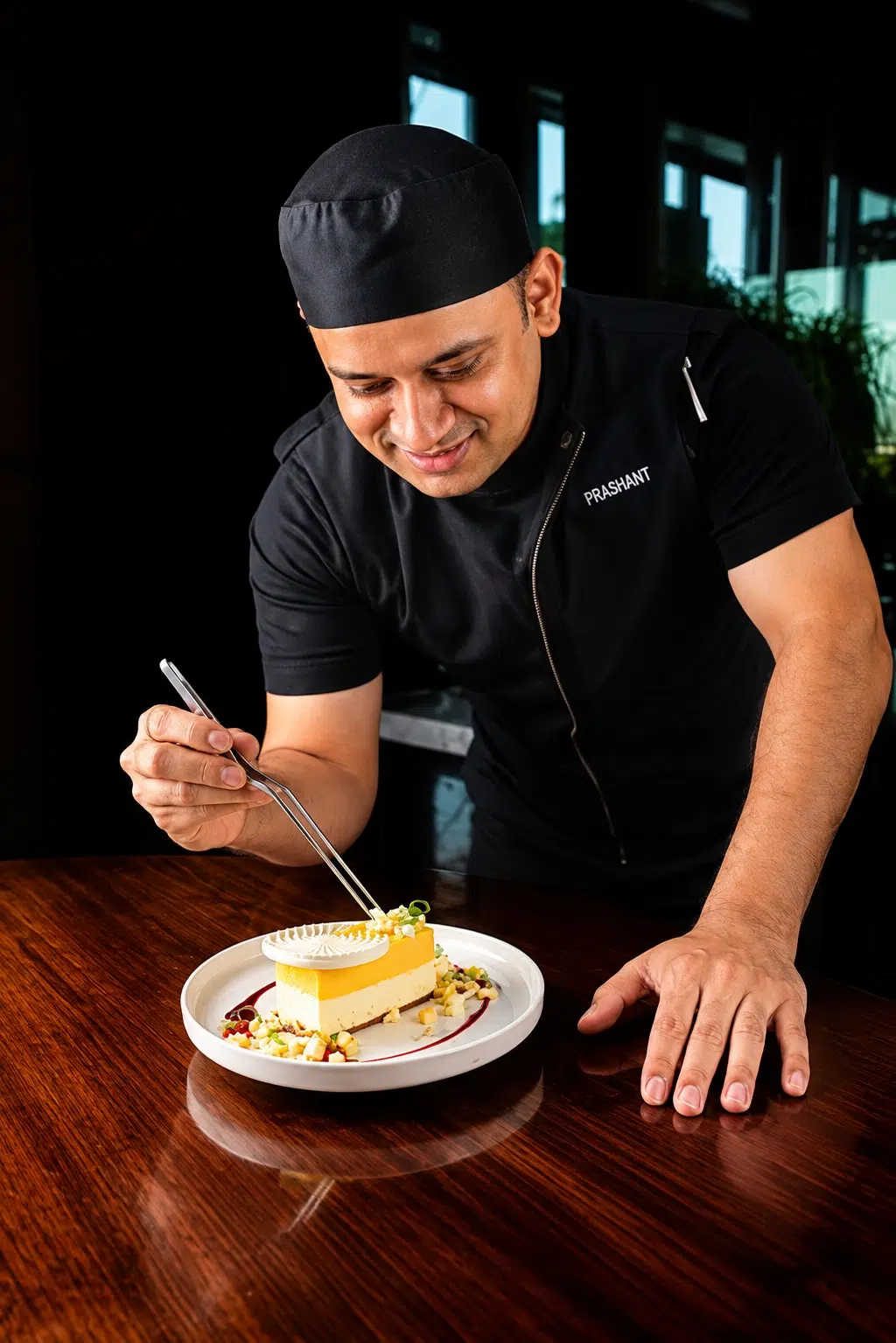
From the family kitchens of Pune to the acclaimed restaurants of Bangkok and Geneva, Chef Prashant Chipkar‘s culinary journey reveals a deep respect for Indian tradition and an instinct for reinvention.
Indian cuisine has always possessed an extraordinary capacity for storytelling. Its spices speak of regional histories, its recipes carry generations of family tradition, and its most memorable dishes reveal a delicate interplay of aroma, texture, and technique. For Chef Prashant Chipkar, this rich culinary inheritance became the foundation of a career devoted to exploring how India’s familiar flavors could be interpreted through a more contemporary lens, without losing the authenticity that makes them distinctive.
Raised in Pune, India, Chipkar developed his appreciation for cooking long before entering a professional kitchen. His journey would eventually take him from the celebrated hospitality institutions of India to Bangkok’s progressive dining scene and the refined surroundings of Geneva’s Mandarin Oriental, where he served as chef de cuisine at Rasoi by Vineet. When Upscale Living Magazine interviewed him for a feature published in October 2017, his reflections revealed a chef whose ambitions were rooted not in novelty for its own sake, but in the belief that every dish should have an identity, a purpose, and a story worth sharing.
From Family Traditions to the World’s Finest Kitchens
For Chipkar, the first lessons in cooking came not from formal culinary training but from the women in his family. Growing up surrounded by relatives who took genuine pleasure in preparing food for one another, he discovered early that the kitchen could be a place of creativity, generosity, and connection. His mother and aunt were particularly influential, nurturing an enthusiasm that would eventually develop into a professional calling.
During his original conversation with Upscale Living Magazine, Chipkar described himself as a “hungry child” raised in a family that loved to cook. Those early experiences encouraged him to pursue culinary studies and begin the demanding process of developing his skills, first as a cook and eventually as a chef responsible for leading accomplished kitchen teams. What began as a childhood fascination became a career shaped by discipline, curiosity, and an enduring appreciation for the emotional power of food.
His professional foundation was established within India’s prestigious Taj Hotels and Resorts, where he gained experience in the rigorous traditions of luxury hospitality. His career subsequently took him to Gaggan in Bangkok, the groundbreaking restaurant associated with Chef Gaggan Anand, whose imaginative approach to progressive Indian cuisine helped transform international perceptions of the country’s gastronomic possibilities.
At Gaggan, where Chipkar held a senior kitchen leadership role, the boundaries between traditional recipes and contemporary technique became increasingly fluid. The experience offered an opportunity to explore Indian flavors through experimentation, unconventional presentation, and a more adventurous culinary vocabulary. Yet even as his technical repertoire expanded, the principles learned in his family’s kitchen remained central to his understanding of what makes a dish memorable.
The Influence of Vineet Bhatia
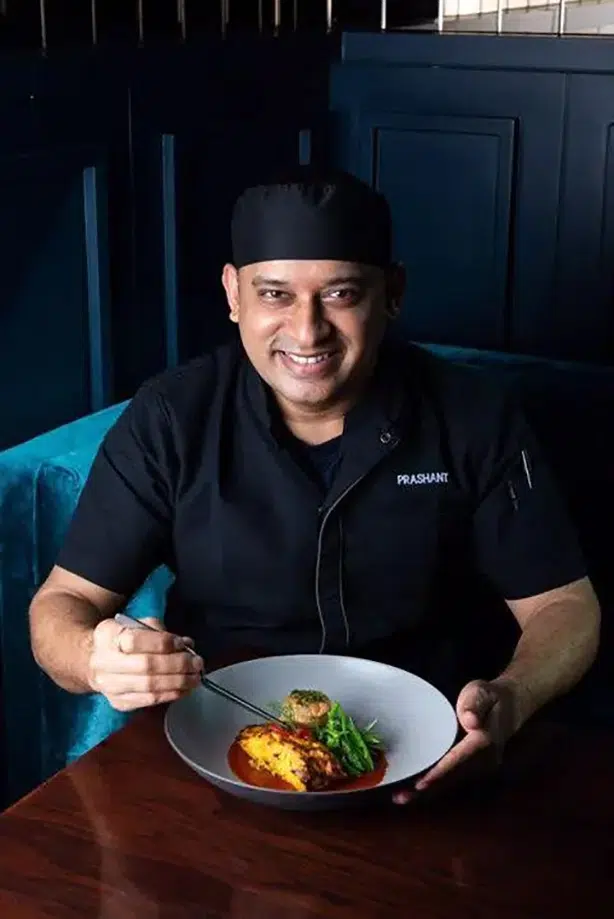
Few figures have played a more important role in the international evolution of modern Indian fine dining than Chef Vineet Bhatia. His interpretation of traditional Indian cuisine demonstrated that the country’s culinary heritage could be presented with the precision, elegance, and creativity associated with Europe’s most distinguished gastronomic establishments.
For Chipkar, Bhatia represented far more than a professional influence. He was a chef whose work had inspired him since childhood, long before the possibility of working together became a reality. Chipkar followed Bhatia’s television appearances, read his cookbook, and studied the philosophy behind his cooking, developing an admiration for the way familiar Indian flavors could be transformed without sacrificing their cultural identity.
That admiration eventually became a defining professional relationship. Chipkar spent time at Bhatia’s Michelin-starred Rasoi restaurant in London, immersing himself in the techniques and creative principles behind the chef’s approach to contemporary Indian cuisine. The experience helped refine his understanding of how traditional recipes could evolve through thoughtful experimentation, balancing recognizable flavors with more sophisticated methods of preparation.
When Chipkar joined Rasoi by Vineet at the Mandarin Oriental in Geneva in 2014, he brought this combination of classical training, international experience, and personal conviction to one of Europe’s notable Indian fine-dining destinations. The restaurant, which had earned Michelin recognition for its innovative approach to Indian gastronomy, provided an elegant setting in which to explore the possibilities of a cuisine that was both deeply rooted in tradition and confidently contemporary.
A Contemporary Expression of Indian Gastronomy
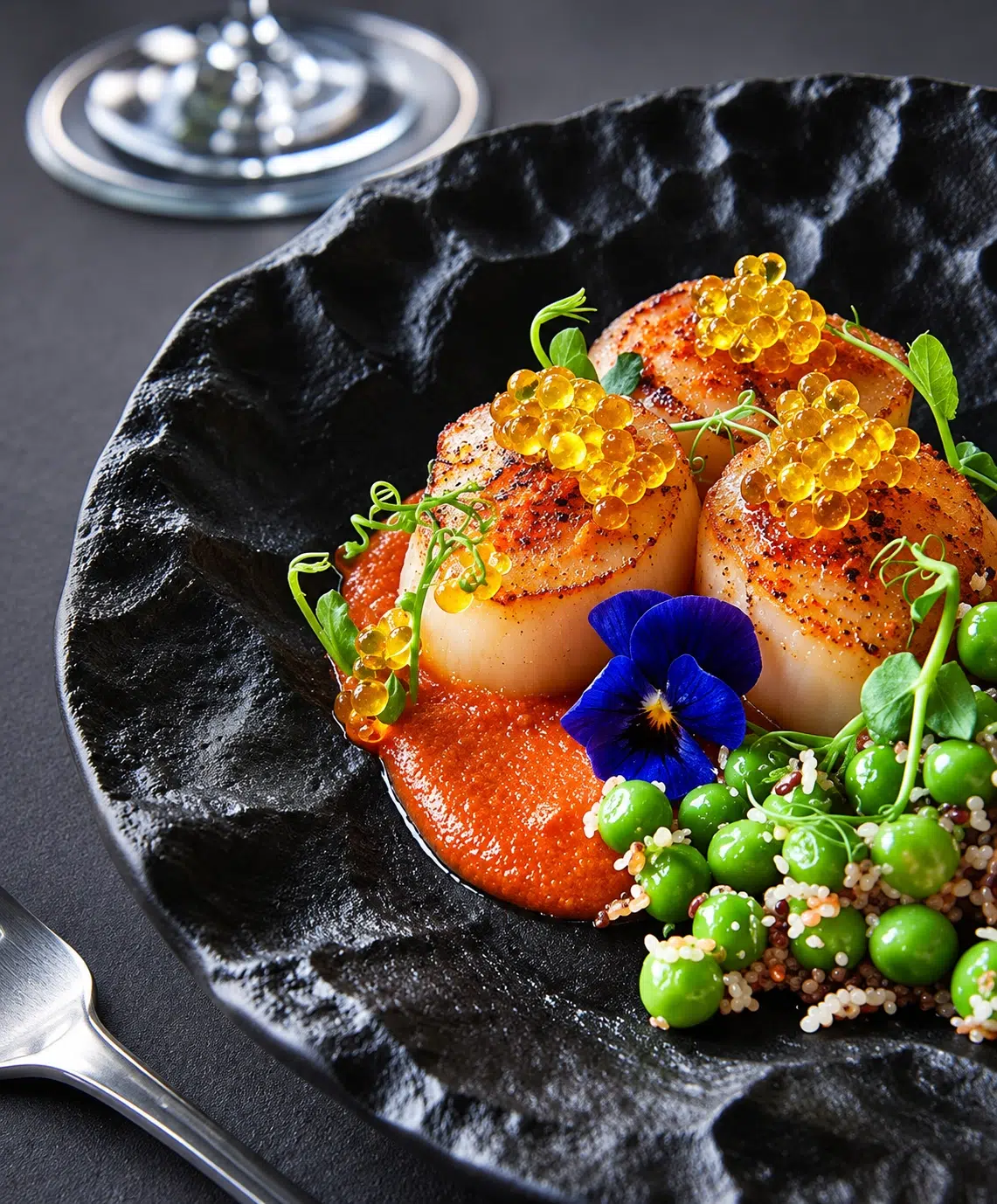
At Rasoi by Vineet, Chipkar’s culinary philosophy found expression through dishes that drew inspiration from India’s diverse regional traditions while embracing unexpected ingredients and modern techniques. His objective was not simply to reinterpret familiar recipes for an international audience, but to develop original compositions that respected the essence of Indian cooking while offering something genuinely distinctive.
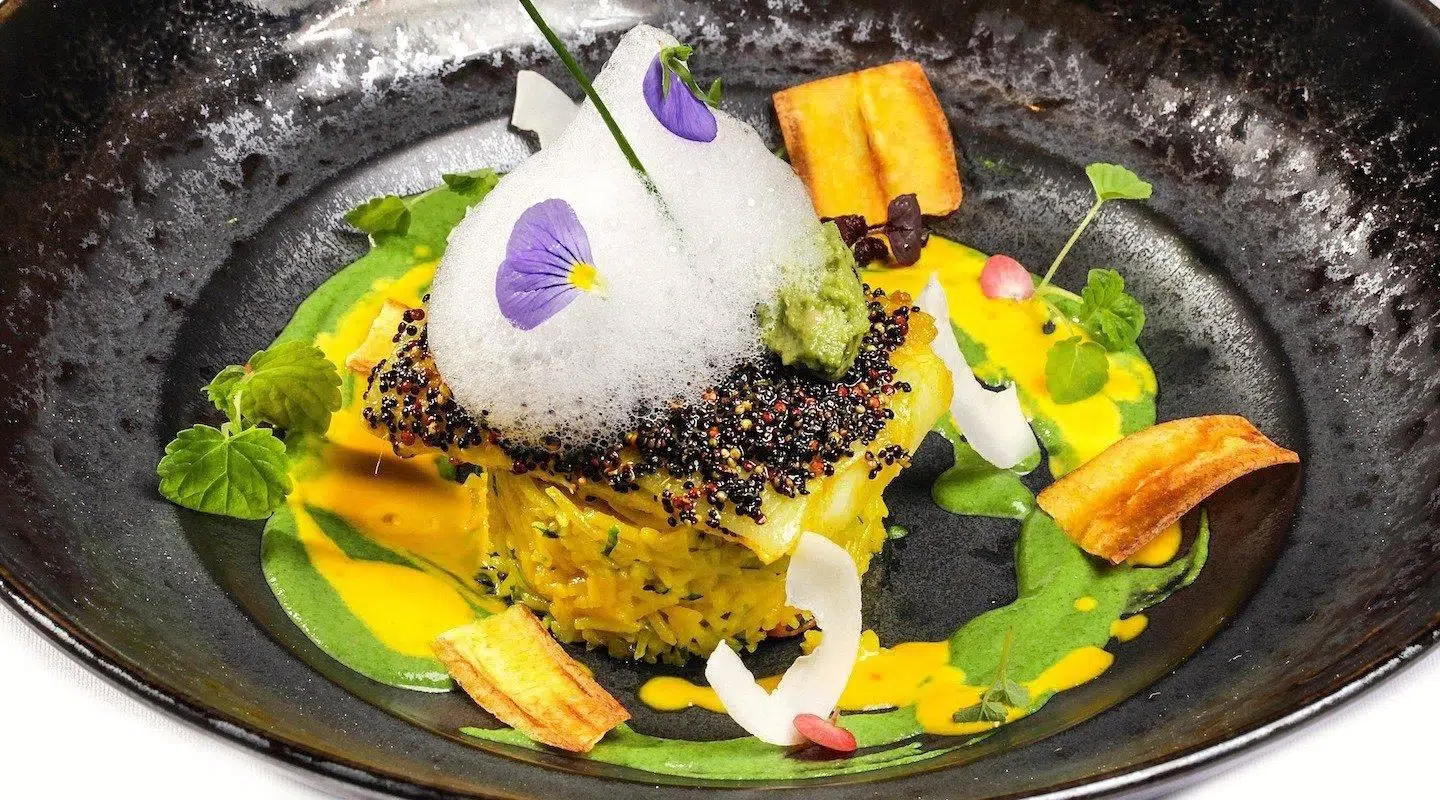
Among the signature creations he discussed with Upscale Living Magazine were pork vindaloo, quinoa-crusted halibut with Goan sauce, and coconut chicken. Each demonstrated a different aspect of his culinary perspective, from the robust, spice-driven character of Goa’s regional cooking to the more delicate interplay of textures and flavors found in contemporary fine dining.
The quinoa-crusted halibut was particularly representative of this approach. By combining an ingredient more commonly associated with modern international cooking with a sauce rooted in Goan culinary tradition, the dish illustrated how contrasting influences could coexist without diminishing the identity of the original inspiration. The result reflected a broader philosophy in which innovation was guided by an understanding of flavor rather than a desire for elaborate presentation alone.
For Chipkar, originality was essential. He emphasized that the recipes developed in his kitchen were conceived through the team’s own ideas, with each creation inspired by a particular aspect of India’s culinary landscape. The intention was to translate regional stories into dishes that could engage diners through taste, texture, and presentation, while remaining connected to the traditions from which they emerged.
This approach reflected a changing perception of Indian fine dining, one in which the cuisine’s extraordinary diversity could be explored beyond conventional expectations. Rather than reducing Indian gastronomy to a familiar collection of curries and breads, Chipkar’s cooking demonstrated the possibilities of a culinary heritage rich enough to support both faithful interpretations and imaginative reinvention.
The Art of a Memorable Dining Experience
The experience at Rasoi by Vineet extended beyond individual signature dishes. During Chipkar’s tenure, the restaurant offered a six-course Gourmand Menu designed to introduce guests to a succession of flavors inspired by different regions of India. Accompanied by carefully selected wine pairings, the menu invited diners to explore the breadth of Indian gastronomy through a structured and thoughtfully composed culinary journey.
For guests less inclined toward experimental cuisine, the restaurant also offered traditional Indian preparations, recognizing that authenticity and innovation need not exist in opposition. This balance was central to Chipkar’s approach: contemporary techniques could introduce new dimensions to familiar flavors, while classic recipes continued to deserve a place at the table.
The philosophy also reflected the particular demands of cooking in an international luxury hotel, where guests arrived with widely differing expectations and levels of familiarity with Indian cuisine. A successful dining experience required more than technical accomplishment. It demanded an understanding of hospitality, an appreciation for individual preferences, and the ability to communicate a culinary vision through dishes that remained engaging and accessible.
At its best, this style of fine dining offered something more enduring than spectacle. It encouraged guests to discover the character of a cuisine through carefully considered combinations, while allowing the chef’s personality and experience to emerge naturally. For Chipkar, the measure of success lay not merely in the complexity of a preparation, but in the originality of the idea and the pleasure it brought to the table.
The principles that guided his work in Geneva would remain relevant as his career continued beyond Switzerland, including subsequent ventures in Dubai’s evolving restaurant scene. His culinary journey illustrates the increasingly international character of Indian gastronomy, where regional traditions provide the foundation for creative expression across cultures and continents.
Yet perhaps the most compelling aspect of Chipkar’s story is the continuity between his earliest experiences and his professional achievements. From the home kitchens of Pune to the sophisticated dining rooms of Geneva, his understanding of food has remained anchored in the same essential values: respect for ingredients, curiosity about flavor, and the belief that every memorable dish begins with a meaningful idea. In an era when culinary innovation can sometimes overshadow tradition, his approach offers a persuasive reminder that the most exciting expressions of modern Indian cuisine are often those that understand their origins best.
Editor’s note: This culinary portrait is based on an original interview conducted by Rahim B. Kanani for Upscale Living Magazine and published on October 10, 2017. Chef Prashant Chipkar’s tenure at Rasoi by Vineet in Geneva is documented as 2014–2016. Restaurant menus, dishes, and professional roles are described in their historical context.