Every August, the Monterey Peninsula becomes a temporary capital of automotive culture, where historic racers, concours royalty, multimillion-dollar auction lots, and the newest expressions of modern performance gather within a few miles of California coastline. For Rolls-Royce Motor Cars, however, Monterey Car Week 2026 is less about unveiling another model than demonstrating just how personal an automobile can become when virtually every conventional boundary is removed.
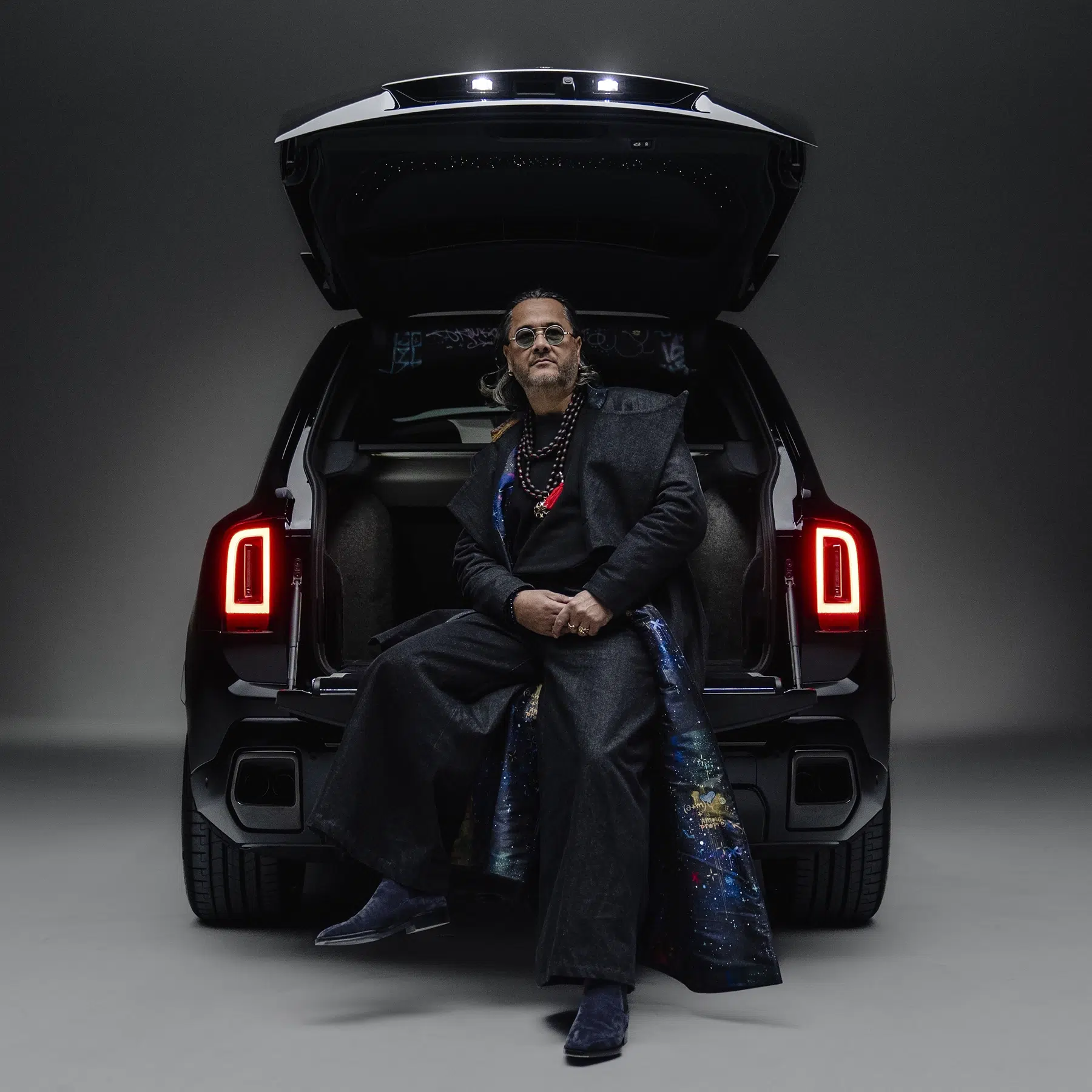
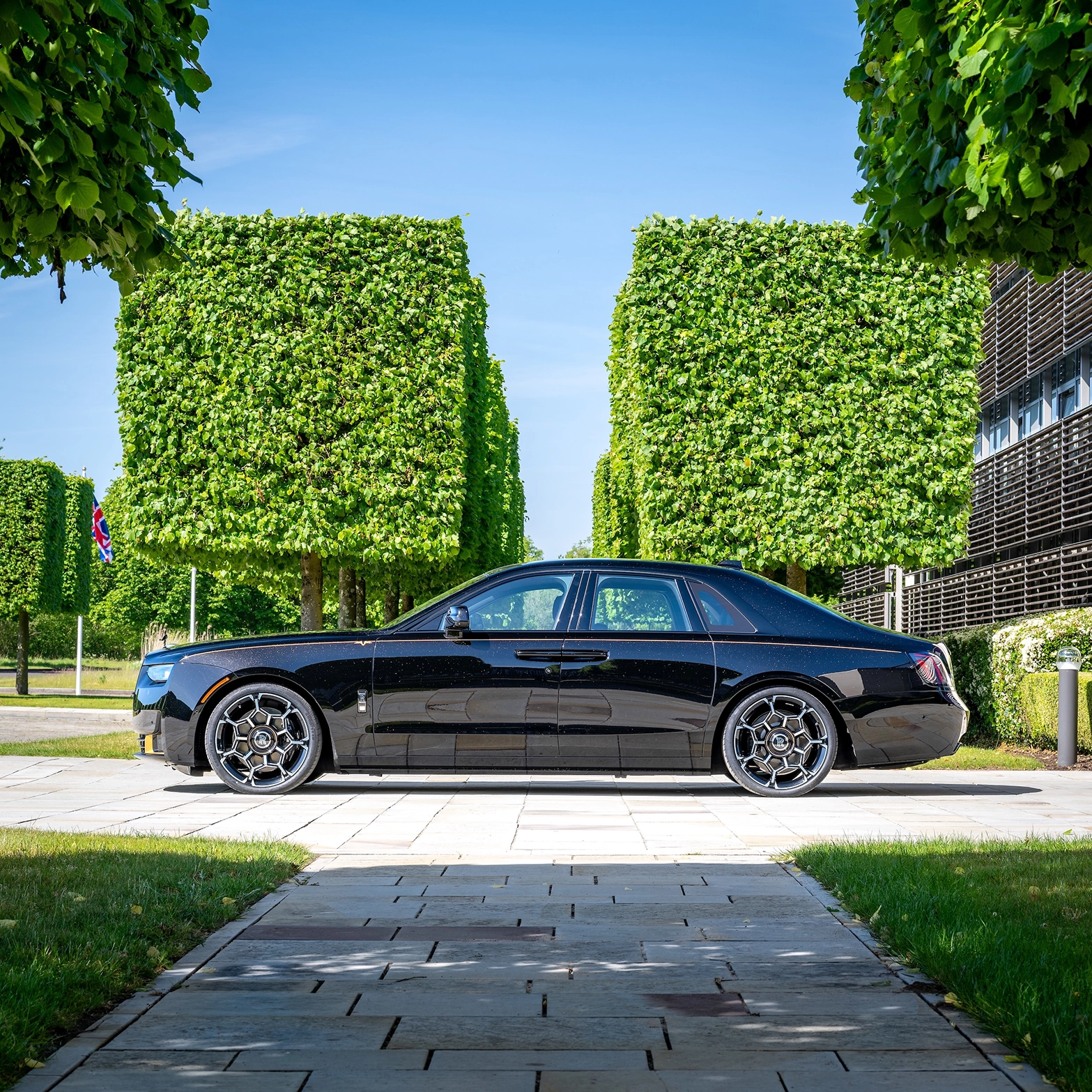
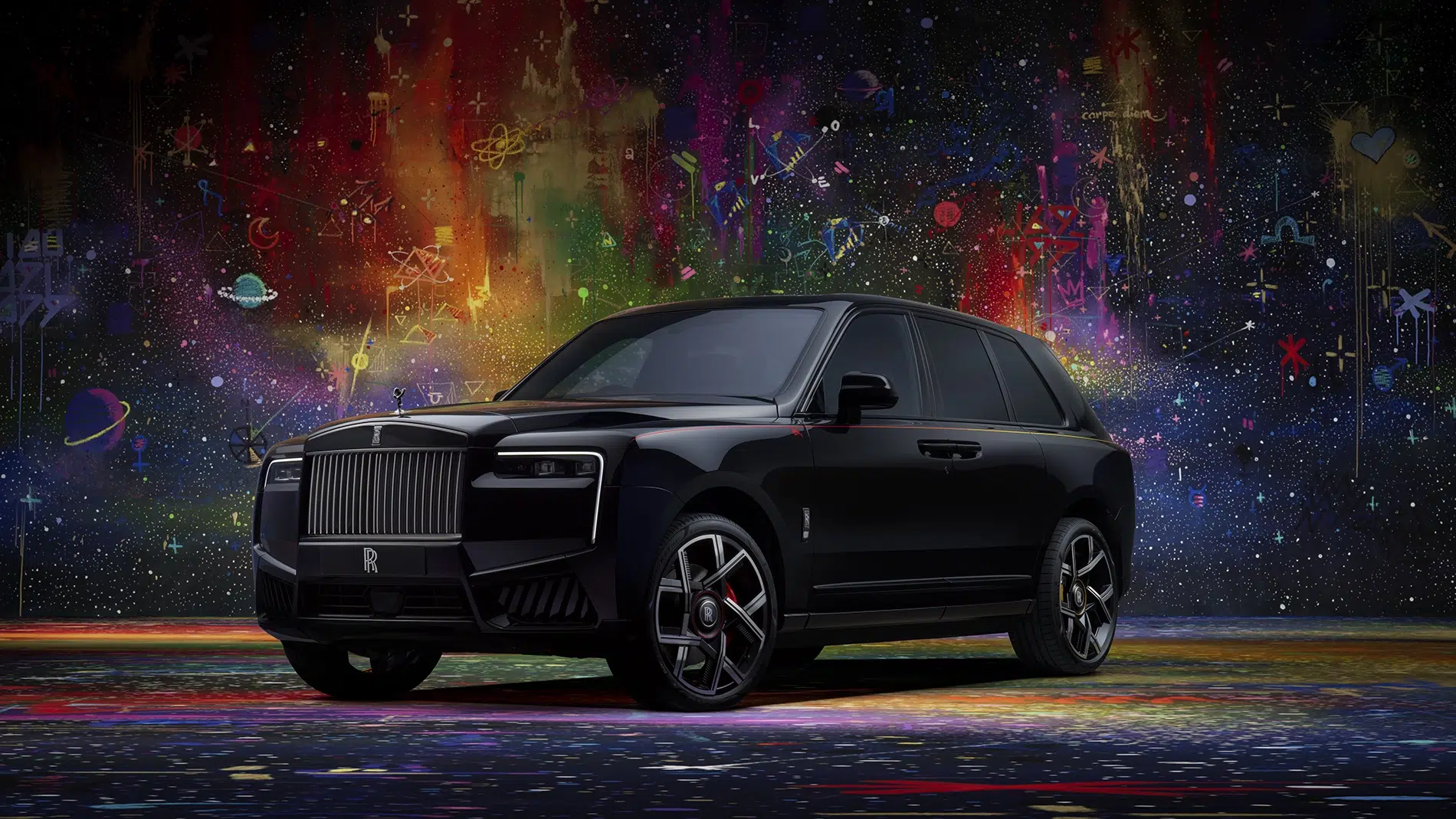
The British marque arrives in California with two extraordinary Black Badge commissions created for North American clients: a Black Badge Cullinan Series II shaped in collaboration with French artist Cyril Kongo and the Black Badge Ghost Golden Era, a meticulously detailed homage to the V12 engine that has defined generations of Rolls-Royce motoring.
Both will be presented around Rolls-Royce’s private Villa overlooking the Pacific, an appropriately discreet setting for a clientele accustomed to experiencing the marque away from conventional show stands. Throughout the week, the Villa will host private gatherings and Bespoke consultations while providing clients with a closer look at the increasingly ambitious possibilities offered by Rolls-Royce’s craftspeople in Goodwood.
Nick Keen, President and CEO of Rolls-Royce Motor Cars North America, describes Monterey Car Week as one of the most important occasions on the international luxury calendar. The presence of these commissions makes the point particularly well. Today’s most demanding Rolls-Royce clients are no longer simply selecting colors, veneers, and embroidery. They are commissioning deeply personal objects that can draw inspiration from art, engineering, family history, private passions, or moments they wish to preserve.
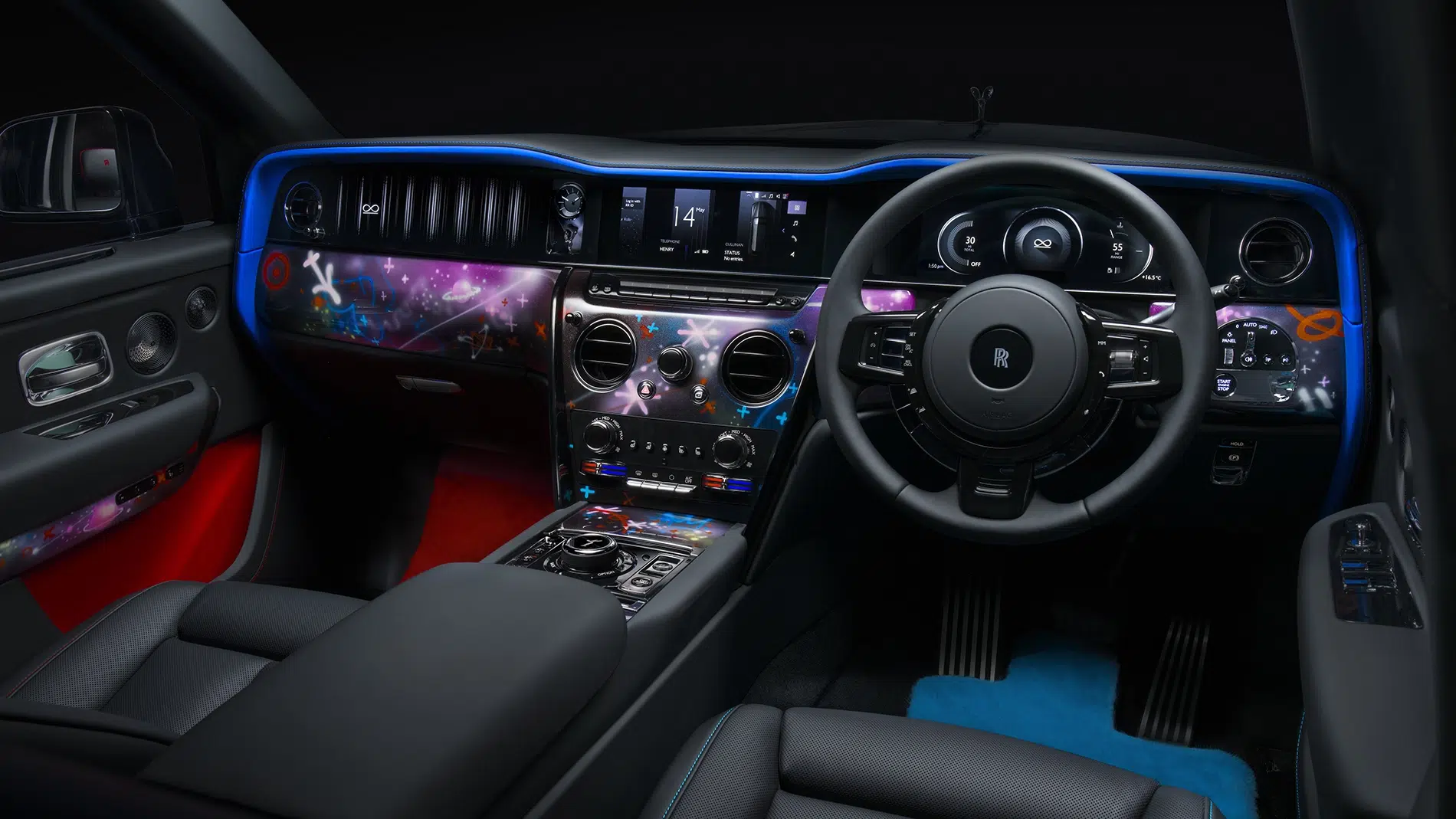
The Cullinan is perhaps the more immediate of the two. Created as part of Rolls-Royce’s collaboration with Cyril Kongo, the project brings the visual energy of an artist rooted in graffiti culture into an environment ordinarily associated with immaculate restraint. Kongo, who has spent decades moving street-born expression into galleries and the wider world of contemporary art, treats the automobile not merely as transportation but as another surface upon which an idea can live.
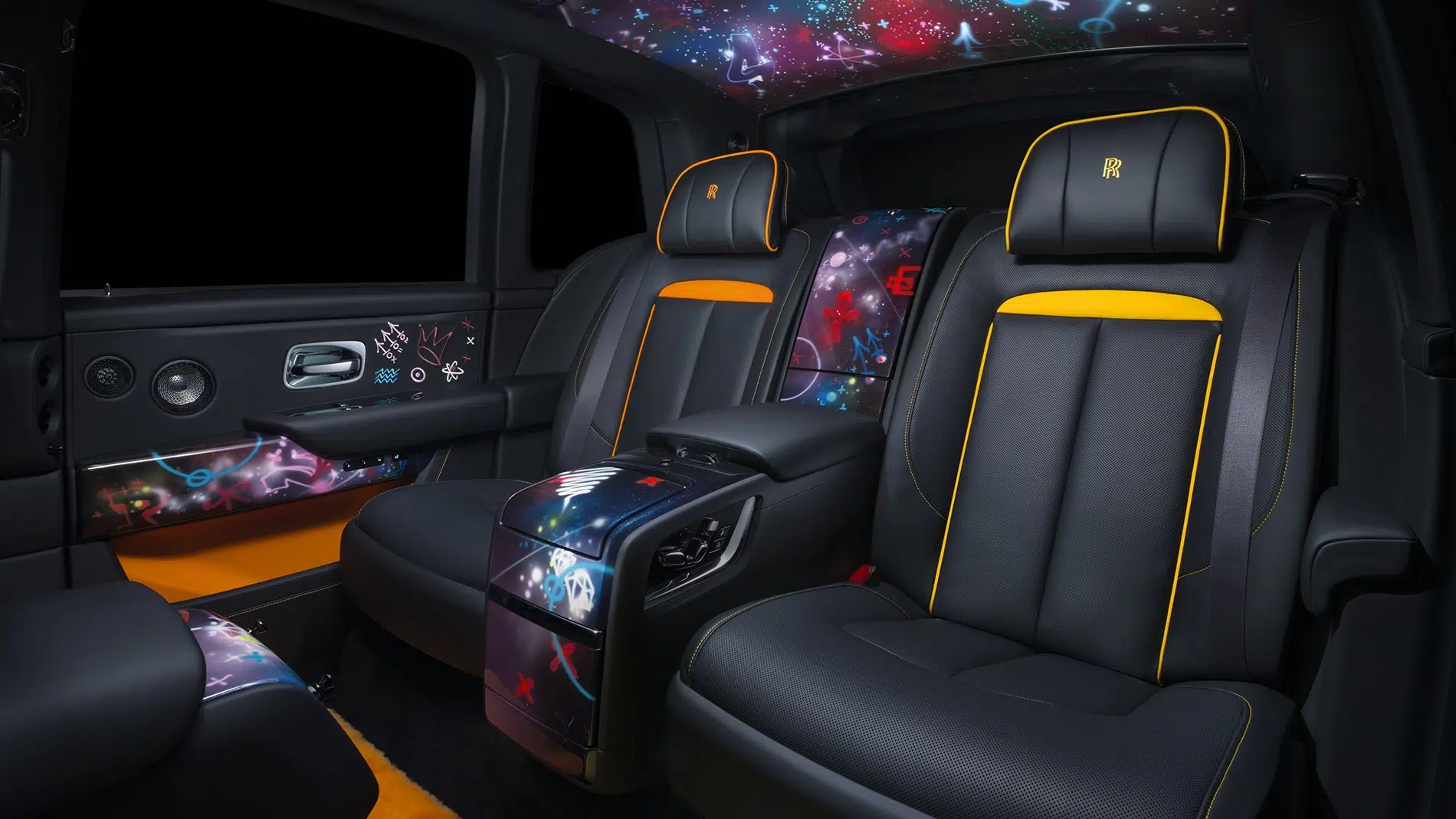
His language continues throughout the Black Badge Cullinan Series II in saturated color, expressive markings, and individually executed details. Rather than applying an artistic theme as decoration, Rolls-Royce has integrated Kongo’s work into the physical craftsmanship of the vehicle. Hand-painted surfaces, specially developed treatments, bespoke materials, and cabin elements produced by the artisans at Goodwood allow the work to move from exterior presence into the private sanctuary of the interior.
The broader Kongo collaboration comprises five individually expressed Private Commissions, each sharing the artist’s unmistakable creative vocabulary while remaining unique to its owner. The example destined for Monterey therefore sits at an intriguing intersection: part Rolls-Royce, part contemporary artwork, and part deeply personal commission.
It also demonstrates why Cullinan has become such a compelling canvas for Bespoke. The imposing proportions of Rolls-Royce’s luxury SUV provide physical presence, but the real appeal increasingly lies in what happens beyond the architecture of the vehicle itself. In the hands of a collector with a distinct point of view, Cullinan can become something closer to a commissioned interior, a wearable artwork, or a piece of contemporary design than a traditionally configured automobile.
If the Kongo Cullinan celebrates artistic expression, Black Badge Ghost Golden Era turns inward, toward the mechanical heart of Rolls-Royce.
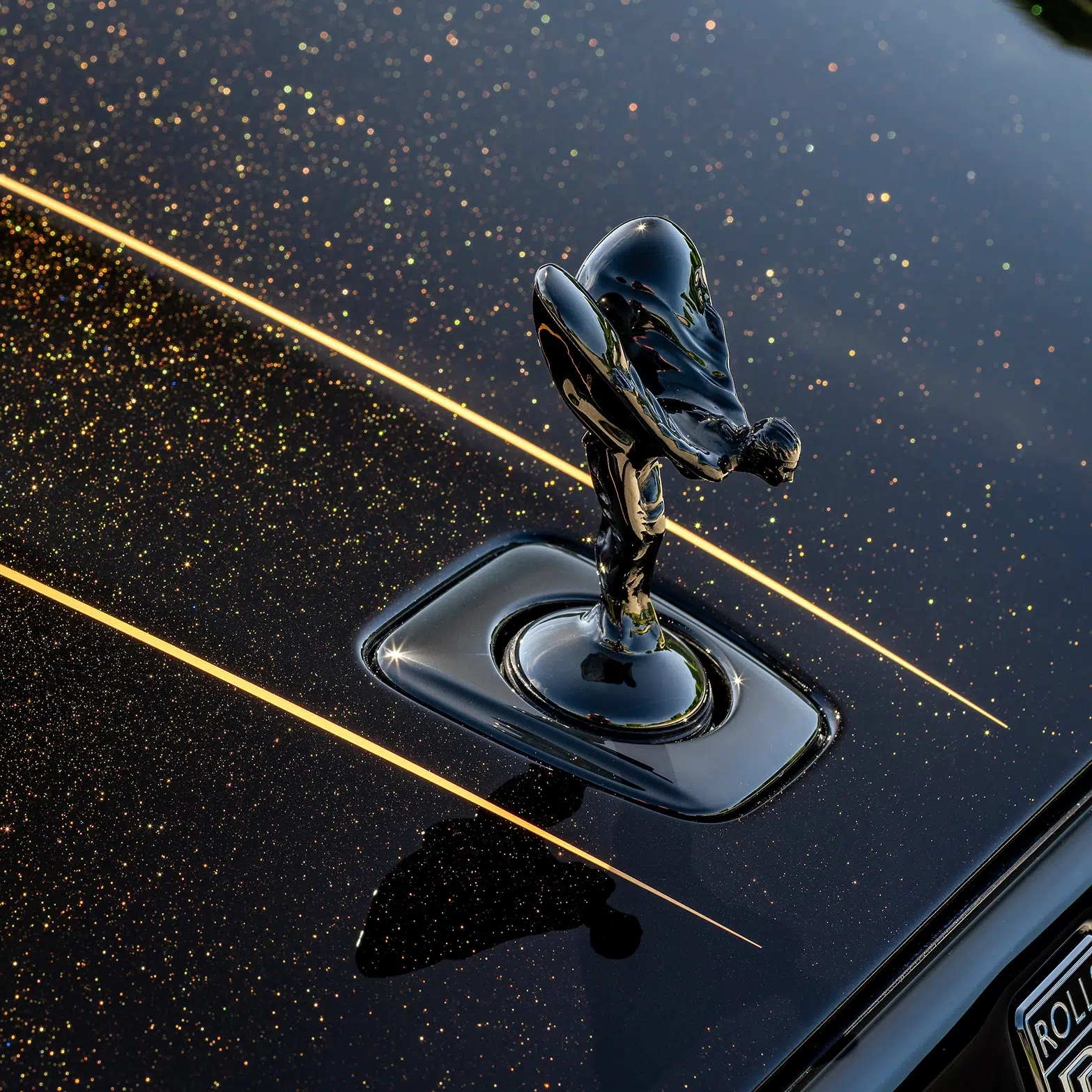
Commissioned by a North American client, the car pays tribute to more than a century of V12 engineering through a remarkably nuanced study in gold. Its Gold Crystal over Black exterior incorporates gold-infused paint, creating a finish that reveals itself gradually as natural light moves across the bodywork. A hand-painted V12 coachline traces the car’s profile, accompanied by gold hood detailing and carefully judged gold accents within the exterior treatment.
Inside, the theme becomes considerably more intricate. Rather than simply surrounding passengers with precious-looking surfaces, the commission celebrates the engineering architecture beneath them. Embroidery across the seats, door pockets, and rear center armrest references the V12, while an embroidered technical interpretation of the engine’s internal architecture appears on the rear interior panel—a first for Rolls-Royce.
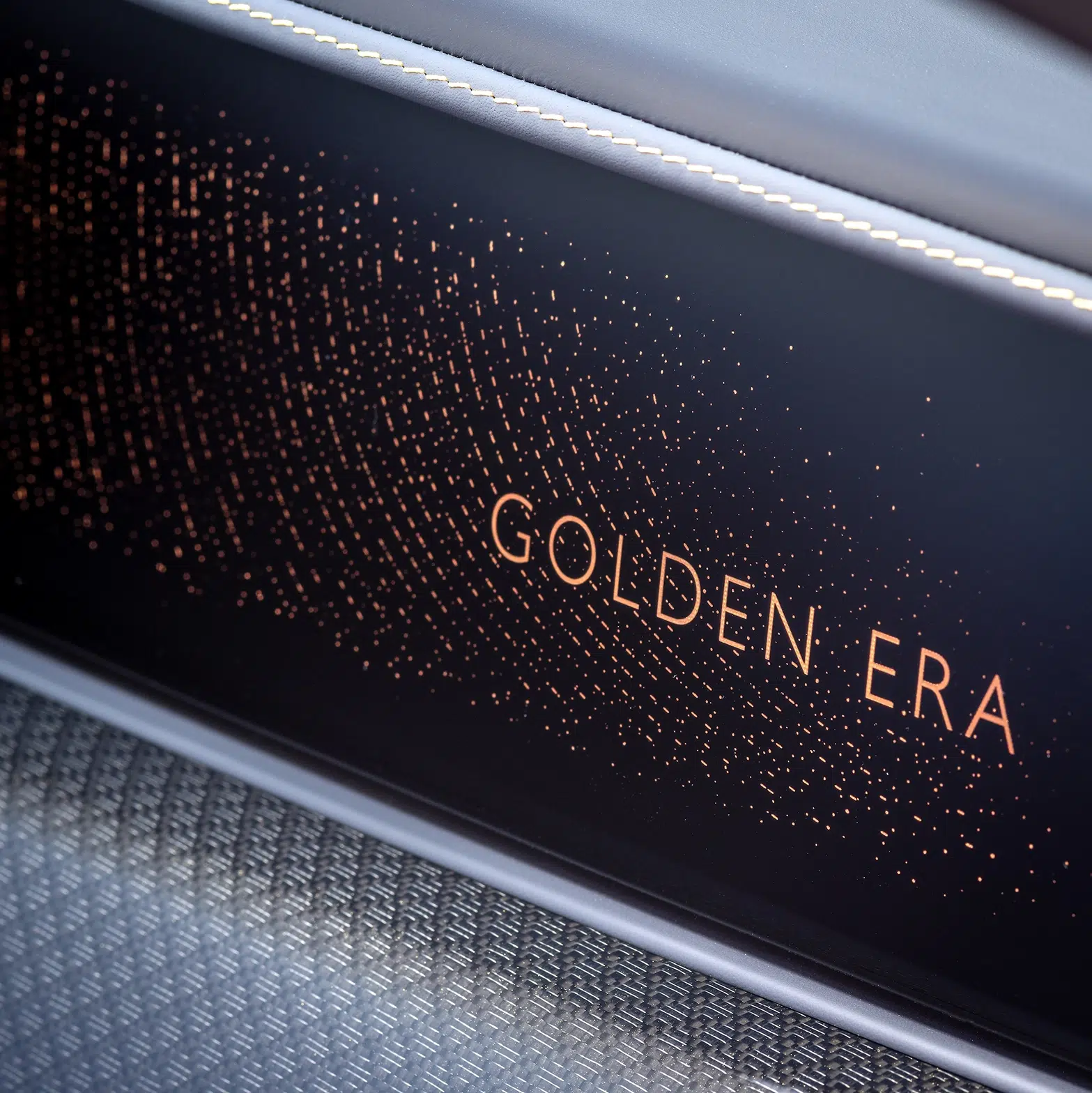
Microscopic gold flakes are suspended within the lacquer of the Technical Fiber veneer, allowing the material to shimmer without overwhelming its underlying character. Gold brightwork and engraved air vents continue the theme, joined by a Golden Era Illuminated Fascia, a gold-inlaid ashtray, and a Starlight Headliner punctuated by gold shooting stars. Even the engine plaque participates in the narrative.
Yet Golden Era succeeds because the effect is not simply one of excess. Its most interesting details reward proximity. The commission turns an engineering story normally concealed beneath sheet metal into something tactile and visible, effectively translating the V12 from mechanical component into design language.
That distinction is increasingly central to Rolls-Royce Bespoke. The company’s most ambitious commissions are becoming less concerned with conspicuous personalization and more interested in storytelling. Colors acquire provenance. Materials carry memory. Embroidery references private histories. A dashboard can become a canvas, while an engine becomes inspiration for an interior.
There could be few more fitting places to present that philosophy than Monterey. Car Week has always celebrated machines that transcend transportation, automobiles preserved because of who commissioned them, who designed them, how they were built, or what they came to represent.
With the Kongo Cullinan and Ghost Golden Era, Rolls-Royce is making a persuasive argument that such collectability need not belong exclusively to the past. The modern motorcar, when approached with enough imagination and craftsmanship, can still become something far more enduring than a specification sheet.
It can become a portrait of its owner.