Cream, cedar, and blanched almonds meet brioche. Cocoa and espresso find raisin and date. A Cameroon wrapper seems to catch the pineapple and passion fruit in the glass without disturbing its salinity, while minerality, florals, and vanilla move quietly into focus.
When the pairing is right, neither side gives anything away.
That is the pleasure of Champagne and cigars. The bubbles rise and break. Smoke curls upward in scented ribbons. Texture, spice, acidity and aroma evolve in parallel, each sharpening the other rather than competing for attention.
The trick is balance.
A good cigar should not bully a good Champagne, and a good Champagne should never flatten the character of the cigar. Match the body of the stick to the structure of the wine and the whole experience becomes more interesting. A mature Cuban can sit beautifully beside a serious Montagne de Reims Champagne. A mild Dominican is often far better with a dry Blanc de Blancs than with something muscular. A ligero-forward Nicaraguan, on the other hand, can take the weight and depth of a richer cuvée.
Champagne also has one practical advantage over the traditional cigar companions of aged rum, bourbon, or single malt. Its lower alcohol allows the palate to remain more alert to nuance, while the acidity and effervescence refresh the mouth between draws.
That makes it particularly effective with cigars that move through several aromatic registers as they burn.
You notice more.
The cream gives way to nuts, the cedar becomes darker, spice arrives later, and what began with citrus in the glass may finish with brioche, coffee, or dried fruit. Champagne resets the palate just enough to let those transitions show themselves.
A mild Dominican with a chalky Blanc de Blancs can make the outside world feel pleasantly irrelevant for an hour. A structured rosé with a medium-bodied cigar can do much the same.
Life is improved by a good humidor.
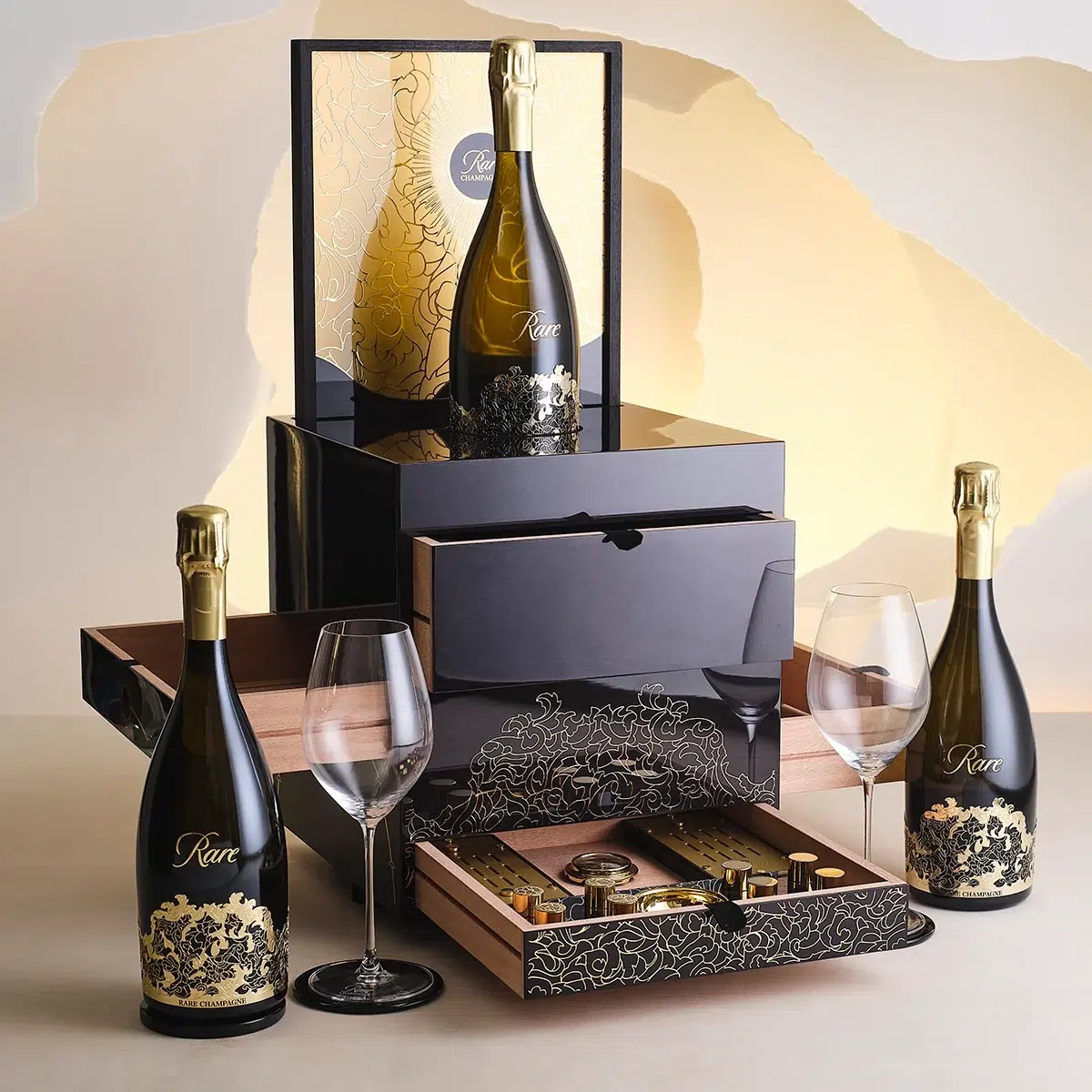
Rare Champagne has taken that idea rather literally. In collaboration with French cabinetmaker Elie Bleu, the house has created an octagonal humidor that treats the ritual of Champagne and cigars as an exercise in craftsmanship. The piece is fashioned from rippled sycamore and detailed with marquetry in gold, silver and mother-of-pearl, with room for 48 cigars alongside Rare Champagne vintages and bespoke accessories.
It is less a cigar box than a private ceremony.
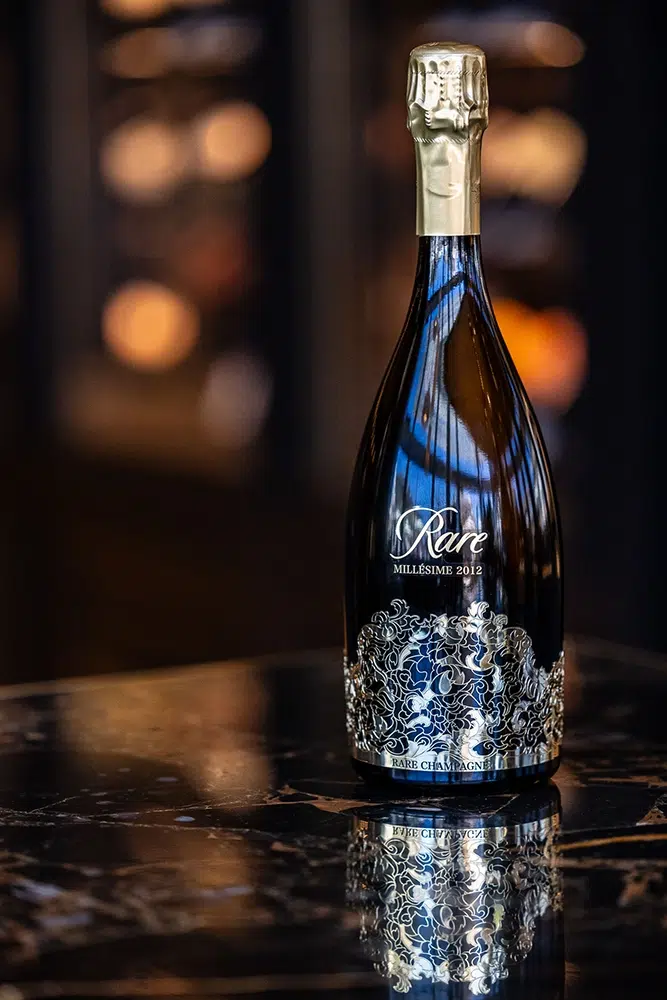
Rare itself has the history to carry the concept. The house traces its origins to 1785, when its first prestige cuvée was presented in the era of Marie Antoinette, and it has remained deliberately selective with vintage releases ever since. Its current cellar master, Émilien Boutillat, works with Chardonnay for precision and minerality and Pinot Noir for breadth, texture and structure. Rare’s own archive begins with the 1976 vintage and continues through a deliberately limited sequence rather than an annual release cycle.
That restraint is part of the appeal.
Rare Champagne, together with Piper-Heidsieck and Charles Heidsieck, has held B Corp certification since July 2022, reflecting a broader commitment to environmental and social standards.
The wine does not need a tasting menu to prove itself, although no one is likely to object to veal and langoustine tartare, pain de campagne with Bordier butter and white Alba truffle, or veal fillet with gnocchi, hazelnut and white-truffle sabayon. Poached rhubarb, yogurt and Sicilian pistachio ice cream might close the evening rather well.
But the essential combination is simpler.
One cigar. One flute. One bottle resting in ice.
From there, the pleasure becomes personal.
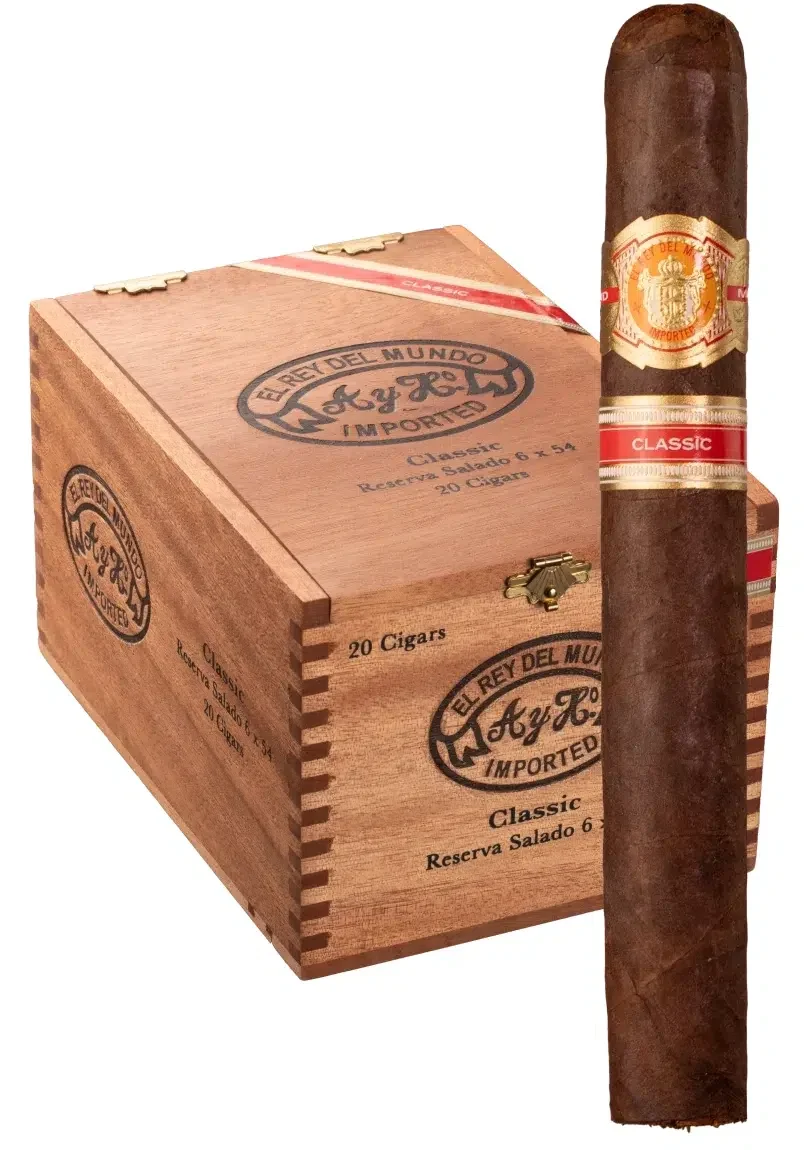
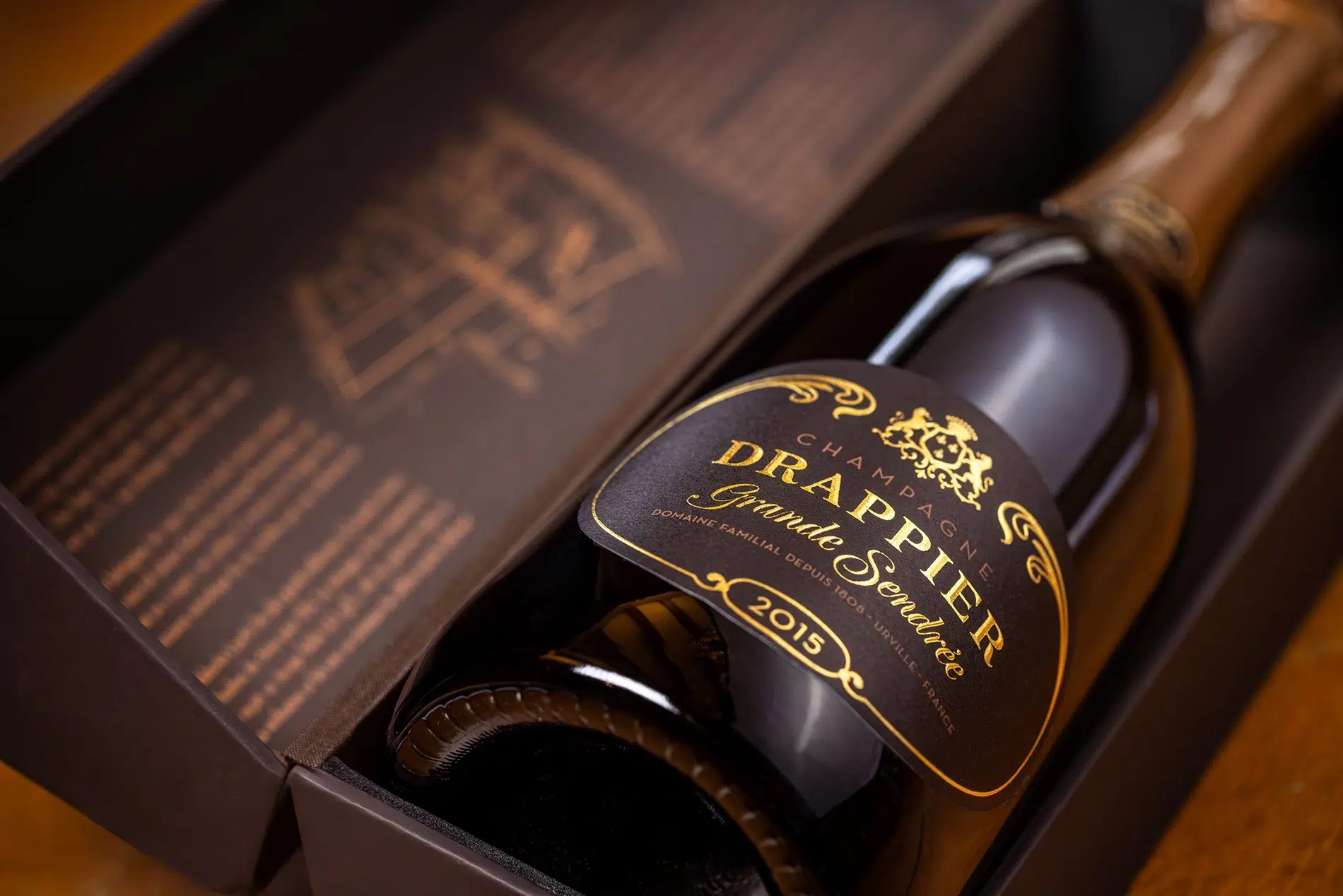
A low-dosage Drappier with a Quai d’Orsay No. 50. Veuve Clicquot Yellow Label Brut with an Alec Bradley Kintsugi. Krug with a Zino Platinum Scepter Robusto. Piper-Heidsieck with a Honduran El Rey del Mundo. Moët & Chandon Grand Vintage Rosé with an H. Upmann The Banker. Perrier-Jouët with an MBombay Kesara.
You are looking for resonance rather than rules.
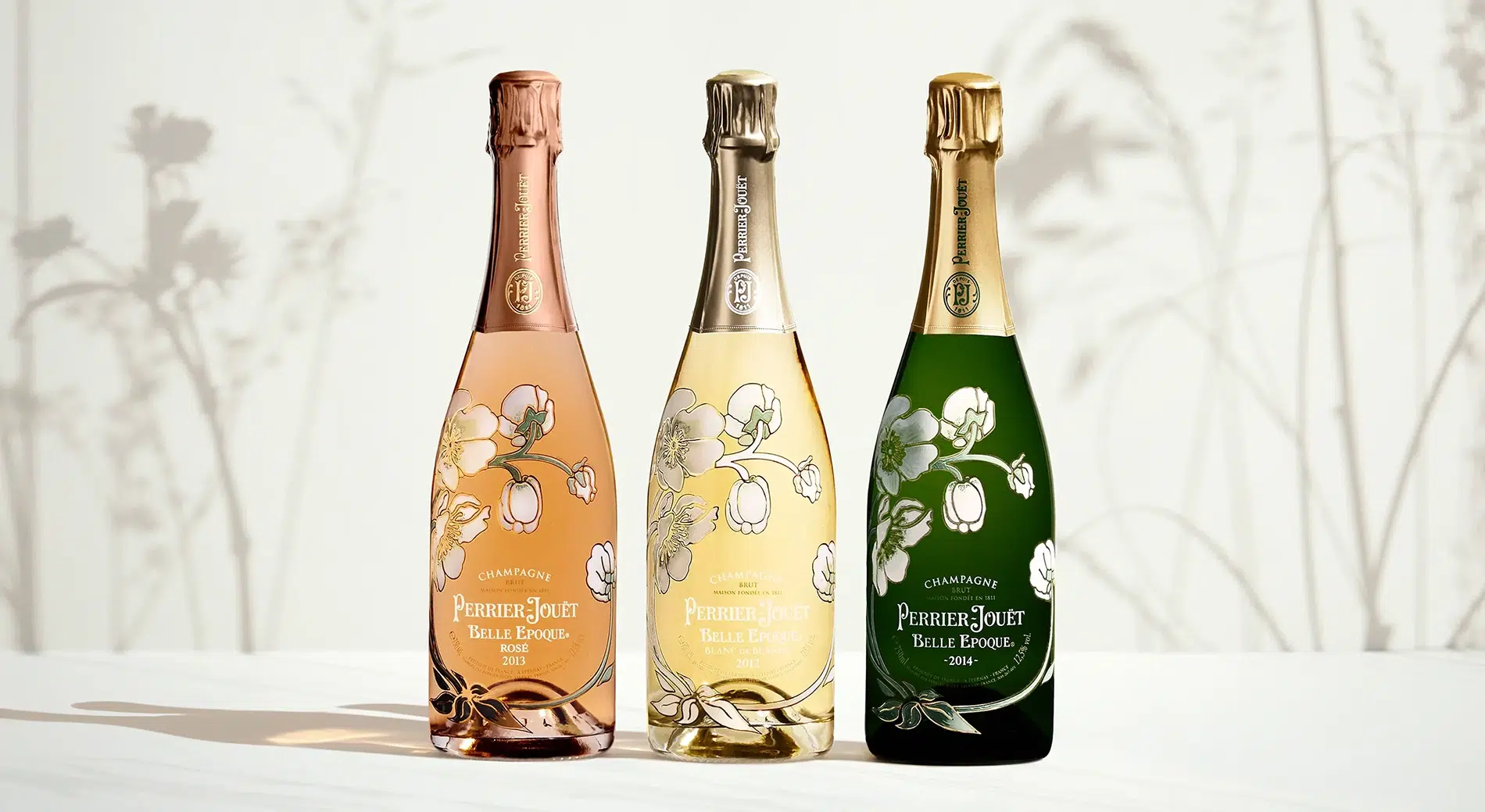
Toast against brioche. Cedar against nuttiness. Cocoa against mature fruit. Spice against acidity. The best combinations have a point of tension and a point of agreement, which is what keeps the glass and the cigar interesting long after the first impression.
There is, of course, a famous precedent for this sort of devotion.
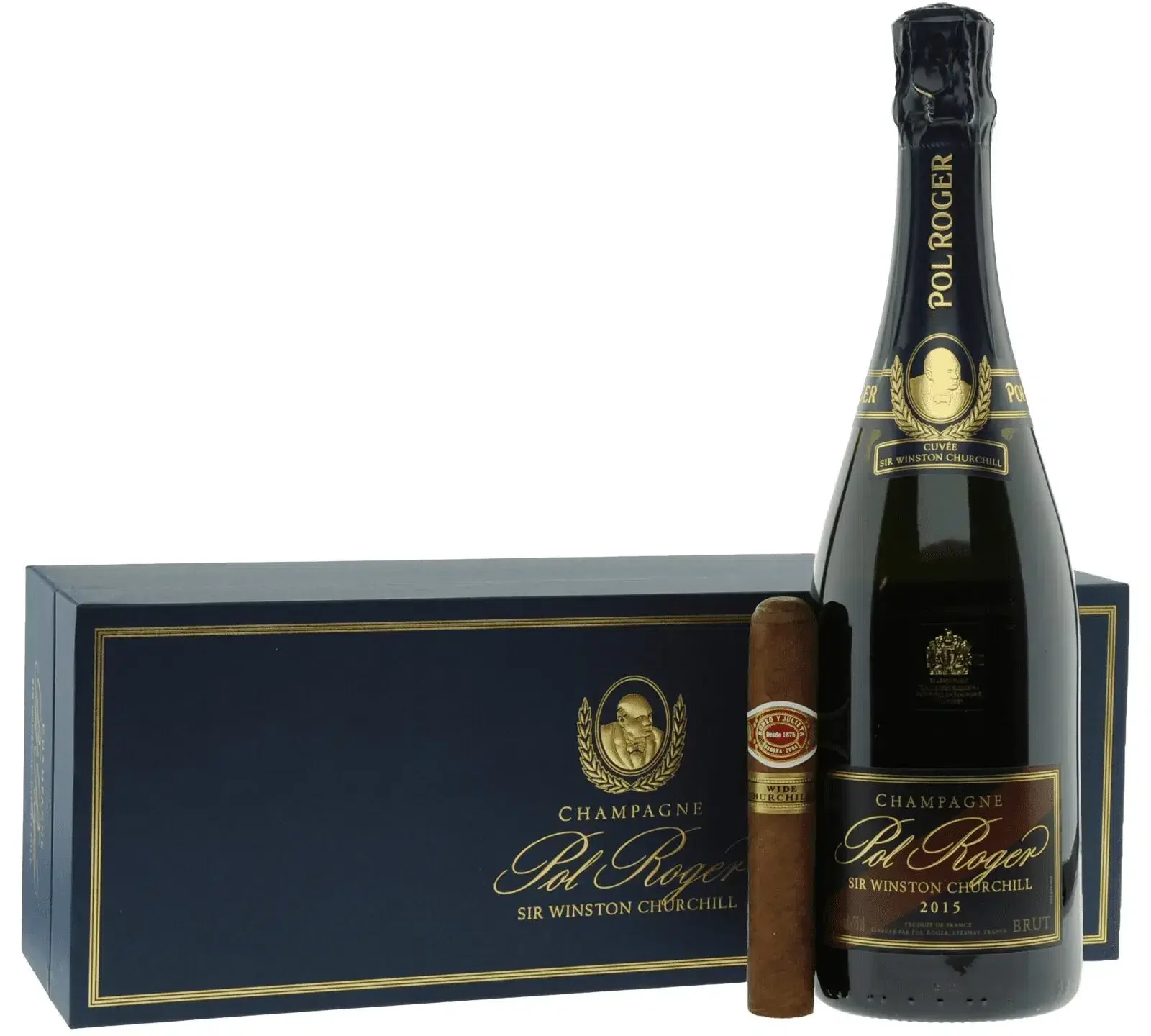
Winston Churchill’s relationship with Pol Roger began after he met Odette Pol-Roger at a luncheon hosted by the British ambassador in Paris after the war. A friendship followed, and Odette sent Churchill a case of Champagne for his birthday each year. After his death in 1965, bottles destined for Britain carried a black border in mourning; Pol Roger later created Cuvée Sir Winston Churchill in his honor.
He understood the point instinctively.
Champagne, like a cigar, rewards time, proportion and attention. Neither improves by being rushed. Both ask you to notice aroma, structure, development and finish.
A torpedo with Dom Pérignon can be sheer theatre. A dry Champagne with a dark maduro can be unexpectedly elegant. But the price or prestige of either side matters less than whether the pairing makes sense.
The real luxury is when nothing else is required.
A good cigar. A cold bottle. Enough time to enjoy both.