My time at the barre was brief, and tutus largely passed me by. I never worshipped at the altar of Margot Fonteyn, Sylvie Guillem, Alicia Markova, or Maya Plisetskaya, and no one ever suggested that the Bolshoi or Royal Ballet was waiting breathlessly for my arrival. My ballet career ended after two lessons, so I never achieved prima ballerina status, mastered a grand plié, or became renowned for a devastatingly emotional Giselle. No one has ever thrown bouquets in my direction, applauded my footwork, or whispered that my Swan Lake changed their life. There are regrets one learns to live with.
I have also never joined a female grunge band, dressed as a psychobilly, or developed a longing to be mistaken for a Flapper. Mary Janes ceased to interest me years ago, and doll shoes too. But ballet flats are another matter entirely. I am, unapologetically, a flats person. I like pumps. I like shoes that allow one to cross an airport terminal without entering into negotiations with one’s ankles. Espadrilles have never seduced me, and I have no intention of becoming a sneakerina evangelist.
The ballet flat, however, has earned its return. Satin, suede, ruched leather, mesh, crochet, woven uppers, slingbacks, crystal embellishment, studs, two-tone finishes, cap toes, almond toes, glove constructions, raffia, croc effects and metallic leather have all pushed the once-demure ballet pump into far more interesting territory. The best versions no longer look remotely apologetic.
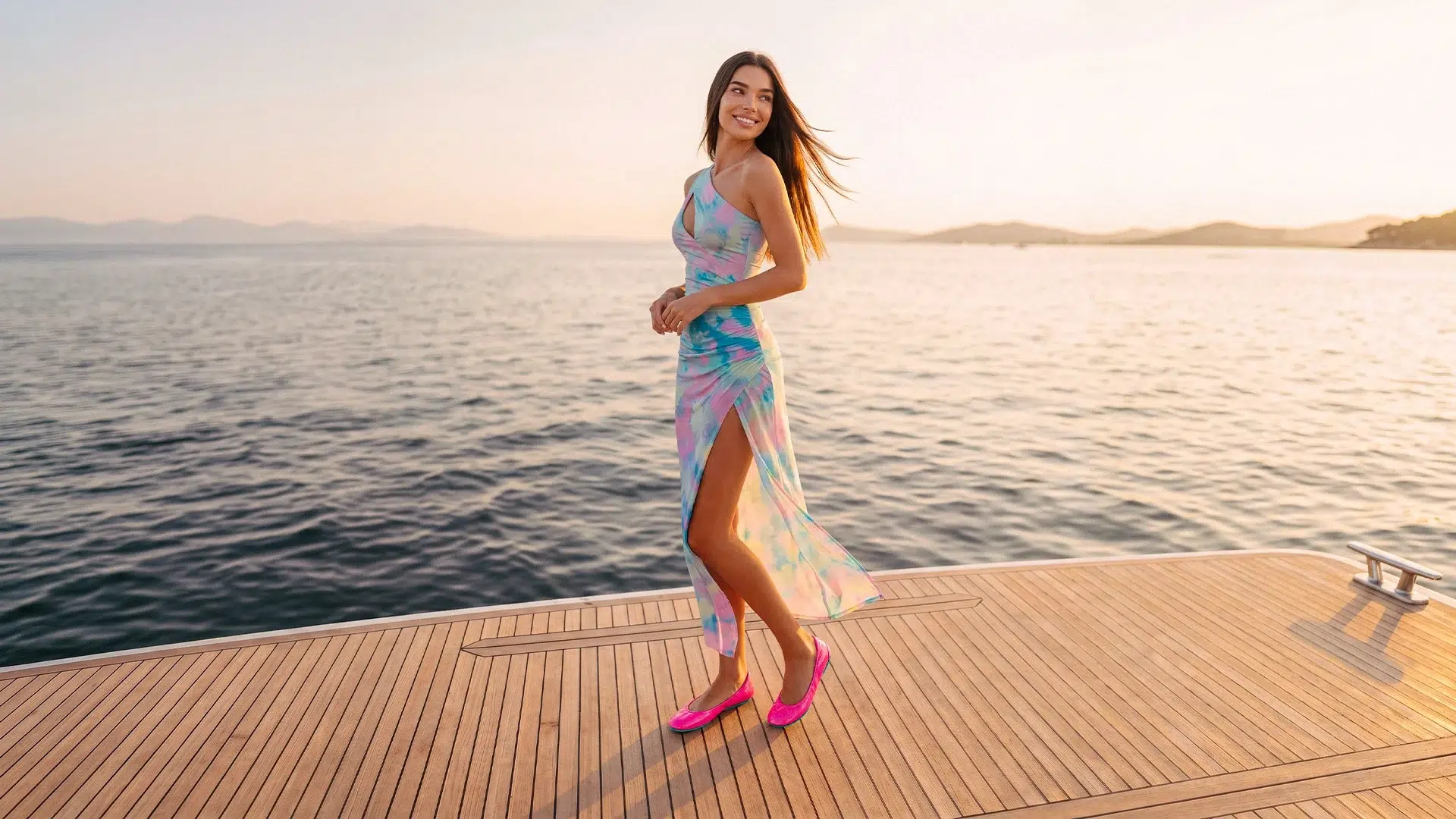
They work from morning to midnight, from office to dinner, pavement to marble floor, city street to yacht deck. More structured than a sandal and less formal than a loafer, a well-made flat occupies that useful space where polish and practicality meet. Few styles exploit that territory as confidently as Tieks by Gavrieli.
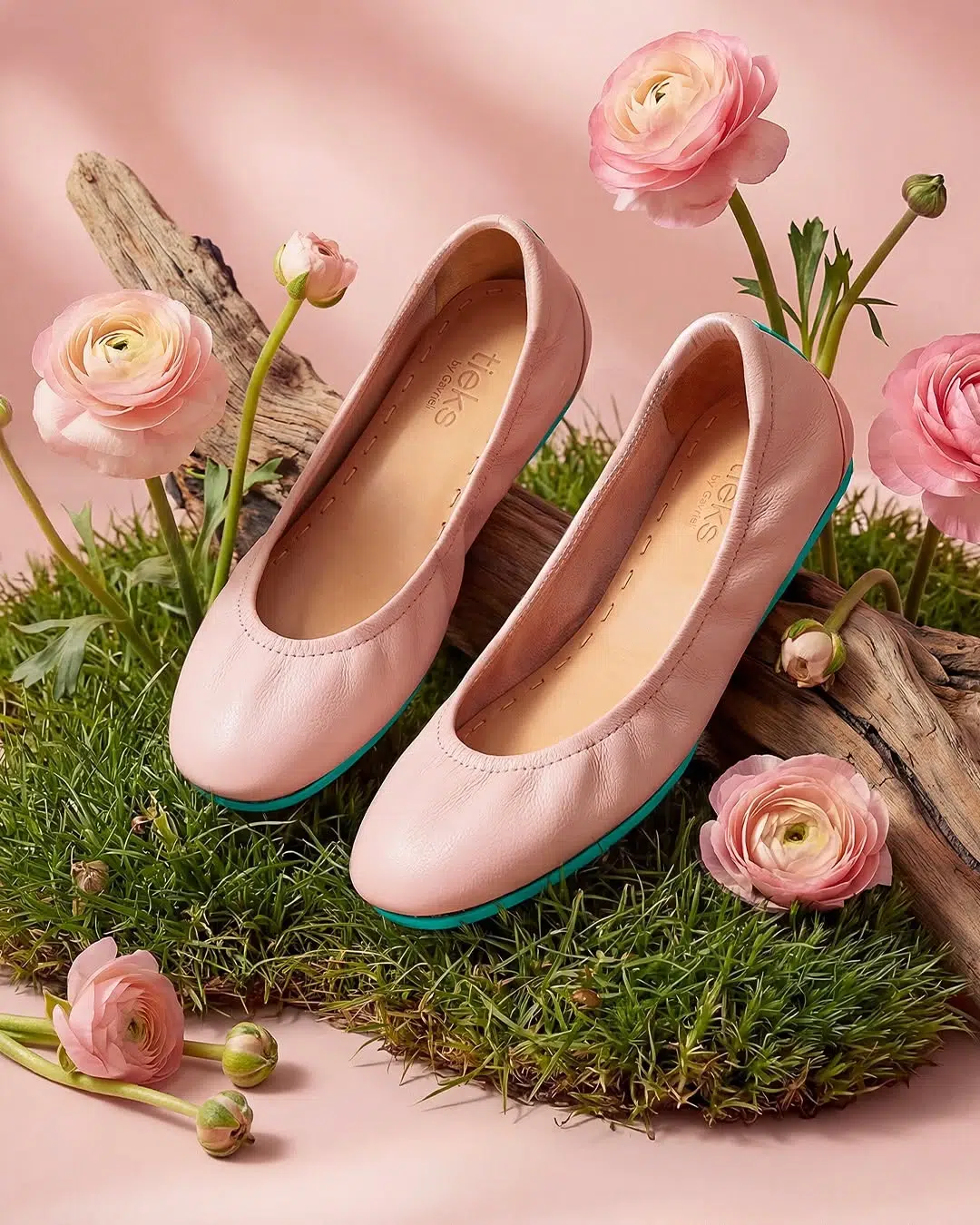
Tieks has built its identity around the idea that the ballet flat should travel as easily as the woman wearing it. Its signature split sole allows the shoe to fold neatly into a handbag or suitcase, while a flexible midsole lets it move with the foot rather than fight against it. The brand says every pair takes three days and more than 150 steps to make.
That makes them unusually well suited to modern life. A good ballet flat can sit beneath a boxy blazer and narrow jeans, wide-leg denim, linen trousers, a leather trench, leggings, a midi skirt or a silk dress without looking as though comfort won the argument. Travel only strengthens the case. Who, after all, wants to move through Heathrow, JFK or Charles de Gaulle in shoes designed primarily for standing still? Tieks fold into their own compact shape, ready to be pulled from a tote when heels have fulfilled their social obligations and should be dismissed for the evening.
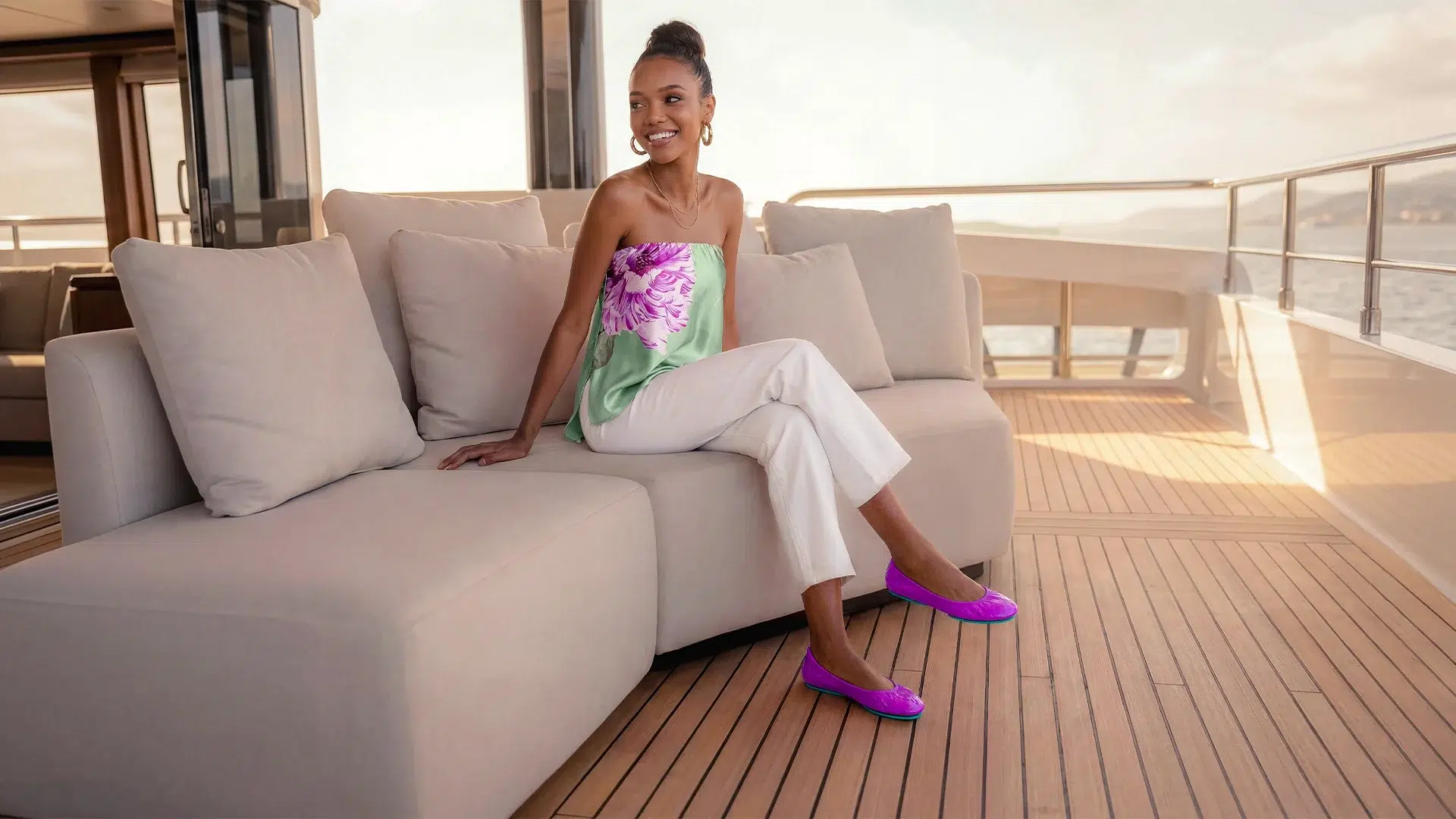
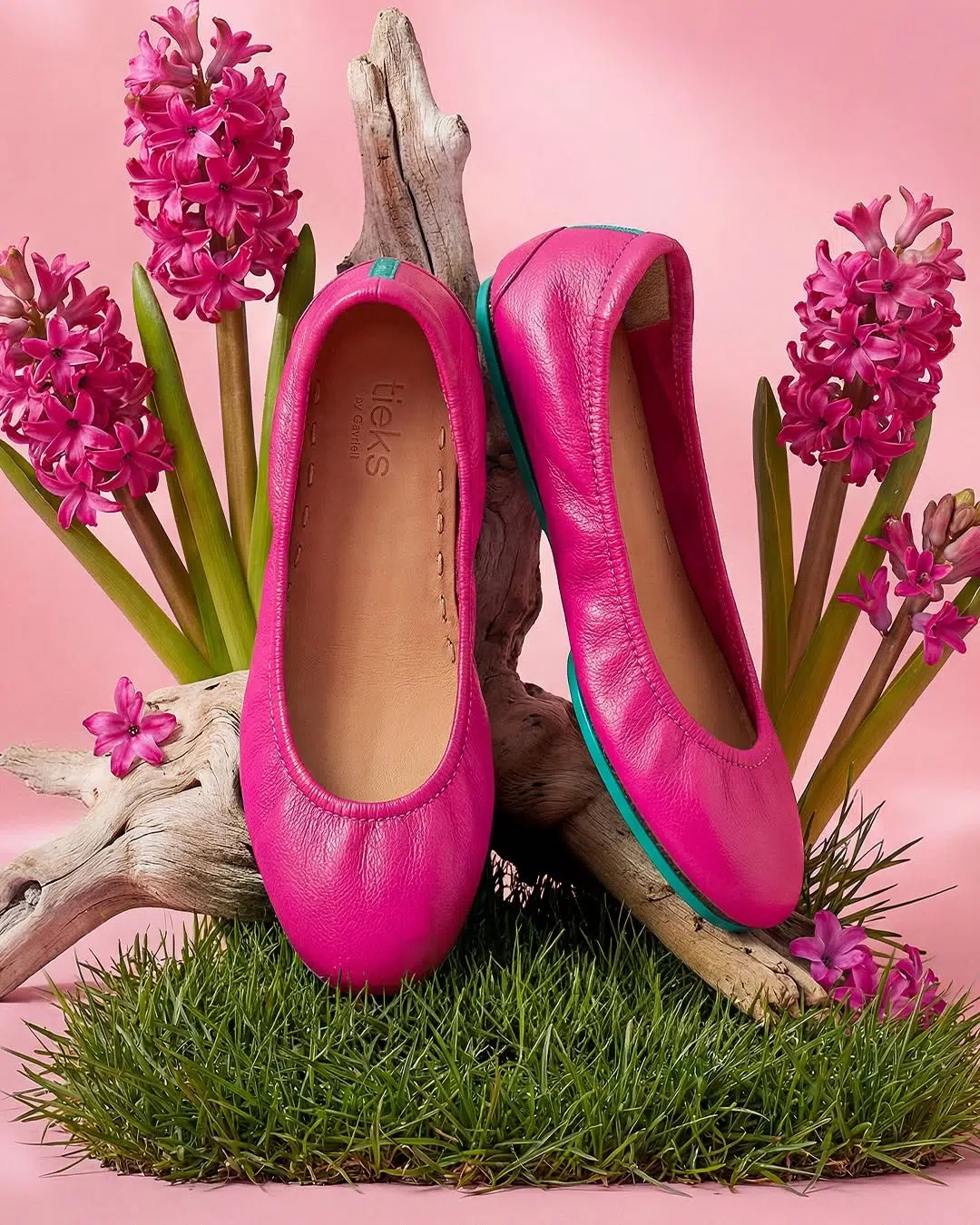
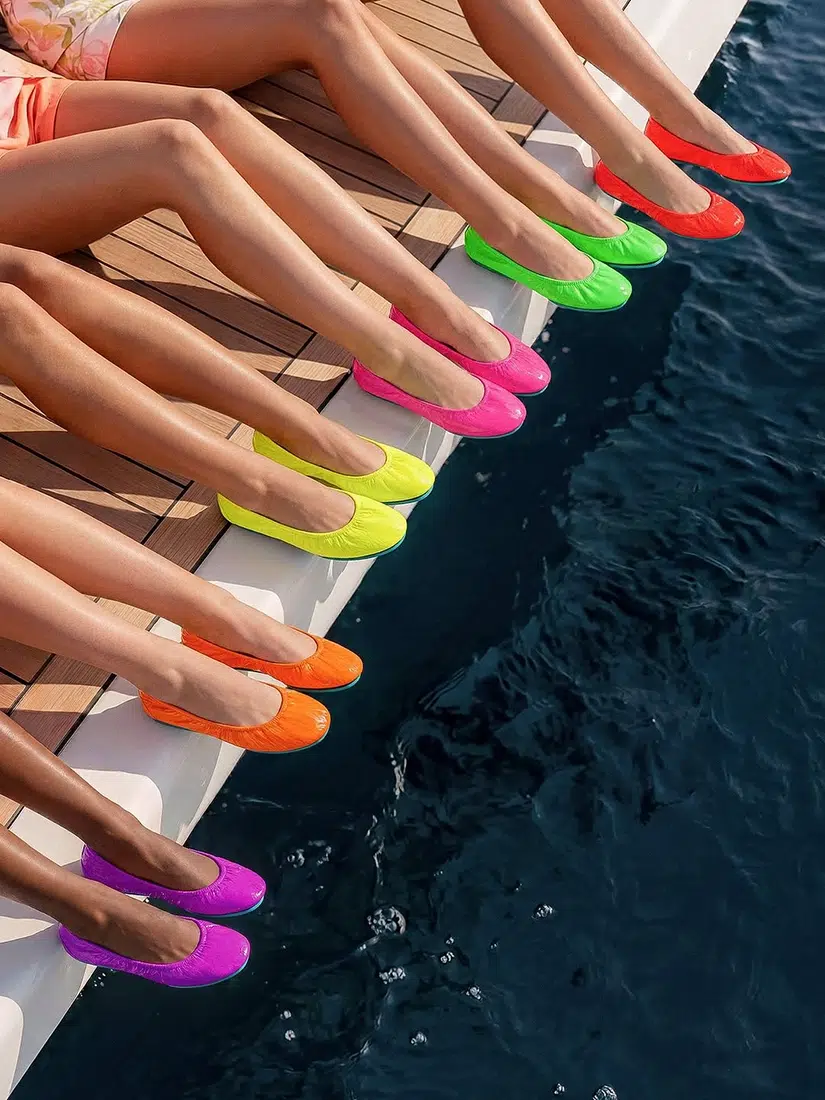
The styling possibilities are equally broad. Tieks currently offers more than 60 colors and prints, ranging from restrained neutrals to metallics, patent, florals, snakeskin effects, and saturated brights. Current styles include Matte Black, Ballerina Pink, Cardinal Red, Rose Gold Glam, Slate Grey Croc, Razzleberry, Sunset Stripe, and Tortoiseshell, among others.
This is where the brand becomes more interesting than the familiar black ballet flat. There is room for understatement, certainly, but there is also room for metallic pewter, cobalt, leopard, emerald patent, and colors loud enough to make beige nervous. For those who find Mary Janes a little too prim and dainty, Tieks offers considerably more attitude.
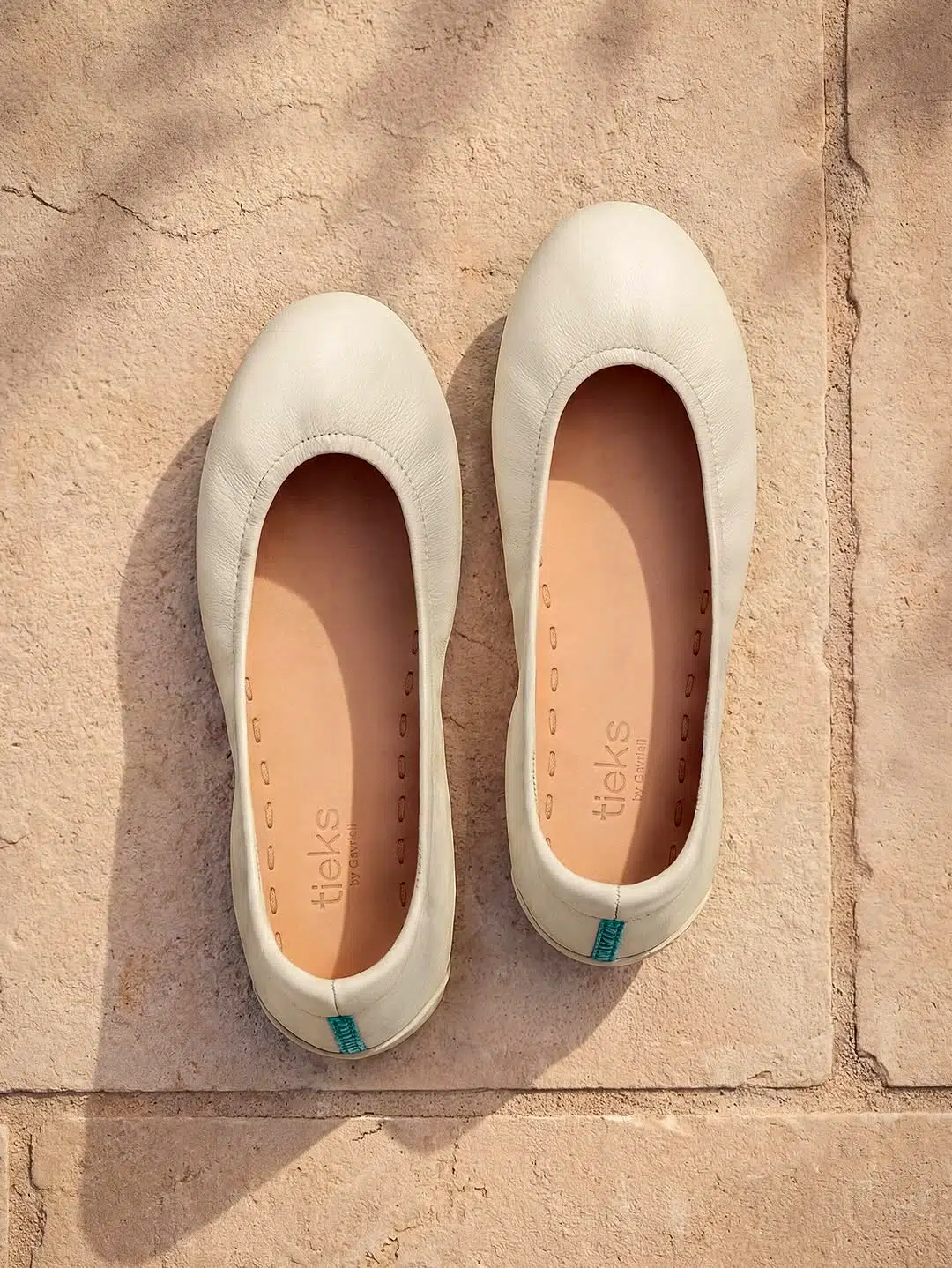
The classic styles are crafted from Italian Nappa leather, with additional variations in specialty leathers and textiles. Advanced foam cushioning, a cushioned heel back, and the flexible split-sole construction are intended to make them wearable over the course of a full day rather than simply photogenic for the first hour.
That distinction matters because the modern ballet flat has re-entered fashion not because women suddenly developed nostalgia for school shoes, but because footwear has become less interested in choosing between elegance and usefulness. The best flats do both. They can be worn with a tailored trouser at lunch, folded into a handbag before dinner, and retrieved again when the evening begins to outlast the heel. One might even wear them with 44-millimeter false eyelashes. There should always be limits to restraint.
Tieks also has a philanthropic dimension that gives the brand more substance than a clever folding mechanism. Through the Gavrieli Foundation, it supports women entrepreneurs via Kiva and says it has contributed more than $10 million to over 55,000 women across more than 70 countries. It is a rather elegant extension of the brand’s central proposition: shoes designed for women moving through the world, coupled with investment in women trying to build something within it.
Would any of this have saved my ballet career? Possibly not. Even in the finest Italian leather, I doubt I could execute a convincing rond de jambe, pirouette like Marianela Núñez or move with anything resembling the authority of Misty Copeland. But things might have been different had my childhood lessons involved shoes in Razzleberry, Cardinal Red, or something called Unmellow Yellow, and perhaps Taylor Swift instead of Tchaikovsky. At the very least, I might have stayed for lesson three.