Irish whiskey’s modern revival has been built on more than nostalgia. Over the past decade, distillers have rediscovered historic styles, revived forgotten labels and pushed familiar categories in more ambitious directions, creating bottles that speak equally to heritage and experimentation.
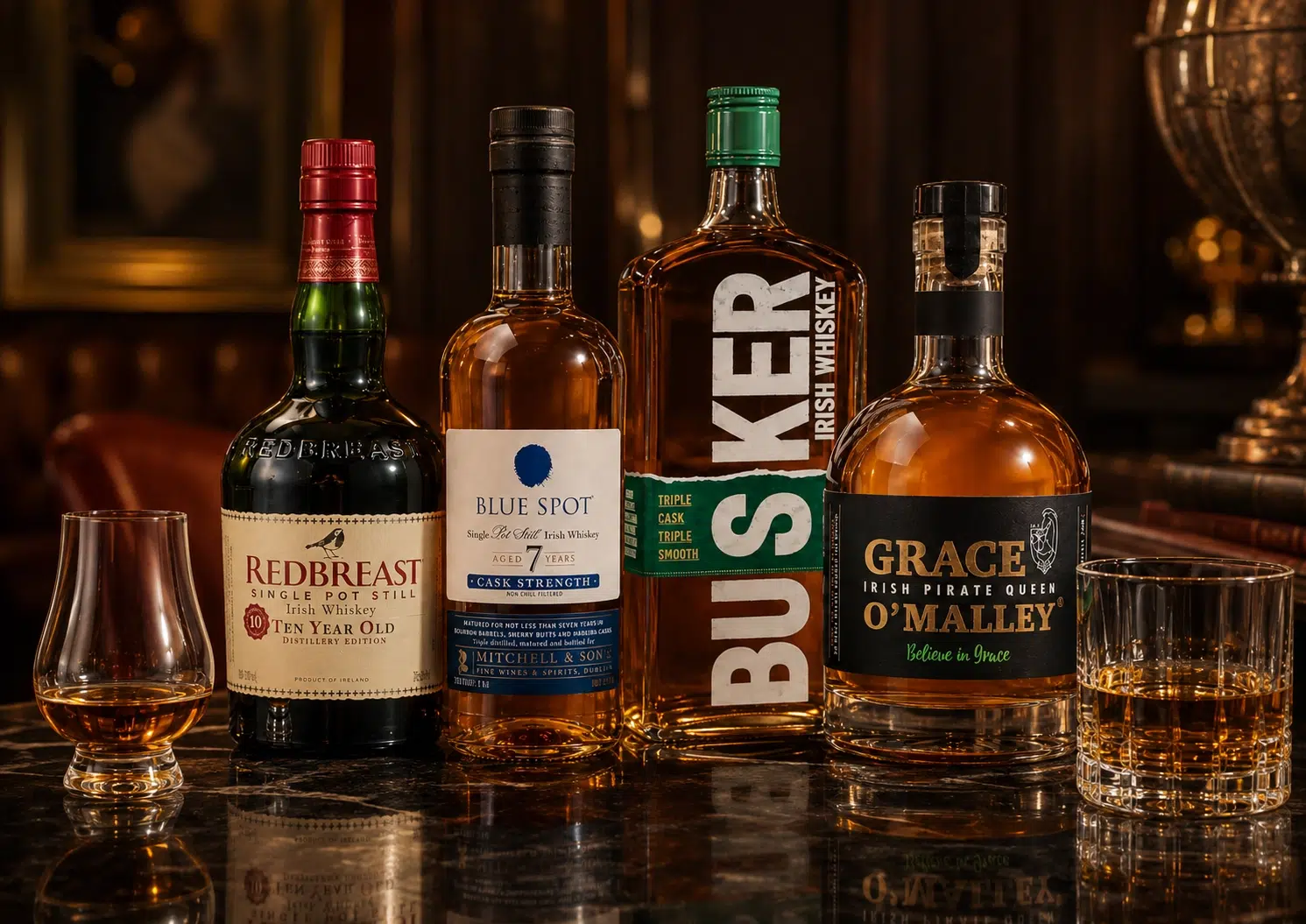
Four releases from that period, Redbreast 10 Year Old, Blue Spot, The Busker Triple Cask Triple Smooth and Grace O’Malley Blended Irish Whiskey, offer a useful snapshot of that evolution. Each approached Irish whiskey differently, yet together they reflected a category becoming broader, more confident and increasingly attractive to collectors and curious drinkers alike.
Redbreast 10 Year Old
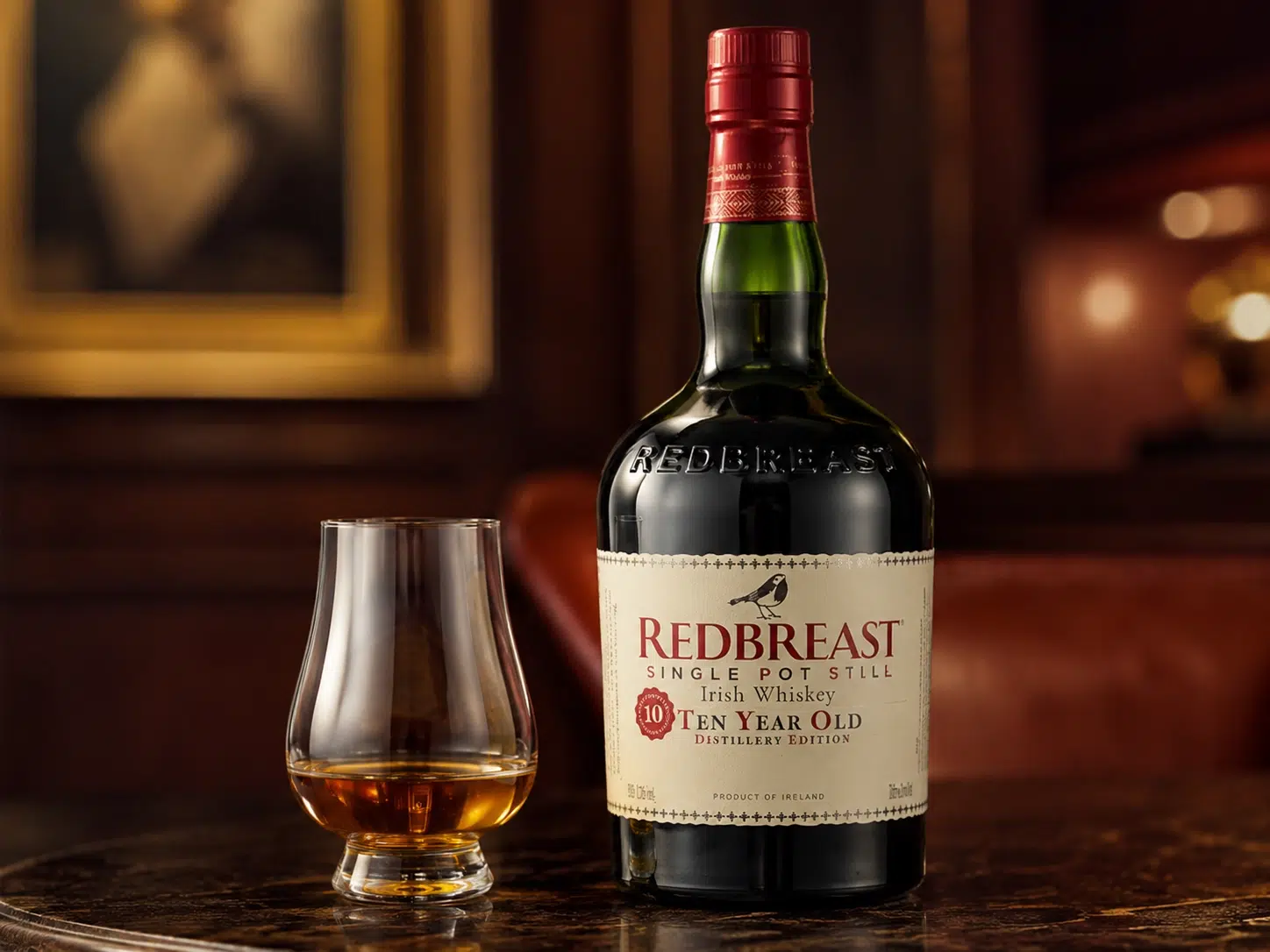
Redbreast’s 10 Year Old arrived as part of the brand’s 30th-anniversary celebrations following its 1991 relaunch by Irish Distillers. The limited release paid tribute to the historic Gilbey’s 10-Year-Old whiskey associated with the early history of Redbreast while giving the expression a distinctly modern cask-strength identity.
The whiskey combined pot still distillates aged between 10 and 15 years in American bourbon barrels and Oloroso sherry butts and was bottled at 59.1 percent ABV. At launch, it was offered through Redbreast’s Birdhouse membership platform, making it as much a collector’s release as an anniversary bottling.
Its influence has continued beyond the original limited edition. Redbreast now produces a 10 Year Old Distillery Edition, described by the brand as an evolution of that earlier release and available exclusively through its Midleton and Bow Street brand homes.
Blue Spot
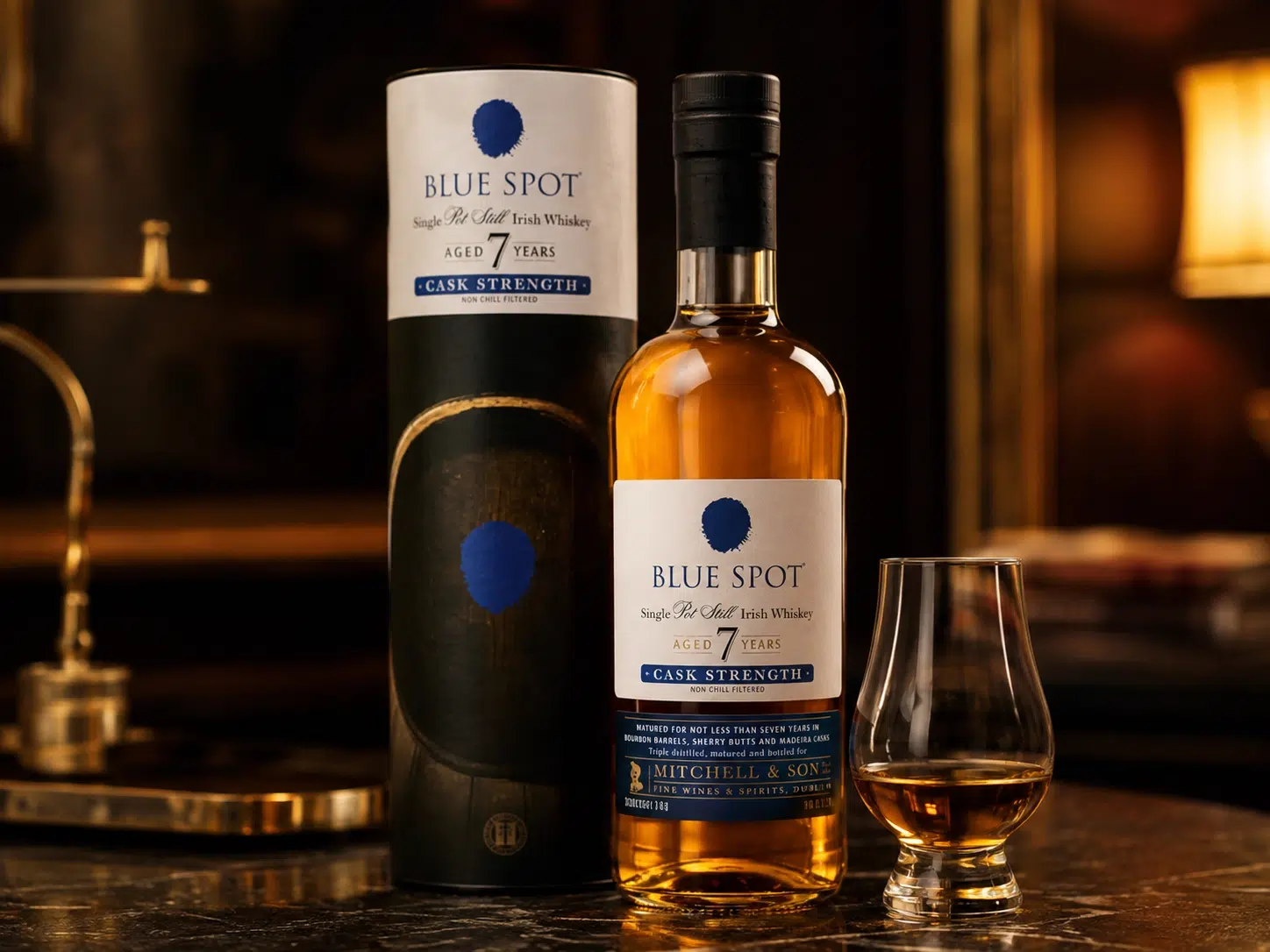
Blue Spot’s return was rooted even more deeply in Irish whiskey history. The Spot family traces its identity to Dublin wine merchants Mitchell & Son, who once marked maturing whiskey casks with colored daubs of paint to indicate their intended age: blue for seven years, green for ten, yellow for twelve and red for fifteen.
When Blue Spot returned after more than half a century away, it restored an important piece of that lineage. The current expression is a single pot still Irish whiskey matured for at least seven years in bourbon casks, sherry butts and Portuguese Madeira casks before being bottled at cask strength.
That combination gives Blue Spot a profile that moves between fruit, spice and toasted wood, with the Madeira influence adding another layer to a style already known for its rich pot still character. More importantly, its revival helped complete the return of one of Irish whiskey’s most evocative historic families.
The Busker Triple Cask Triple Smooth
While Redbreast and Blue Spot looked backward to historic names, The Busker approached Irish whiskey from a more contemporary direction.
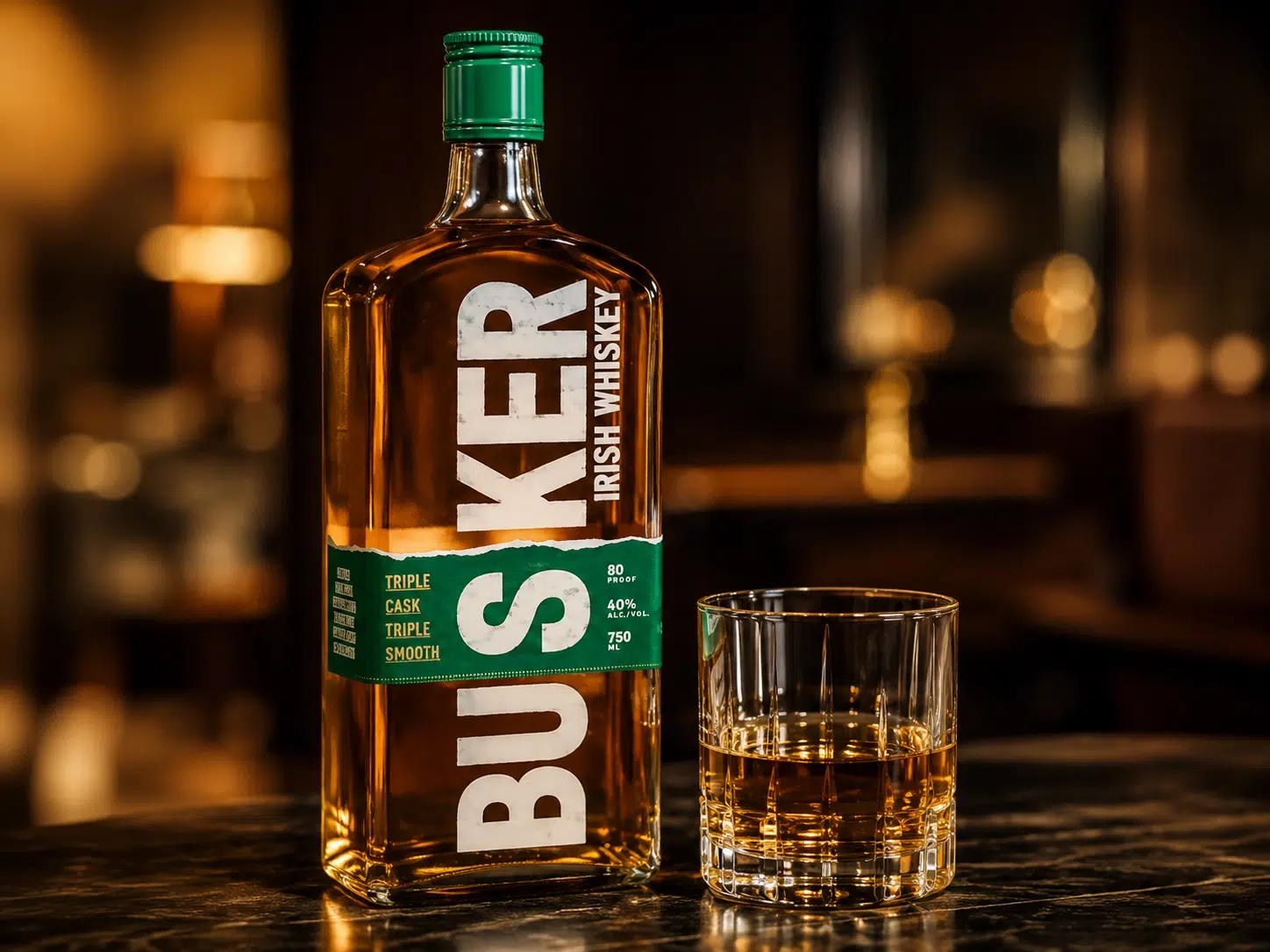
Produced at Royal Oak Distillery in County Carlow, The Busker Triple Cask Triple Smooth was conceived as an approachable blended Irish whiskey with enough structure and oak influence to appeal beyond traditional Irish whiskey drinkers. The original launch positioned it particularly toward consumers familiar with bourbon, emphasizing toasted oak, spice and richer flavor notes.
That broader appeal reflected an important shift within the category. Irish whiskey was no longer relying solely on smoothness as its defining characteristic; producers were increasingly using cask influence, higher malt content and more expressive flavor profiles to compete for drinkers accustomed to bourbon and Scotch.
Grace O’Malley Blended Irish Whiskey
Grace O’Malley Irish Spirits took yet another route, building its whiskey identity around one of Ireland’s most formidable historical figures.
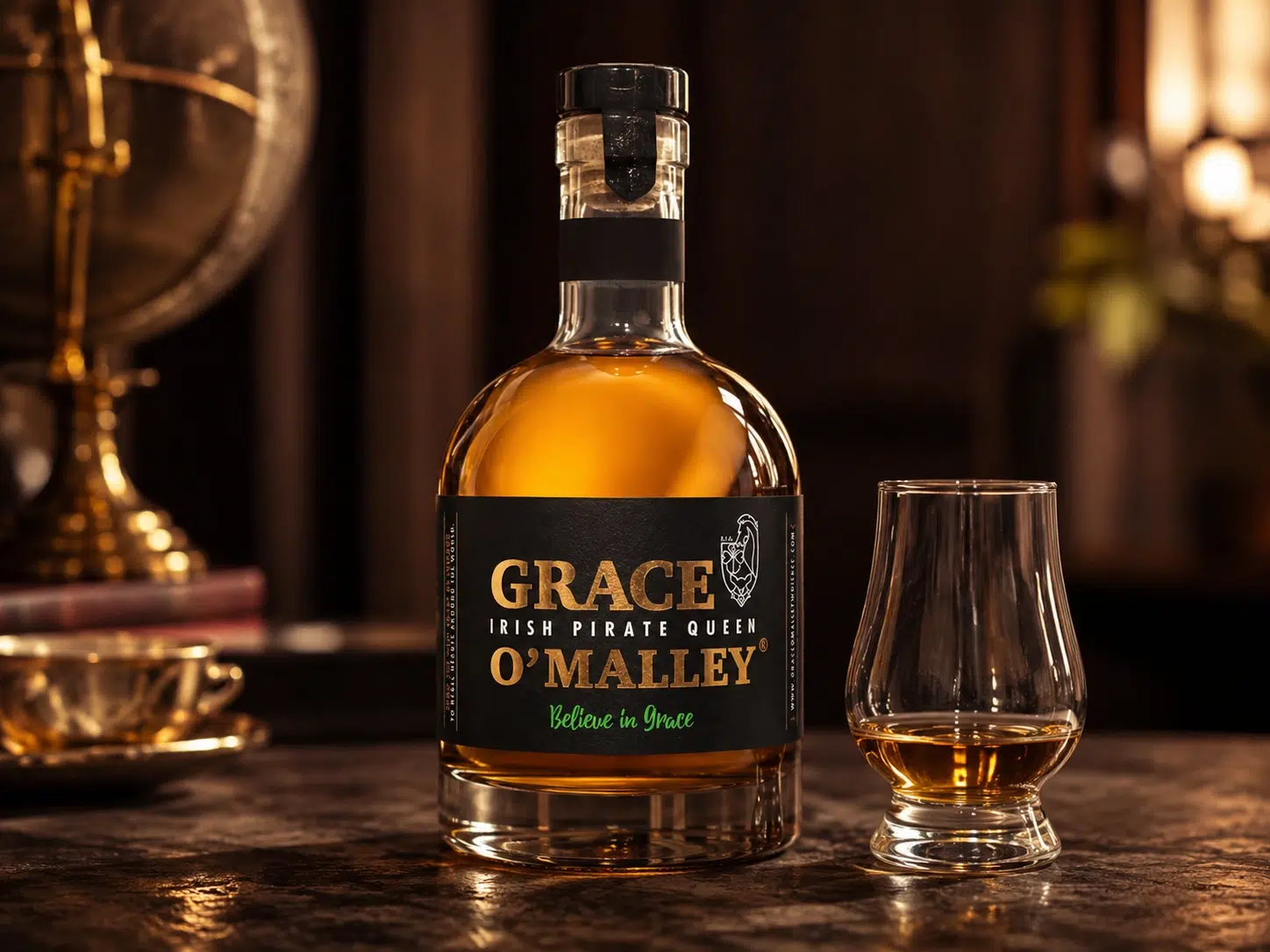
Named for the sixteenth-century seafarer and clan leader Grace O’Malley, the blended whiskey was notable for its high malt content, 46 percent, combining double- and triple-distilled malt with grain whiskey. The original release was blended under the direction of Paul Caris, a Bordeaux-born former winemaker whose background brought a wine-influenced perspective to the spirit.
The whiskey sat within a broader portfolio that also included cask-finished releases and Proclamation Blended Irish Whiskey, giving the company a distinctly narrative-driven approach to Irish spirits.
Taken together, these bottles captured four different sides of Ireland’s whiskey revival. Redbreast drew strength from one of the country’s most respected single pot still traditions. Blue Spot resurrected a name that had been absent for decades. The Busker sought a new generation of crossover drinkers, while Grace O’Malley paired modern blending with Irish historical identity.
What united them was a renewed confidence in Irish whiskey itself. Rather than presenting the category as a gentler alternative to Scotch or bourbon, these releases demonstrated that Ireland could draw on its past while experimenting with casks, blends, proofs and storytelling in ways that felt unmistakably contemporary.
That combination of heritage and reinvention remains one of the most compelling reasons Irish whiskey continues to command attention today.