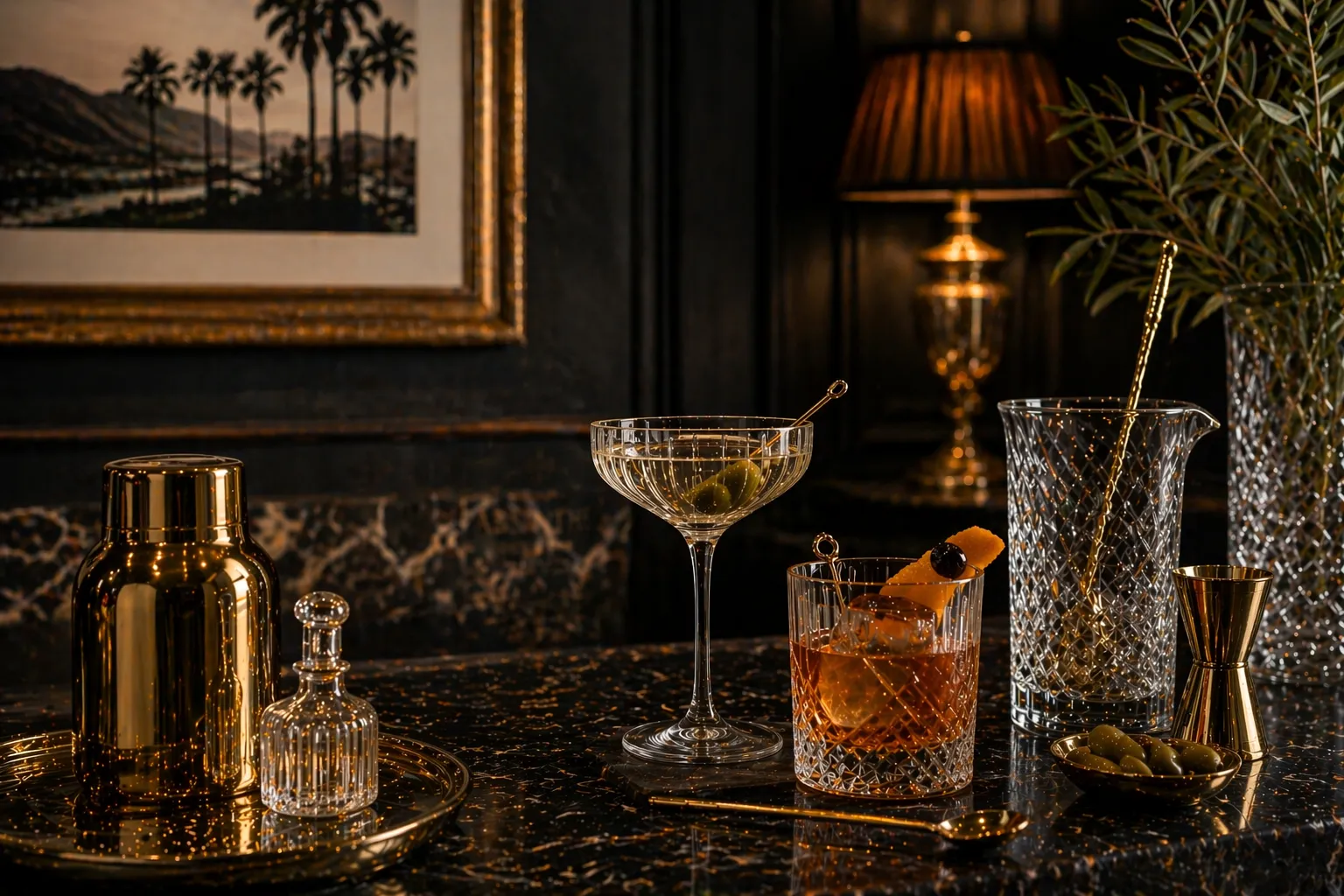
The modern cocktail has quietly migrated from the velvet banquettes of private clubs to a more intimate setting: the home. No longer confined to the expertise of seasoned bartenders, today’s most compelling expressions of mixology are unfolding behind curated bar carts and within thoughtfully designed interiors. Here, the act of pouring a drink becomes something more deliberate, an exercise in taste, craftsmanship, and personal ritual.
At its core, the contemporary cocktail is not about complexity for its own sake. It is about intention. The selection of a spirit, the balance of ingredients, the weight of the glass in hand, each element contributes to an experience that feels both elevated and deeply personal.
Understanding the character of a spirit is where this ritual begins. Unlike wine, which tends to express itself within a narrower range of alcohol content, fine spirits offer a more concentrated and nuanced profile. Distilled with precision and often exceeding 40% ABV, they serve not merely as a base but as the defining voice of a cocktail. The modern host recognizes this distinction, curating spirits not simply to pour, but to build narratives around flavor, origin, and craftsmanship.
An Italian Expression: The Precision of Craft Vodka
Few spirits demonstrate versatility with the same quiet confidence as vodka. Celebrated for its purity, it is often underestimated, yet in the right hands, it becomes a canvas for refinement.
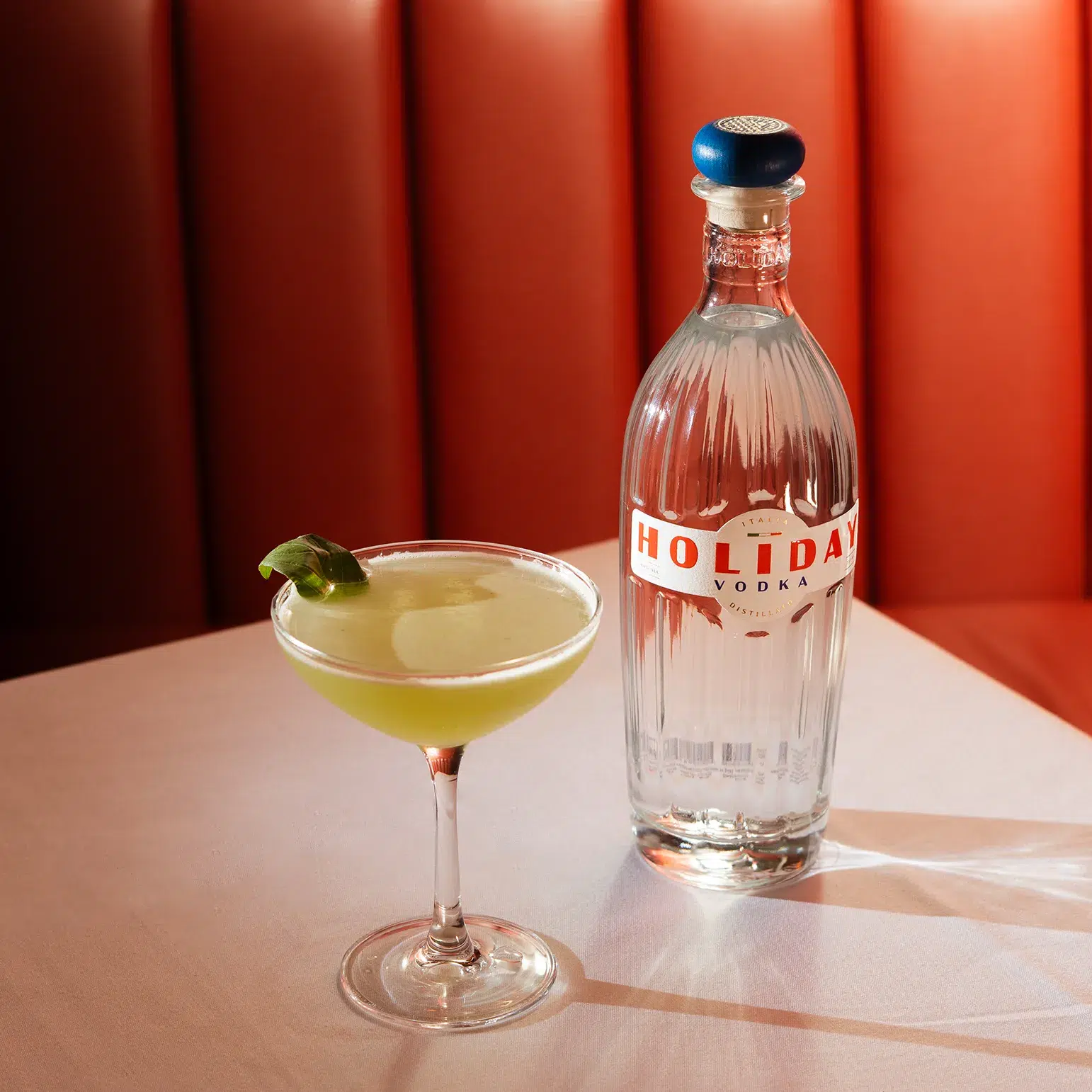
Holiday Vodka offers a compelling study in restraint and precision. Crafted in Piedmont from Italian wheat and pristine water drawn from the Maritime Alps, it undergoes a meticulous filtration process through charcoal, quartz, and silica. The result is a spirit of remarkable clarity, with a velvety texture that lingers without intrusion.
Its sculptural decanter, an homage to la dolce vita, speaks as much to design as it does to distillation, equally at home as a centerpiece as it is in a glass. Whether served neat or anchoring a perfectly executed Martini, it reveals how simplicity, when executed with discipline, can feel unmistakably luxurious.
The Return of Absinthe: Complexity Reimagined
Once cloaked in myth and controversy, absinthe is experiencing a considered renaissance, reclaimed not for its legend, but for its complexity.
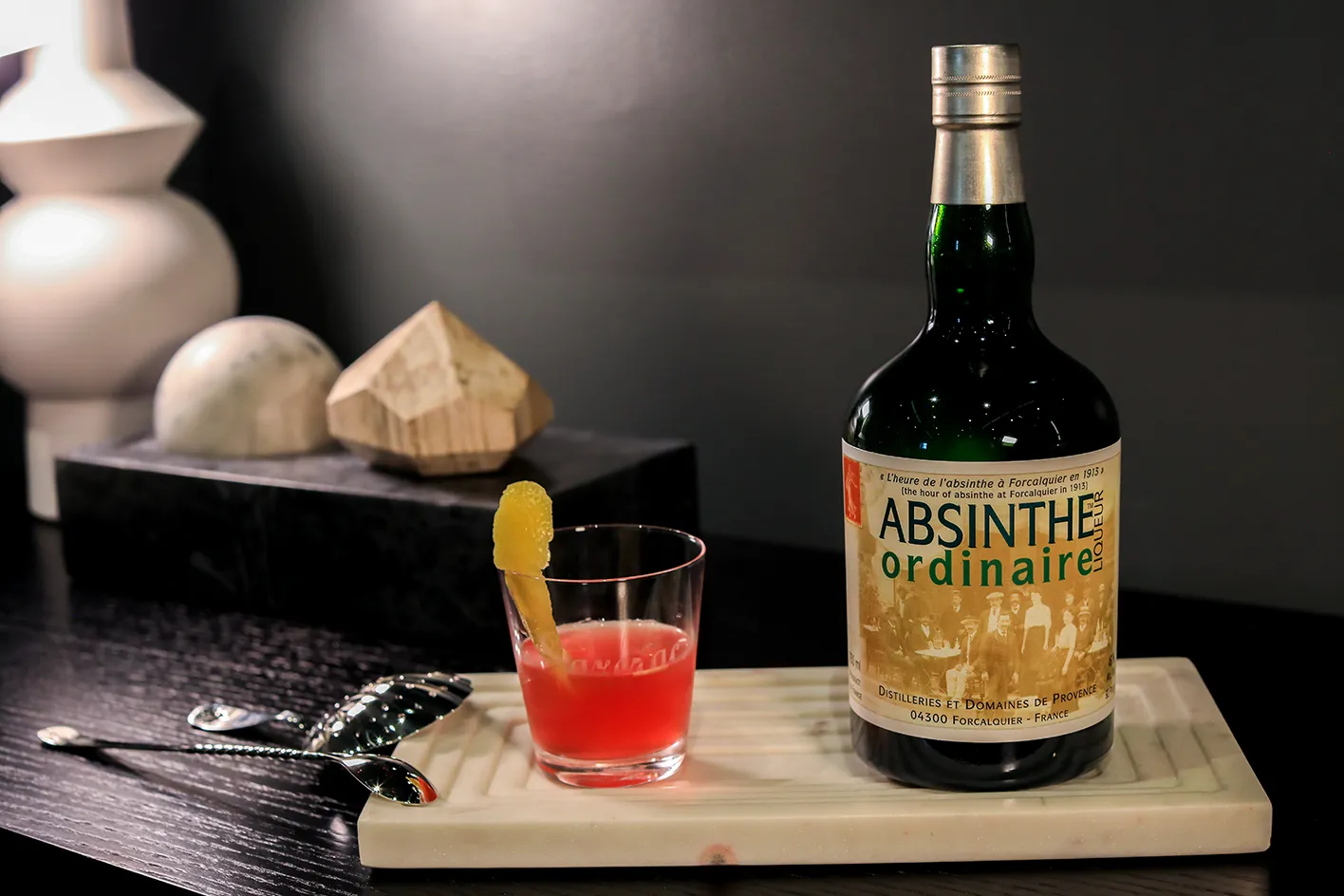
Absinthe Ordinaire presents an elegant introduction to the category. Produced in southern France, it balances intensity with refinement. Traditional botanicals, wormwood, anise, and fennel unfold in layers, offering a profile that is herbaceous, aromatic, and subtly sweet.
At 46% ABV, it commands attention, yet rewards restraint. A simple preparation over ice reveals its depth, while its inclusion in a classic Sazerac introduces a dimension of intrigue that transforms the familiar into something altogether more sophisticated. In today’s cocktail landscape, absinthe is less a novelty and more a statement of discernment.
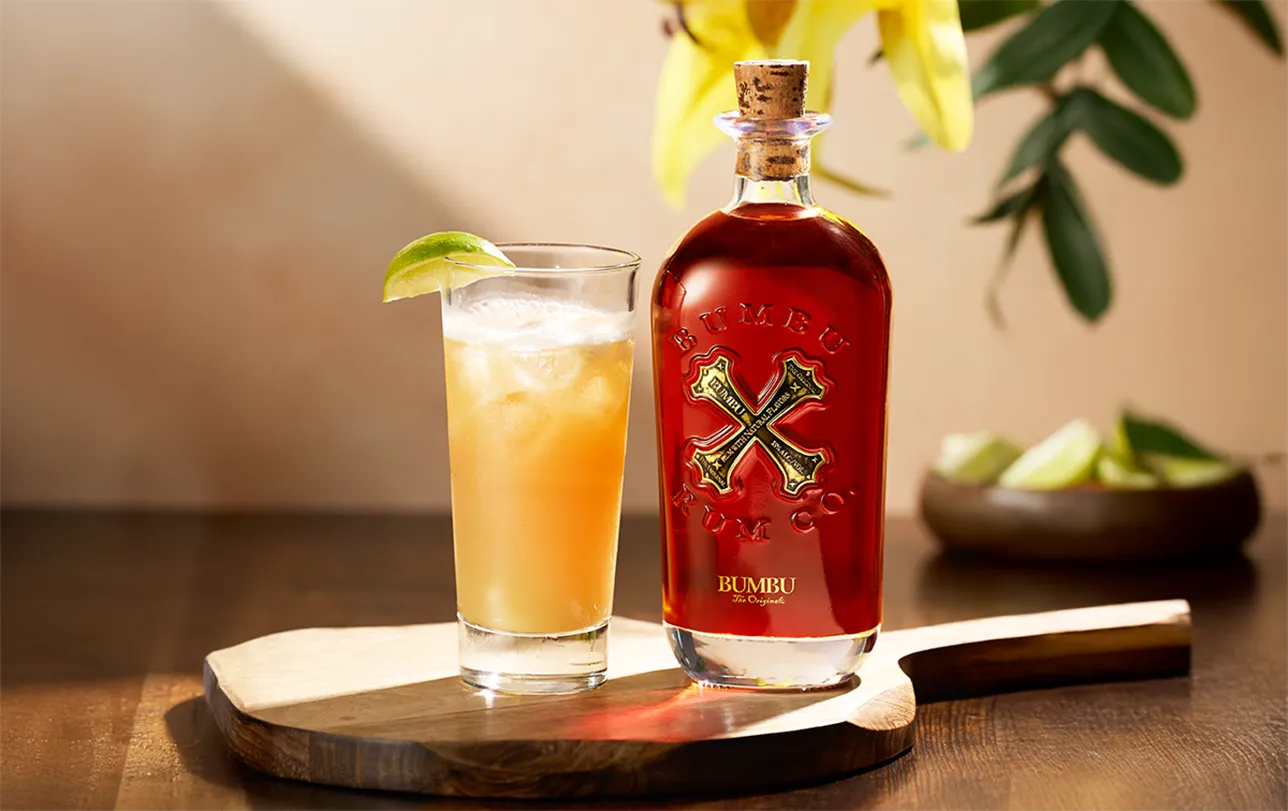
Island Heritage: The Enduring Allure of Dark Rum
If vodka speaks in clarity and absinthe in complexity, rum offers something altogether more evocative: a sense of place.
With roots tracing back centuries, Barbados remains a cornerstone of rum’s enduring legacy. Bumbu Original captures this heritage with a composition that is both rich and transportive. Crafted from sugarcane sourced across eight Caribbean islands and aged with precision, it reveals notes of vanilla, warm spice, and caramel that unfold gradually with each sip.
There is a quiet indulgence to rum when enjoyed neat, though it adapts effortlessly into a refined daiquiri, where balance and restraint allow its character to shine. More than a spirit, it becomes an atmosphere, evoking sun-warmed evenings and the rhythm of distant shores.
Cocktail Culture, Reimagined
What defines today’s cocktail culture is not innovation alone, but a return to intention. Seasonal ingredients—citrus at its peak, ripe berries, delicate effervescence are no longer embellishments, but essential components that bring dimension and vitality to each composition.
Presentation, too, has taken on new significance. The choice of glassware, the clarity of ice, and the precision of garnish are no longer details, but expressions of care. The modern cocktail is as much visual as it is sensory, designed to be experienced in its entirety.
In the end, the most compelling cocktails are not those that impress with complexity, but those that resonate with purpose. They reflect a considered approach to living, where quality is chosen over excess, and every element, no matter how small, is given its due attention.
In this way, the art of the cocktail becomes something greater than the sum of its parts. It becomes a ritual, one that transforms the everyday into something quietly extraordinary.