For wine lovers, one of the pleasures of travel is discovering bottles that are difficult, or sometimes impossible, to find at home. A visit to Mendoza, Burgundy, Tuscany or Portugal can quickly turn into a small collecting expedition, and that raises a practical question: how do you bring those bottles home safely?
For years, my solution was decidedly low-tech. I wrapped bottles in clothing, tucked them into the center of my suitcase, and hoped for the best. Protective sleeves helped, but they still took up valuable space and never completely removed the anxiety that comes with checking a bag containing a wine you have spent an afternoon searching for.
That is what originally led me to the VinGardeValise, a hard-sided suitcase designed specifically for transporting wine. I first tested it on a journey through Portugal and southern France, using it to carry bottles from the Azores, Alentejo and Châteauneuf-du-Pape. Years later, the concept remains just as relevant, while the product line has expanded considerably.
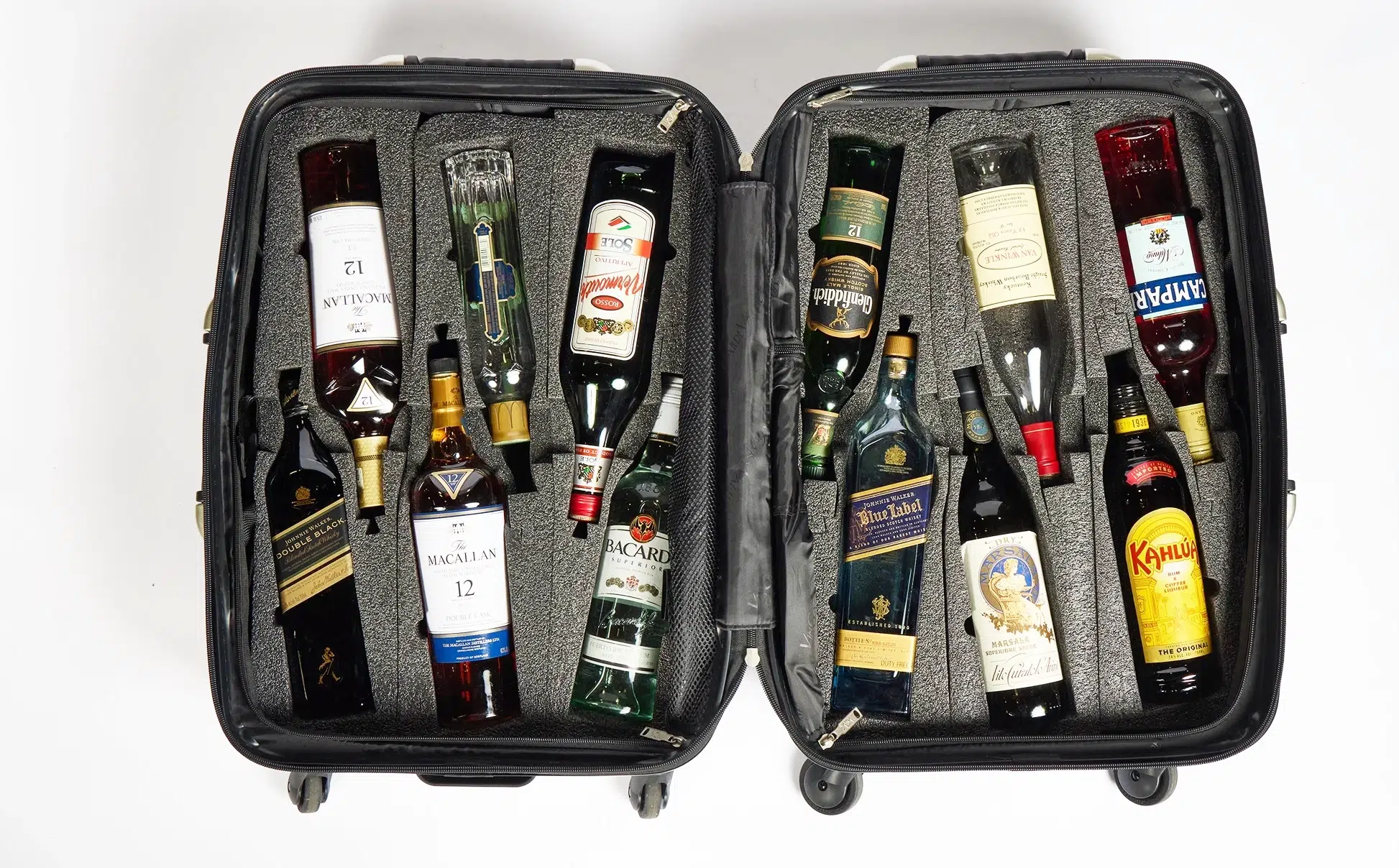
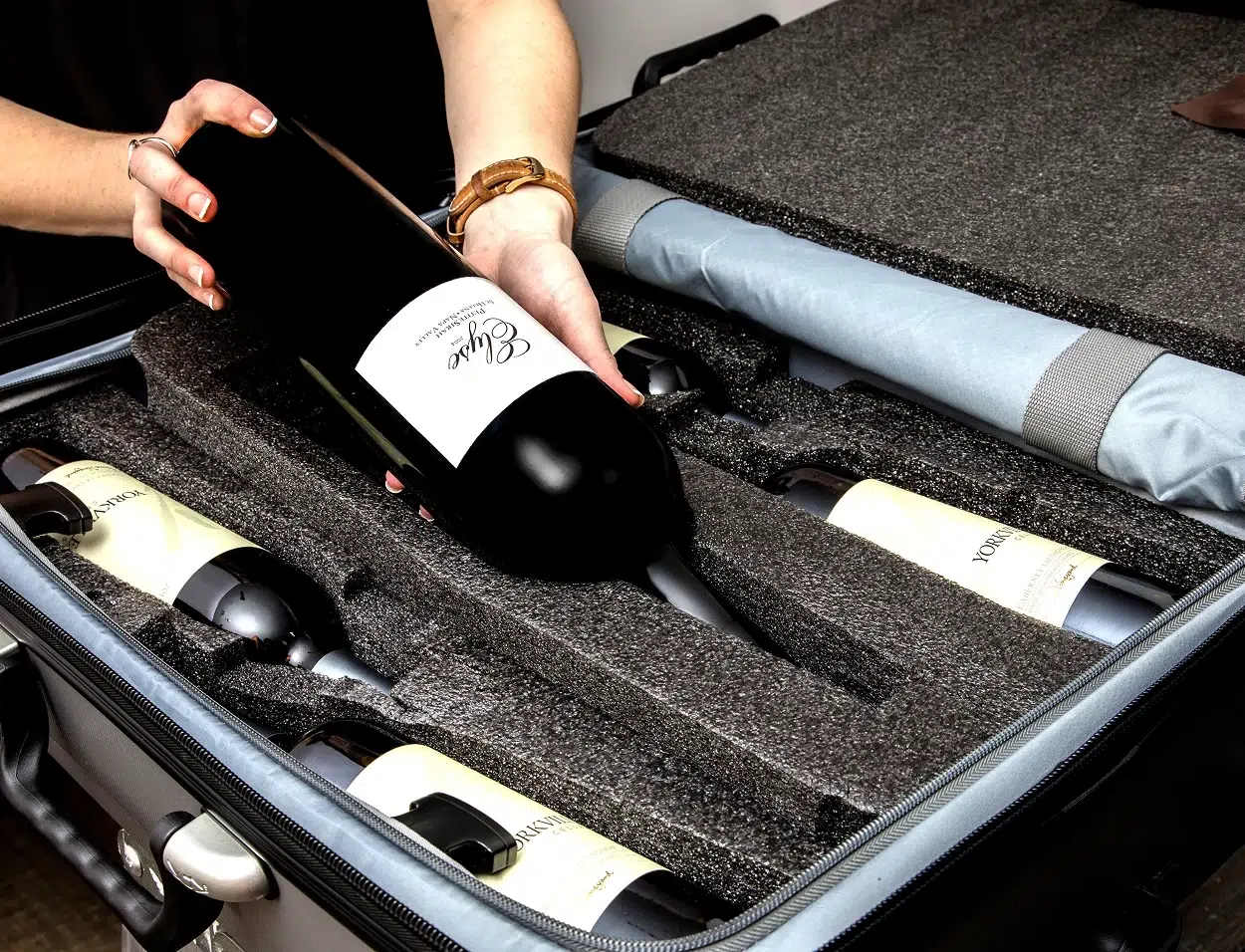
The VinGardeValise is built around removable foam inserts that create individual cavities for bottles. The system is modular, so travelers can configure the interior according to what they are carrying rather than committing the entire case to wine. Current models include the Grande for up to 12 bottles, the Petite for up to eight, and the Piccolo for smaller loads.
That flexibility is what made the suitcase especially useful on my own trip. I was not traveling with 12 bottles from the beginning; I needed room for clothing and toiletries as well. By removing unused inserts, part of the case could function like conventional luggage while the remaining spaces protected wine purchases collected along the way.
The bottle cavities are designed to accommodate standard 750 ml bottles, and the company offers additional inserts for larger formats, spirits and other shapes. That matters because wine bottles are rarely uniform. Burgundy, Bordeaux, Riesling and Champagne bottles all present different proportions, and a case that cannot adapt quickly becomes less useful once a trip moves beyond a single region.
On our trip, that versatility became part of the strategy. We began with a couple of bottles from home, then gradually replaced them with wines collected during the journey. Portuguese whites from the Azores gave way to bottles from Alentejo, and later to finds from the Rhône Valley.
By the time we reached Châteauneuf-du-Pape, the remaining spaces in the case had become valuable real estate. A tasting at Domaine du Vieux Télégraphe resulted in more bottles coming with us, and the reassuring part was knowing they were not simply wedged between sweaters and crossed fingers.
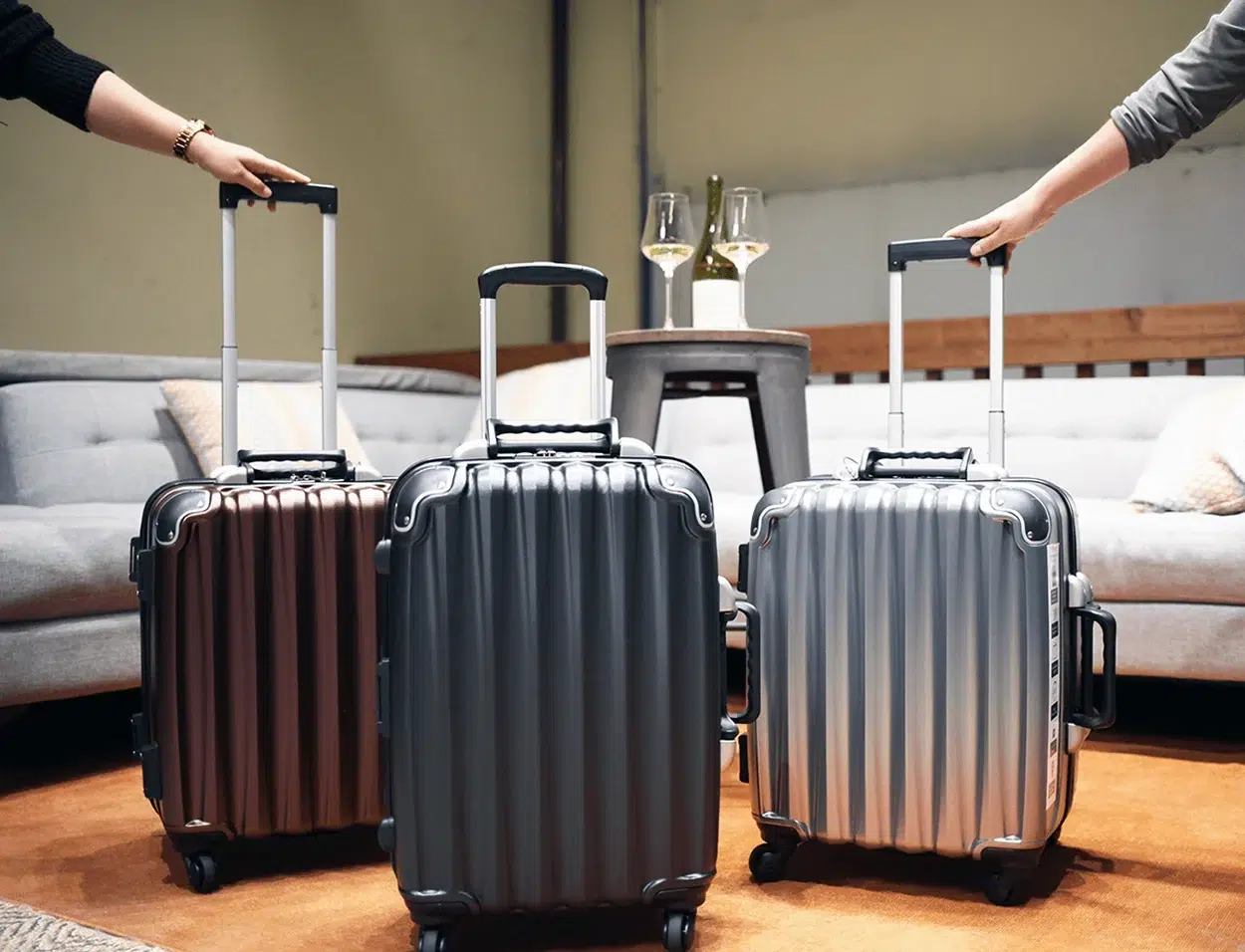
The Petite proved particularly practical while traveling by train. It was compact enough to maneuver through stations and easy to store in luggage racks, yet still substantial enough to protect the wine we were carrying. That combination of mobility and structure is what separates a dedicated wine case from improvised packing.
For air travel, weight remains something to watch. VinGardeValise says the Grande weighs about 13 pounds empty and can typically remain under 50 pounds when filled with 12 standard bottles, while the Petite weighs about 12 pounds empty and approximately 36 pounds when filled with eight. Airline rules vary, of course, so checking baggage allowances before leaving for the airport is still essential.
The cases also include TSA-compatible locks and a reinforced polycarbonate shell, while the modular foam system keeps bottles separated from one another during transit. The latest collection has expanded into more premium materials and configurations as well, but the central idea has not changed: wine should travel with the same care devoted to choosing it.
What I like most about traveling with a dedicated wine suitcase is that it changes the way you shop on a wine trip. Instead of wondering whether one more bottle is worth the risk, you can focus on whether it is worth bringing home.
That may sound like a small distinction, but for anyone who travels through wine regions, it makes a difference. The bottle brought back from a cellar in Burgundy or an afternoon tasting in Portugal is more than luggage. It is part of the journey.