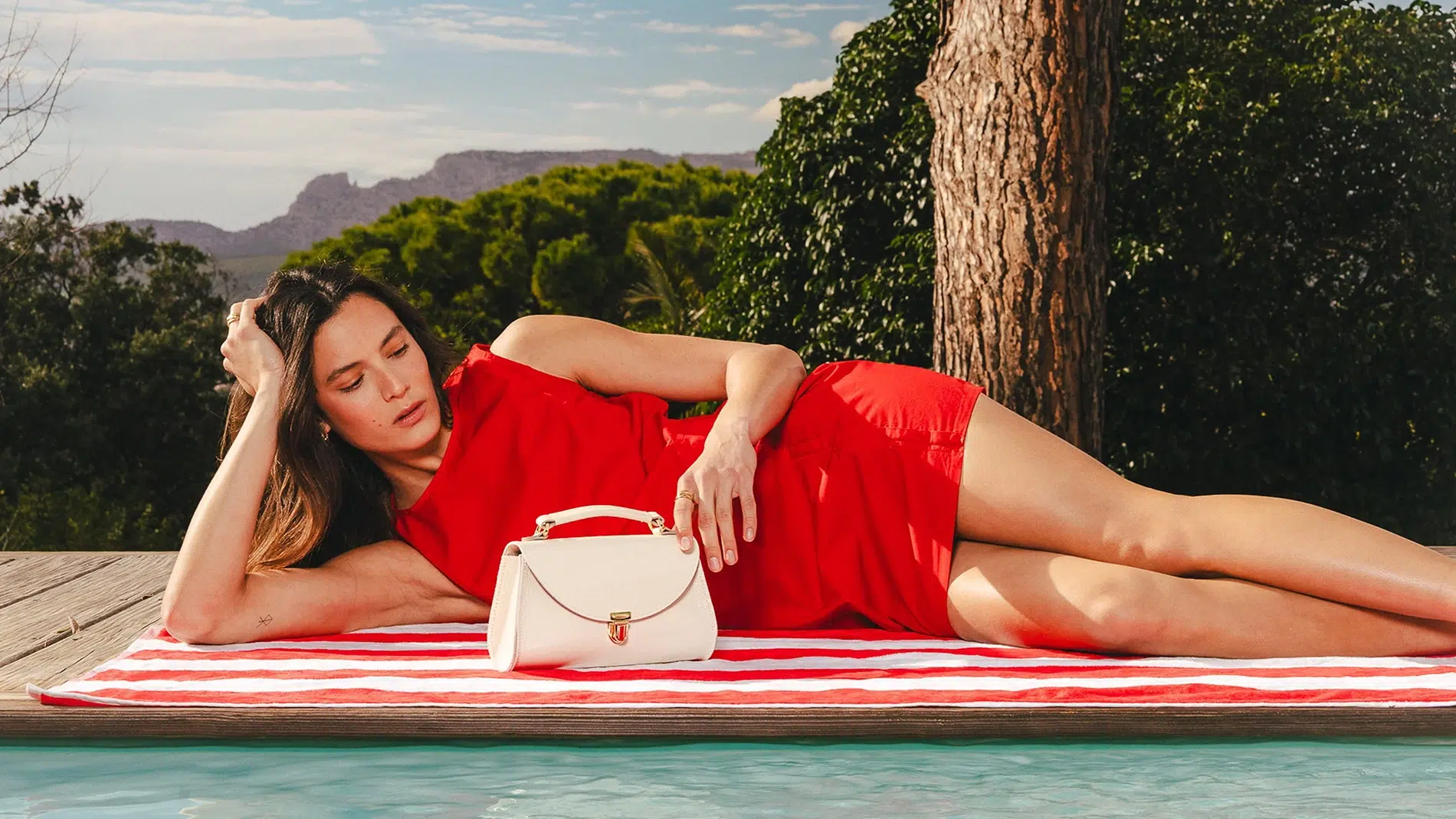
Once upon a time, I associated satchels with the less glamorous rituals of life: school uniforms, homework, rulers, set textbooks, and my mother’s corned beef sandwiches.
Now I associate them with weddings.
I would never have imagined that a Cambridge Satchel would become the final piece in the puzzle of what I wore to my son’s wedding. Somewhere between childhood and adulthood, the schoolbag I once regarded with suspicion evolved into something altogether more desirable: beautifully made leather, strong British craftsmanship and the sort of accessory that acquires memories as readily as scratches and patina.
Perhaps that is the real achievement of Cambridge Satchel. It took an object almost universally associated with school days and made it sophisticated enough to carry into grown-up life.
My own bag has a name. Sophie.
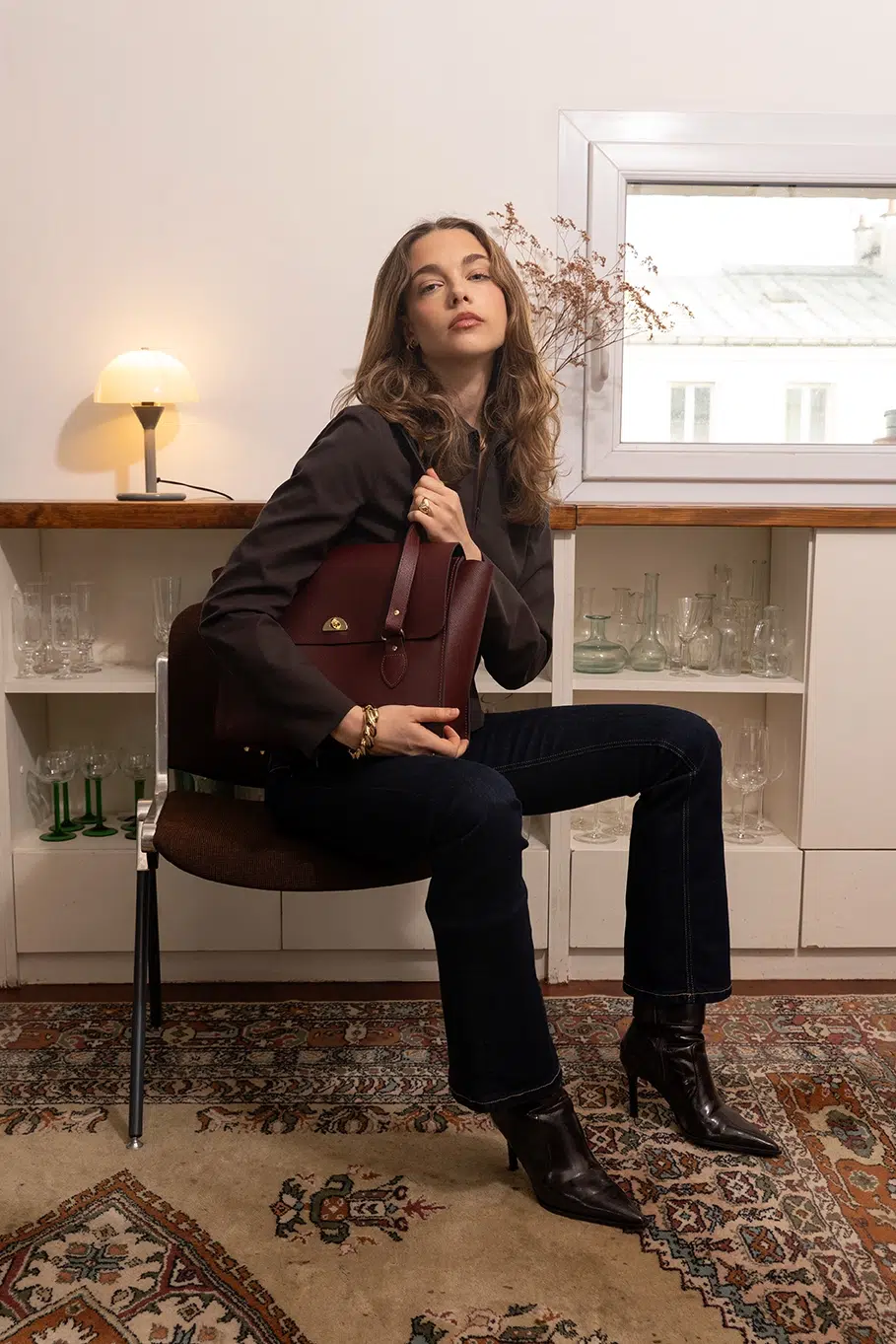
She is not alone. There is Emily, in Vanilla and Vanilla Saffiano leather; Daisy, in Taupe Celtic; Poppy, in black; and Isla, my Racing Green sporran purse. I came perilously close to adding Carrot Orange, Windsor Tan and Brilliant White to the family.
One should never underestimate the emotional consequences of good leather.
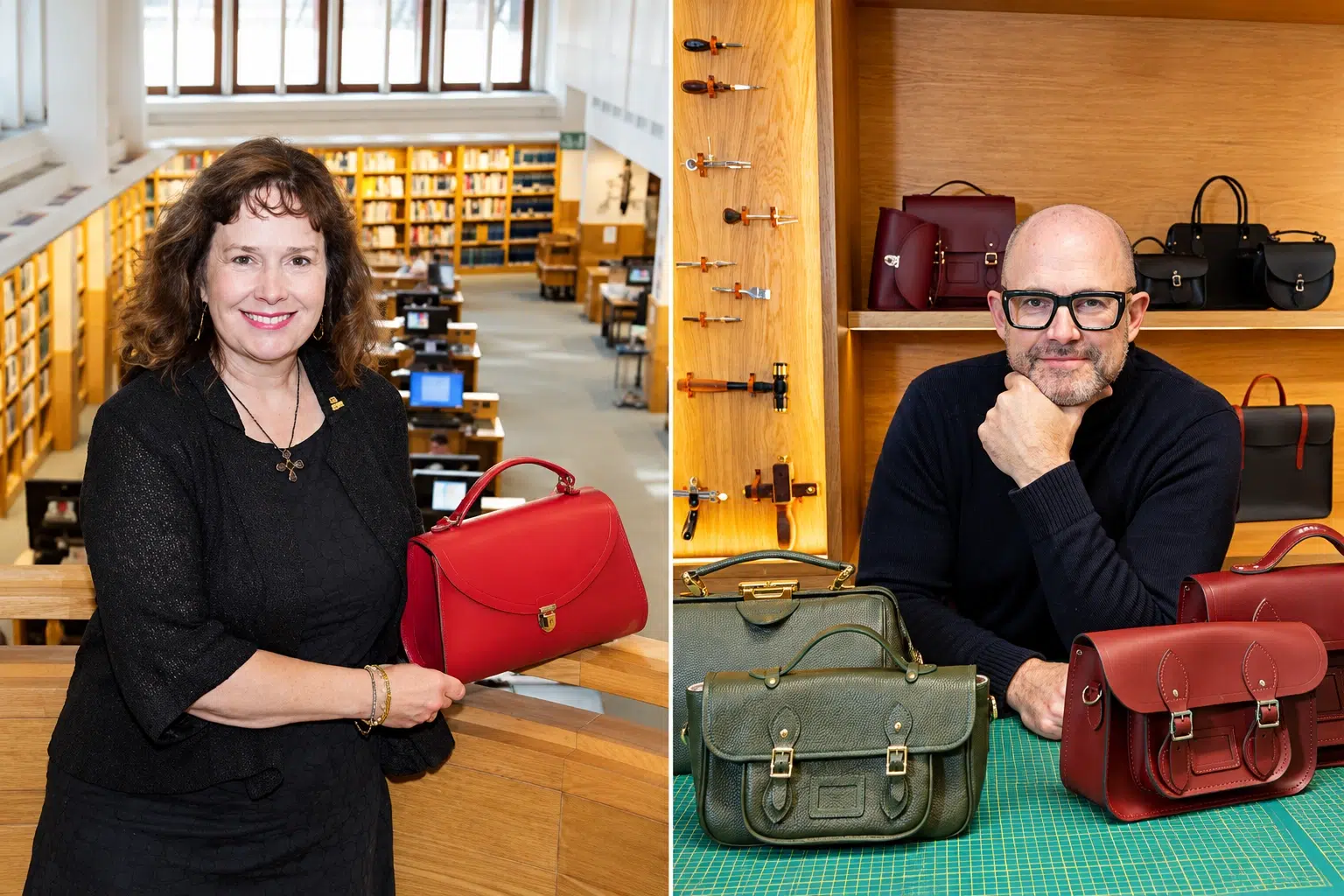
Founded in 2008 by Julie Deane and her mother, Freda, Cambridge Satchel began with just £600 and an idea rooted in the traditional British schoolbag. Deane wanted something structured, dependable and durable enough for her own children, but what emerged became one of the most recognizable British accessory stories of the past two decades. Pasted markdown
The appeal was immediate because the design was so familiar. There was something nostalgic about the buckles, the structure and the unapologetically practical proportions, but there was also enough polish to move the satchel well beyond the classroom. Over time, the collection expanded into briefcases, purses, music bags, bowl bags, backpacks and smaller accessories, while collaborations with names including Vivienne Westwood and Comme des Garçons pushed the brand further into fashion territory. Pasted markdown
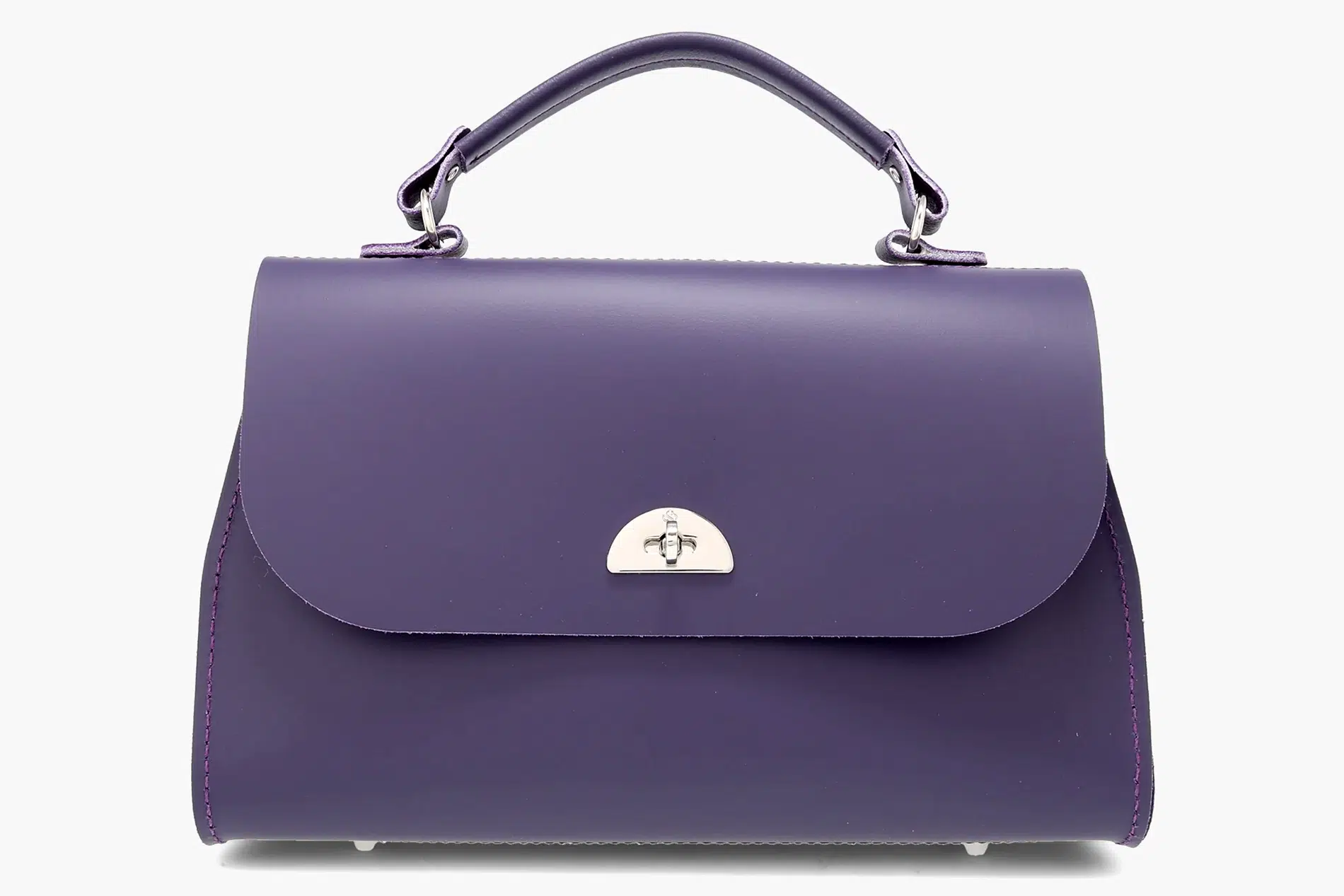
The bags are still handcrafted in England at the company’s Leicestershire workshop, where Cambridge Satchel says it remains committed to traditional British craftsmanship. The leather is sourced as a by-product of the food industry, an approach the company frames around durability, longevity and responsible sourcing.
That sense of permanence matters because a good satchel should improve with familiarity.
The best leather goods do not remain pristine. They soften, darken, pick up the faint evidence of travel and gradually become yours unmistakably. Which is why I have become every bit as attentive to my bags as I am to my own skin. I protect them from unnecessary rain and harsh sunlight. I moisturize, condition, and polish. I keep a dust bag close at hand.
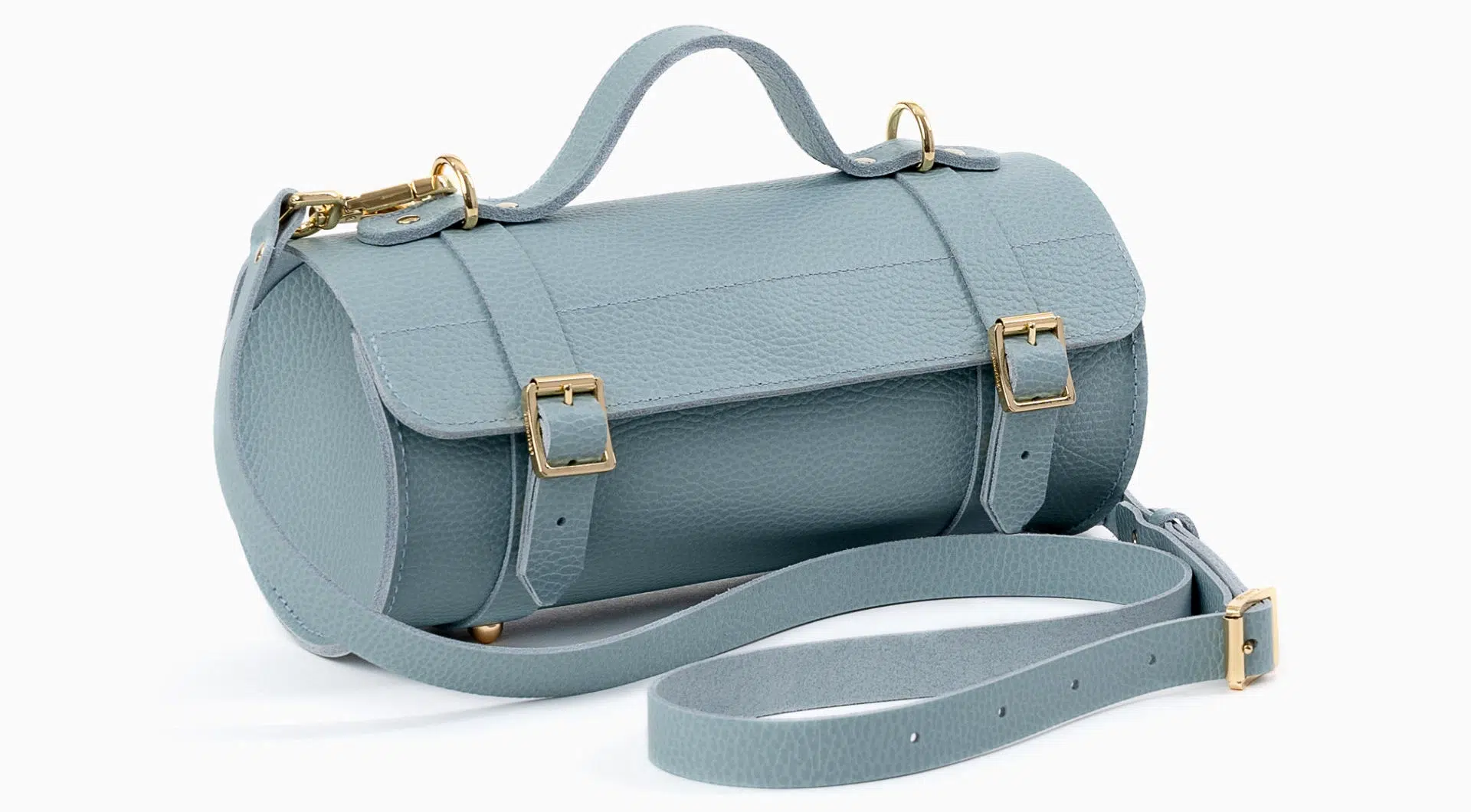
We all have our priorities.
The brand itself has changed considerably since its early years. Cambridge Satchel was acquired by Chargeurs in 2022 and now sits within a portfolio of luxury personal-goods businesses that also includes Swaine. Yet its clearest point of difference remains remarkably simple: structured British leather goods that feel rooted in utility rather than trend-chasing.
The Autumn/Winter 2026 collection, Risky Business, leans into that idea while giving it a more confident silhouette.
Two of the most notable additions are the East West Shoulder Bag and East West Tote, both of which stretch the traditional proportions into something more elongated and contemporary. The shoulder bag has a clean, low-slung profile, while the tote offers a roomier, more architectural interpretation with long handles and signature hardware. Both are handcrafted in England.
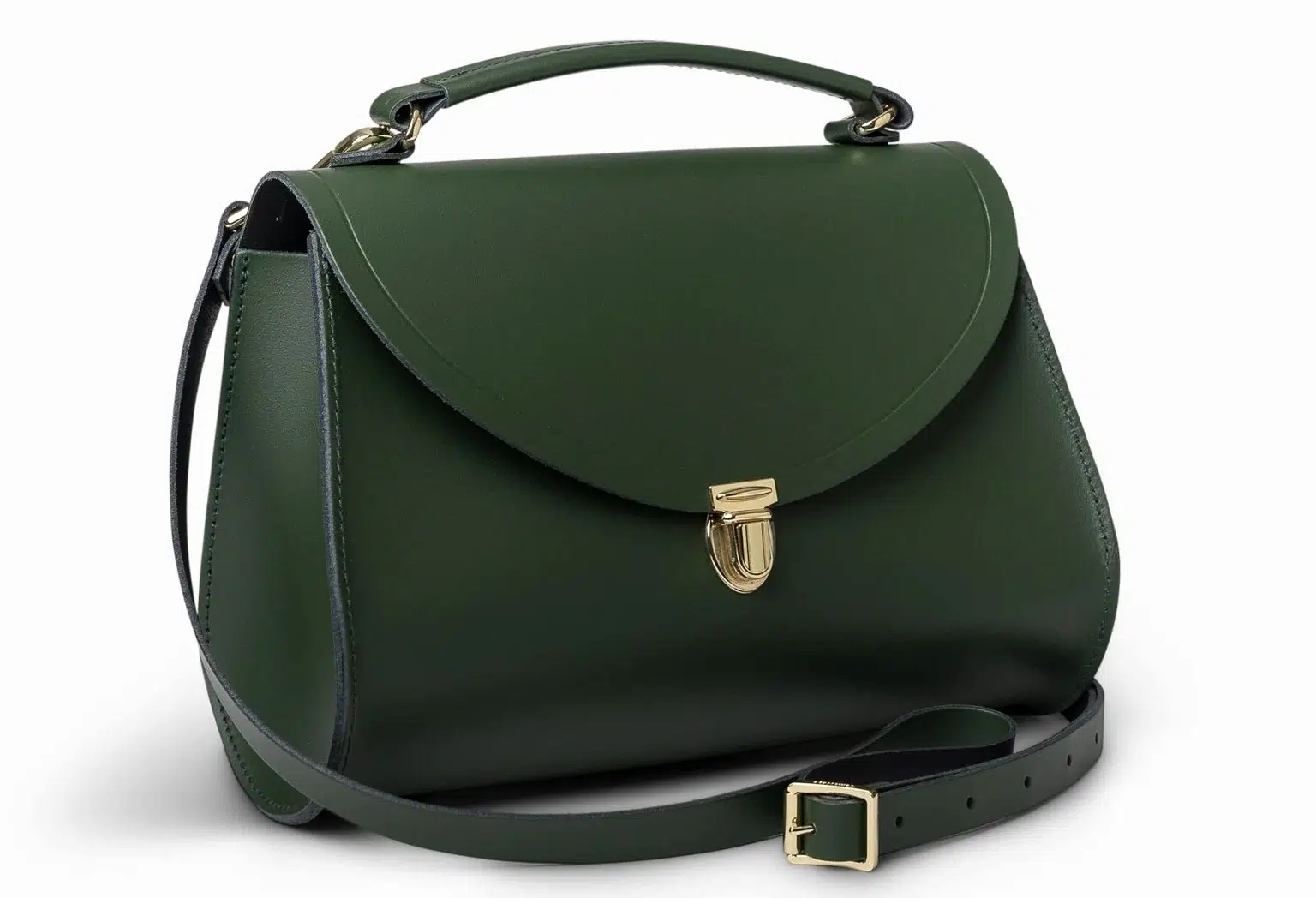
Texture plays an equally important role. Hair-on-hide finishes, rich oxblood, houndstooth and saturated green give the collection more attitude than one might expect from a brand born from school satchels. The result is still unmistakably Cambridge Satchel, but less nostalgic and more assured.
There is something satisfying about that evolution.
A brand built around schoolbags has reached the point where its designs work just as easily with tailoring, knitwear, denim or a winter coat. They can carry a laptop, travel documents, makeup, chargers, and all the accumulated debris of adult life without surrendering their shape.
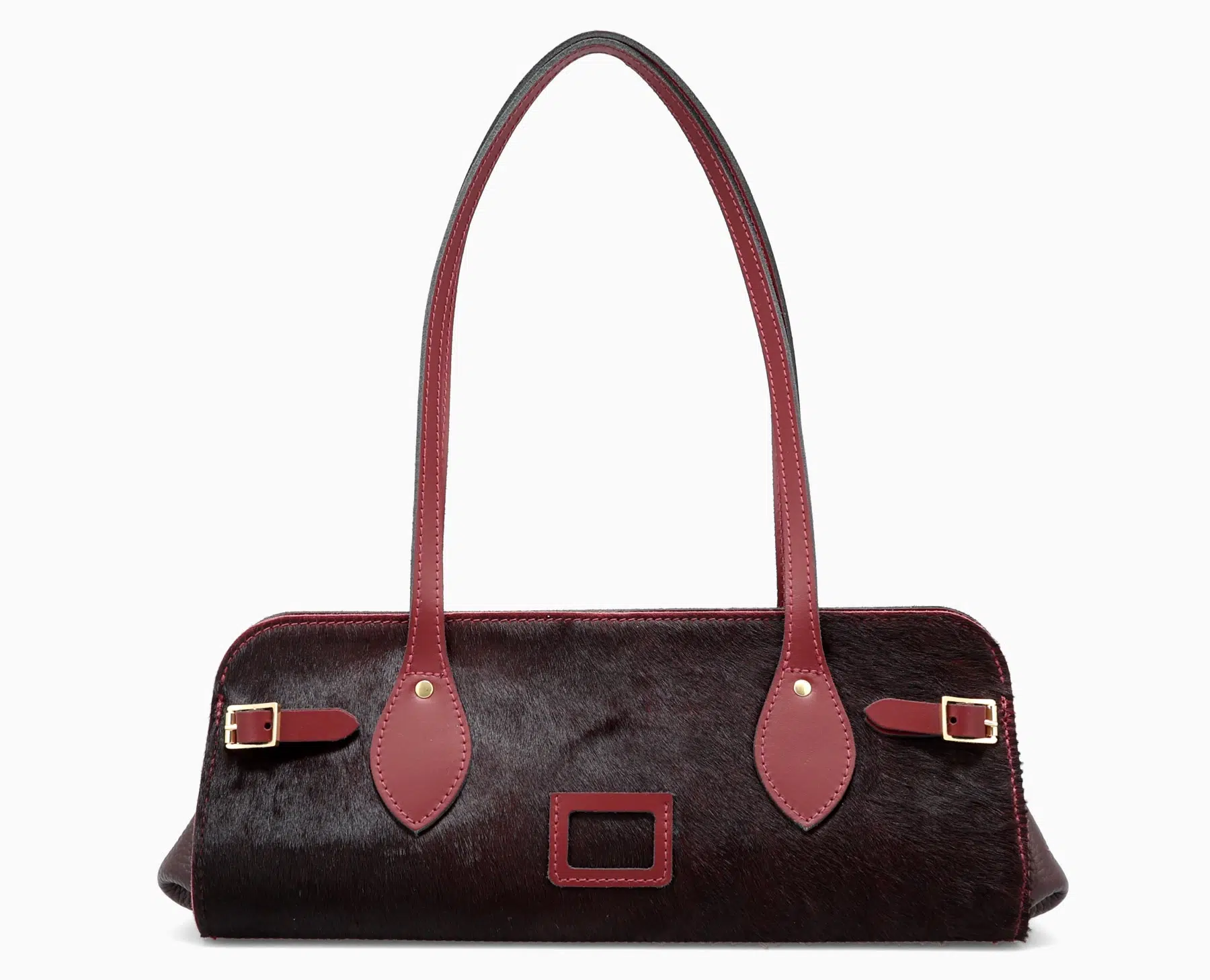
Which, as Julie Deane once observed, is rather the point of a satchel. It stands up. It holds its form. It does not collapse into a heap and deposit your belongings on the floor.
That remains surprisingly luxurious.
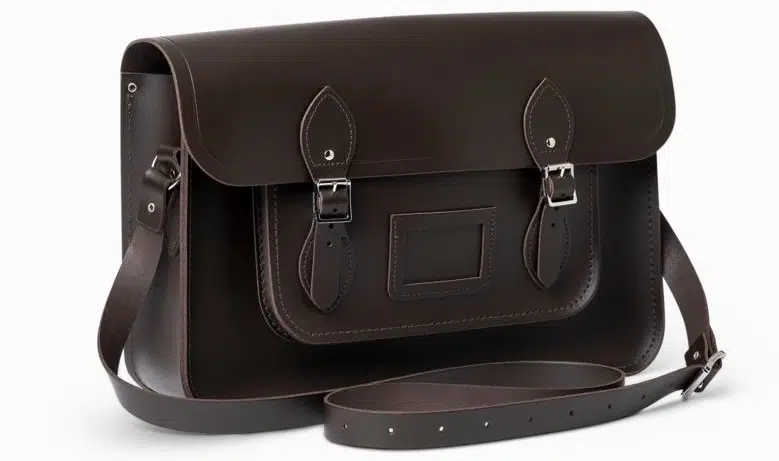
Travelers have practical options too, from structured backpacks to larger totes, while smaller bags such as The Emily bring a more polished, handbag-like sensibility to the range. Elaine’s original notes also point to the brand’s usefulness beyond fashion: work, travel, commuting, and the kind of days when a bag is expected to perform rather than simply pose. Pasted markdown
My own satchel no longer carries blunt pencils, leaking marker pens, or a biology textbook I had neglected to read. These days it is more likely to contain a phone, Kindle, car keys, charging cable, business papers, hand cream, makeup, travel perfume and, when family weddings are involved, a generous supply of tissues.