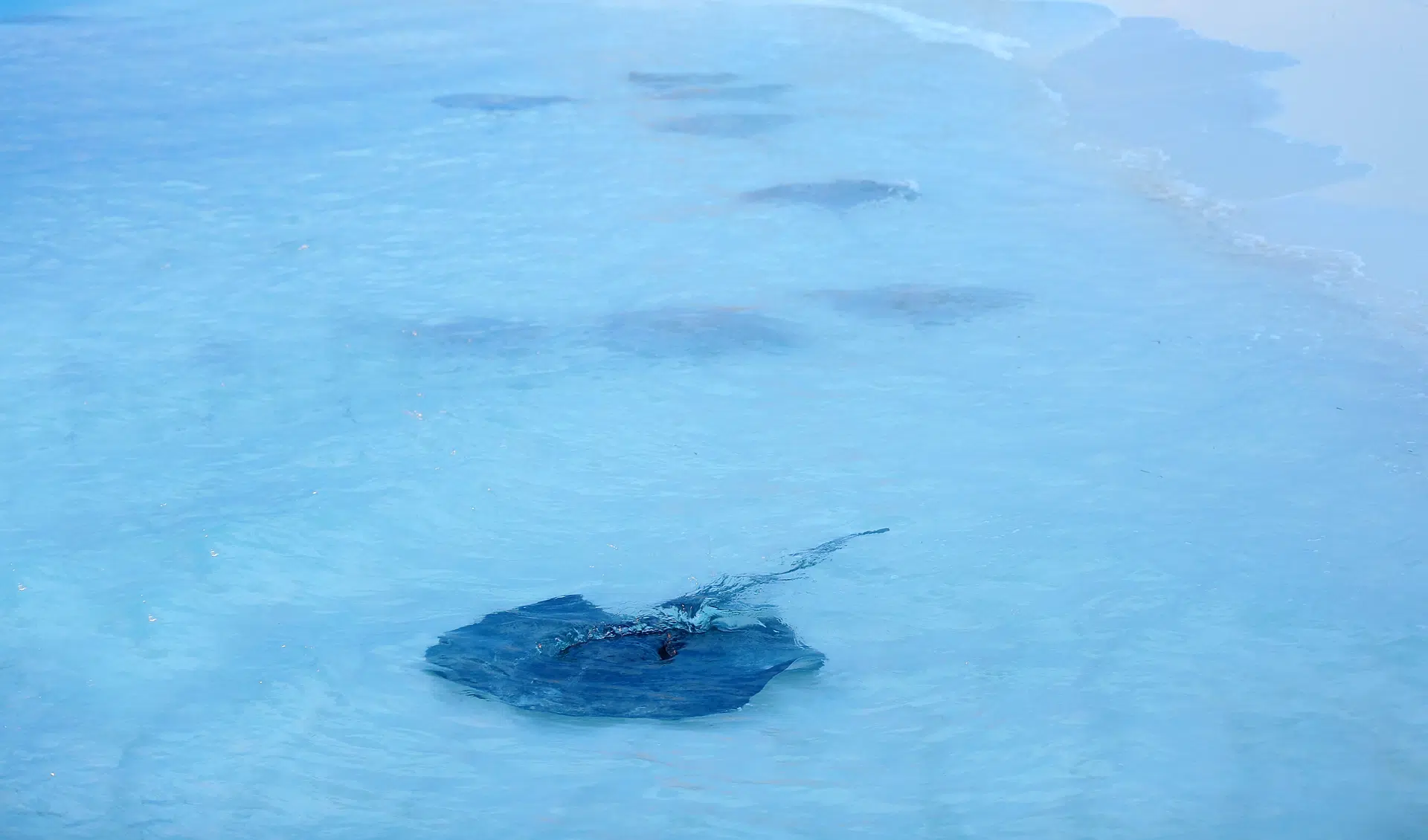
Standing inside waist-deep water on a natural sandbar while wild southern stingrays float nearby is among the most unique eco-tourism activities across the Caribbean region. Located inside the shallow North Sound lagoon of Grand Cayman, Stingray City offers travelers direct views of ocean life without requiring diving certificates. Because for many generations these wild stingrays have interacted with tourists, around people they act very calmly. However, visiting a fragile marine environment requires thorough preparation, careful movements, and strict adherence to conservation rules. This guide explains how Stingray City formed, proper interaction habits, equipment needs, and safety rules for first-time visitors.
Understanding the Sandbar Environment and Water Dynamics
Stingray City is not an artificial aquarium or enclosed ocean park; behind a coral reef, a group of shallow natural sandbars is located. Inside the North Sound area, waves and water currents naturally move sand, making an underwater floor where water usually stays three to four feet deep. Long ago, inside this calm lagoon, local fishermen cleaned their daily catch, throwing fish scraps into the sea. Over time, southern stingrays (Hypanus americanus) started gathering, slowly forming a special ecosystem where wild rays comfortably swim near standing visitors.
Because this sandbar is about two or three miles from land, it stays isolated; to reach the location, taking a boat across North Sound lagoon is required. When checking excursion details and activity plans for North Sound sandbars, looking at information from local operator resources like The Reef Beach Resort helps clarify boat ride length, water depth conditions, and safety gear requirements for non-swimmers. Knowing that water can reach up to waist height helps families and beginning snorkelers prepare correctly, making sure everyone feels comfortable whether standing on the sand or floating with a vest.
Essential Stingray Interaction Etiquette and Safety Protocols
Non-aggressive animals are southern stingrays, which use tail barbs only to protect themselves from natural enemies like hammerhead sharks. When people enter their natural home, staying calm and following standard handling rules prevents hurting the animals while keeping all visitors safe.
- The “Stingray Shuffle”: When walking on the sandy ocean floor, step like on dry ground; never lift up your feet. Lifting your feet creates the danger of stepping directly on a stingray hiding under thin sand. Instead, across the sand top slide or drag your feet without raising your soles. This sliding motion creates soft vibrations in sand and water, giving rays enough time to swim away safely.
- Proper Handling and Petting Techniques: If a stingray comes near you, keep a calm body position and let the animal decide how to move. On their smooth top back or wings, touch stingrays softly using a flat open palm. Their eyes, breathing holes behind eyes (spiracles), or tail do not touch. Like smooth wet leather, the top skin feels, while very soft like velvet the bottom side feels.
- Feeding Rules: When under guide instructions, feeding squid, inside a closed fist, place the food with your thumb tucked over your fingers. Under the stingray’s mouth on its bottom side, keep your fist. Never use open fingers to hold food, because to pull food inside stingrays use strong suction power.
- What Not to Do in the Water: Fast splashes, shouting loudly, or pulling a stingray’s tail avoid making. Completely out of the water, never try lifting a stingray, because exposed gills stop them from breathing air.
What to Pack and Wear for a Sandbar Excursion
Packing correct items protects your skin from strong tropical sun while avoiding environmental harm to the ocean ecosystem.
- Reef-Safe Sunscreen: Common sunscreens have chemicals like oxybenzone and octinoxate, which cause coral bleaching and damage sea life. At least 30 minutes before entering ocean water, put on broad-spectrum, mineral sunscreen containing non-nano zinc oxide.
- Protective Swimwear: Without needing repeated sunscreen applications, a long-sleeve UPF 50+ rash guard provides continuous sun protection, while protecting skin from life vest rubbing.
- Snorkel Mask and Snorkel: Fitting tightly on your face, a good mask lets you watch stingrays gliding under the water surface. On shallow sandbars, fins are optional, but useful if the boat stops near deep reefs.
- Dry Bag and Towel: Inside a waterproof bag keep mobile phones, dry clothes, and towels safe while traveling on the boat.
A Step-by-Step Timeline of a Sandbar Visit
Understanding how a standard sandbar tour operates helps first-time travelers manage time, movement, and expectations easily.
- Pre-Boarding Briefing: Before leaving the dock, tour guides give safety explanations about boat rules, life jacket wearing, and animal safety guidelines.
- Lagoon Transit: Across calm blue waters of the North Sound, the boat travels. Views of mangrove trees and coral barrier reefs during this 20- to 30-minute ride.
- Anchor and Entry: Upon reaching the sandbar, in three to four feet of clear water, the boat drops anchor. Down ladder steps, visitors walk into the ocean.
- Wildlife Interaction: Under direct control of trained boat crew, visitors spend 30 to 45 minutes walking, floating, and watching stingrays.
- Return Trip: After leaving the water, during the trip back to the marina, visitors wash off salt water with fresh water on the boat.
Summary Checklist for First-Time Visitors
- Every time when walking on the sandy ocean floor, practice the “Stingray Shuffle”.
- 30 minutes before entering the ocean, apply reef-safe mineral sunscreen.
- During squid feeding, to avoid mouth suction, tuck fingers inside a flat fist.
- During all physical contact, keep stingrays inside the water.
- For continuous protection against sun exposure, wear a UPF rash guard shirt.