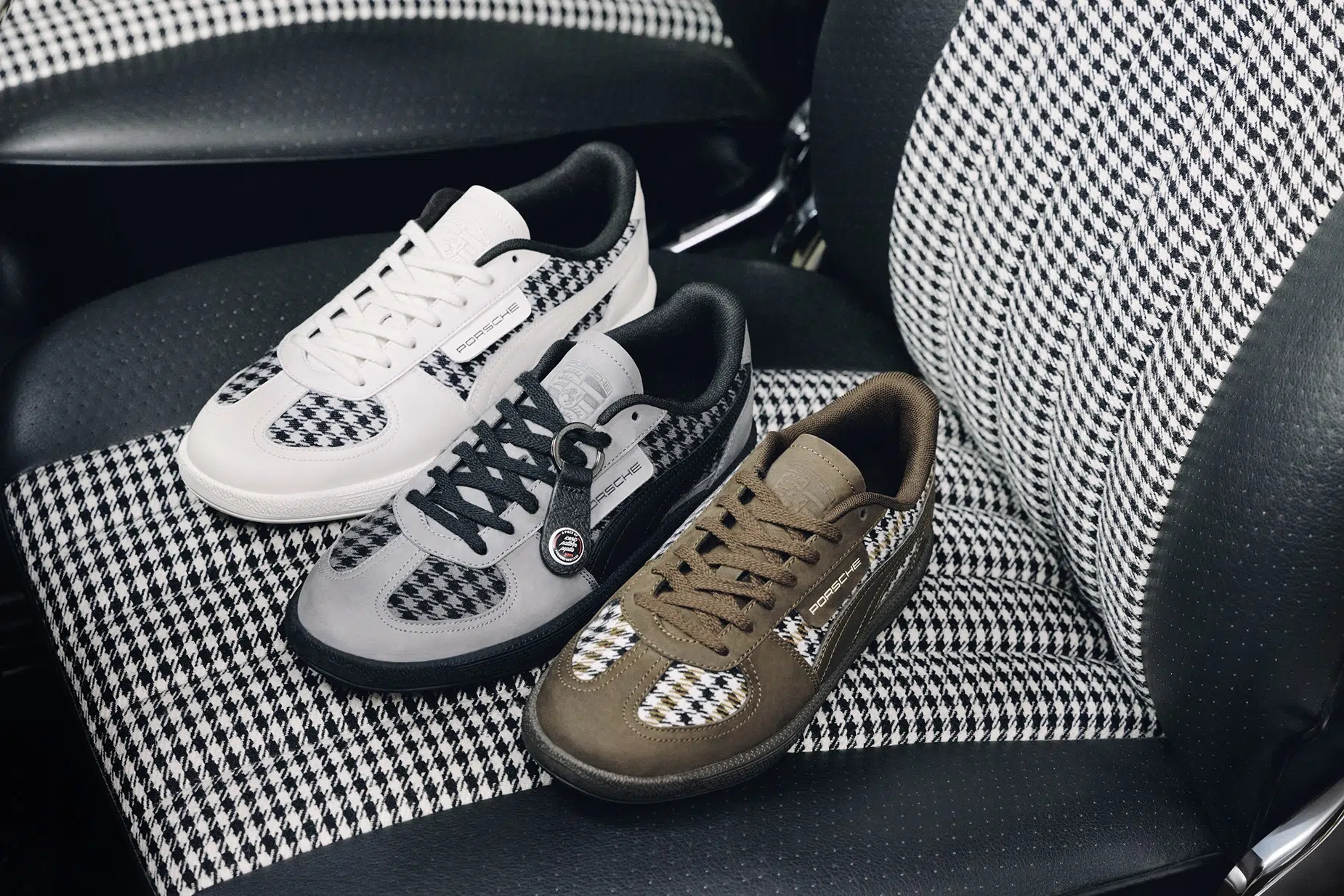
Some patterns become fashionable. Others become part of a brand’s visual identity.
For Porsche, Pepita belongs firmly in the latter category. The sharply graphic black-and-white check first appeared in late-production examples of the Porsche 356 before becoming closely associated with the earliest generations of the 911. More than six decades later, the pattern still carries an immediate connection to the marque’s design history, and for Fall/Winter 2026, PUMA is bringing that heritage out of the cockpit and into the wardrobe.
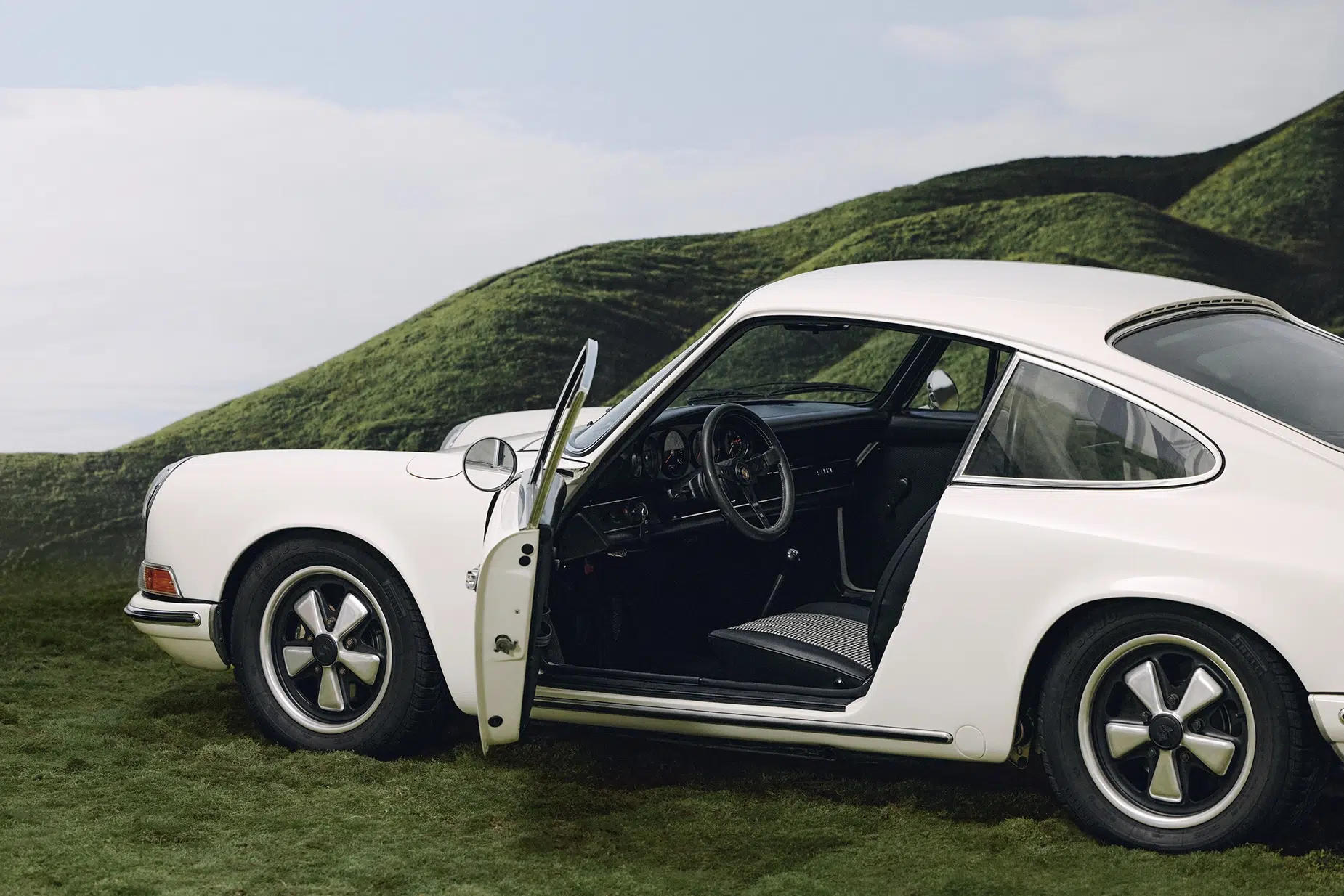
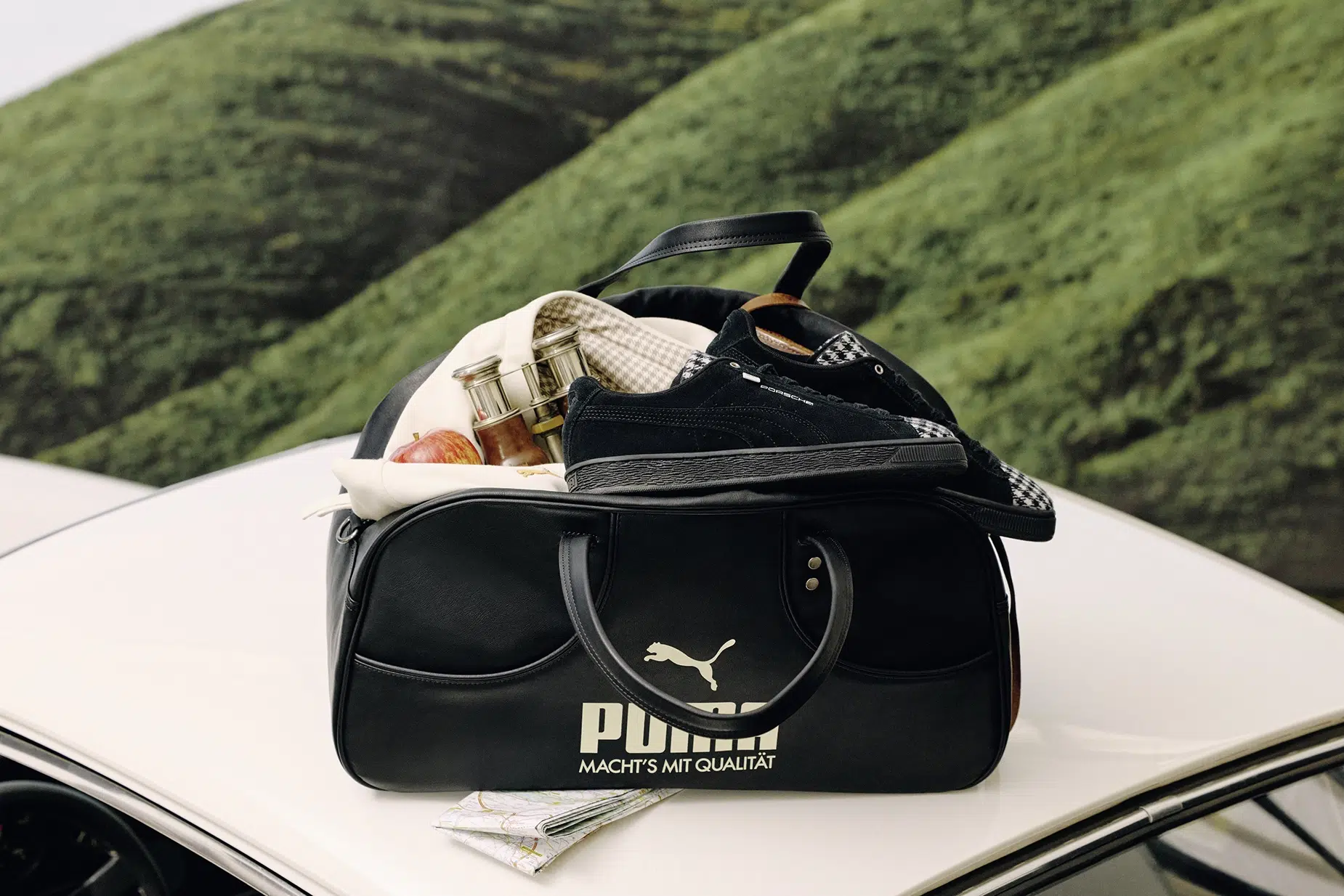
The new PUMA x Porsche Legacy Pepita Collection takes one of Porsche’s most enduring interior signatures and reinterprets it across sneakers, outerwear, hoodies, and ready-to-wear pieces. Rather than relying on oversized logos or obvious motorsport graphics, the collection draws its character from the Pepita motif itself, allowing a relatively restrained design detail to do most of the storytelling.
That restraint is what gives the collaboration its appeal. Pepita has never needed much embellishment. Its small-scale geometric check, linked by diagonal lines, is distinctive without being loud, and its history extends well beyond the automotive world. The pattern became fashionable in Europe long before it appeared inside a Porsche, and by the early 1960s it had found a natural home within the clean, disciplined interiors of the 356. By the middle of that decade, it had become available in the 911, where its contrast against leather, chrome, and simple instrumentation helped define a particularly elegant era of sports-car design.
For collectors, that association matters. Original Pepita interiors remain among the details that can make a classic Porsche feel especially evocative, not because the fabric is extravagant, but because it captures the design language of a period when performance cars were still intimate, tactile objects. The seats, steering wheel, dashboard, and materials all worked together, creating an experience that was as visual as it was mechanical.
PUMA’s latest collaboration understands that nostalgia is most effective when it is translated rather than merely reproduced.
The collection includes the T7 Jacket, hoodies, and additional apparel that carry the Pepita check through panels, trims, and graphic applications, while the footwear side brings the motif to two of PUMA’s most recognizable silhouettes: the Speedcat and the Suede.
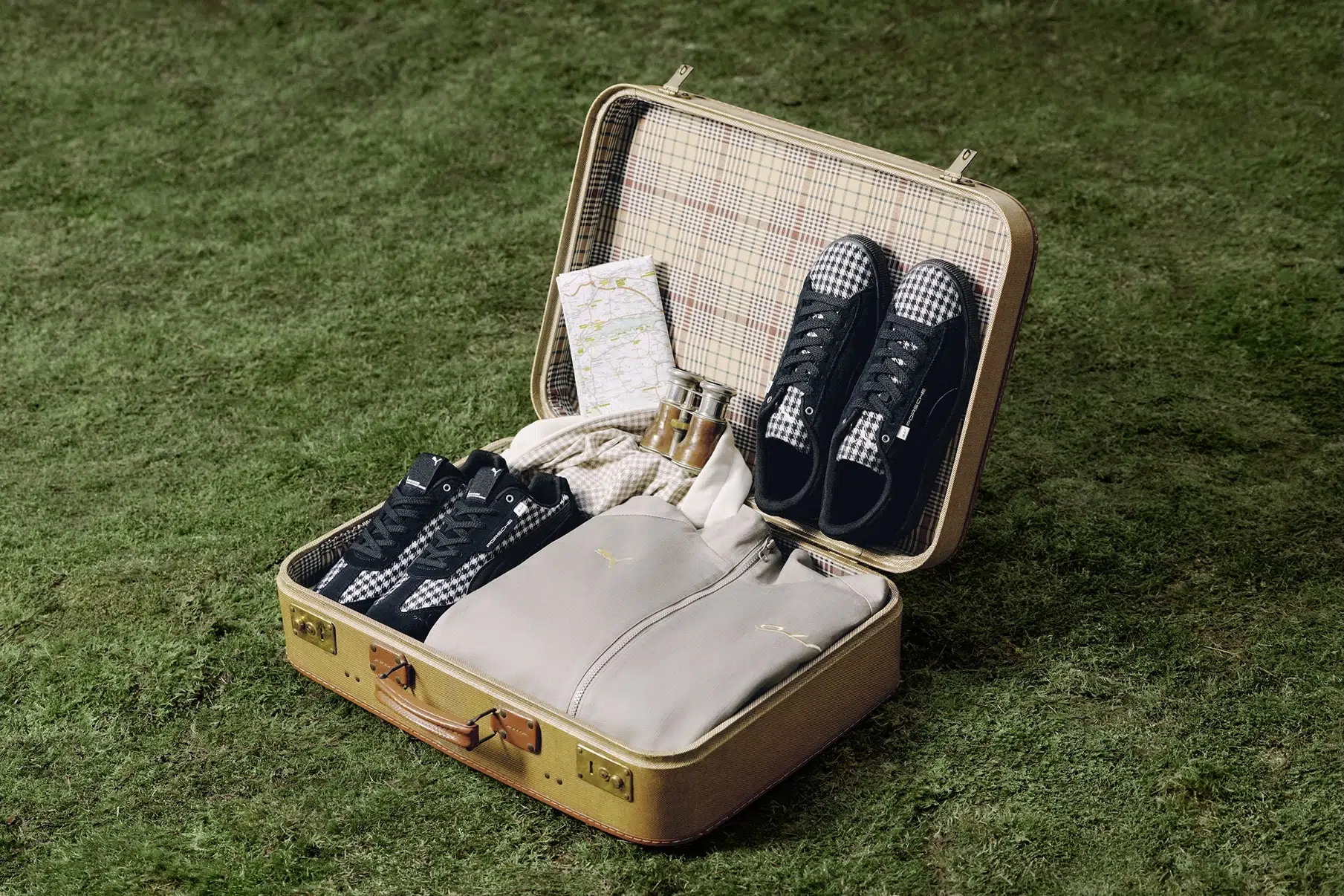
The Speedcat is an especially fitting choice. Originally influenced by motorsport footwear, its low-profile shape and close-to-the-ground stance already carry a sense of automotive purpose. In Pepita, it gains a visual connection to Porsche heritage without losing the simplicity that made the sneaker successful in the first place. The result feels less like branded merchandise and more like a design object with a credible reason to exist.
The Suede takes a slightly different approach. Where the Speedcat feels inherently connected to the racetrack, the Suede brings Pepita into a more familiar lifestyle context, allowing the pattern to function as fashion rather than automotive reference alone. That distinction broadens the collection’s appeal beyond Porsche loyalists and into the wardrobe of anyone drawn to graphic, heritage-driven design.
There is a wider trend at work here as well. Luxury and performance brands have become increasingly interested in mining their own archives, but the strongest collaborations tend to focus on details rather than nostalgia for nostalgia’s sake. A stitching pattern, seat fabric, paint code, dashboard texture, or racing stripe can often communicate more authenticity than a heavily branded capsule ever could.
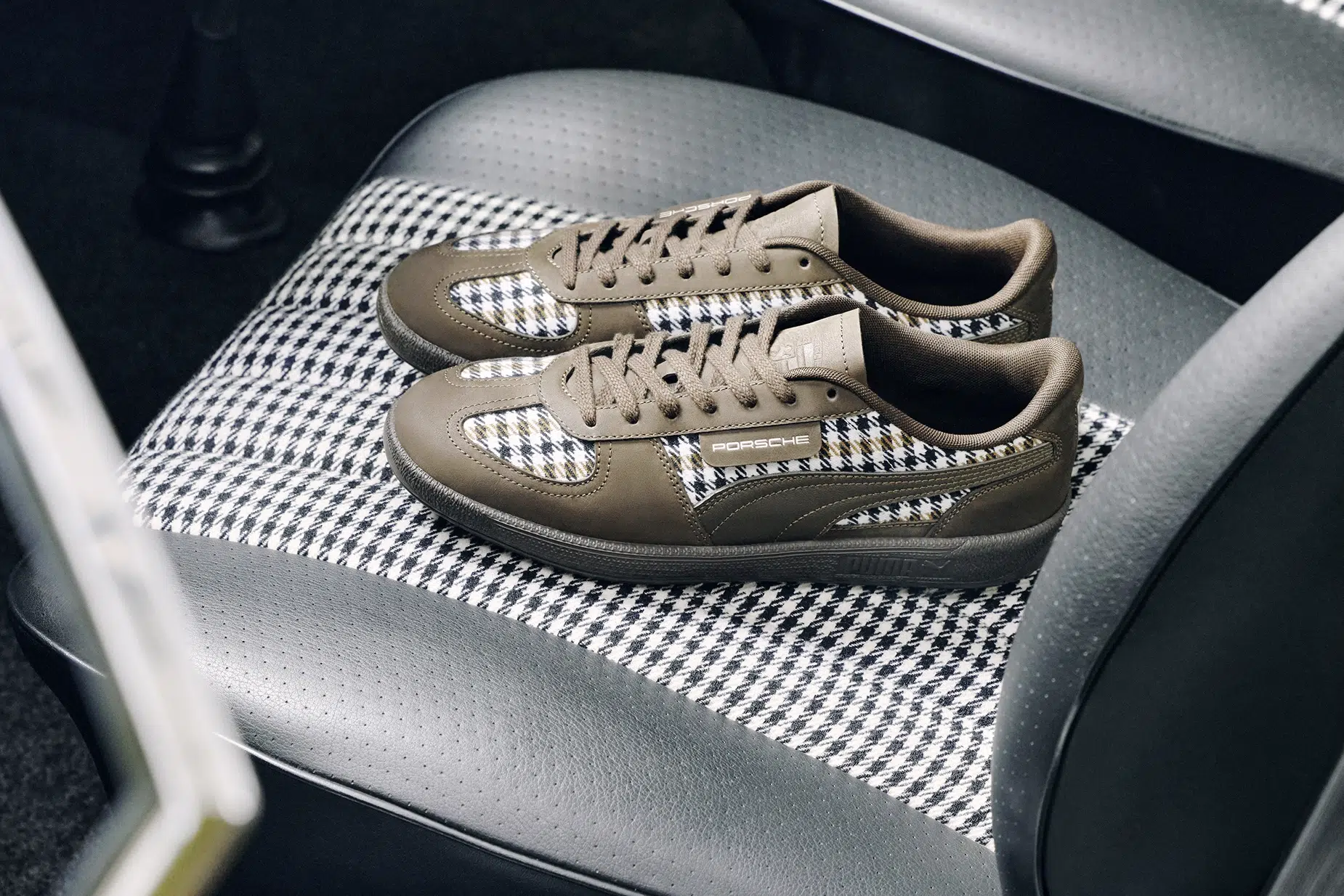
Pepita is ideally suited to that approach because it sits at the intersection of fashion and automotive design. It carries enough history to satisfy Porsche enthusiasts while remaining visually strong enough to stand on its own. In this collection, that dual identity is the point.
PUMA and Porsche have collaborated repeatedly over the years, often drawing on motorsport, racing heritage, and iconic car design. The Fall/Winter 2026 Pepita release feels more sophisticated because it moves away from speed as the only source of inspiration and instead celebrates something quieter: the materials and visual cues that made Porsche interiors memorable in the first place.
That shift gives the collection a more mature character. The appeal is not simply that a sneaker matches a classic 911 seat. It is that both objects share a certain design logic: clean proportions, recognizable form, and just enough detail to make them distinctive.
For Fall/Winter 2026, Pepita leaves the cabin without losing its identity. In the hands of PUMA and Porsche, a textile once associated with some of the most admired interiors in sports-car history becomes something unexpectedly wearable.
And that may be the smartest part of the collaboration. The pattern does not feel revived so much as reminded of how timeless it already was.