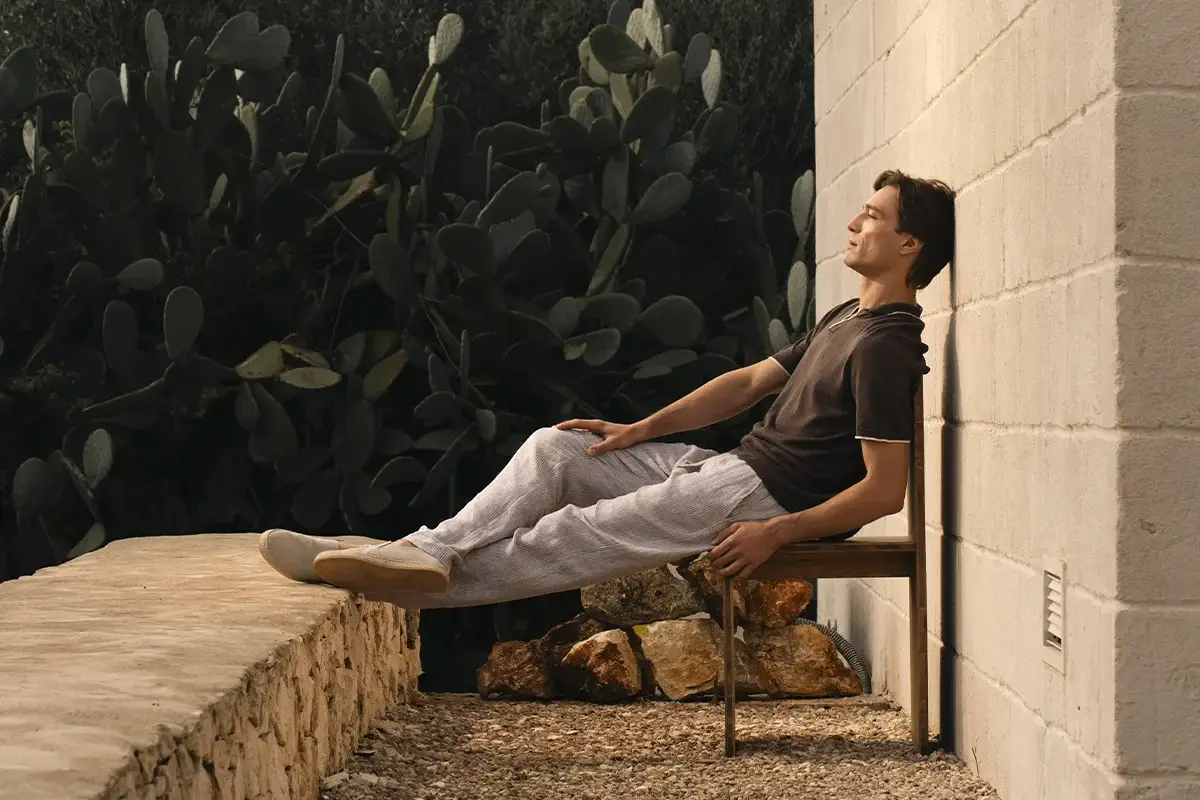
From a small Monza workshop founded in 1934 to an international expression of Italian refinement, Fedeli has spent more than nine decades perfecting one of luxury’s most seductive materials.
The Italians understand cashmere not simply in the way it is produced, knitted or sold, but in the way it is worn. There is an instinctive ease to the way an Italian man slips a fine-gauge crewneck beneath an unstructured blazer, or drapes a sweater across his shoulders before an evening aperitivo. Nothing appears overly considered, which is usually evidence that everything has been considered very carefully indeed.
Cashmere lends itself particularly well to this kind of elegance because it does not need embellishment. There are no logos required, no elaborate construction demanding attention, no obvious signals of expense. The pleasure lies elsewhere: in the softness against the skin, the precision of the knit, the richness of the color and the way an exceptionally made sweater falls on the body. Few houses understand that language as fluently as Fedeli.
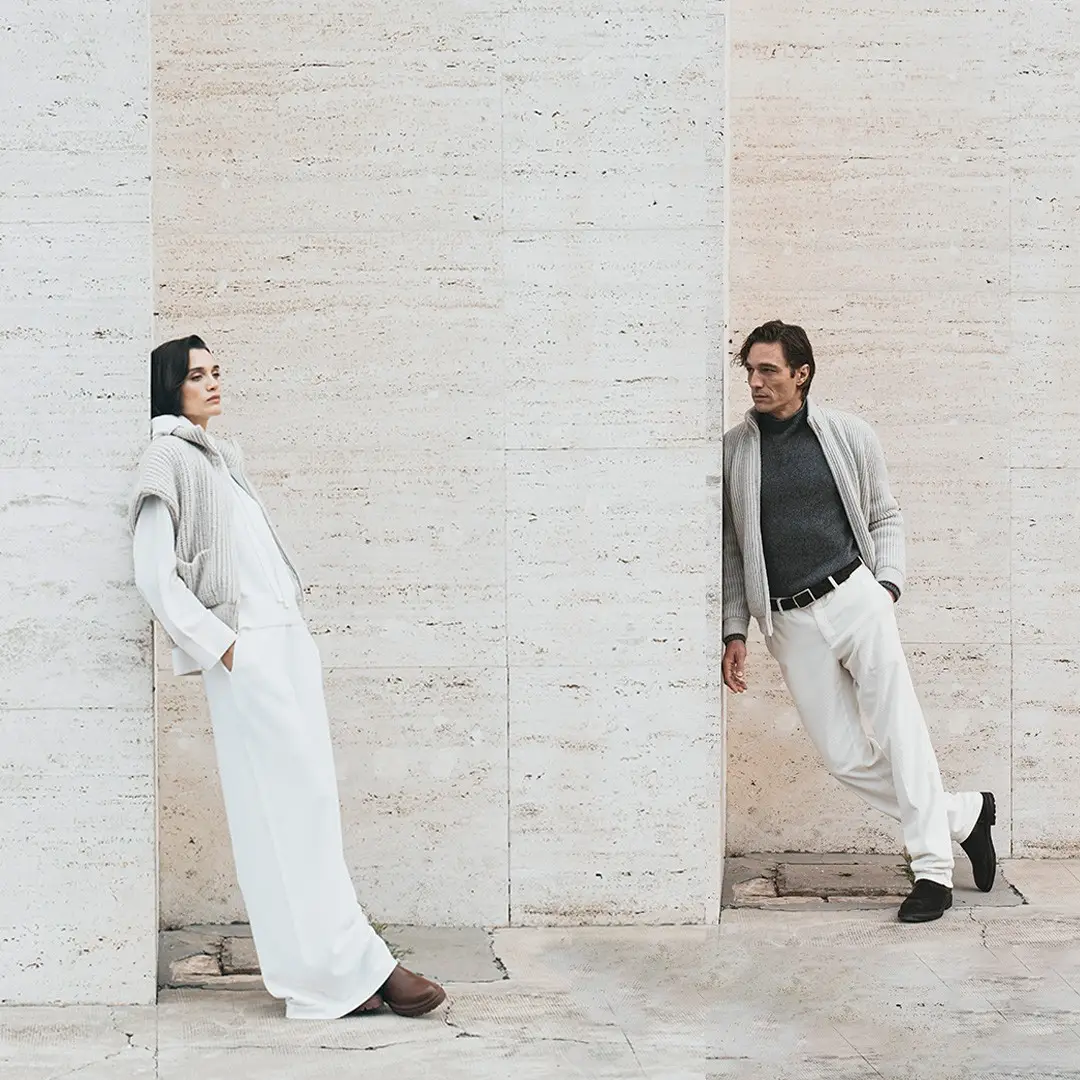
Founded in Monza in 1934 by Luigi Fedeli, the family-owned Italian company began with hats before turning its attention to knitwear. The first Fedeli cashmere pieces appeared in the postwar years, beginning a relationship with the fiber that would eventually become central to the identity of the house. More than 90 years later, Fedeli remains in family hands, a continuity that carries unusual weight in an industry where heritage is frequently packaged, repositioned and rediscovered.
At Fedeli, heritage feels more organic. It is an accumulation of knowledge passed from one generation to the next, expressed through material, construction and an enduring belief that luxury should be felt before it is noticed. Cashmere remains its most persuasive argument.
 |
 |
At its finest, the fiber possesses an almost contradictory quality. It is extraordinarily soft yet capable of structure, exceptionally warm yet remarkably light. A beautifully made cashmere sweater can appear almost simple, but simplicity of this kind is deceptive. Quality is determined by the fineness of the fiber, the yarn, the tension of the knit, the number of plies and, ultimately, the judgment of the people responsible for turning raw material into clothing.
Fedeli approaches that process with a distinctly Italian sensibility. Its cashmere wardrobe is built not around novelty but permanence: crewnecks, roll-necks, half-zips, cardigans, sleeveless knits and relaxed outer layers rendered in colors that appear to have been borrowed from the Italian landscape.
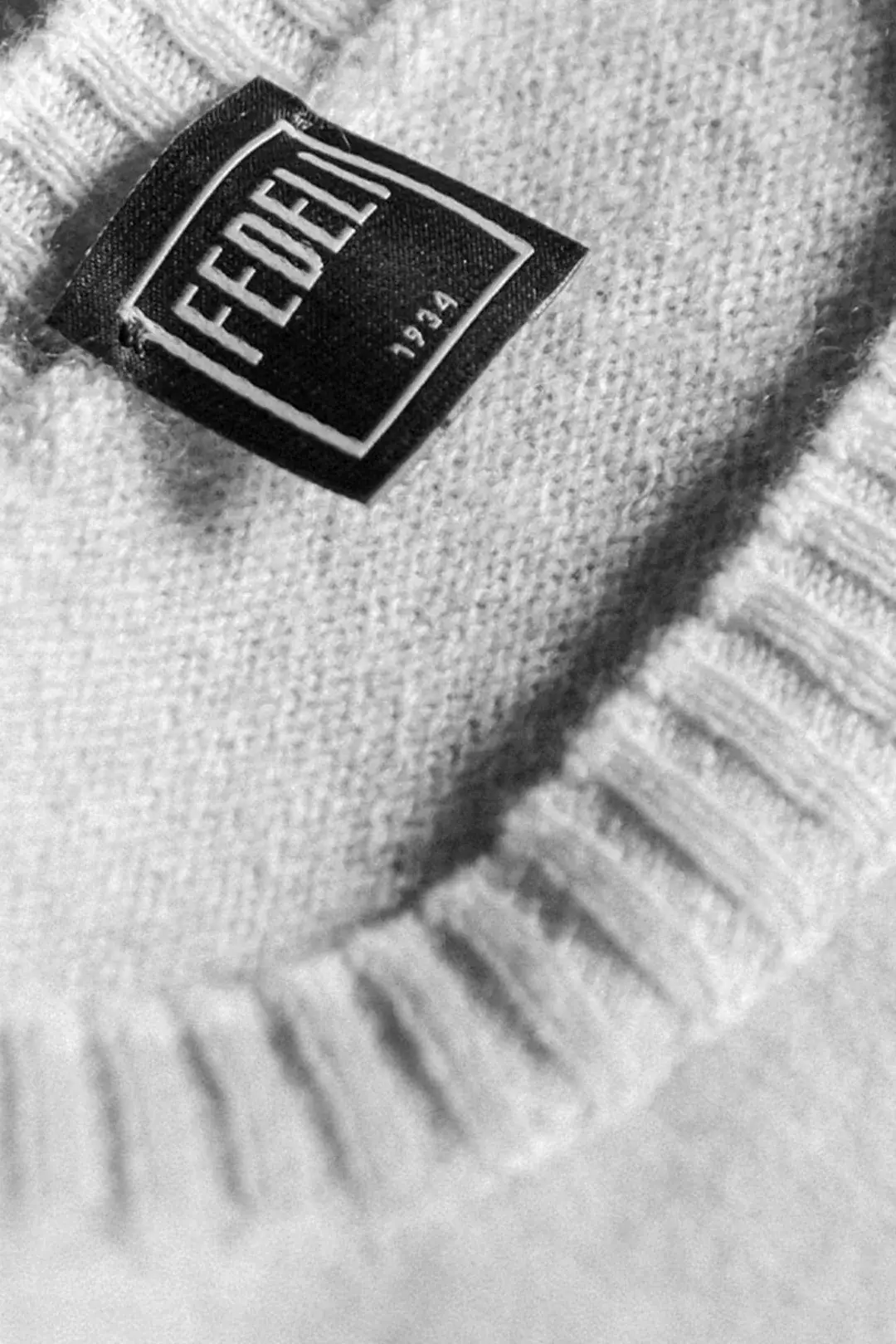
There are warm creams and floury whites, washed blues, soft grays, muted greens, citrus tones and shades recalling the Mediterranean at different hours of the day. The palette may shift from season to season, but the underlying philosophy remains remarkably consistent. These are clothes intended to become part of a life rather than merely part of a collection.
A Fedeli knit belongs under a jacket in Milan as naturally as it does over linen trousers on the Amalfi Coast. It can accompany a winter weekend in the Alps or become the sweater carried onto a transatlantic flight because one knows, inevitably, that the cabin will become cold somewhere over the Atlantic. That latter ritual has become increasingly important to the house.
Fedeli has developed a particularly persuasive point of view on travel dressing, one that feels almost radical at a time when airport style has largely surrendered to technical fabrics, tracksuits and the elasticated waist. The brand proposes something more civilized, with comfort rooted in natural fibers, thoughtful proportions and garments capable of moving seamlessly from departure lounge to aircraft cabin to hotel lobby.
A cashmere hoodie is not treated as sportswear but as a piece of refined knitwear. A beautifully cut polo need not be replaced before dinner, while a lightweight cardigan can soften the chill of an overnight flight without looking as though it was designed exclusively for sleeping in seat 3A. The concept feels particularly appropriate in First Class, where there is something faintly absurd about sipping vintage Champagne beneath a cashmere blanket while dressed as though one is waiting for a treadmill.
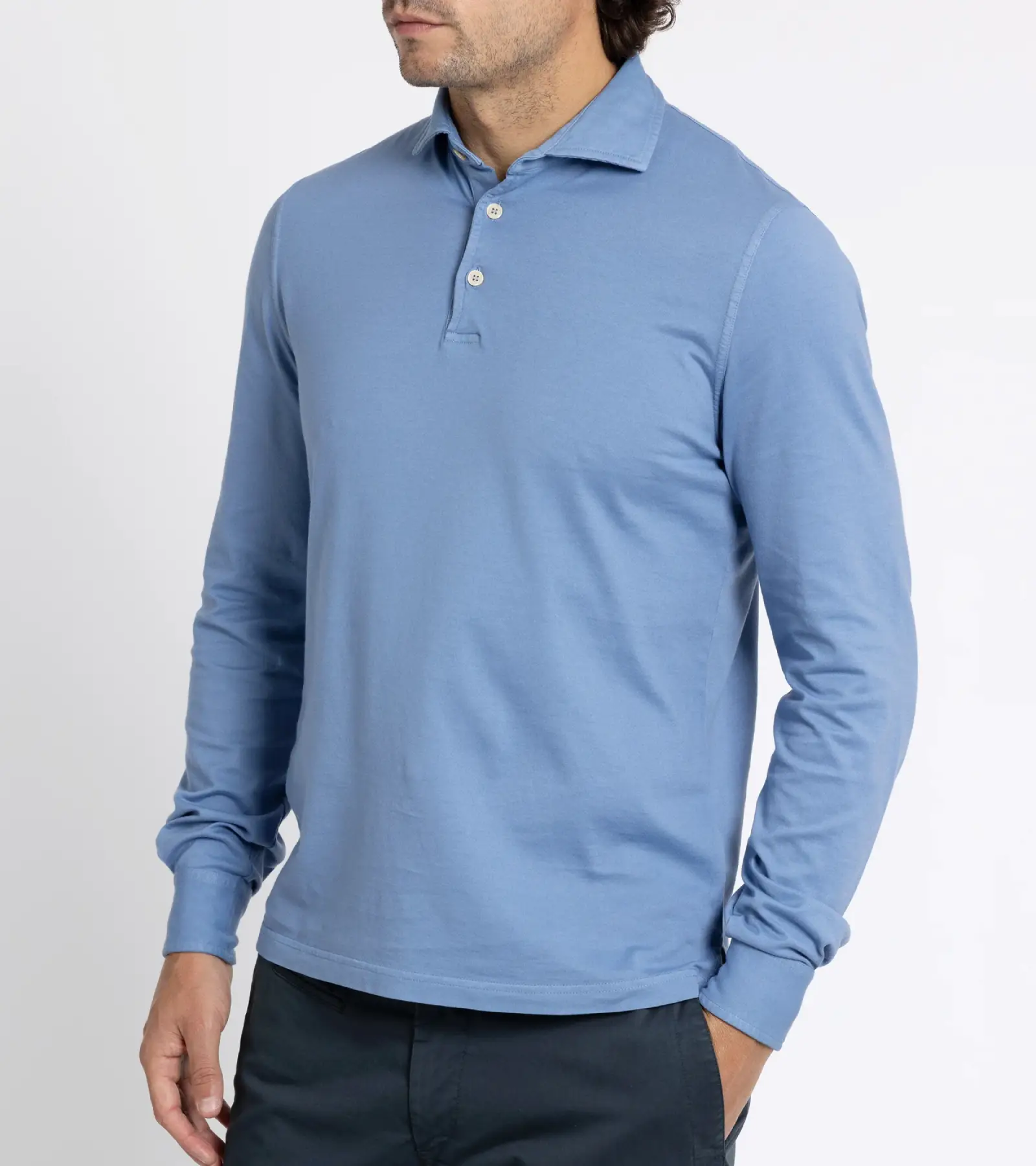
Fedeli offers an alternative: clothes that acknowledge the comfort demanded by modern travel while preserving the dignity of the journey itself. It is essentially sprezzatura at 35,000 feet, and that much-discussed Italian concept is often misunderstood as casualness. In reality, it is something more demanding: elegance achieved so completely that the effort disappears.
A sweater draped across the shoulders looks spontaneous only when the proportions are right. A monochromatic travel wardrobe appears uncomplicated only because the fabrics, weights and tones have been carefully chosen. Fedeli operates in precisely this territory, where refinement depends less on display than on proportion, material and judgment.
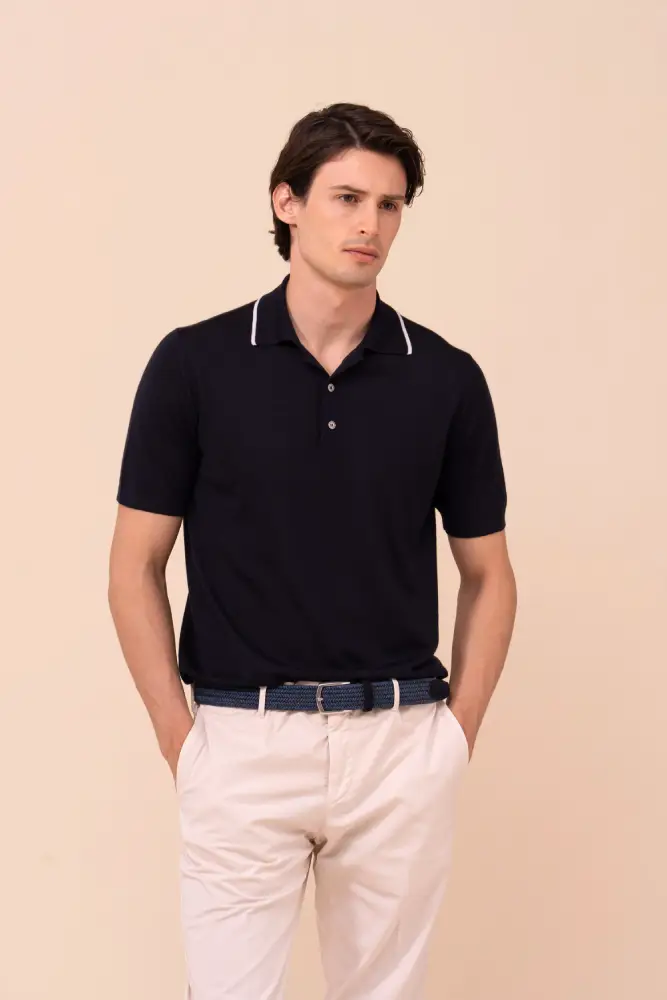
While cashmere remains its spiritual center, the house has gradually expanded into a much broader expression of Italian resort and leisure dressing. Fine cotton polos, lightweight shirting, relaxed trousers, outerwear and swimwear now sit alongside the knitwear, with the latter revealing another side of the brand’s personality.
Fedeli may understand understatement, but it is not interested in austerity. Its swim collections introduce pattern, color and a certain Mediterranean exuberance into a wardrobe otherwise built upon quiet refinement. That duality is important because Italian luxury has never been