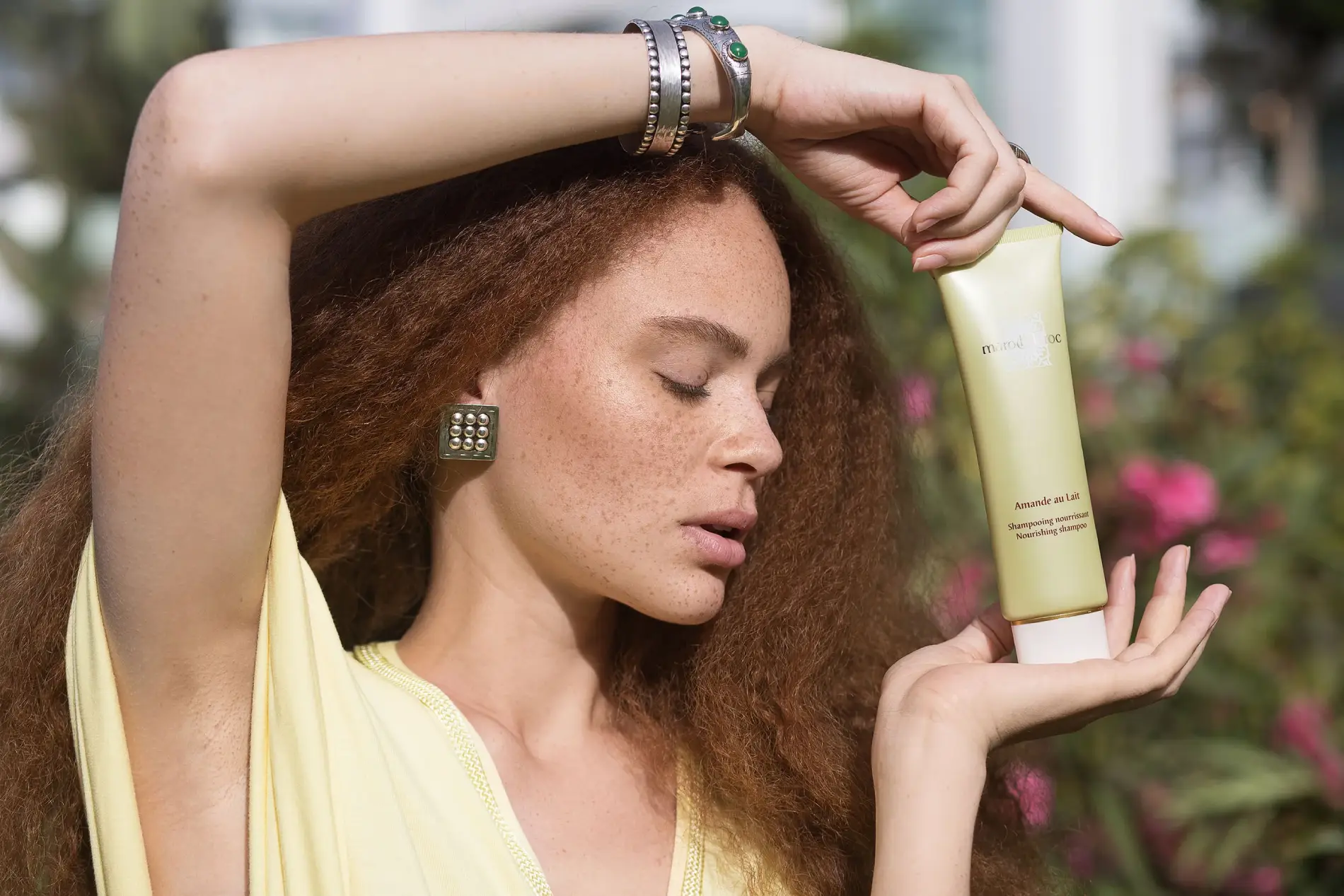
Drawing on Morocco’s hammam traditions, native botanicals, and centuries-old beauty rituals, marocMaroc transforms cultural heritage into a decidedly modern approach to skincare.
There is no great elegance in pretending age does not exist. Far more interesting is the idea that beauty can carry history well, the rituals inherited, the ingredients rediscovered, and the small acts of care passed quietly from one generation to the next. That philosophy sits at the heart of marocMaroc, the Moroccan luxury skincare house founded in 2007 with the intention of preserving and reinterpreting the ancestral beauty traditions of Moroccan women.
The hammam is its spiritual starting point. For centuries, the ritual of heat, water, cleansing, and massage has occupied a distinctive place in Moroccan culture, turning bathing into something considerably more sensual and ceremonial than a daily necessity. marocMaroc translates that world into contemporary skincare, pairing evocative ingredients and traditional gestures with sophisticated cosmetic formulations.
The brand is operated by Rabat-based Essences du Maroc, the registered owner of the marocMaroc trademark, but its ambitions extend well beyond Morocco. Its creams, balms, oils, masks and hammam treatments have been conceived as ambassadors for a particular Moroccan approach to beauty: generous in texture, botanical in inspiration and deeply connected to ritual.
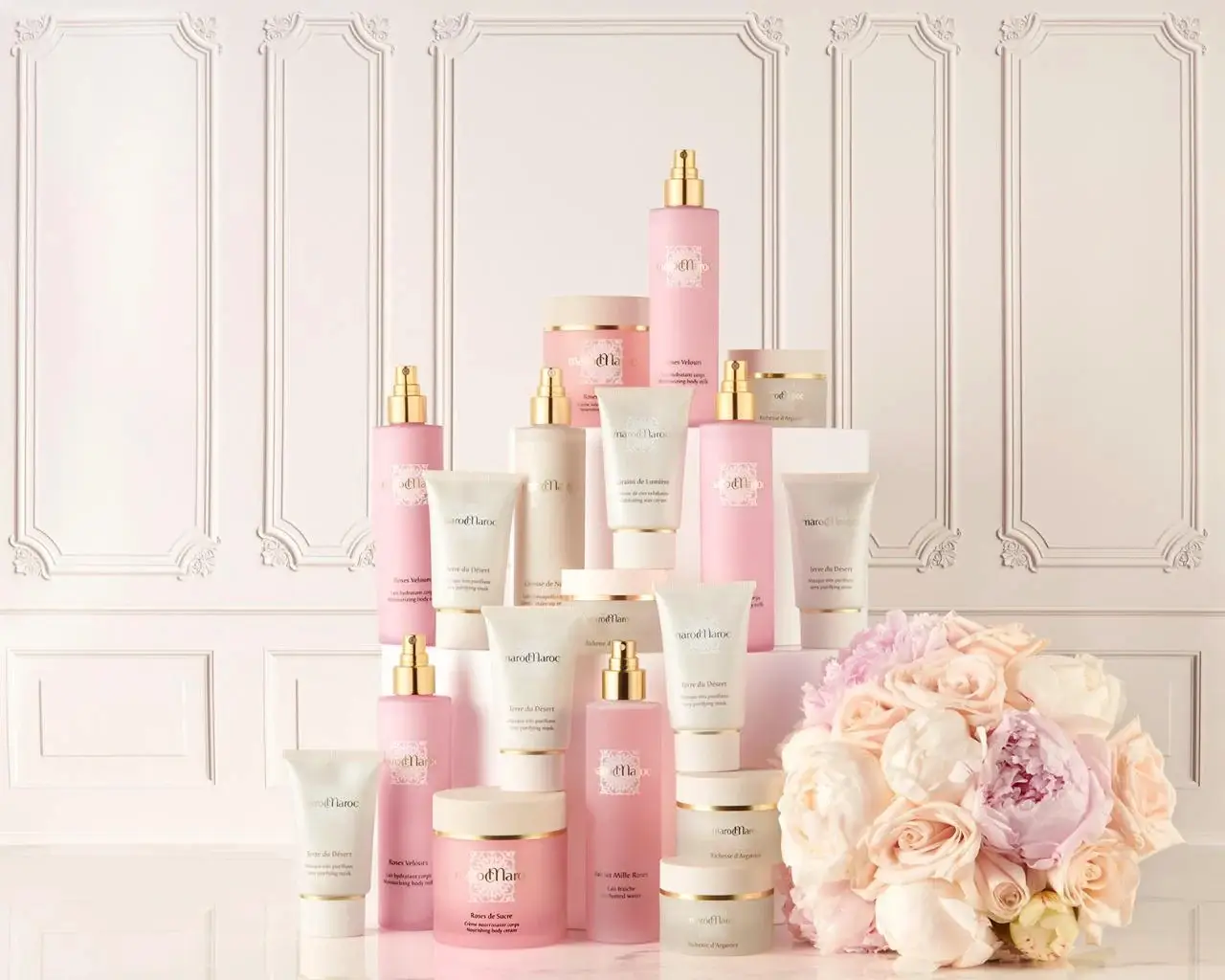
That sense of place runs throughout the collection. Argan oil, orange blossom, rhassoul clay, wild rose, camelina, pomegranate and prickly pear appear across the portfolio, each selected as much for its connection to Moroccan landscapes and traditions as for its cosmetic properties. The formulas are made in France, but their identity remains unmistakably North African.
Among the body treatments, Miel d’Ambre brings the sensorial pleasure expected of a hammam ritual, while exfoliating treatments, bath milks, body balms and oils turn ordinary routines into something more deliberate. The pleasure lies not simply in what the products claim to do, but in the textures, fragrances and gestures that accompany their use: the warming balm, the sweep of oil over damp skin, the grain of an exfoliant worked slowly across the body.
Yet the ingredient most closely associated with marocMaroc’s more intensive skincare is perhaps the prickly pear, or figue de Barbarie. Known in Morocco as sabra, the fruit of Opuntia ficus-indica has long been valued across North Africa, and its seed oil has become one of the beauty industry’s most prized botanical ingredients.
Producing it is laborious. The fruit must be harvested, and the tiny seeds separated from the pulp, cleaned, dried, and pressed, with extremely low yields. According to marocMaroc, approximately 800 kilograms of fresh fruit are required to produce a single liter of oil, a scarcity that goes some way toward explaining both its prestige and its cost.
Its appeal is more than exoticism. Prickly pear seed oil contains tocopherols, essential fatty acids, and sterols, while omega-6 helps support the skin’s moisture barrier and omega-9 contributes nourishing and protective properties. marocMaroc uses unusually high concentrations of the oil in its Cactéa formulas, generally between 10 and 15 percent depending on the product, combining it with other omega-rich oils to create a more complete lipid profile.
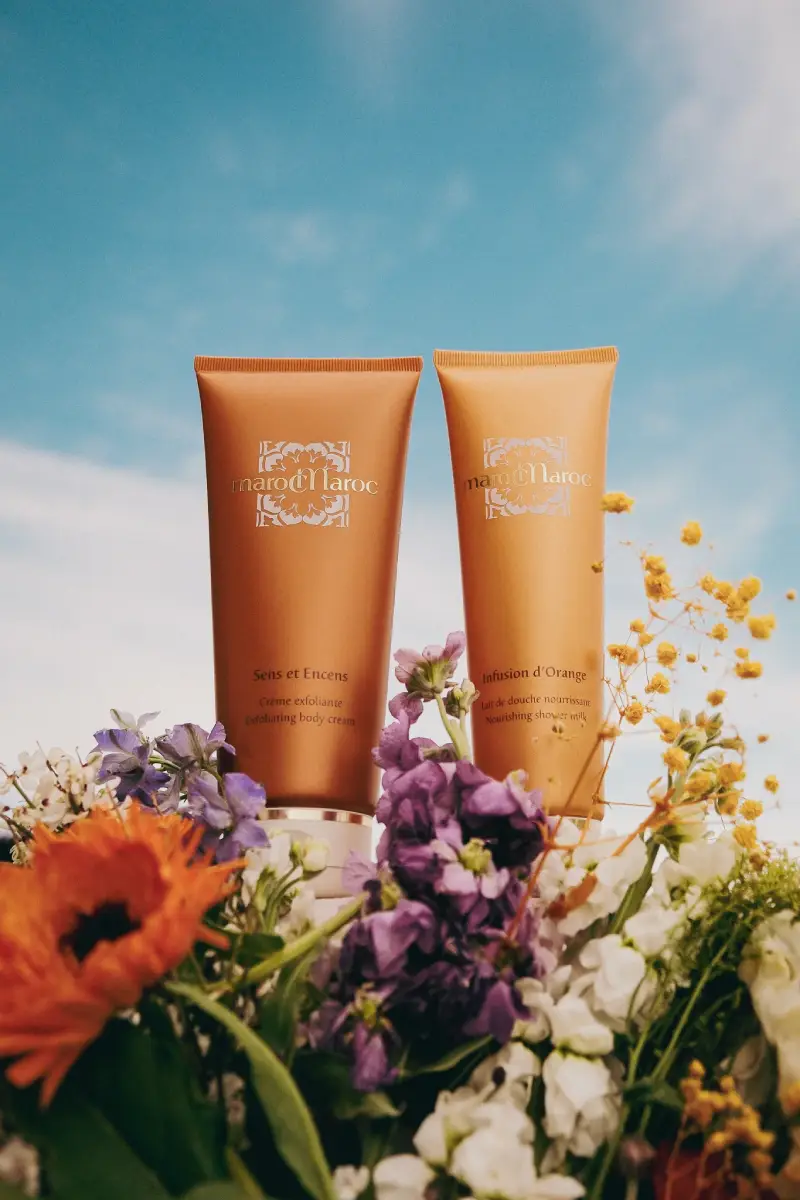
The result is a collection built around what the brand now describes as “well-ageing” rather than the increasingly dated promise of turning back time. It is a more appealing proposition: skin does not need to deny its history to look luminous, comfortable and beautifully cared for.
Within the Cactéa line, prickly pear appears not only as seed oil. Water distilled from the flowers is used for its refreshing and lightly astringent qualities, while camelina oil brings additional omega-3, omega-6 and omega-9 fatty acids into the formulations. The result is a thoughtful botanical vocabulary that moves beyond a single hero ingredient.
Even the fragrance of the collection has been considered. Perfumer Olivia Giacobetti created Cactéa’s olfactory signature around fresh prickly pear, mint, white jasmine, ripe peach, soft musk and pale woods, giving the skincare an identity that is as much about atmosphere as efficacy. It is an important distinction in luxury beauty, where pleasure remains part of performance.
That duality, ritual and science, Morocco and France, heritage and modern formulation, is what gives marocMaroc its character. The brand does not simply borrow the imagery of the hammam; it builds its identity around the gestures, ingredients and sensorial pleasures associated with it, then translates them for a contemporary bathroom, spa or dressing table.
Its presence in luxury hospitality has helped carry that story internationally, placing Moroccan beauty rituals within the rarefied world of destination spas and five-star hotels. But the most persuasive expression of marocMaroc may still be the simplest: a warm bath, a fragrant oil, a richly textured cream and the idea that taking care of the skin can be a form of continuity rather than correction.
There is something refreshingly grown-up about that philosophy. Beauty need not erase time; it can acknowledge it, soften its traces, and glow all the more beautifully for having a history.