The luxury watch market did not stop in 2020. It changed direction.
As auction rooms closed, travel disappeared, and collectors found themselves confined at home, one of the most traditional corners of the luxury world was forced to accelerate a transformation that had already begun. Sotheby’s moved rapidly into digital sales, weekly auctions, private transactions, and new online formats, helping turn what might have been a disastrous year for collectible watches into a defining moment for the market. By the end of 2020, the auction house reported global watch auction sales of $97.5 million, with more than 140 online sales generating $47.4 million, almost eight times the number of online sales held the previous year and five times their value.
What happened was larger than a temporary response to extraordinary circumstances. The shift demonstrated that serious collectors were willing to bid seven figures for exceptional watches without necessarily sitting in a Geneva, Hong Kong, London, or New York saleroom. It also introduced an entirely new generation of buyers to the auction world, helping dismantle some of the formality that had traditionally surrounded high-end collecting.
Sotheby’s reported participation from bidders across 84 countries, with particularly strong engagement from Asia, Europe, the United States, and the Middle East. Ninety-two percent of lots sold that year went to online buyers, while roughly half of participating bidders were new to Sotheby’s watch auctions. Younger collectors also became increasingly visible, with the house noting significant participation from buyers under the age of 45.
For a market built around history, provenance, craftsmanship, and physical inspection, that was a profound change. Collectors had traditionally traveled to preview rare watches, handled them under specialist supervision, studied condition reports in person, and raised paddles in packed rooms. Suddenly, confidence had to be established through digital photography, video, detailed online catalogs, specialist conversations, and a screen.
The watches themselves ensured that attention remained intense.
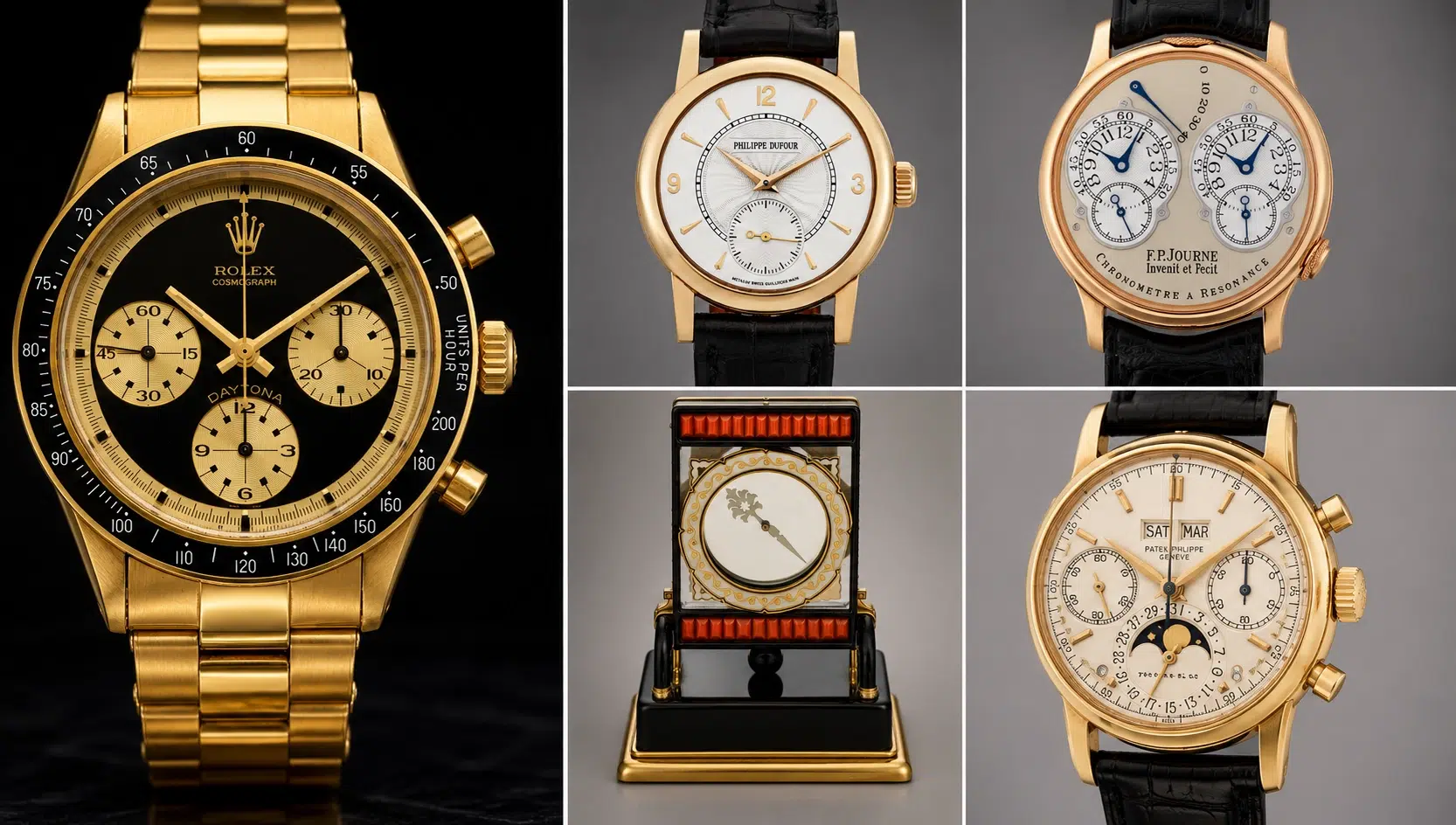
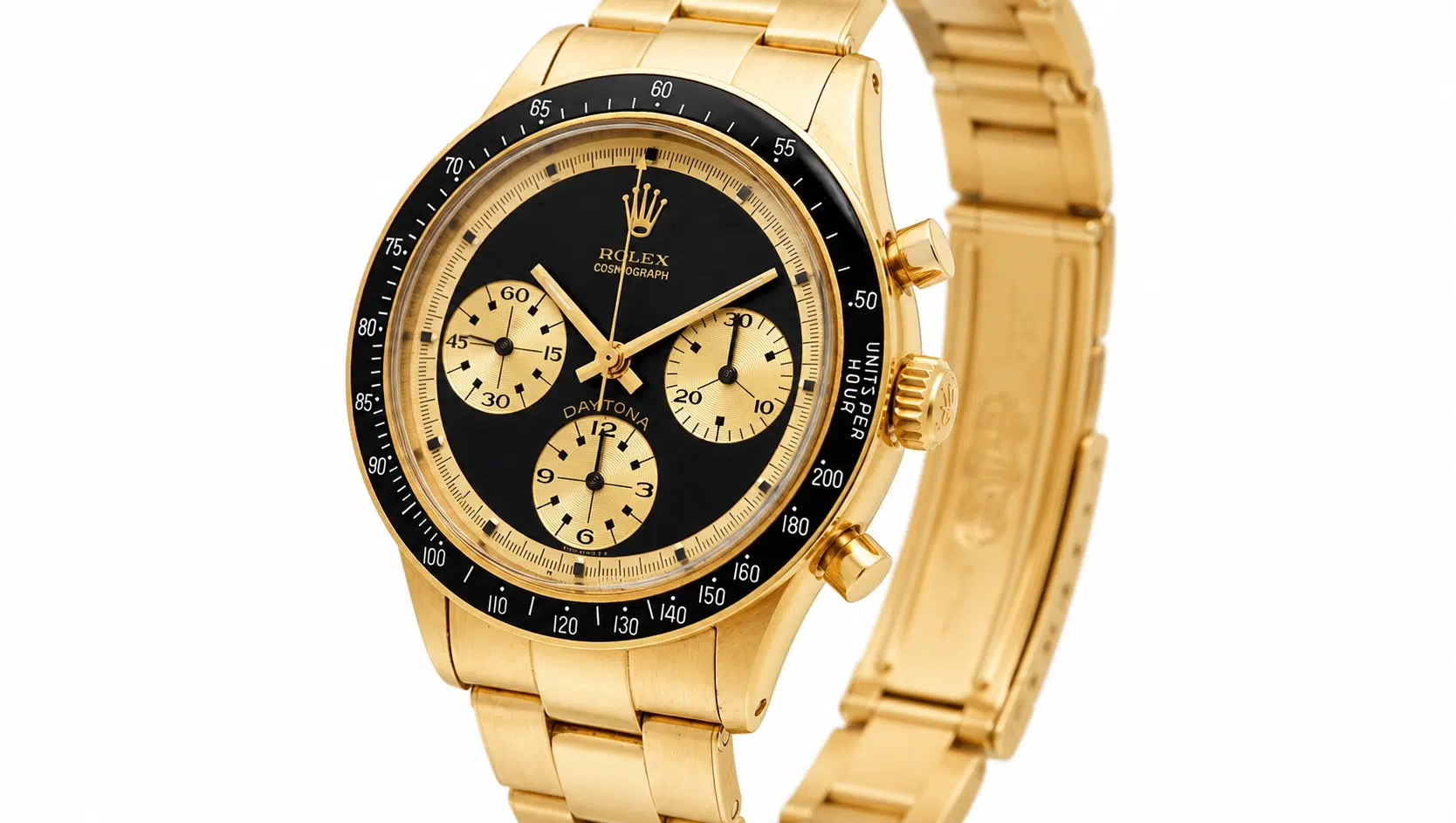
Among the year’s defining results was a rare Rolex Cosmograph Daytona “JPS” reference 6264 in 18-karat gold, which sold for approximately $1.5 million. The result established a record for a watch sold in an online auction at the time and underscored the extraordinary collector appetite surrounding historically significant Daytonas.
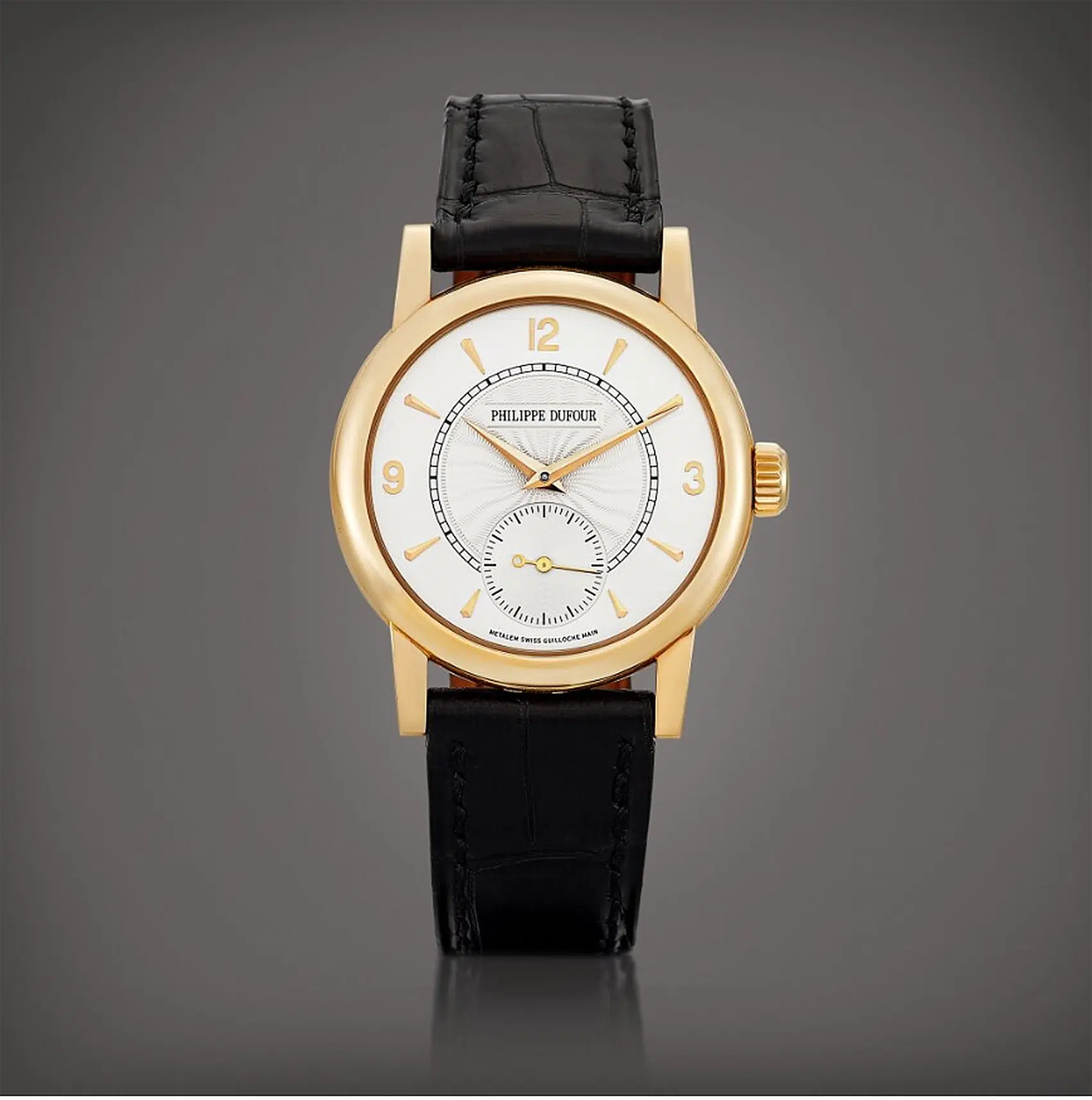
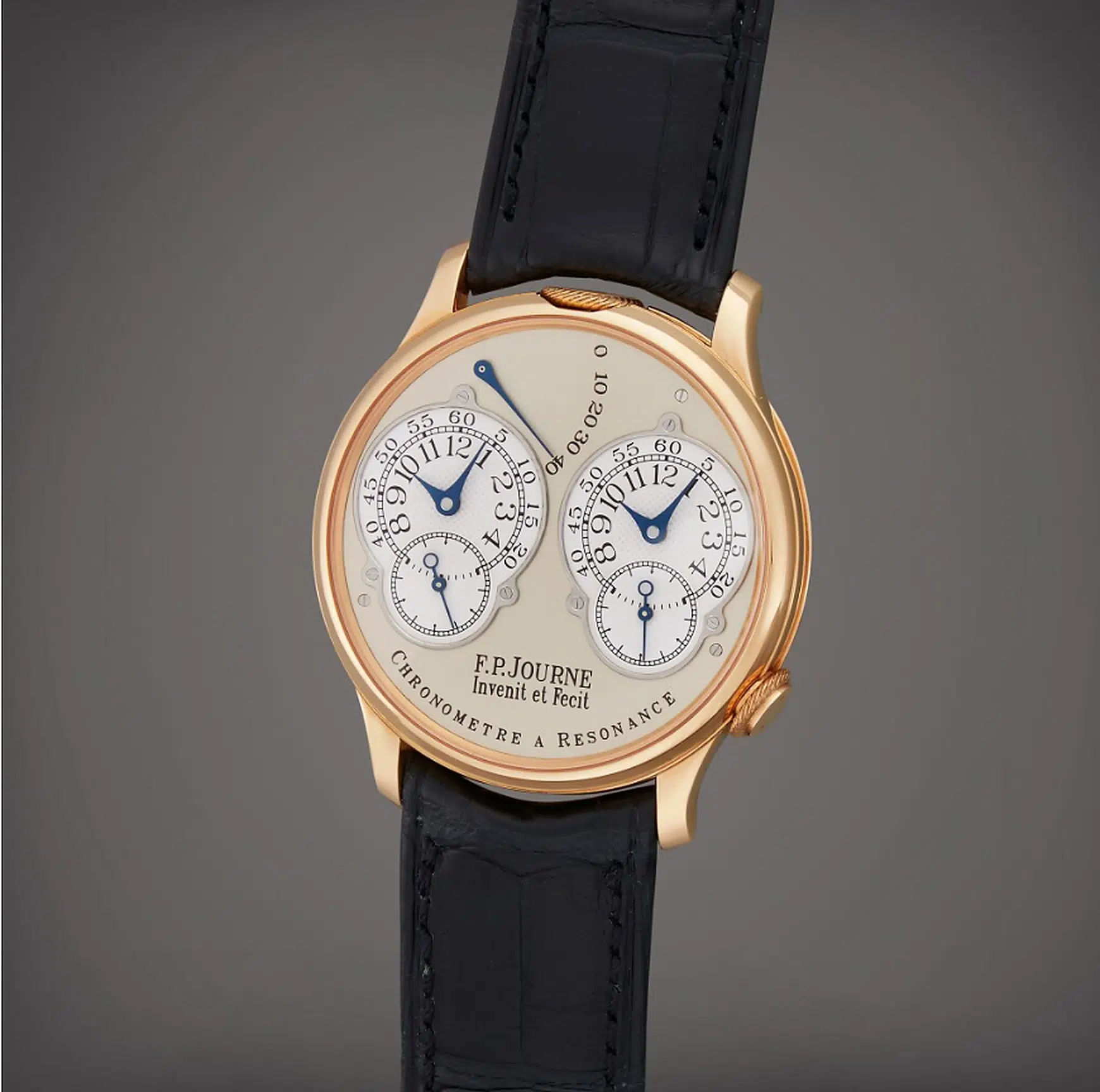
Rolex was only part of the story. Sotheby’s auctions also reflected growing enthusiasm for independent watchmakers, vintage Patek Philippe, complicated pocket watches, and unusual horological objects. Pieces by Philippe Dufour, F.P. Journe, Ressence, Cartier, and others illustrated a market becoming increasingly sophisticated in what it valued.
Pocket watches, a category long associated with traditional live auctions, proved particularly adaptable. Sotheby’s final installments of its Masterworks of Time collection and its first dedicated online sales of important pocket watches totaled $9.1 million, with all 249 lots finding buyers. The Dent “Ultra Complication,” one of the collection’s headline pieces, surpassed its presale estimate to achieve approximately $832,000.
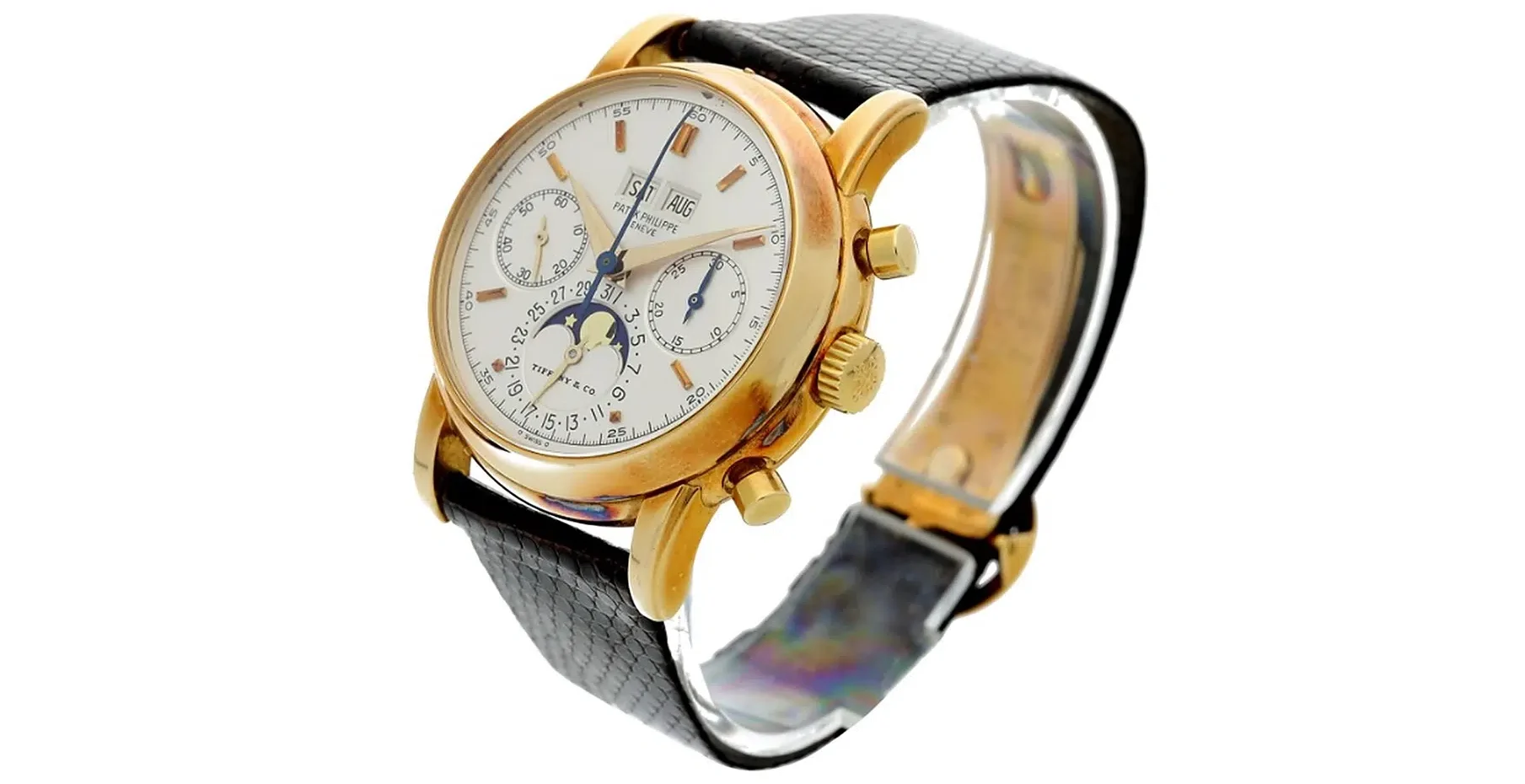
A Tiffany-signed Patek Philippe Ref. 2499 also demonstrated the continuing power of provenance and rarity. The Fourth Series example, dating from 1981 and described as only the second known with a Tiffany signature, sold for $818,600 in New York. A Cartier rectangular Ecran Mystery Clock from circa 1926 tripled its presale estimate to realize $564,500.
Yet the most enduring development was not any single auction record. It was the infrastructure Sotheby’s built around digital collecting.
Weekly watch sales were introduced across Hong Kong, New York, Geneva, and London, while single-lot auctions allowed exceptional pieces to receive concentrated attention. Sotheby’s also expanded its Approved sales, which included a one-year warranty, and developed a more immersive digital catalog experience using video, interactive content, and other forms of visual storytelling. A live chat function allowed potential buyers to communicate directly with specialists online, further reducing the distance between collector and auction house.
The company’s newly launched Buy Now marketplace pushed the idea even further. Instead of waiting for a scheduled auction, collectors could browse and purchase watches and other luxury collectibles throughout the year, effectively blending the immediacy of e-commerce with the expertise and provenance traditionally associated with an international auction house. Watches became one of the platform’s most active categories.
For Sotheby’s, the transformation amounted to far more than moving an auction paddle onto a laptop screen. Sam Hines, then Worldwide Head of Sotheby’s Watches, described 2020 as one of the most significant periods of evolution for watch auctions since collecting emerged as a serious category in the 1980s. The company’s response effectively rewrote how auction houses could connect with collectors around the world.
Years later, that shift looks less like an emergency adaptation and more like an acceleration of where the market was already heading. Digital bidding, remote participation, online-only auctions, and year-round purchasing are now deeply embedded in the luxury collecting experience. The ritual of the live auction has hardly disappeared, but it no longer has exclusive ownership of the excitement.
For collectors, perhaps that was the real legacy of Sotheby’s transformative year. The rarest watches in the world did not become less desirable when the saleroom doors closed. Instead, the audience around them became larger, younger, more international, and considerably more comfortable buying extraordinary pieces from anywhere in the world.
And once that door opened, the watch market was never quite the same again.