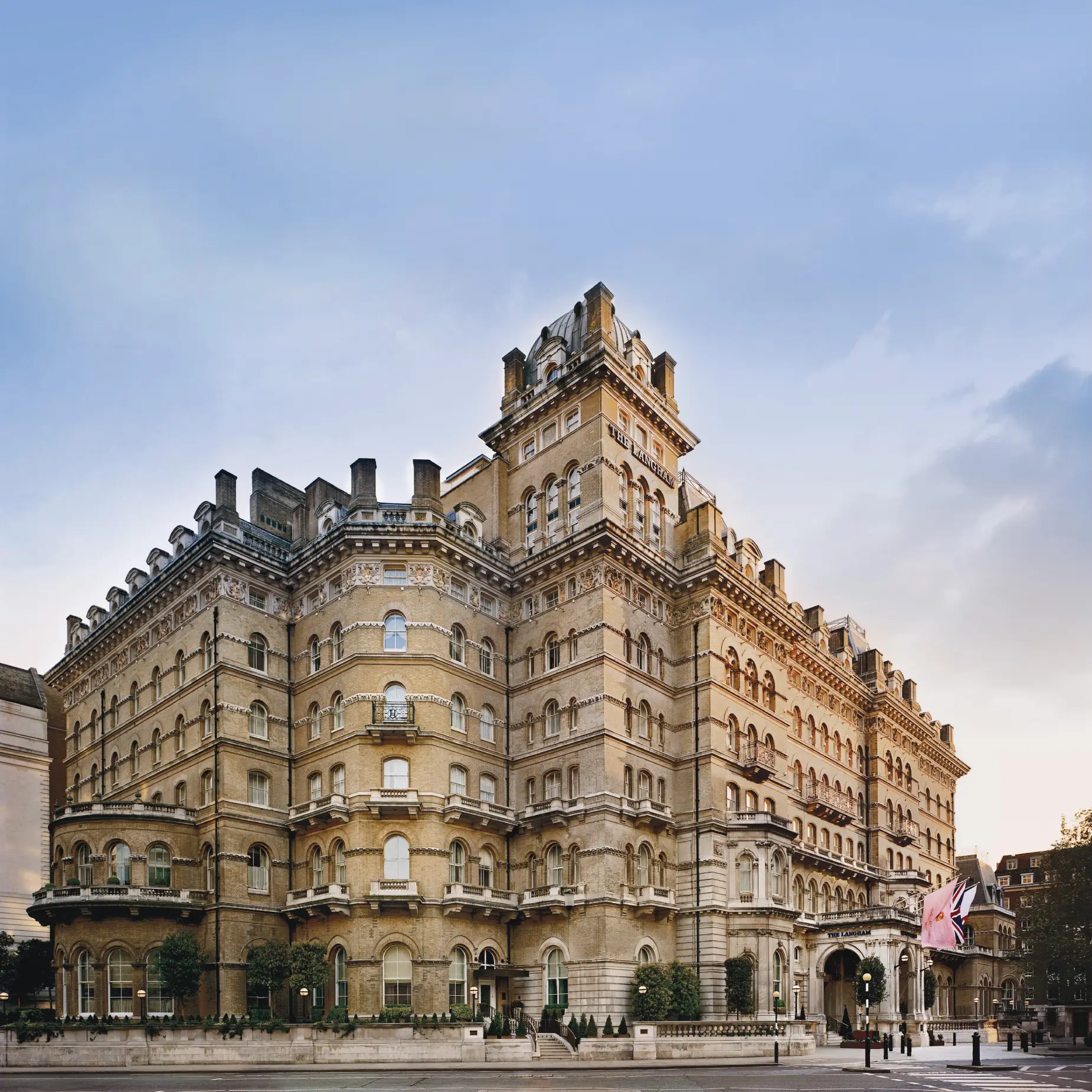
There are hotels that serve afternoon tea, and then there is The Langham, London, where the ritual feels inseparable from the building itself.
Opened in 1865 and recognized as Europe’s first “Grand Hotel,” The Langham helped usher in a new era of luxury hospitality, one built around exceptional service, comfort and a certain theatrical sense of occasion. More than 160 years later, the landmark property is allowing cameras beyond its polished public rooms for Inside The Langham: Britain’s First Grand Hotel, a six-part ITV series offering unprecedented access to the people and precision behind one of London’s most storied addresses.
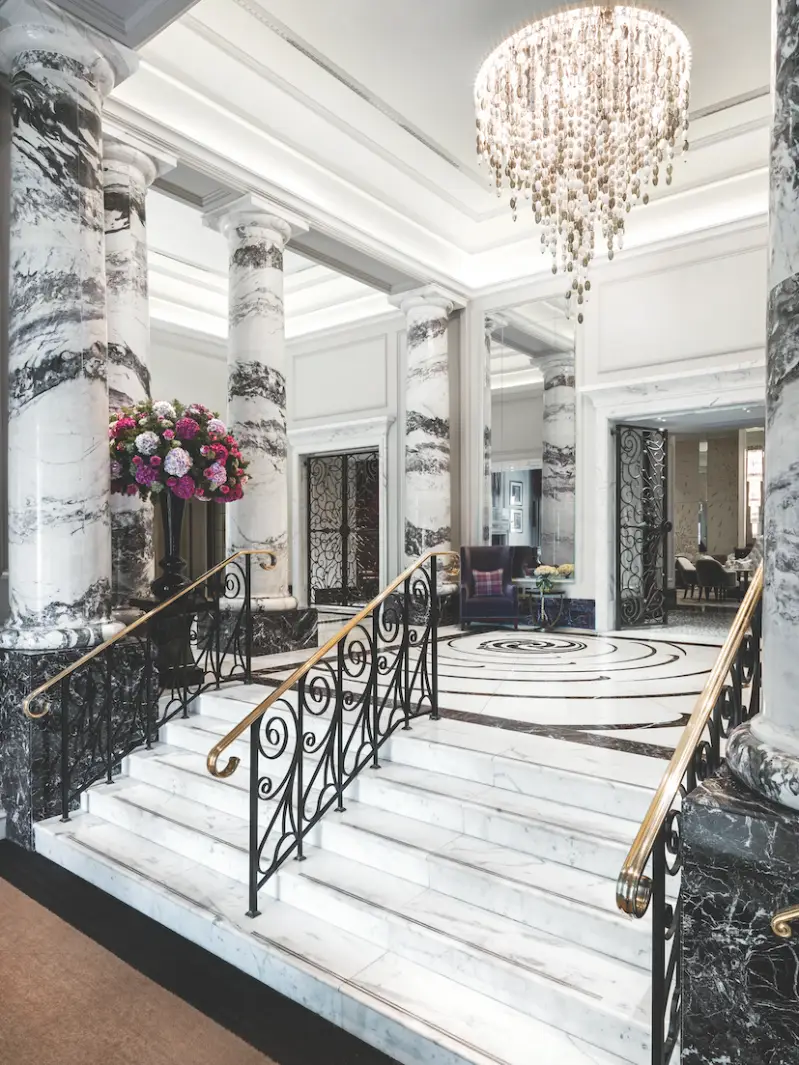
Filmed over ten months, the documentary ventures beyond the immaculate façade to reveal the machinery of grand-hotel hospitality: chefs orchestrating elaborate services, florists working through the night, engineers tending to the historic building and front-of-house teams ensuring that every detail appears effortless. The series premiered on ITV1 in July and is also available to stream on ITVX.
It is a fitting moment to look behind the curtain. The Langham has been celebrating its 160th anniversary, an occasion that brings renewed attention to one of its most enduring contributions to London life: afternoon tea.
Palm Court is considered the birthplace of hotel afternoon tea. When The Langham opened in 1865, it became the first hotel in the world to serve the ritual, transforming what had been a fashionable private custom into something guests could experience within the grandeur of a luxury hotel. Today, that heritage is still very much part of the occasion, although the menu has evolved considerably since the Victorian era.
For American travelers in particular, afternoon tea remains one of those London experiences that can feel almost irresistible: part ceremony, part indulgence and part time travel. At Palm Court, the setting gives the ritual an added layer of authenticity. This is not simply a hotel recreating an English tradition for visitors; it is a room that has spent generations helping define it.
The contemporary service balances that history with a more modern culinary sensibility. Finger sandwiches might arrive with Champagne cucumber, Highland smoked salmon, or aged beef sirloin with black truffle, followed by pastries with combinations such as jasmine and raspberry, matcha and apricot, and praline with blackcurrant. Classic and raisin scones, still warm from the oven, maintain the essential rituals of the experience with Cornish clotted cream and preserves.
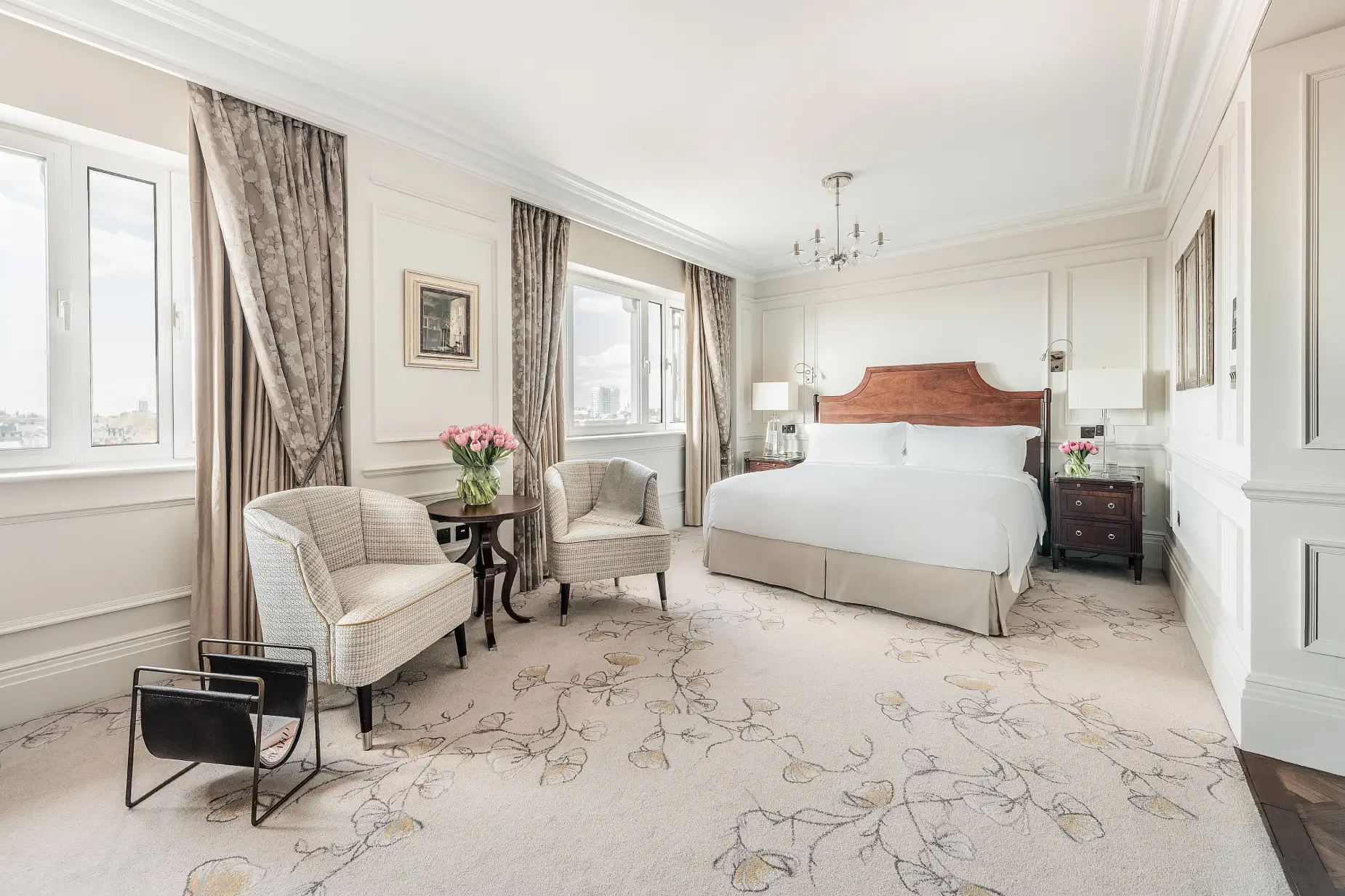
There is a sense of choreography to it all. Fine china appears. Tea is poured. Pastries arrive with architectural precision. Conversation slows almost instinctively. In a city that moves quickly, Palm Court has made an art form of asking guests to linger.
The documentary makes clear just how much work is required to create that impression of effortlessness.
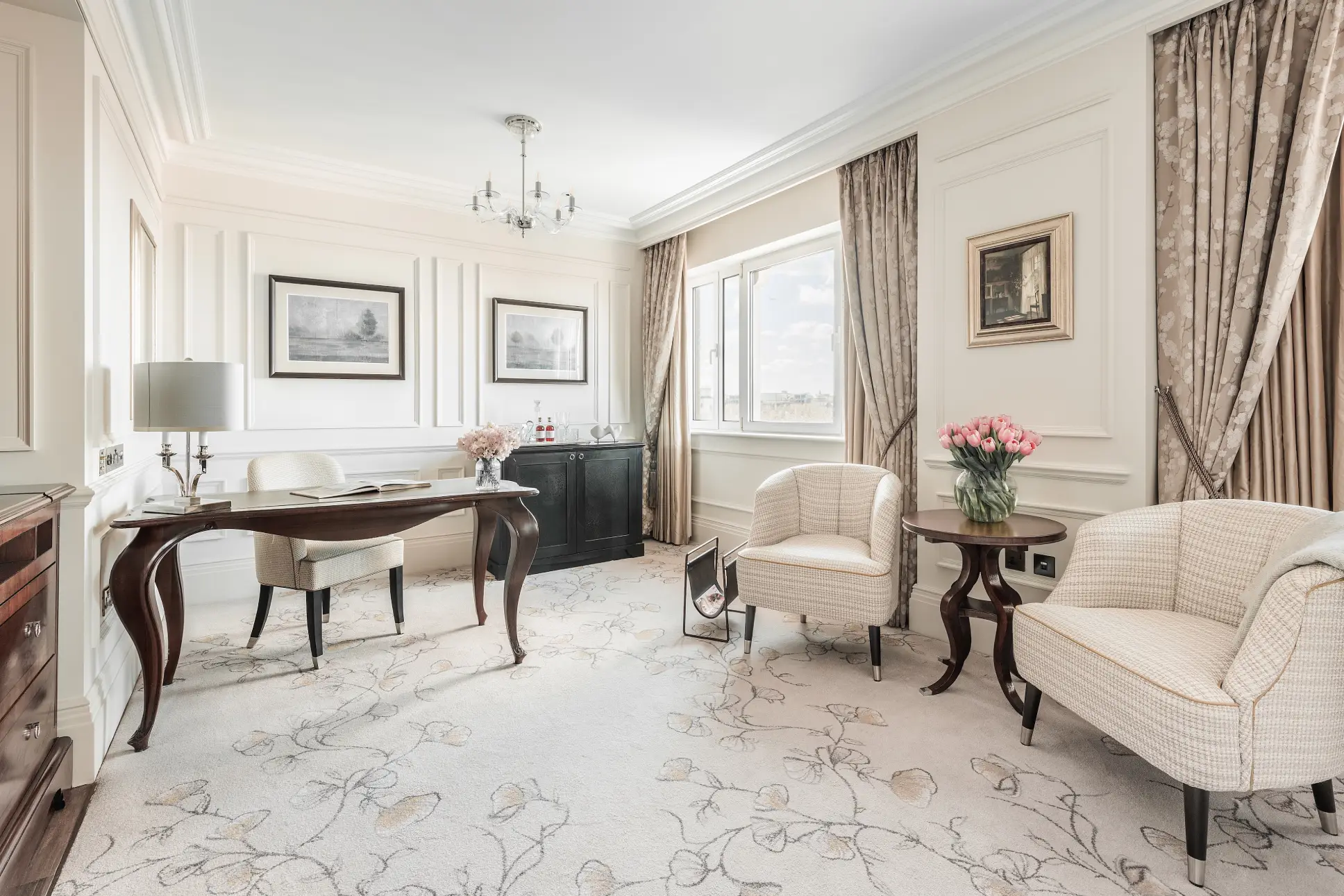
The Langham today encompasses 380 guestrooms and suites, along with restaurants, bars and culinary experiences overseen by Michel Roux. Its collection includes the award-winning Artesian bar, The Wigmore and Sauce by The Langham cookery school, while Chuan Spa adds a decidedly restorative counterpoint to the activity elsewhere in the hotel.
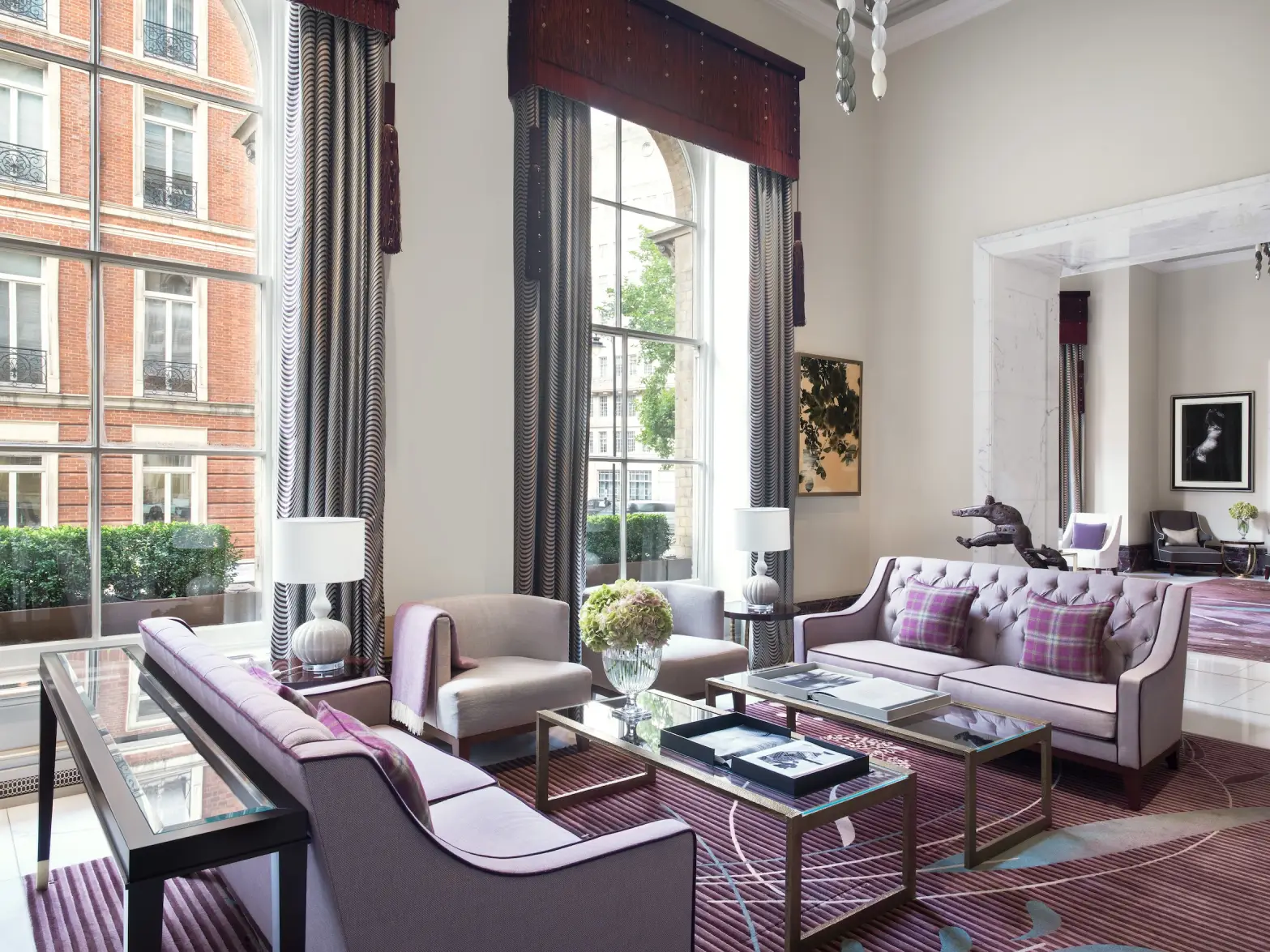
Across the six episodes, those spaces become stages for the daily dramas of luxury hospitality. Cameras follow everything from major dinners and grand weddings to culinary masterclasses, refurbishment projects and preparations surrounding the anniversary celebrations. One episode sees an executive sous chef coordinating five kitchens for a 250-guest charity dinner under Michel Roux’s watch; another follows the demanding preparations behind one of the hotel’s many elaborate weddings.
Yet the most compelling part of Inside The Langham is not the scale of the hotel or even its history. It is the people.
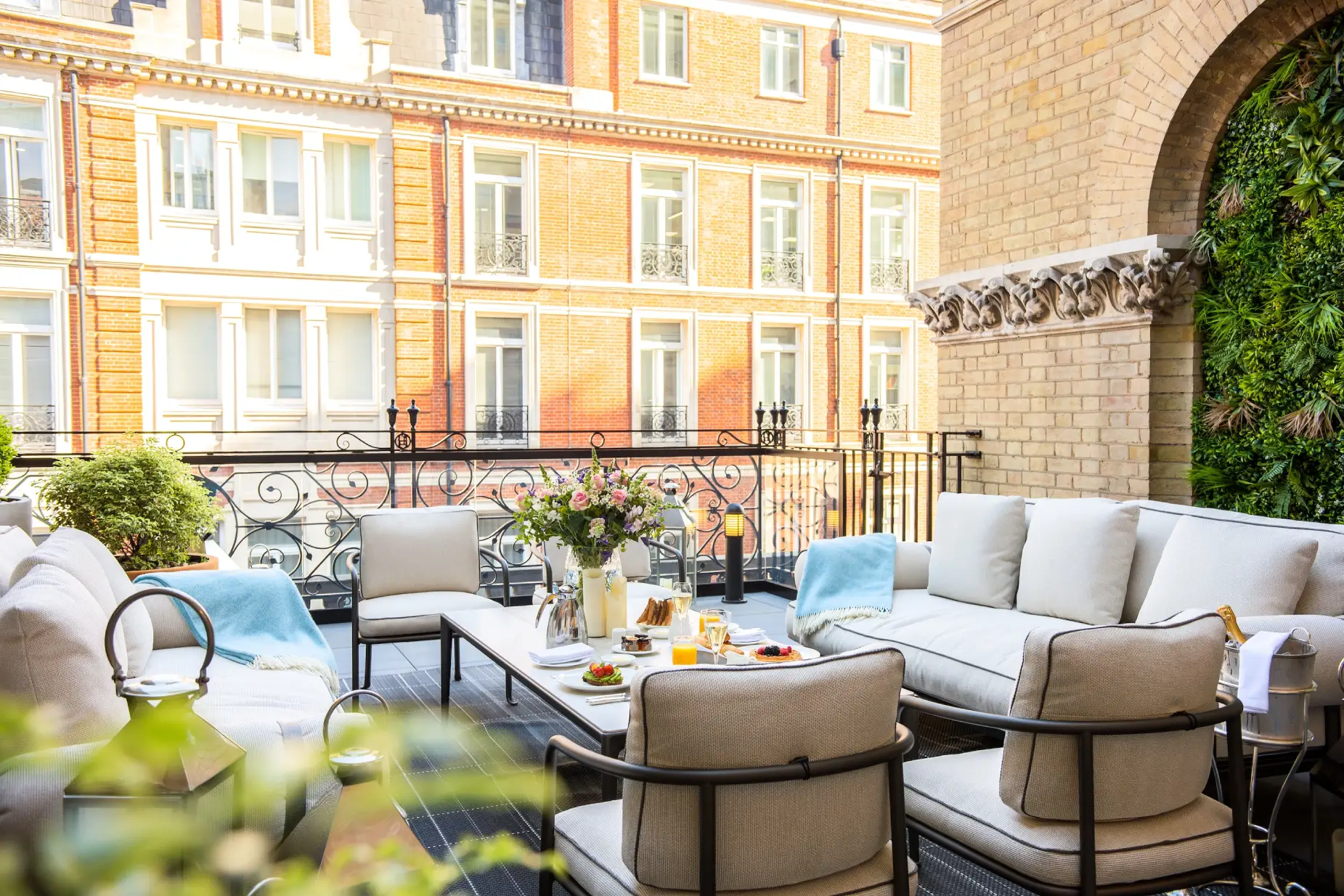
Luxury hospitality has always relied upon a curious paradox: the more complicated the operation becomes behind the scenes, the less the guest should ever notice. Florists, chefs, engineers, concierges, housekeepers, bartenders and service teams work within that contradiction every day. Their craft lies in anticipating problems before they reach the guest and delivering hundreds of small details with such consistency that the final experience appears entirely natural.
That may ultimately be the most revealing lesson of the series. Grandeur can be designed. Marble can be polished, menus refined and suites renovated. But the character of a great hotel is created by the people who understand that true luxury is often found in the details a guest never has to ask for.
For travelers planning London, the documentary offers an intriguing preview of the institution behind the famous pink branding and Regent Street address. Watch the cameras venture behind the scenes, then experience the hotel from the opposite perspective: seated beneath the elegance of Palm Court, tea poured, scone in hand, enjoying one of Britain’s most enduring rituals in the hotel that helped turn it into an icon.