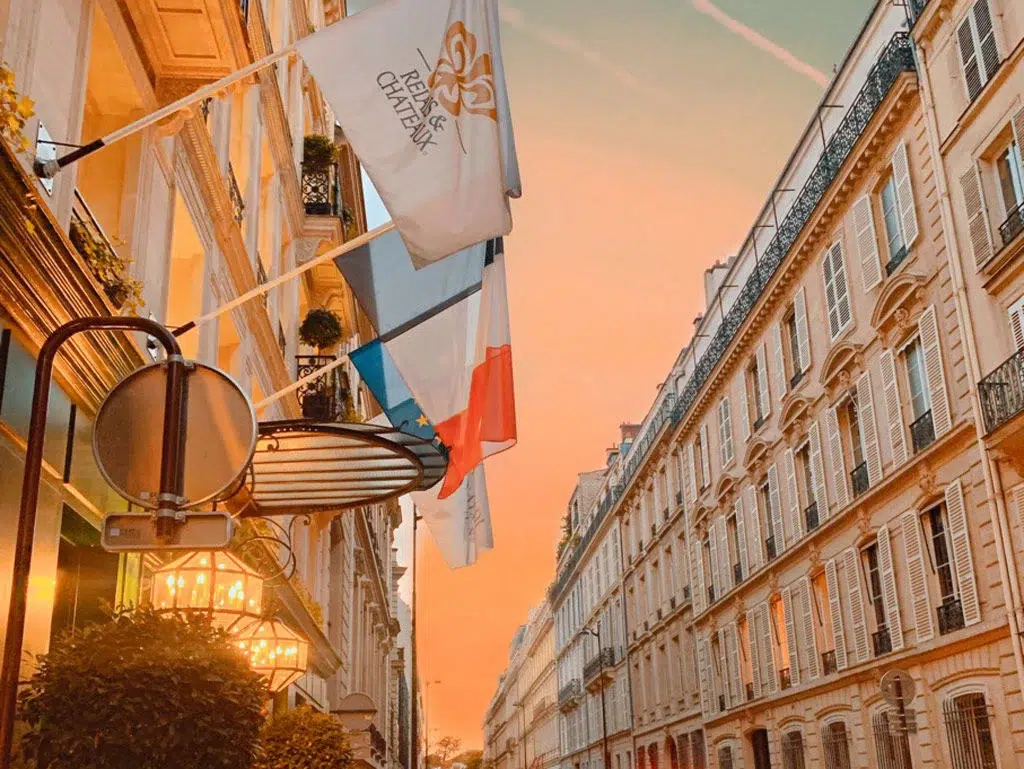
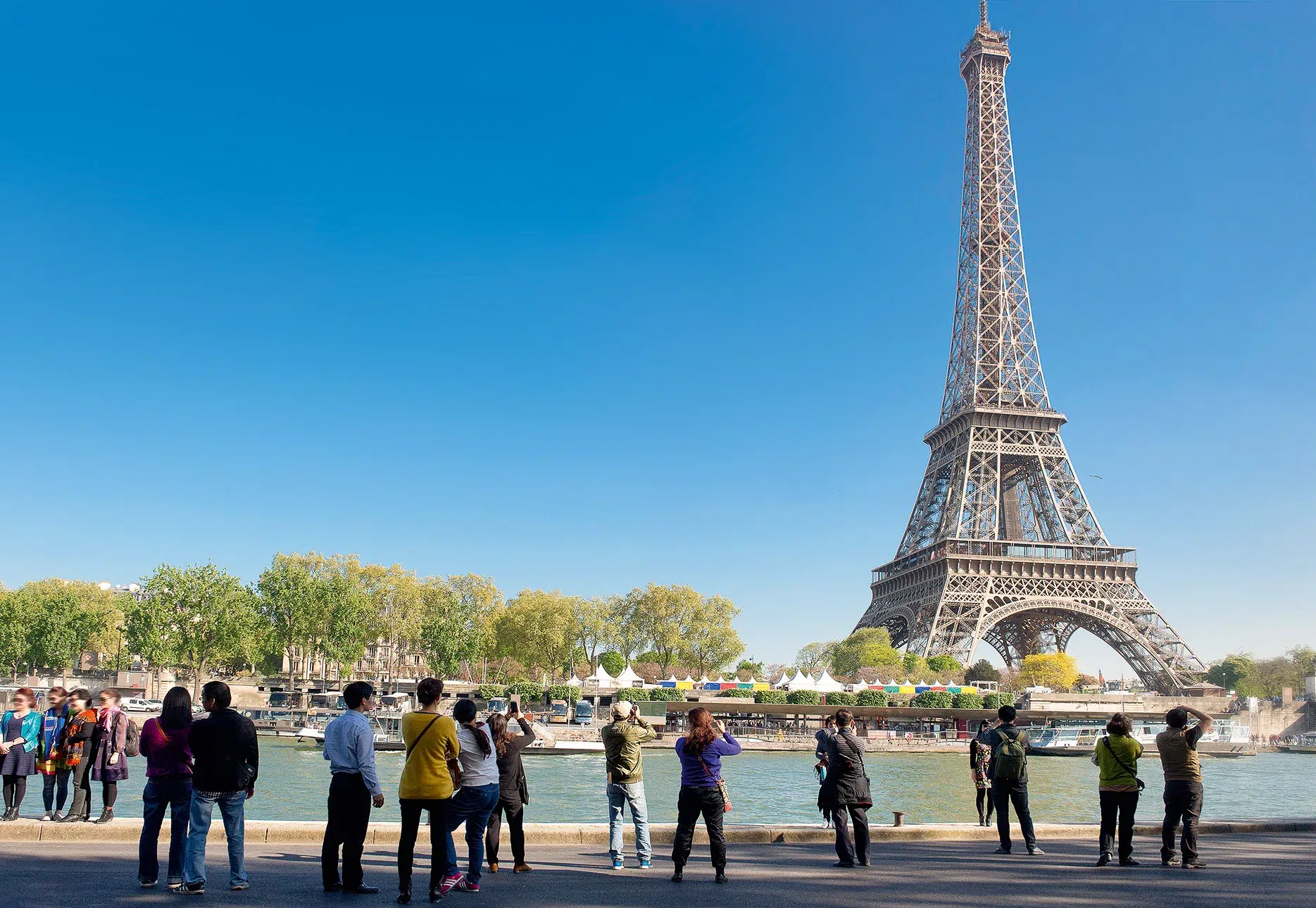
I’ve been coming to Paris for 50 years, and ever since my first visit as a teenager, various strong recollections and images of Paris have firmly imprinted themselves upon me. The intricate silhouette of the Eiffel Tower, the solemn façade of Notre-Dame, the iconic glass pyramid of the Louvre Museum. On my return, it all came straight back to me: the entire city coated with an unspoilt uniform of white facades with their grey steep-slated Mansard roofs and wrought-iron Juliet balconies. Cafés on angled street corners with rattan bistro tables and chairs. The banks of the Seine with ordered rows of buildings so magically offset by nature’s plane and chestnut trees.
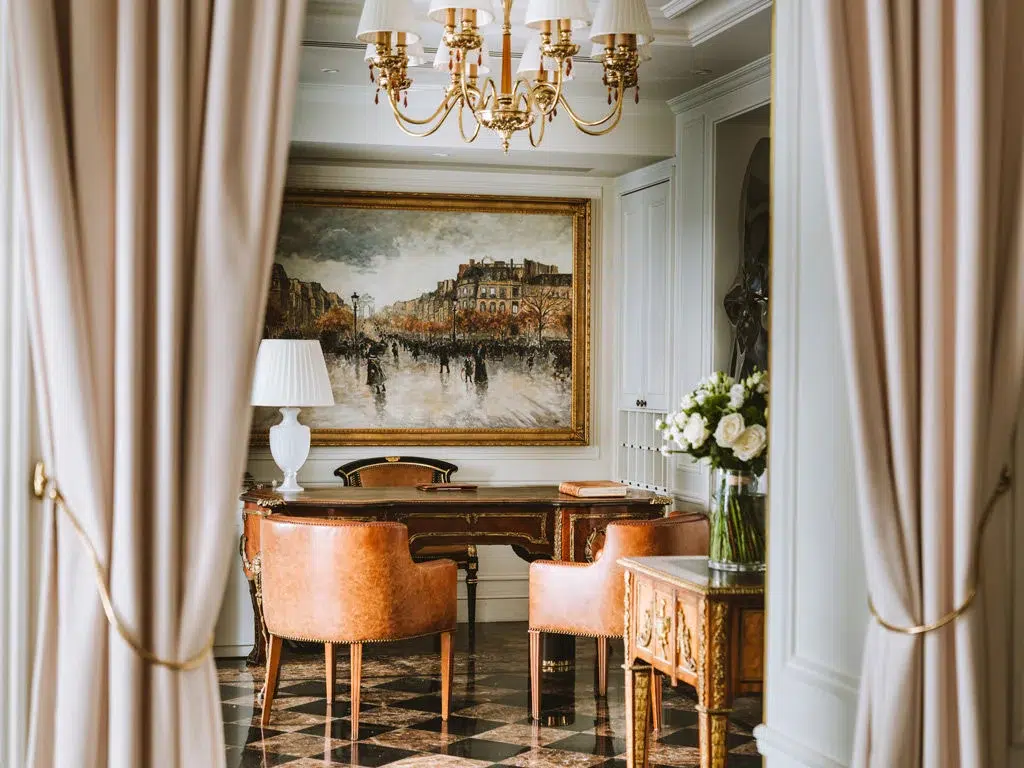
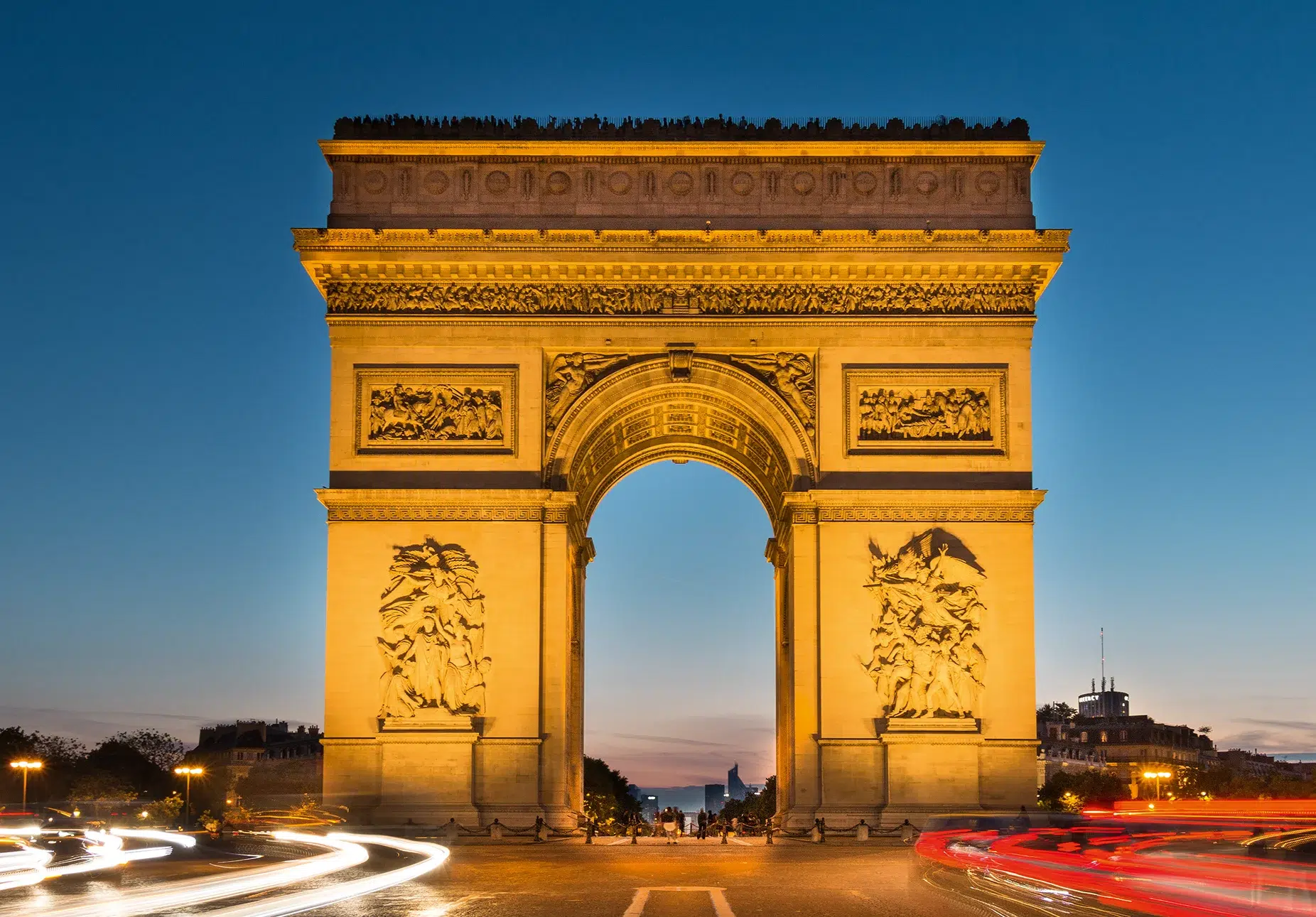
I stayed first in the heart of the 8th arrondissement at Hotel Splendide Royal, with the French president living just around the corner at Palais de l’Élysée. It’s just a stroll from the Avenue des Champs-Élysées and Arc de Triomphe. It’s part of the Roberto Naldi Collection as well as the Relais & Châteaux brand. Within the emerald-green façade and discreet entrance is a warmly lit, marble-floored reception. It felt like a private 19th-century residence. There are white marble busts and charming gilt-framed Impressionistic paintings of Parisian street scenes. Such an opulent boutique hotel. Small yet with a real heart. So intimate, safe, and quiet a bolthole. Truly Splendid! Of the twelve generously proportioned luxury suites, my balcony offered my morning present: the looming Eiffel Tower. There were opulent gilded touches everywhere: from the framed bed to the furnishings and picture frames. With floor-to-ceiling windows, stunning glass side lamps with silk shades, and an extensive bathroom, it all felt airy and luxurious.
Opposite the drawing room and bar, nicknamed ‘La Loggia’ and with its own street entrance, is Tosca: the hotel’s Italian restaurant. Such an atmosphere as I unravelled the curtains to experience the calming and neutral décor. Chandeliers, mirrored walls, and plush banquettes. The olive oil came with a kick, the cod with subtle citrus flavours creatively presented by chef Paolo Ambrogio. This hotel is a little treasure: non-corporate, quiet, and, for those in the know, so romantic. And now you know!
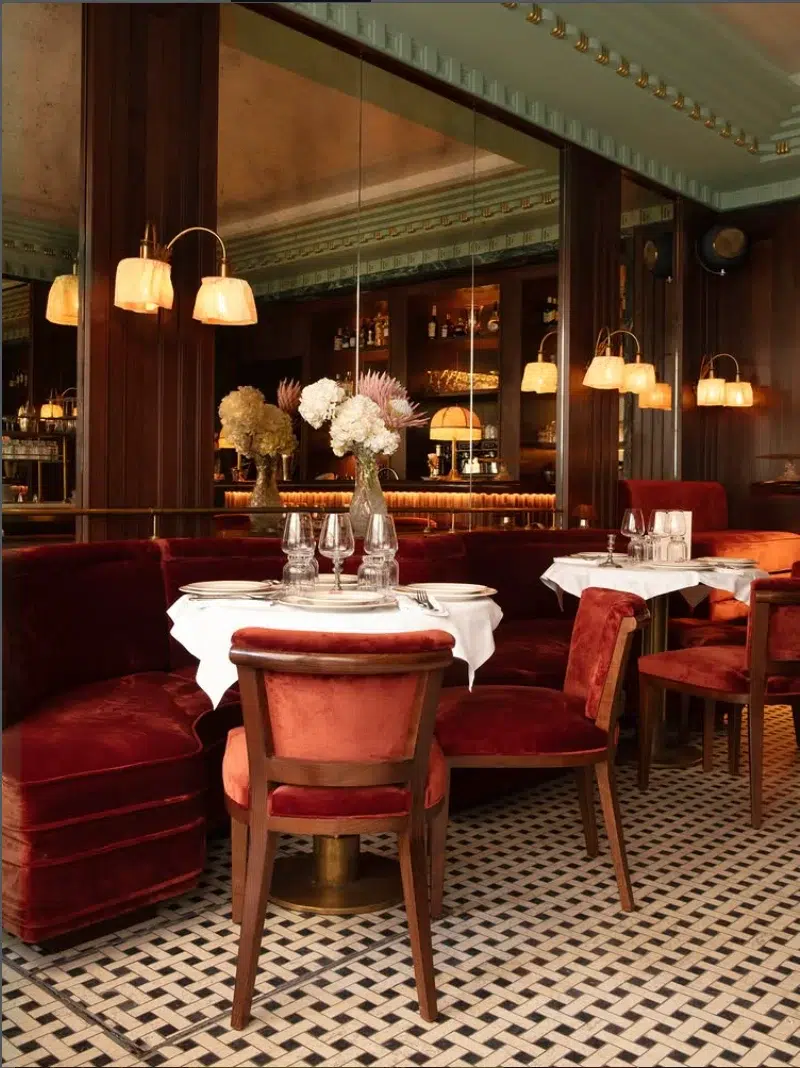
Close to the Champs-Élysées is Maison François Ier. It offers the typical Parisian brasserie experience. The elegant frontage set the tone for its refined interior, generous seating, and snug and convivial vibe. Mottled mirrors and long velvet banquettes encompass a dozen tables. Characterful window seats hosted locals whose popularity is always a good sign. I enjoyed my first-ever yoke-free white omelette. I felt looked after rather than observed. Indeed, this classic French bistro cuisine is a winner: well-priced, authentic, and atmospheric. In the same area but for a different experience, I recommend Le Maresquier. It’s set in Place St. Augustin, a lovely square behind the Parthenon-like La Madeleine. The dimly-lit vibe pervaded the Burgundy-coloured set of rooms. The mahogany wood, the evident wine cellar, and the pianist all suggested the joyful option of a deep, long evening. There’s an easy rhythm to the service. From the traditional French menu, I recommend the sea bass carpaccio with the chicken supreme with morel mushrooms to follow. Le Maresquier has a quiet and authentic sophistication.
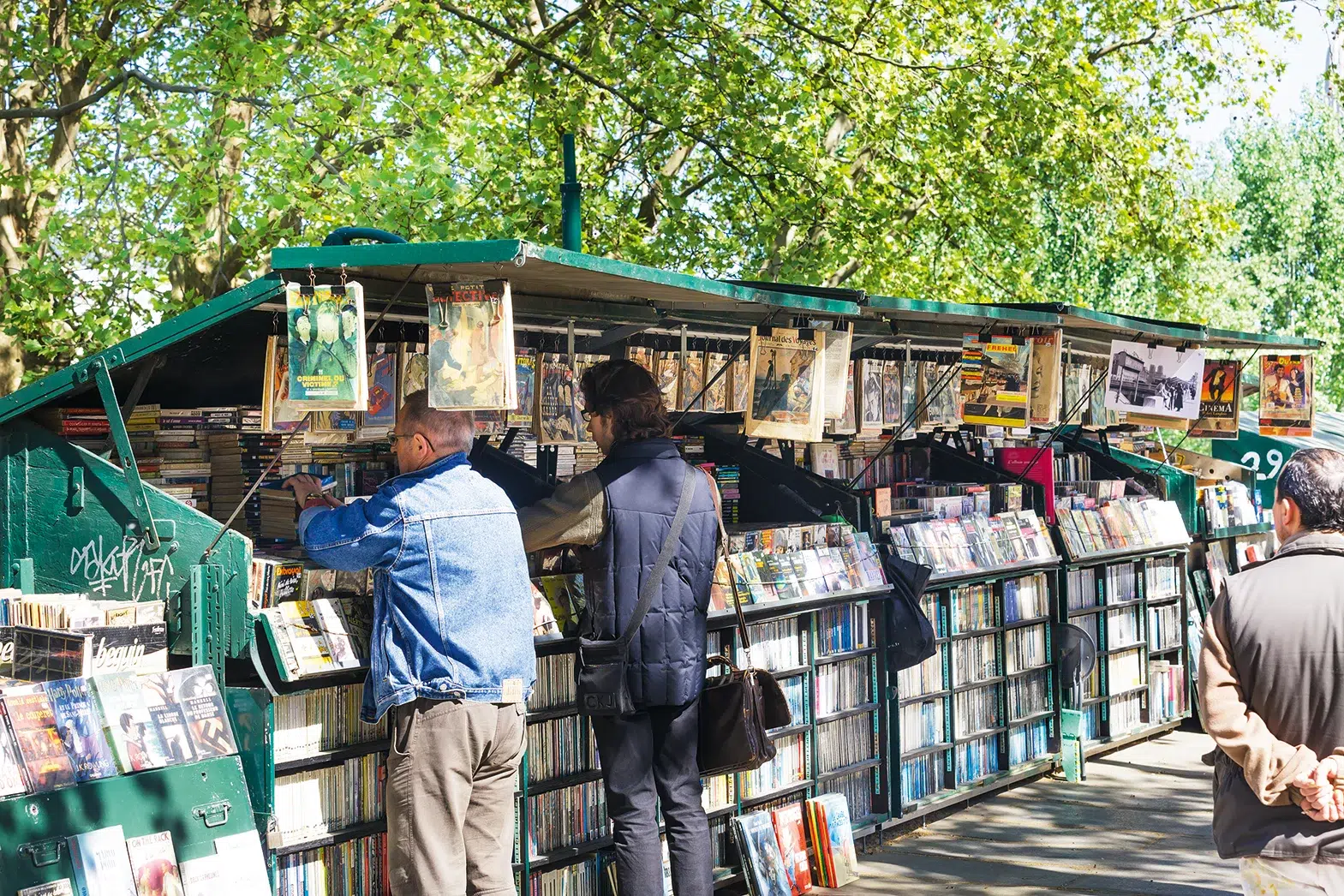
Paris is best experienced on foot. It enlivens the senses. As I walked along the banks of the river Seine, I felt as though I were moving through a painting. The iconic ‘bouquinistes’ (the historic, second-hand booksellers operating from green, locked boxes) opened their secret cabinets of memory. The water mirrored the sky in shifting tones of silver and blue, so memorably captured by the Impressionists.
All the boutiques are immaculate with fantastic presentations. Ladies, take your man to the Fragonard museum, where, having gained an understanding of the process of making scent, he can descend into the gorgeous shop to make a purchase. Likewise, I recommend, for ceramics and vases, Astier de Villatte on Rue Saint-Honoré. Elsewhere are specialist artisan shops in the 7th arrondissement with work in progress in evidence, such as musical instruments and jewellery.
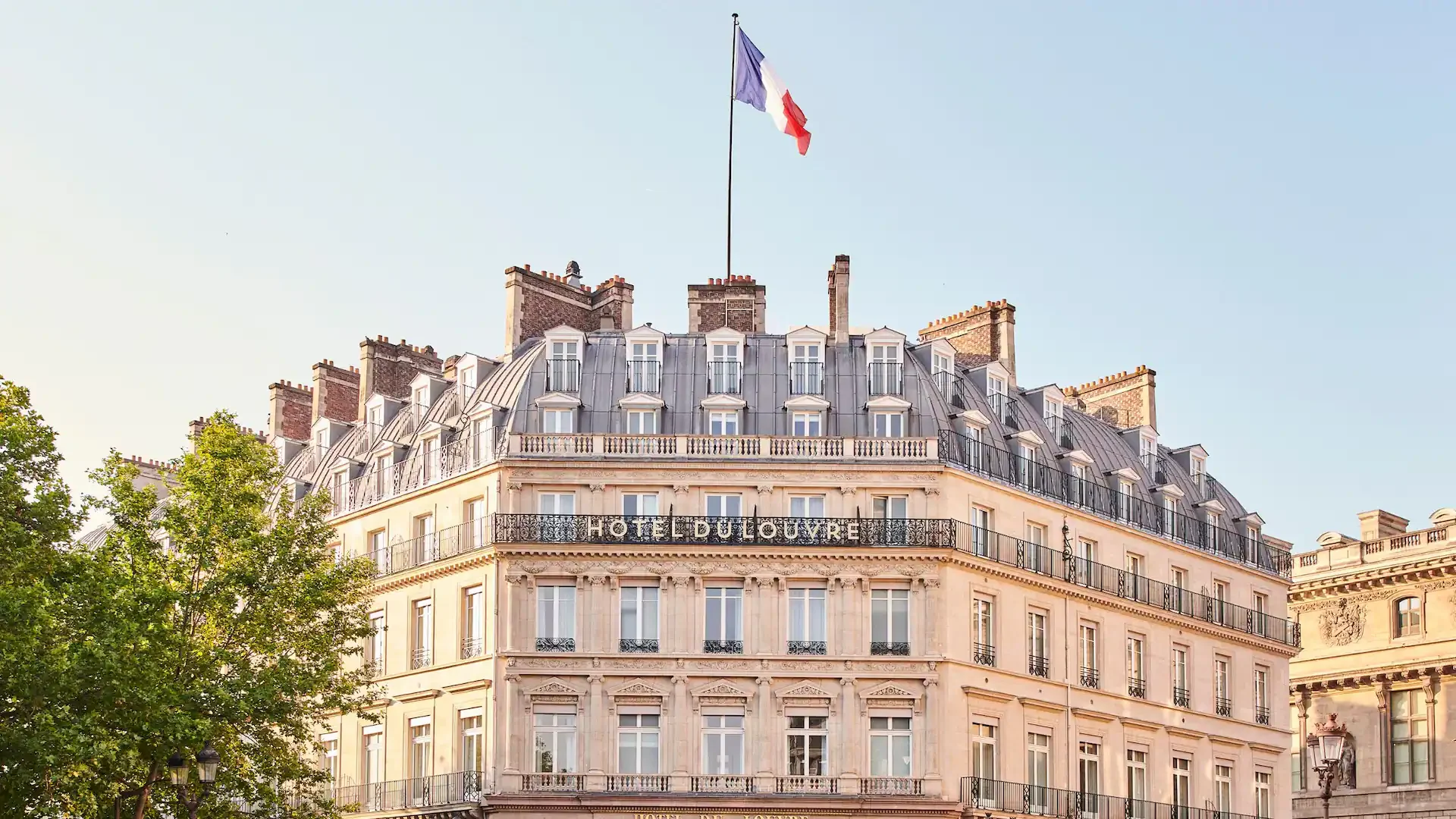
I stayed next at Hôtel du Louvre. It’s part of The Unbound Collection by Hyatt (the luxury lifestyle collection). It’s right by the Opera Garnier, Palais Royale, and the Louvre. Built from Napoleon III’s wish to revamp Paris with ‘grand hotels’, within are old foyer columns and a crisp, modern interior. A signature variety of colourful artworks pervades along mosaic floors and spacious stairwells. At its heart, and very much the hub of the hotel, is the authentic glass-roofed conservatory bar. Of the 164 rooms and suites, I recommend the first and second floors for having the highest ceilings. Mine felt so fresh, light, and uplifting. Such fabulous finishing and all delicately designed with calm, neutral, and contemporary white walls, blue highlights, and artisan lamps. After a long day, it was perfect to saunter downstairs to the hotel’s brasserie. My view looked onto the bustling street as I watched the world go by. In this spacious square room, Edith Piaf’s songs were being sung as I tucked into the joyful art of French dining. So elegant and convenient, this hotel is in the very epicentre of sightseeing choices.
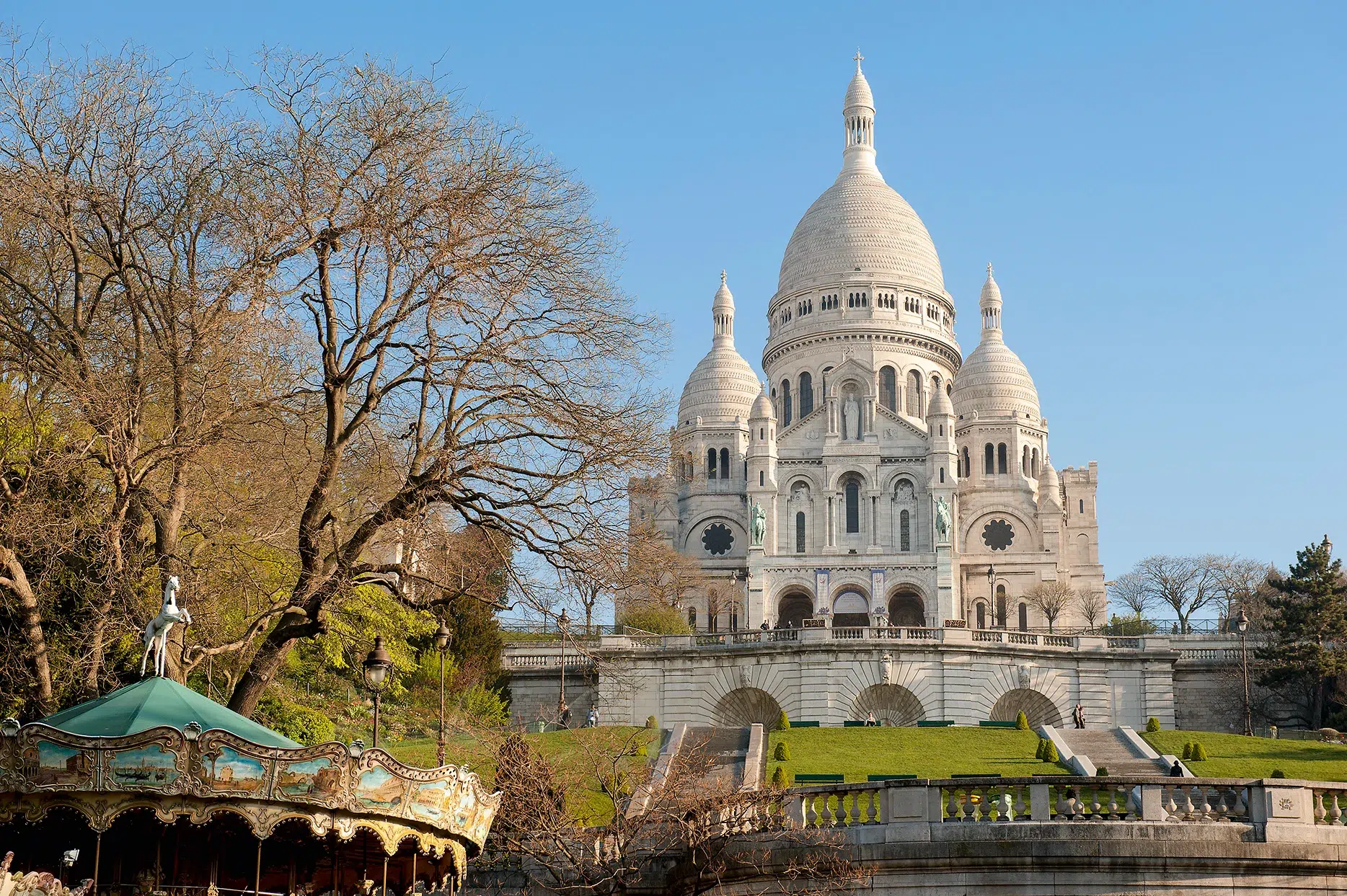
One afternoon, I climbed the hill of Montmartre and stood before the white domes of the Sacré-Cœur Basilica. The city spread beneath me in a vast panorama of rooftops and chimneys. Street artists were sketching portraits. I thought of figures like Picasso and Piaf, who once walked these same streets, transforming hardship into art. I felt, briefly, as though creativity were not reserved for geniuses alone but available to anyone willing to look closely and feel deeply. Indeed, both have their own personal museums in Paris, as do Gainsbourg, Delacroix, Rodin, Maillol, and Dali. The extensive Picasso Museum in the Marais is beautifully housed, displaying the artist’s diverse, innovative, and prolific works.
Nearby, beside Les Halles (in the 1st arrondissement) within this eponymous hotel, is Kitchen by Madame Rêve. For those who appreciate interiors, the dramatic space, the high frescoed ceilings, and large windows evoke the grand Parisian cafés of the Belle Époque. Such sumptuous autumnal amber, gold, and yellow. It felt less like a formal dining room, more a stylish hub attracting a crowd of mixed ages. Here I loved my mushroom and hazelnut ravioli with its ginger broth. So stylish a restaurant. So restorative an experience. Down a groovy walkway, in the same hotel, and up a 3rd floor lift to La Plume, a low-lit garret with an uber-cool, trendy vibe. While some sat outside under canvas, I sat within in my leather chair and marble table to face the moody flying buttresses of Saint-Eustache. From this blend of Japanese and French influences, I loved my roasted duck with ginger barbecue sauce. Familiar flavours presented in new combinations. How cool afterwards to step up to the vast panoramic view across Paris’s rooftops with the Eiffel Tower and Montmartre vying for prominence. Rive Droite was printed on La Plume’s logo, and clearly Rive Gauche was put in its place.
I sensed the resilience beneath the beauty. Paris has endured revolutions, occupations, fires, and reinventions, yet it remains luminous, this “city of light”. I was merely passing through, yet the city had been shaping itself for centuries. For me, visiting Paris wasn’t about checking landmarks from a list. It was about entering a rhythm: a slower, more attentive way of being.
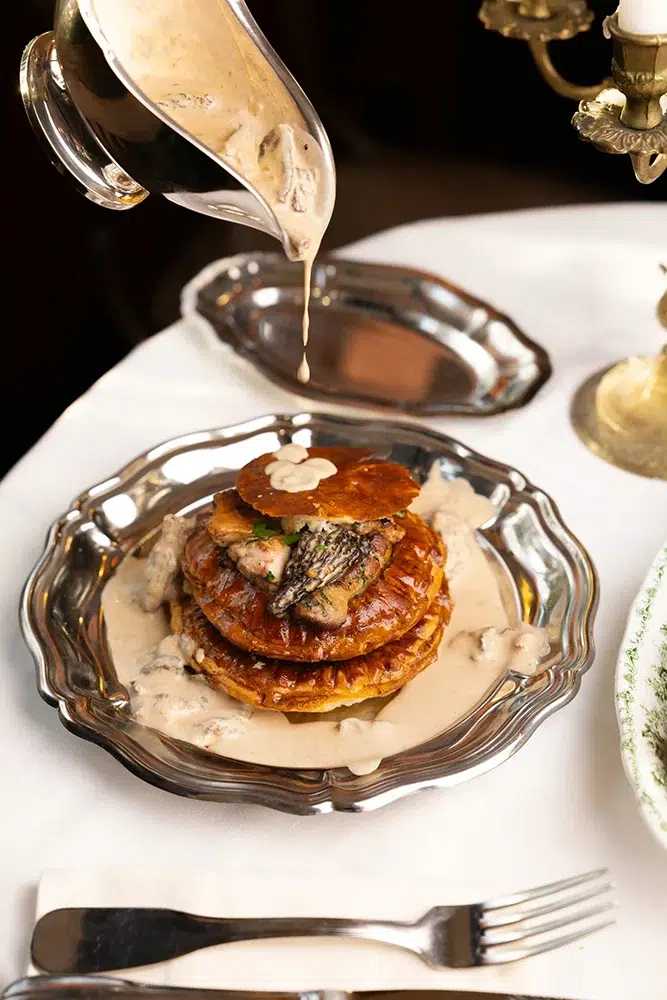
Right beside the double attractions of Palais Galliera and Palais de Tokyo in the 16th is Restaurant Margaux. How authentic for here over my white lace half-curtains, I peered mesmerically at the Eiffel Tower just across the river. How atmospheric for here, amongst a very French crowd, I watched wedding guests in full celebration. Such quiet sophistication with its dark polished parquet floor and chairs offset by white bistro tables. The food was beautifully presented and very reasonably priced. I recommend ‘poireaux vinaigrette au vieux xérès’ followed by‘tartare de bœuf charolais au couteau’.
Yet what moved me most were the rituals. Each morning, the baguettes, though not the cluster of onions! In the Jardin du Luxembourg, I sat by the fountain and watched beret-sporting Parisians with their children sail toy boats while elderly men played chess with solemn concentration. Time seemed to soften there. I felt no urgency, only presence.
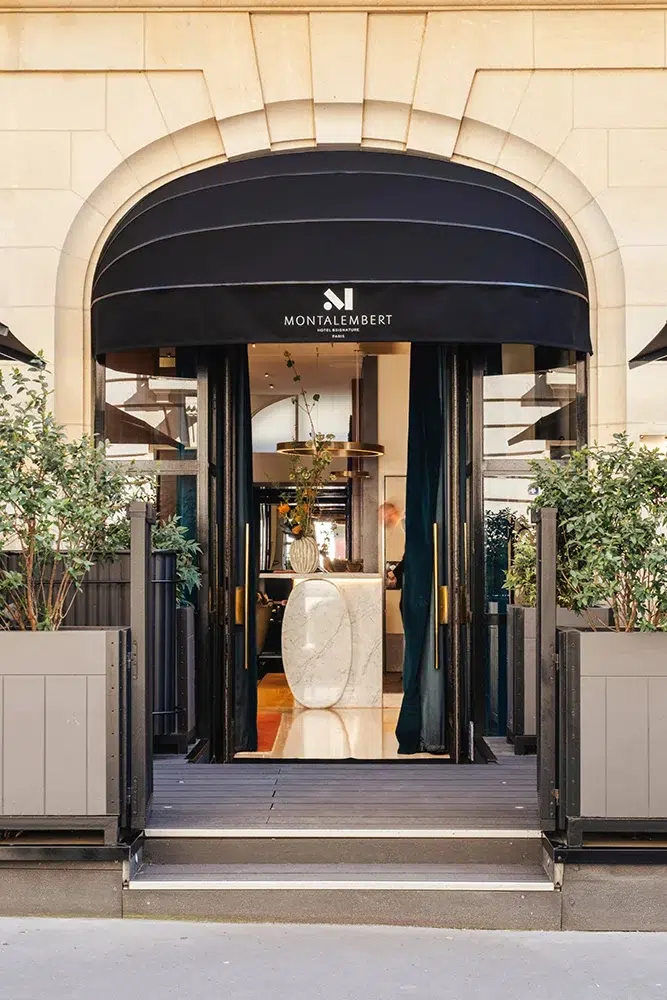
Perfect after the ‘must-see’ Musée d’Orsay, the former railway station that now houses fabulous Impressionist art, is the restaurant at Hôtel Montalembert. Contemporary chic with a warming fire and thoughtfully spaced marble tables and velvety chairs, the dishes from its confident menu arrived composed and elegant. The best French onion soup I’ve ever had. ‘Lounge meets lunch’ in a nutshell. And so restorative before the boutiques along Rue de Bac.
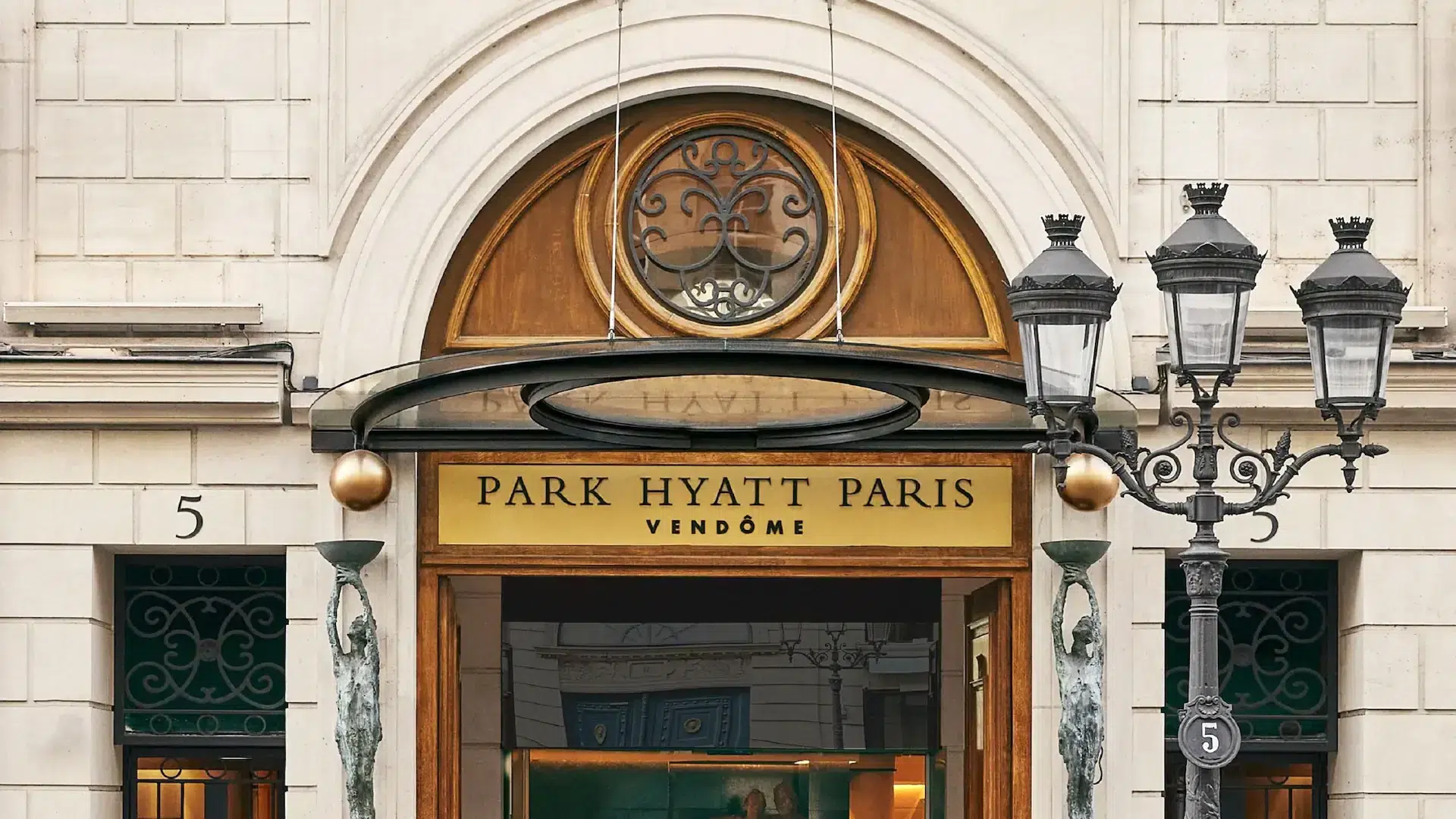
Lastly, I stayed at Park Hyatt Paris-Vendôme. It’s right opposite the jewellers De Beer, Cartier, and Tiffany on the rue de la Paix and close to the fashion houses on Rue Saint-Honoré and the department store of Galeries Lafayette. Maintaining its original façade, there’s a wonderfully refined atmosphere and a strong sense of exclusivity.
5000 delightfully expressive bronze figurines adorn the entire hotel. Down the golden-lit ‘infinity corridor’ of mirrors, itself a work of art, to my sumptuous room. More artisan and styled than its sister Hyatt Hotel du Louvre, it’s all about the use of light and mirrors. So ambient with its warm, neutral, and gold palette. The plushest of carpets, the most luxurious of textures and fabrics, the finest of finishing. Café Jeanne Restaurant was the heart of the hotel with its glass roof and mirrored concave bar resembling a glittering oyster shell. A confident menu flowed freely at this all-day brasserie. There’s also Pur, a Michelin 1-star restaurant for gourmets and Spa La Mer, immaculate and tranquil, for luxuriating. There’s even ‘Park’, a quarterly magazine expounding what’s ‘au courant en Paris’!
For ‘takeaway tips’, do ensure you book things in advance. Some places even require timed tickets, certainly at the Louvre, where, for all the exceptional art on view, there are three different queues to confront. They all come to see the Mona Lisa, so it’s hard even to see that famous enigmatic smile. My Bateaux-Mouche (water ferry) sadly didn’t reach the most scenic part, namely, the two islands. There are ranks for taxis that can also be hailed. Don’t, however, reserve one on leaving a restaurant, as you can get a hefty surcharge. Best with everything to consult the hotel concierge.
Long after I returned home, I found myself recalling the shimmer of the Seine, the solemn hush of the Louvre, the quiet strength of Notre-Dame. Paris did not feel finished. It lingered within me. A life-long love affair.