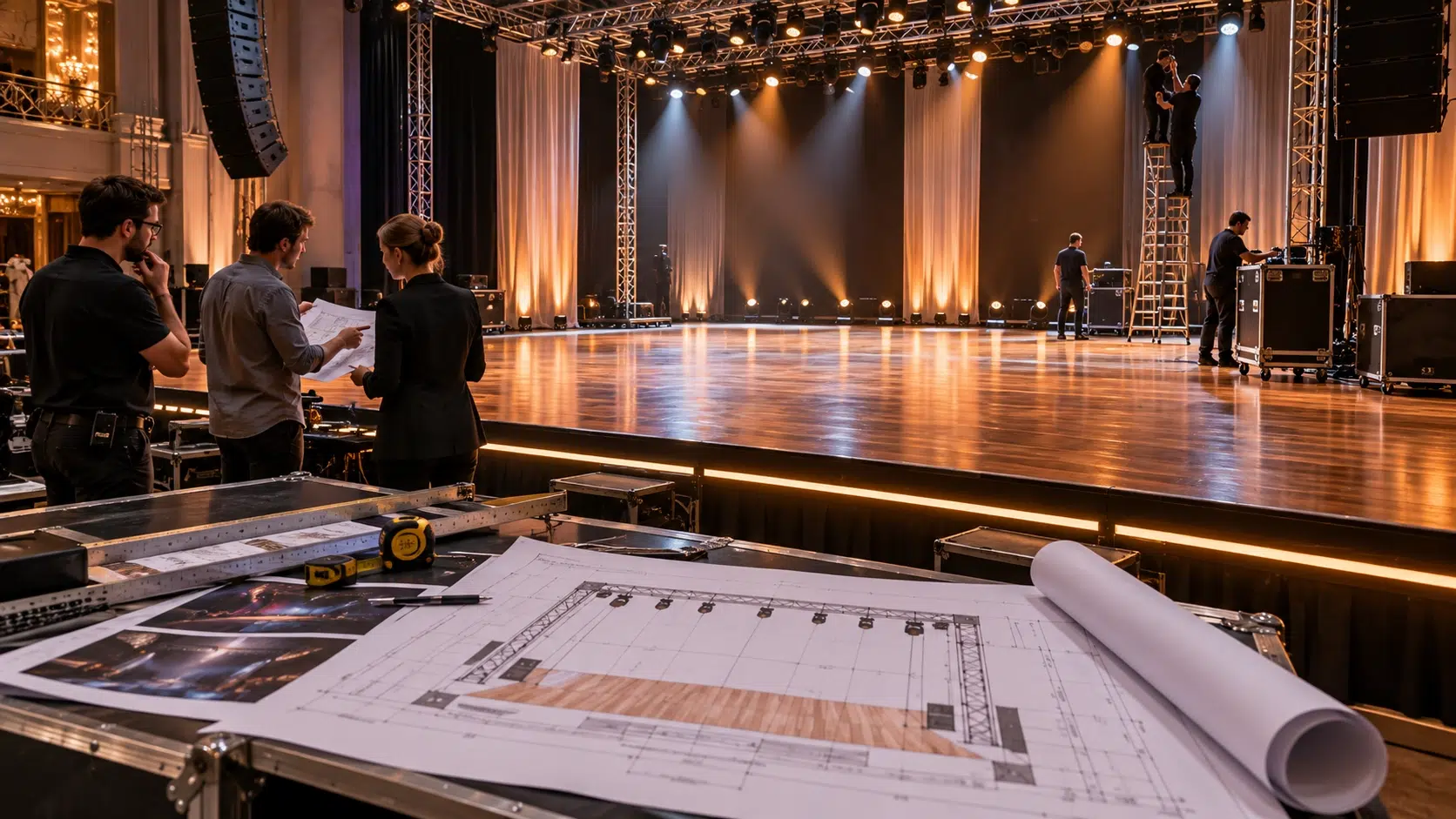
Dancers put hard work into every single step. They jump high and land hard on the floor during practice. A good stage protects their bodies from painful injury.
Building a great space takes careful thought and planning. Every detail matters for full performance and comfort.
A solid setup gives artists complete confidence every day. Dancers can leap high without fear of falling.
The right floor setup makes every movement feel smooth and easy. Planning ahead saves valuable time and protects every performer.
Continue reading to discover everything you need to know!
Understanding Shock Absorption
Jumpers hit the ground with massive force on every landing. Solid concrete floors push that force right back into the body, and this hard impact hurts ankles, knees, and lower hips. A bad surface leads to constant pain for performers.
Sprung floors cushion every single landing with great care. Special rubber pads sit underneath the wood boards, and these pads absorb heavy impact force instantly. Dancers stay healthier and dance much longer on soft bases.
Good energy return gives dancers extra bounce on every jump. The surface absorbs impact, then returns energy gently, and this balance keeps muscles fresh during long daily practices. Performers feel less tired after hours of dancing.
Selecting Proper Surface Materials
Performers rely on solid footing during fast dance routines. Dancers require supportive stage flooring to perform moves with complete safety. Smooth surfaces prevent slips and trips during big jumps.
Good choices keep performers moving without fear of falling. Vinyl rolls offer excellent grip for modern dance moves. Wood planks suit tap dance and ballet turns best.
Every dance style needs a distinct surface type for safety. Choosing the wrong materials leads to dangerous slipping or sticking. Top layers must resist deep scuffs and surface scratches.
Heavy shoes create severe wear after long use on stage. Durable materials look great after years of constant use. High-quality surfaces keep performers safe every single day.
Subfloor Design and Construction
Subfloors act as the hidden foundation for the top layer. Plywood panels rest on flexible rubber blocks beneath the boards. This clever design creates natural spring underfoot during jumps.
Air gaps allow the structure to flex naturally.
- Soft rubber pads
- Strong wood panels
- Clean dry layer
- Solid base frame
Managing Dampness and Humidity
Water ruins wood floors faster than heavy foot traffic. Damp air makes wood planks swell up. High humidity causes ugly warping along long board edges.
Dry air causes deep cracks in natural wood surfaces. Sealing the space prevents major water damage inside rooms. Plastic sheets under subfloors block ground dampness completely.
Good ventilation keeps fresh air moving across the room. Stable indoor air keeps wood flat and straight always. Spills must get wiped up right away without delay.
Standing water destroys top coats quickly and causes damage. Daily checks help spot liquid leaks early. Proper dampness control preserves performance spaces for many years.
Stage Size and Room Layout
Dancers require plenty of room for big sweeping leaps. Small spaces limit movement and cause bad collisions. Wide open stages allow large groups to move freely.
Planning space correctly improves full team performance shows. Offstage areas matter just as much as main performance zones. Dancers need safe pathways behind thick backstage curtains.
Props and extra gear require organized storage space nearby. Clear side pathways prevent chaotic backstage accidents during shows. Audience sightlines guide main stage placement inside the hall.
Guests want clear views from every single seat available. Higher stage height helps crowds see detailed floor work easily. Good layout design makes shows enjoyable for every viewer.
Choosing Portable or Permanent Stages
Permanent stages suit dedicated studios and large theaters. Built-in floors offer top-level stability and quiet steps. Custom builds fit rooms perfectly from wall to wall, and fixed structures handle heavy daily use with total ease.
Touring groups need quick stage setups on the road. Modular decks snap together in a short time. Light frames make transportation simple between venue locations.
Portable options give high flexibility for traveling dance shows.
- Fast setup frames
- Heavy-duty decks
- Simple locking pins
- Light metal parts
Lighting and Visual Design
Bright lights help performers see floor edges clearly. Dark shadows on stage cause dangerous trips during routines. Overhead spotlights must shine evenly across main performance areas, and proper light layouts make the look clean and sharp.
Floor colors affect visual impact under bright overhead lights. Light surfaces reflect overhead lights into audience eyes. Dark matte surfaces absorb excess light without annoying glare, and choosing non-reflective finishes improves visual quality for viewers.
Light fixtures require strong ceiling mounts for total safety. Loose equipment creates serious hazards directly above dancers. Cable covers protect wires running along floor borders, and clean cable management prevents tripping accidents near stage edges.
Acoustics and Sound Control
Tap dancing relies on clear, crisp audio during routines. Hollow floor construction creates unpleasant booming noise underfoot. Solid subfloors channel sound outward to audience members clearly.
Good acoustic design makes music sound clear and rich. Acoustic panels on walls control harsh echo effects inside. Sound-absorbing materials stop audio from bouncing wildly around.
Performers hear music cues clearly without confusing audio delay. Proper sound treatment improves show quality for dancers. Underlayment pads reduce footstep noise in surrounding rooms.
Classrooms below stages stay quiet during active rehearsals. Sound insulation blocks unwanted noise from leaking outside the building. Wise builders design for sound control early in construction.
Long-Term Care and Maintenance
Daily cleaning keeps stage surfaces clean and safe always. Dust and dirt create slippery spots on vinyl floors. Sweeping with soft mops removes abrasive dirt particles easily.
Clean floors preserve grip for safe dance movements. Deep cleaning removes tough shoe scuffs and dried sweat. Special soaps clean surfaces without leaving slippery residue behind.
Avoid harsh chemicals that break down soft vinyl materials. Correct cleaning products extend stage life by many years. Regular inspections catch small problems before hazards grow larger.
Loose boards or peeling tape need quick repairs right away. Immediate repairs protect dancers from dangerous tripping hazards.
Bringing Your Dance Stage to Life
Building an excellent dance stage requires careful choices throughout construction. Good shock absorption protects dancer health every single day. Quality surface materials give performers total confidence during routines.
Smart planning creates beautiful spaces for movement and art. Buying quality materials pays off as time passes.
Dancers perform better on safe, cushioned floors always. Great design turns ordinary spaces into world-class venues. Your stage will support dancers for many successful years.
Looking for more tips and ideas? We’ve got you covered. Check out some of our other posts now.