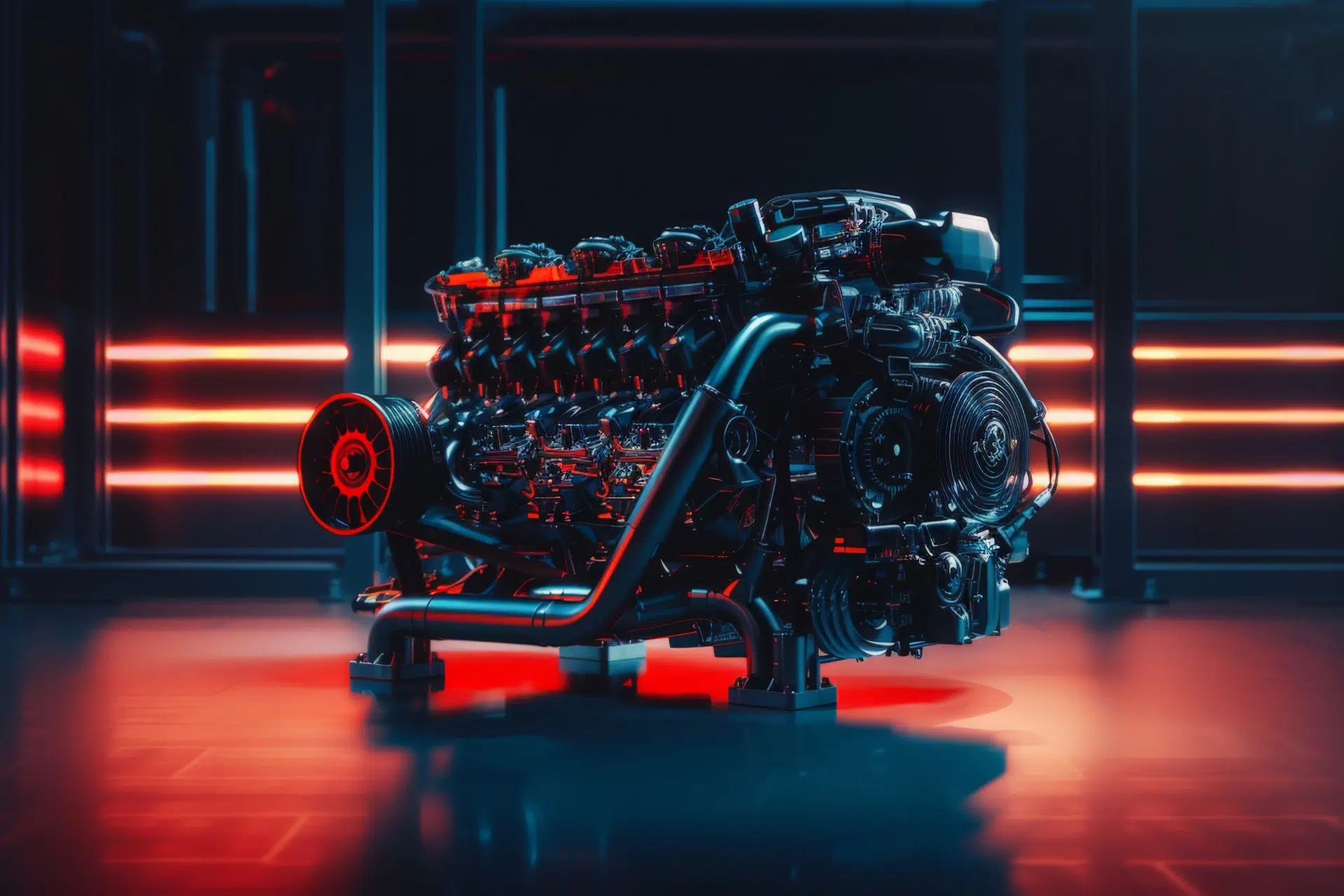
Many Class 8 tractors on U.S. roads still pull loads with an ISX15 under the hood, and many of those engines are well into their working life. If you own or manage these trucks, you may eventually face the same choice: continue making repairs, complete an overhaul, or install a remanufactured engine. There isn’t one right answer. The best path depends on the failure, the condition of the engine, and how much downtime you can absorb. Here is a plain-English look at the ISX15, its common trouble spots, and the available repair and replacement options.
The ISX15 at a glance
Before talking to a shop, it helps to know the basic specifications so you can review a quote and ask informed questions.
Core specs most drivers ask about
Cummins has offered ISX15 ratings from 400 to 600 hp, with peak torque reaching 2,050 lb-ft in some configurations. That range helps explain why the same engine family appears in regional day cabs and heavy-haul rigs with different calibrations. Weight also matters when specifying a chassis or planning an engine lift. Cummins lists the 2013 ISX15 at about 2,964 pounds dry and roughly 3,204 pounds as a complete system that includes aftertreatment hardware. The difference is a reminder that emissions equipment must be considered part of the overall engine package.
What changed in 2010
For 2010, the ISX15 moved to a single overhead cam and the XPI high-pressure common-rail fuel system. In practical terms, the system holds fuel at high pressure and injects it electronically, giving the engine controls more authority over timing and quantity. That generation also combines cooled EGR, a variable-geometry turbocharger, a diesel particulate filter, and SCR aftertreatment. Because these systems work together, a fault in one area can produce symptoms elsewhere. Careful diagnosis is usually less expensive than replacing parts based on a fault code alone.
How the engine evolved and why it matters
The equipment fitted to an ISX15 depends partly on its model year and emissions configuration. That history can affect maintenance needs, diagnostic steps, and replacement-part compatibility.
Emissions hardware expanded over time
Each emissions era added components. Cooled EGR came first, particulate filters followed, and SCR joined the package for 2010. In practice, a later ISX15 has more sensors, plumbing, and components that must remain clean and properly calibrated. This makes maintenance history especially important on newer versions. Detailed service records can also help a buyer or shop understand what has already been repaired.
Problems owners may encounter
Symptoms often overlap across the air, fuel, cooling, and aftertreatment systems. Record active fault codes and operating conditions, then have the underlying cause confirmed before authorizing major repairs.
EGR, DPF, and SCR problems
EGR cooler failures are a reported ISX15 issue. Possible warning signs include unexplained coolant loss, white exhaust smoke, higher operating temperatures, or frequent regeneration cycles. However, those symptoms can have more than one cause. Replacing a filter when the actual problem is upstream can lead to another repair and more downtime.
Turbocharger and actuator trouble
Sticking turbocharger vanes or a worn actuator can place the truck in a reduced-power state. A loss of pulling power on a grade may be the driver’s first warning. Soot buildup and repeated short operating cycles can contribute to these problems, but the air and aftertreatment systems should be inspected before the turbocharger is replaced.
Fuel-system wear
Injectors are wear items, so rough running, hard starts, or fuel dilution in the oil should be investigated promptly. Cummins TSB 140019 provides instructions for replacing the high-pressure fuel pump on affected ISX15 CM2250 engines when fractured ceramic plungers are found. If your engine is in that group, ask whether the required inspection has been completed and documented. For a plain-English overview of design changes, emissions equipment, and failure points, see the Cummins ISX engine primer.
Repair, overhaul, or replace
The right approach depends on the extent of the damage and the condition of the reusable components. Compare the complete installed cost, expected downtime, and written warranty rather than looking only at the initial parts price.
In-frame overhaul
An in-frame overhaul keeps the engine block in the truck. The shop replaces wear items such as liners, pistons, rings, and bearings while reusing serviceable major components. It can be a practical option when the block and other core parts are in good condition. Cummins offers a National Overhaul Warranty for qualifying work completed with Genuine Cummins and ReCon parts. Coverage can extend up to three years or 300,000 miles for certain heavy-duty engines, but owners should confirm the terms for their specific engine, parts, and application before work begins.
Out-of-frame rebuild versus a reman long-block
An out-of-frame rebuild requires removing the engine, allowing the shop to complete a deeper inspection. A remanufactured assembly is another option. A short-block generally covers the bottom end, while a long-block includes more major components. Cummins ReCon long-blocks include the block, crankshaft, cylinder head, connecting rods, camshaft, pistons, and rings, among other parts. Published ReCon warranty terms may list 12 months for long-blocks and two years or 100,000 miles for complete ReCon engines, depending on the application. Confirm current terms in writing.
A quick decision checklist
Before committing, consider the type of failure, the condition of the block and liners, acceptable downtime, required warranty coverage, and applicable emissions rules. Rule out basic causes first. If the truck cranks slowly or has unusual electrical faults, basic car battery testing methods, adapted for the truck’s battery system, can help identify weak batteries, cable problems, or poor grounds before the engine is opened. Simple checks can protect the repair budget for the actual failure.
What to look for in a replacement engine
Replacement-engine quotes can differ significantly in included parts, core requirements, and support. A detailed written quote makes the options easier to compare.
What comes in the box
Read the parts list rather than relying on the product label. A long-block includes considerably more than a short-block, and the terms shouldn’t be treated as interchangeable. One detail can catch buyers off guard: as of 2024, ECMs do not ship with ReCon engines and must be reused from the core or obtained separately. Confirm who will supply, program, and install the ECM before the replacement engine arrives.
Evaluating a supplier
Ask about core policies, testing procedures, written warranty terms, shipping arrangements, and installation support. Treat performance statements as supplier claims unless they are backed by documentation. A plain-English reference page from 4BT Engines gathers design changes, emissions equipment, and failure points buyers consider before a swap in one place. 4BT Engines is one of the suppliers owners may encounter when comparing remanufactured and used options for this engine family. Choosing reliable truck components can support a more organized replacement process.
Planning for newer engine platforms
The 2027 X15 is specified to support B20 biodiesel and up to 100% renewable diesel, with announced ratings reaching 605 hp and 2,050 lb-ft. Those changes don’t require an immediate decision about the truck in your yard, but they may affect longer-term fuel and equipment planning. Suppliers such as 4BT Engines can fit into that plan by offering options for keeping an existing tractor in service while owners evaluate newer platforms.
Conclusion
The decision usually comes down to three factors: what failed, the condition of the core engine components, and how long the truck can remain out of service. Get a complete diagnosis, request an itemized parts list, and confirm warranty terms for the specific engine and application before work begins. Plan for shop scheduling, transportation or backup equipment, and the installer’s break-in procedure. A written plan can’t prevent every problem, but it can reduce delays and unexpected costs.